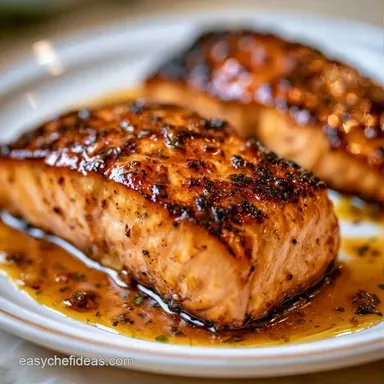
Sweet Savory Salmon Glaze: Caramelized and Flaky
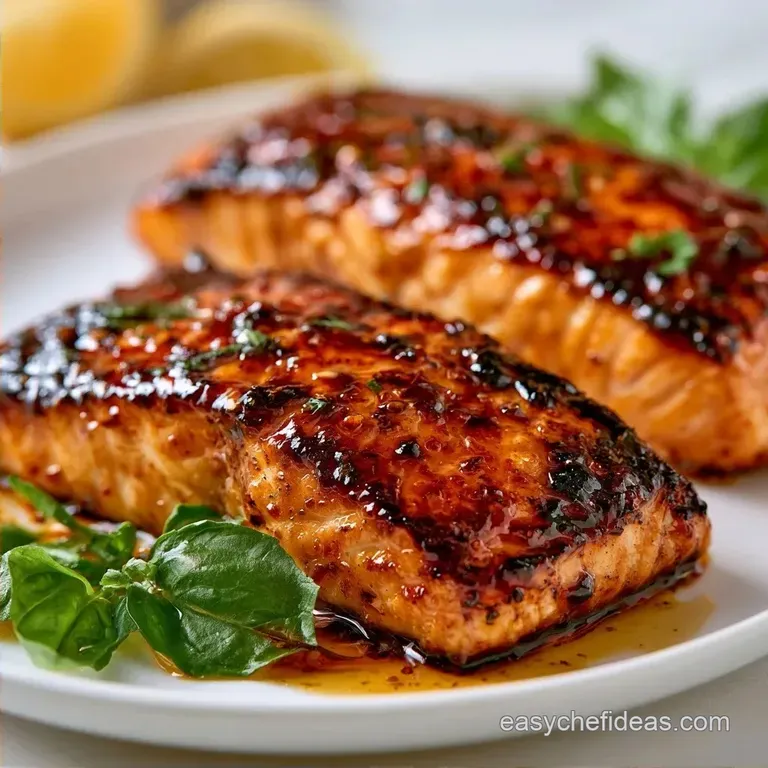
- Time: 5 min active + 15 min cook = Total 20 min
- Flavor/Texture Hook: Sticky, charred edges with a tender, flaky center
- Perfect for: A fast weeknight dinner that feels like a special occasion
- Sweet Savory Salmon Glaze
- Avoiding Common Glaze Mistakes
- The Quick Recipe Specs
- Gathering Your Pantry Essentials
- Tools You'll Need
- Bringing The Meal Together
- Fixes For Salmon Woes
- Troubleshooting Common Issues
- Customizing Your Flavor Profile
- Storage And Leftover Tips
- Best Sides To Serve
- High in Sodium
- Recipe FAQs
- 📝 Recipe Card
The smell of honey hitting a hot pan is one of my favorite things in the world. It starts as this gentle sweetness and then, suddenly, it turns into this deep, toasted aroma that fills the whole kitchen.
I remember the first time I tried to make a glaze for a family dinner, I just threw everything in a bowl and hoped for the best. The result? A watery mess that slid right off the fish and pooled at the bottom of the pan. It wasn't the "wow" moment I wanted.
But that's where the lesson was. I realized that a glaze isn't just a sauce, it's a reduction. Once I started simmering the honey and soy separately to create that syrupy consistency, everything changed. Now, this is the dish I make when I want to impress people without spending three hours in the kitchen.
It's all about that contrast, the way the saltiness of the soy cuts through the honey, and the lemon juice brightens the whole thing up.
You can expect a dish that hits every taste bud. We're talking about a Sweet Savory Salmon Glaze that delivers a sticky, charred exterior and a center that stays moist and silky. It's a simple balance of pantry staples, but when they come together under the broiler, the result is something truly special. Trust me, once you see those bubbles caramelizing on top of the fillets, you'll never go back to plain baked fish.
Sweet Savory Salmon Glaze
Right then, let's talk about the magic here. This isn't just about dumping sugar on fish. It's about creating a layer of flavor that clings to the protein. The goal is a velvety texture that doesn't run, giving you those gorgeous, dark, sticky edges while the inside remains tender.
The beauty of this recipe is how it respects the salmon. Salmon is already a rich, fatty fish, so we need ingredients that provide a counterpoint. The honey provides the sweetness and the body, the soy sauce adds the salt and the deep color, and the lemon juice provides the acid.
This trio creates a flavor map that moves from sweet to salty to bright in one bite.
If you've ever struggled with fish that tastes "flat", it's usually because there's no acid to break through the fat. By whisking lemon juice into the Sweet Savory Salmon Glaze, we ensure the dish feels light and fresh, even with the brown sugar and honey.
It's a simple trick, but it's the difference between a home cooked meal and something you'd pay 30 dollars for at a bistro.
Avoiding Common Glaze Mistakes
Most people just brush the sauce on and bake. The problem? The glaze often thins out in the oven, becoming a soggy puddle. The secret is the reduction. By simmering the glaze first, you're evaporating the water and concentrating the sugars. This means the sauce is already "set" before it ever touches the fish.
Sugar Concentration: Simmering the honey and sugar creates a thicker syrup that grips the fish instead of sliding off.
Acid Balance: Adding lemon juice late in the reduction prevents the acid from breaking down the sugar structure too much, keeping the glaze thick.
The Broiler Finish: High heat at the very end triggers the caramelization of the sugars, creating those shattered, crispy bits on the edges.
Moisture Control: Patting the salmon bone dry is non negotiable. According to USDA FoodData, salmon contains healthy omega-3 fats, but surface moisture creates steam, which prevents the glaze from adhering.
| Method | Time | Texture | Best For |
|---|---|---|---|
| Oven Baked | 15 min | Uniform & Tender | Large batches / Beginners |
| Pan Seared | 10 min | Crispy Skin / Charred | Single fillets / Quick sear |
| Broiled | 8 min | Heavily Caramelized | Maximum "burnt sugar" flavor |
Component Analysis
| Ingredient | Science Role | Pro Secret |
|---|---|---|
| Honey | Viscosity Agent | Use a mild clover honey to avoid overpowering the fish |
| Soy Sauce | Umami & Color | Use Tamari for a richer, gluten-free depth |
| Lemon Juice | pH Regulator | Freshly squeezed is a must; bottled is too metallic |
| Brown Sugar | Caramelizer | Adds a molasses note that white sugar lacks |
The Quick Recipe Specs
Before we crack on with the cooking, here are the numbers you need to keep this on track. I've found that sticking to these specific checkpoints is the only way to avoid the dreaded "overcooked salmon" syndrome.
- Preheat Temperature: 400°F (200°C)
- Bake Time: 10-12 minutes
- Broil Time: 2 minutes
Honestly, don't even bother with low-fat substitutes here. The fats in the salmon and the olive oil are what carry the flavor of the garlic and red pepper flakes. If you try to strip the fat, you lose the velvety mouthfeel that makes this dish work.
Gathering Your Pantry Essentials
You probably have most of this in your cupboards already. The key is the quality of the honey and the freshness of the garlic. Don't use the pre minced garlic in a jar; it tastes like vinegar and will ruin the delicate balance of the Sweet Savory Salmon Glaze.
- 4 (6 oz) salmon fillets, skin on Why this? Skin protects the meat from drying out
- 1 tbsp olive oil Why this? High smoke point for the oven
- 1/2 tsp sea salt Why this? Coarse grains penetrate the fish better
- 1/4 tsp black pepper Why this? Basic heat to balance the honey
- 3 tbsp honey Why this? Provides the sticky, velvety base
- 2 tbsp soy sauce Why this? Adds salt and deep umami color
- 1 tbsp brown sugar Why this? Creates the charred, caramelized crust
- 1 tbsp fresh lemon juice Why this? Cuts through the richness of the fat
- 3 cloves garlic, minced Why this? Fresh aromatics for depth
- 1/2 tsp red pepper flakes Why this? Subtle kick to wake up the palate
| Item | Fresh Version | Shortcut Version | Impact |
|---|---|---|---|
| Garlic | Fresh Cloves | Garlic Powder | Fresh is punchier; powder is flatter |
| Lemon | Fresh Squeezed | Bottled Juice | Fresh is bright; bottled is acidic |
| Honey | Raw/Local | Honey Syrup | Raw is richer; syrup is thinner |
Tools You'll Need
You don't need a professional kitchen for this, but a few specific tools make it way easier. A parchment lined sheet is a lifesaver here because that honey glaze will stick to a bare pan like superglue.
- Baking sheet
- Parchment paper
- Small saucepan
- Whisk
- Silicone pastry brush (essential for that even coating)
- Paper towels (for drying the fish)
Chef's Tip: If you don't have a pastry brush, you can use the back of a spoon, but a brush ensures you get those thin, concentrated layers that caramelize better.
Bringing The Meal Together
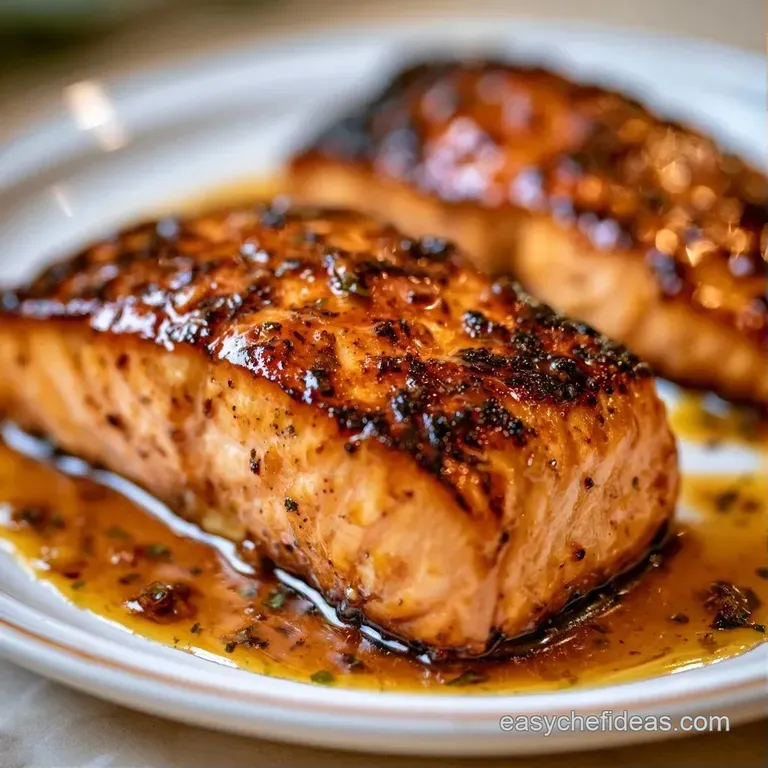
Let's get into the flow. The most important part is the transition from the oven to the broiler. This is where the Sweet Savory Salmon Glaze transforms from a sauce into a lacquer.
1. Prepping the Base
Preheat your oven to 400°F (200°C) and line your baking sheet with parchment paper. Now, this is the part most people skip: pat the salmon fillets bone dry with paper towels. If they're wet, the oil and salt won't stick, and the glaze will just slide off.
Rub them with olive oil, sea salt, and black pepper.
2. Reducing the Sweet and Savory Salmon Sauce
Grab a small saucepan and set it over medium heat. Combine the honey, soy sauce, brown sugar, lemon juice, garlic, and red pepper flakes. Whisk this constantly for 3-5 minutes. You're looking for the mixture to bubble and thicken into a syrupy consistency.
It should coat the back of your spoon without immediately running off.
3. The Baked Glazed Salmon Process
Place your seasoned fillets on the prepared baking sheet. Generously brush the first layer of the reduced glaze over the top of each fillet. Slide them into the oven and bake for 10-12 minutes.
The time depends on your fillets, but you want them to be mostly cooked through, though still slightly translucent in the very center.
4. The Final Caramelization
Switch your oven to broil. This is the "danger zone", so stay right there and watch. Brush on a final, thick layer of the reduced glaze. Put the salmon back in for 2 minutes until the top is bubbling and caramelized.
The edges should look dark and sticky, and the fish should have a slight sizzle.
Fixes For Salmon Woes
The biggest struggle with salmon is the window between "perfectly flaky" and "dry as a bone". I've learned the hard way that carryover cooking is real. The fish continues to cook for a few minutes after it leaves the oven, so pull it out just before you think it's done.
Troubleshooting Common Issues
| Issue | Solution |
|---|---|
| Why Your Glaze is Too Thin | If your sauce looks like water, you didn't reduce it long enough. It needs to reach a simmer where the sugars concentrate. |
| Why The Fish is Overcooked | This usually happens because fillets are different thicknesses. If you have one thin piece and one thick piece, the thin one will dry out while the thick one is still raw. |
| Why The Glaze Burnt Too Quickly | Sugar burns fast under a broiler. If your glaze went from "caramelized" to "black" in 30 seconds, your oven rack was likely too high. |
Common Mistakes Checklist
- ✓ Did you pat the salmon completely dry?
- ✓ Did the glaze bubble and thicken before brushing?
- ✓ Did you use parchment paper to prevent sticking?
- ✓ Did you stay by the oven during the 2 minute broil?
- ✓ Did you let the fish rest for 3-5 minutes before serving?
Customizing Your Flavor Profile
Once you've mastered the base Sweet Savory Salmon Glaze, you can start playing with the ratios. I love swapping ingredients based on what's in the fridge.
If you want more of an Asian inspired profile, you can replace the brown sugar with a bit of maple syrup or even use my Homemade Teriyaki Sauce recipe as the base for the glaze. The molasses in the brown sugar gives a more "American BBQ" vibe, while maple syrup makes it feel more like a brunch dish.
For those avoiding sugar, you can use a small amount of date syrup or a monk fruit sweetener. Just be careful, as these don't always caramelize the same way honey does. You might need to broil for an extra minute to get that same charred look.
Decision Shortcut:
- Want more zing? Add an extra teaspoon of lemon juice or a pinch of zest.
- Want a deeper heat? Swap red pepper flakes for a teaspoon of Sriracha.
- Want it more savory? Increase the soy sauce by 1 tbsp and reduce the honey by 1 tbsp.
Storage And Leftover Tips
Salmon is best eaten fresh, but if you have leftovers, don't let them go to waste. Store the cooked fillets in an airtight container in the fridge for up to 3 days.
To reheat, avoid the microwave, which turns salmon into rubber. Instead, put the fillets in a 300°F (150°C) oven for about 5-8 minutes. This warms them through without overcooking the center.
I don't recommend freezing cooked glazed salmon, as the sugar in the glaze can change the texture of the fish, making it a bit mushy upon thawing.
As for zero waste, if you have leftover glaze in the pan, don't throw it away! It's basically a concentrated flavor bomb. Toss some steamed broccoli or roasted carrots in the leftover sauce for a quick side dish.
Best Sides To Serve
Because this dish is so rich and sticky, you need sides that provide a clean contrast. I usually go for something green and crisp.
A pile of jasmine rice is the classic choice because it soaks up any extra Sweet Savory Salmon Glaze that drips off the fish. If you're looking for something healthier, a crisp cucumber salad with rice vinegar and sesame seeds works brilliantly to cut through the sweetness.
For a more hearty meal, I highly recommend serving this with some Roasted Brussels Sprouts which mirror the caramelized notes of the salmon. The earthiness of the sprouts and the sweetness of the glaze create a perfect harmony on the plate. Just make sure to keep the sides simple so the salmon remains the star of the show.
High in Sodium
875 mg 875 mg of sodium per serving (38% 38% of daily value)
The American Heart Association recommends a daily sodium limit of 2,300 mg to reduce the risk of high blood pressure and heart disease.
Tips to Reduce Sodium
-
Swap Soy Sauce-30%
Replace the regular soy sauce with low-sodium soy sauce or coconut aminos to significantly lower the salt content.
-
Omit Sea Salt-25%
Remove the sea salt entirely; the soy sauce already provides enough salinity for the salmon fillets.
-
Increase Citrus-10%
Add an extra tablespoon of fresh lemon juice to enhance the natural flavors and provide a 'tang' that reduces the need for salt.
-
Enhance with Herbs
Incorporate fresh parsley, dill, or cilantro to add aromatic complexity and flavor depth without adding any sodium.
Recipe FAQs
Is this sweet savory salmon glaze keto friendly?
No, it is not keto. The honey and brown sugar add significant carbohydrates that exceed the limits of a ketogenic diet.
Is this a simple way to make baked salmon for beginners?
Yes, it is very straightforward. With only a few pantry staples and a total time of 20 minutes, it is an ideal entry level seafood recipe.
How to make a simple yet tasty salmon glaze?
Whisk honey, soy sauce, brown sugar, lemon juice, garlic, and red pepper flakes in a saucepan. Simmer over medium heat for 3 5 minutes until the mixture bubbles and thickens into a syrup.
How to broil salmon without burning the glaze?
Broil for only the final 2 minutes of cooking. Brush on a fresh layer of glaze just before switching to broil to achieve caramelization without scorching the sugars.
Why is my salmon overcooked even when following the timer?
Fillets of varying thicknesses cook at different rates. Ensure your pieces are similar in size, or pull thinner fillets out of the oven a few minutes early.
Can I reheat glazed salmon in the microwave?
No, avoid the microwave as it makes the fish rubbery. Instead, warm fillets in a 300°F (150°C) oven for 5 8 minutes.
Why is my salmon glaze too thin?
The sauce was not reduced long enough. Simmer the mixture until the sugars concentrate and it reaches a syrupy consistency. If you loved the sweet tart balance in this recipe, see how we use the same acid technique in our sweet and sour sauce.
Sweet Savory Salmon Glaze