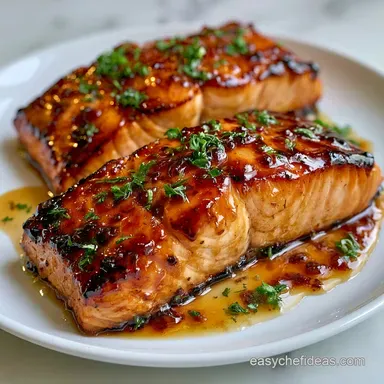
Simple Fresh Salmon Glaze: Honey and Soy
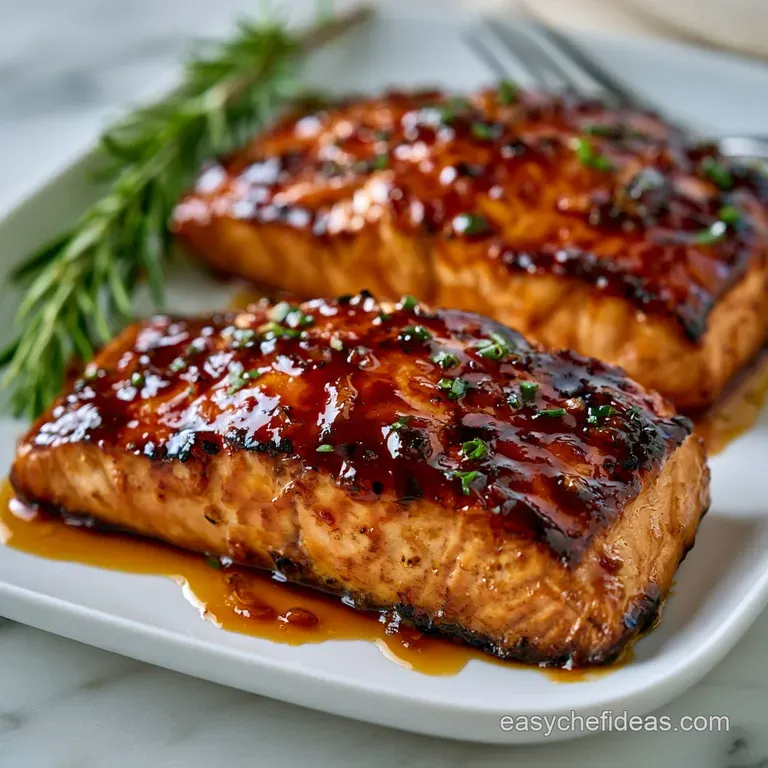
- Time: 5 min active + 15 min cooking = Total 20 mins
- Flavor/Texture Hook: Tacky, glossy crust with a buttery, tender center
- Perfect for: A nourishing weeknight dinner that feels fancy
- Making the Simple Fresh Salmon Glaze
- The Ingredient Deep Dive
- Gathering Your Supplies
- Essential Kitchen Tools
- The Step-by-Step Process
- Fixing Common Salmon Issues
- Troubleshooting Common Issues
- Adjusting the Serving Size
- Salmon Cooking Myths
- Storage and Waste Tips
- Best Side Dish Pairings
- Recipe FAQs
- 📝 Recipe Card
The smell of caramelizing honey and garlic hitting a hot pan is one of those scents that just feels like home. I remember the first time I tried to make a glaze for a family gathering, thinking I could just throw some sugar and soy together.
I ended up with a sticky mess that burnt in three minutes, leaving the fish raw in the middle. It was a lesson in heat management and the importance of a balanced acid.
For many cultures, salmon isn't just a protein, it's a centerpiece of community and nourishment. Whether it's the traditional preparations in the Pacific Northwest or the soy honey influences from East Asia, the goal is always the same: honoring the rich, fatty nature of the fish.
This recipe is all about that contrast, playing the brightness of lemon against the deep, earthy notes of brown sugar.
You can expect a fillet that has a slight shatter to the outer glaze and a velvety texture inside. We've stripped away the fluff to leave you with a method that actually works every time. We're going to focus on a Simple Fresh Salmon Glaze that doesn't require a million pots and pans, just one sheet tray and a few pantry staples.
Making the Simple Fresh Salmon Glaze
The magic here is all in the "tack." When you mix honey and brown sugar, you're creating a syrup that clings to the fish instead of sliding off. This isn't just about taste; it's about creating a barrier that keeps the salmon from drying out under the high heat of the oven.
The Sugar Bond: Honey and brown sugar create a thick syrup that adheres to the protein. This traps moisture inside the fillet.
The Acid Cut: Lemon juice breaks down the heavy fats in the salmon. It prevents the glaze from feeling cloying or too sweet.
The Fat Bridge: Melted butter helps the soy sauce and garlic distribute evenly. It adds a silky mouthfeel to the final crust.
The Salt Balance: Soy sauce provides the savory depth. It balances the sugar so the dish tastes like dinner, not dessert.
| Method | Time | Texture | Best For |
|---|---|---|---|
| Oven Baked | 15 mins | Evenly tender | Large batches |
| Stovetop | 10 mins | Crispy skin | Single fillets |
| Broiled | 8 mins | Charred/Bubbling | Maximum crust |
The Ingredient Deep Dive
Before you start mixing, it's helpful to understand why these specific components are in the bowl. If you've ever wondered why some glazes taste "flat," it's usually because a key element of this table is missing.
| Ingredient | Science Role | Pro Secret |
|---|---|---|
| Honey | Thickener | Use a mild clover honey for neutrality |
| Soy Sauce | Salt/Color | Use tamari for a gluten-free version |
| Brown Sugar | Caramelizer | Dark brown sugar adds more molasses depth |
| Lemon Juice | Brightener | Rub the lemon first to get more juice |
Gathering Your Supplies
When you're picking up your ingredients, don't settle for the cheapest salmon. You want center cut fillets because they have a consistent thickness, which means they'll all finish cooking at the exact same time.
If you use tail pieces and thick center cuts on one tray, the tails will be dry by the time the center is done.
For the Salmon
- 2 lbs center cut salmon fillets, skin onWhy this? Skin protects the flesh from direct heat
- 1/2 tsp sea saltWhy this? Enhances natural fish flavors
- 1/4 tsp black pepperWhy this? Adds a subtle earthy heat
For the Glaze
- 3 tbsp honeyWhy this? Creates that signature glossy shine
- 2 tbsp brown sugar, packedWhy this? Adds deep caramel notes
- 2 tbsp soy sauceWhy this? Provides the necessary salt hit
- 1 tbsp lemon juice, freshly squeezedWhy this? Cuts through the richness
- 3 cloves garlic, mincedWhy this? Adds aromatic depth
- 1 tbsp unsalted butter, meltedWhy this? Smoothes out the texture
| Original Ingredient | Substitute | Why It Works |
|---|---|---|
| Honey (3 tbsp) | Maple Syrup (3 tbsp) | Similar viscosity. Note: Adds a woody, autumnal flavor |
| Brown Sugar (2 tbsp) | Coconut Sugar (2 tbsp) | Similar caramelization. Note: Slightly less sweet, grainier texture |
| Soy Sauce (2 tbsp) | Coconut Aminos (2 tbsp) | Salty/umami profile. Note: Lower sodium and slightly sweeter |
| Lemon Juice (1 tbsp) | Rice Vinegar (1 tbsp) | Provides necessary acidity. Note: More pungent and less citrusy |
If you enjoy the sticky, savory profile of this recipe, you might also love a teriyaki sauce for your chicken or tofu. Both rely on the same principle of sugar and soy creating a lacquer like finish on the protein.
Essential Kitchen Tools
You don't need a professional kitchen to nail this, but a few specific tools make it easier. I highly recommend using a rimmed baking sheet. If you use a flat cookie sheet, the melted butter and honey will run off the sides and create a smoky mess in the bottom of your oven.
A silicone pastry brush is a lifesaver here. Using a spoon often results in "clumps" of glaze, which burn faster than the rest of the fish. Brushing allows for a thin, even coat that caramelizes uniformly. Also, an instant read meat thermometer is the only way to guarantee you don't overcook the salmon.
The step-by-step Process
Right then, let's get into the actual cooking. The key is not to overwork the fish. Salmon is delicate, and the more you poke it, the more likely it is to flake apart before it's actually cooked.
1. The Foundation (Prep)
Preheat your oven to 400°F (200°C). Line your large rimmed baking sheet with aluminum foil or parchment paper. Trust me, cleaning burnt honey off a pan is a nightmare you don't want. Use a paper towel to pat the salmon fillets completely dry on all sides.
Season lightly with salt and pepper. Note: Dry skin equals a better sear.
2. The Glaze Integration (Mixing)
In a small mixing bowl, whisk together the honey, brown sugar, soy sauce, lemon juice, minced garlic, and melted butter. Mix until the sugar is dissolved and the mixture is smooth and glossy. It should look like a thick syrup that coats the back of your whisk.
3. The Heat Cycle (Cooking)
Brush a generous layer of the glaze over the top and sides of each fillet. Place them on the prepared baking sheet. Bake for 12-15 minutes. Keep a close eye on the oven.
4. The Finishing Touch
Turn the oven to Broil for the final 2 minutes. Watch this like a hawk. You want the glaze to bubble and turn a deep mahogany brown. Remove from the oven when the internal temperature reaches 135°F (57°C).
3 Signs It's Done
- The fish flakes easily with a fork.
- The glaze is bubbling and tacky, not liquid.
- Internal temp is exactly 135°F for a medium finish.
Fixing Common Salmon Issues
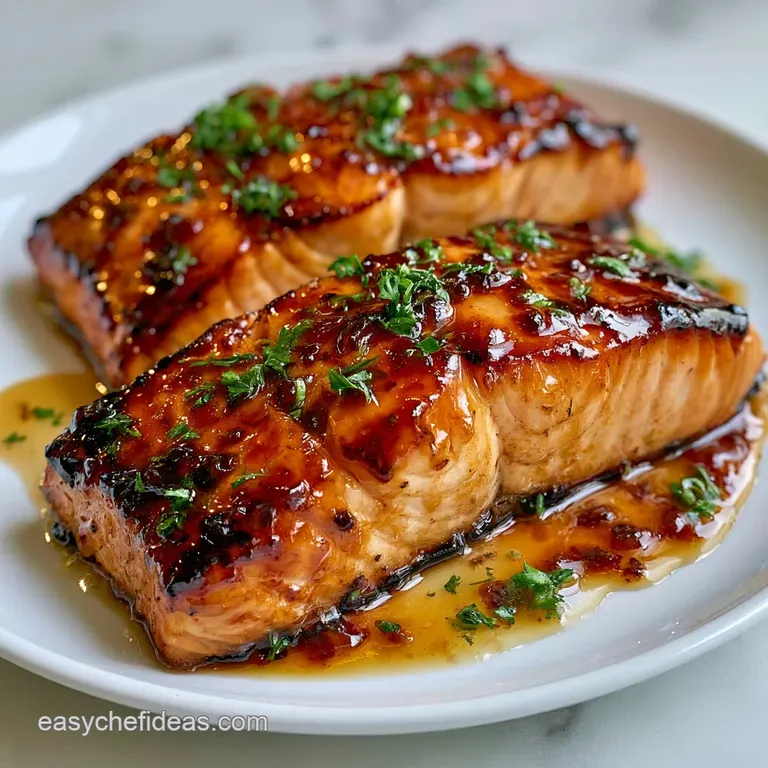
The most common struggle with a Simple Fresh Salmon Glaze is the timing. Because of the sugar content, the glaze can go from "glossy" to "burnt" in about 30 seconds during the broiling phase. If you smell something acrid, pull the pan out immediately.
Troubleshooting Common Issues
| Issue | Solution |
|---|---|
| Why Your Salmon Has White Spots | That white stuff is called albumin. It's just a protein that pushes out when the muscles contract from too much heat. It's harmless, but it's a sign you've pushed the temperature too high or cooked it |
| Why the Glaze is Too Thin | If your glaze is running off the fish, your honey might be too liquid or your lemon juice ratio was too high. Next time, ensure your brown sugar is packed tightly when measuring to maintain the thickn |
| Why the Salmon is Dry | Overcooking is the enemy here. Salmon continues to cook for a few minutes after you take it out of the oven (carryover cooking). If you wait until it hits 145°F in the oven, it'll be dry by the time i |
Common Mistakes Checklist
- ✓ Didn't pat the salmon dry before glazing
- ✓ Left the broiler unattended for more than 2 minutes
- ✓ Used a flat sheet instead of a rimmed tray
- ✓ Overcooked past 135°F internal temperature
- ✓ Used cold butter instead of melted butter in the glaze
Adjusting the Serving Size
When you're cooking for a crowd or just yourself, you can't always just double the recipe. Salt and sugar don't always scale linearly.
Scaling Down (1-2 people) If you're using just one fillet, halve the glaze. Use a smaller baking pan so the glaze doesn't spread too thin on the tray and burn. Reduce the total bake time by about 20% since smaller fillets heat through faster.
Scaling Up (10-12 people) For a larger party, work in batches. Do not crowd the pan; if the fillets are touching, they'll steam instead of roast, and you'll lose that mahogany crust. Increase the glaze by 1.5x rather than 2x to avoid an overly sweet result.
If you're baking a massive side of salmon (instead of fillets), lower the oven temp to 375°F and extend the time to 20-25 minutes. This ensures the middle is cooked without burning the exterior.
Salmon Cooking Myths
There's a lot of noise about how to handle seafood. Let's clear a few things up so you can cook with confidence.
The "Sealing" Myth Many people think searing salmon "seals in the juices." This is a myth. Searing adds flavor and texture through browning, but moisture loss happens regardless of how you start the cook. The glaze actually helps more with moisture by acting as a protective layer.
The "Skin Off" Belief Some think removing the skin makes the fish cook more evenly. Actually, the skin acts as an insulator. It protects the delicate flesh from the harsh heat of the pan or oven, resulting in a more velvety interior.
Storage and Waste Tips
If you have leftovers, let the fish cool completely before putting it in the fridge. Store it in an airtight container for up to 3 days. To reheat, avoid the microwave it'll make the salmon rubbery.
Instead, put it in a 275°F oven for 10 minutes or heat it gently in a pan with a touch of butter.
Don't throw away the salmon skin scraps or the leftover glaze in the bowl. You can reduce the leftover glaze in a small saucepan until it's thick, then use it as a dip for steamed vegetables. If you've saved the skin, fry it in a pan until it's a salty, crispy cracker.
For the lemon halves, squeeze every last drop out, then toss the peels into your compost or use them to infuse a bottle of olive oil for a bright, citrusy finish on other dishes.
Best Side Dish Pairings
To balance the sweetness of the Simple Fresh Salmon Glaze, you need something with a bit of a bite or a fresh, green crunch. I love serving this with grilled asparagus because the charred, bitter notes of the vegetable cut right through the honey.
Another great option is a cold cucumber salad with rice vinegar and sesame seeds. The coolness of the cucumber provides a refreshing contrast to the warm, rich salmon. If you're looking for a starch, a fluffy bed of quinoa or jasmine rice works perfectly to soak up any extra glaze that escapes the fillet.
Decision Shortcut
- If you want it tangier, add an extra squeeze of lemon after cooking.
- If you want it spicier, whisk in a teaspoon of sriracha or red pepper flakes.
- If you want it crispier, increase the broil time by 30 seconds (but watch it!).
Recipe FAQs
Do you glaze salmon before or after cooking?
Glaze before baking. Brush a generous layer over the top and sides of the fillets before placing them in the 400°F oven to ensure the flavors penetrate the fish.
How to make a simple, yet tasty salmon glaze?
Whisk together honey, brown sugar, soy sauce, lemon juice, minced garlic, and melted butter. Stir until the mixture is smooth and glossy before applying it to your salmon.
Is it true that white spots on the salmon mean it is spoiled?
No, this is a common misconception. That white substance is albumin, a protein that emerges when muscles contract from too much heat; it is completely harmless.
How to cook salmon to keep it moist and avoid dryness?
Pull the fillets from the oven when the internal temperature reaches 135°F. If you enjoyed mastering temperature precision here, see how the same principle works in our baked fish Florentine.
Can I broil the salmon for a caramelized finish?
Yes, use the broiler for the final 2 minutes. Watch closely until the glaze bubbles and turns a deep mahogany brown for a professional look.
Why is my salmon glaze too thin?
Ensure your brown sugar is packed tightly when measuring. If the glaze is running off the fish, your honey may be too liquid or the lemon juice ratio may be too high.
How to use leftover glaze after cooking?
Reduce the remaining glaze in a small saucepan. Simmer the mixture until it thickens, then use it as a savory dip for steamed vegetables.
Simple Fresh Salmon Glaze