The Ultimate Tex Mex Breakfast Casserole
Whip up this Tex Mex Breakfast Casserole featuring smoky chorizo and crisp hash browns. A perfect Me...
01 Hrs 15 Mins
Browse home recipes for quick weeknight dinners, global comfort classics, healthy meals and weekend projects, with clear steps, realistic times and swaps.

These herbroasted small potatoes are seriously addictive Crispy on the outside fluffy inside an easy side dish the whole family will love Get my secret to perfect roasting
View Recipe
Whip up this Tex Mex Breakfast Casserole featuring smoky chorizo and crisp hash browns. A perfect Me...

Forget the jar This rich glossy quick and easy chocolate sauce uses cocoa powder for a deep fudgy fl...
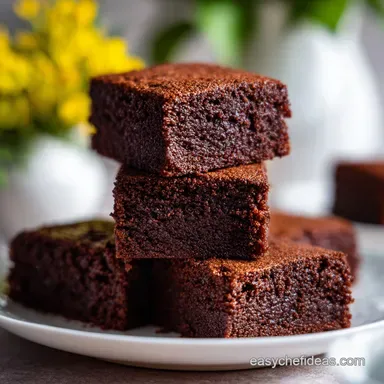
Make fudgy Protein Brownies with this flourless protein brownies guide. Includes a common mistakes c...

Cozy up with this butternut squash soup recipe! Toasted sage and brown butter croutons make it extra...

Forget dry fish This easy baked cod in coconut lemon cream sauce recipe delivers incredible flavour ...
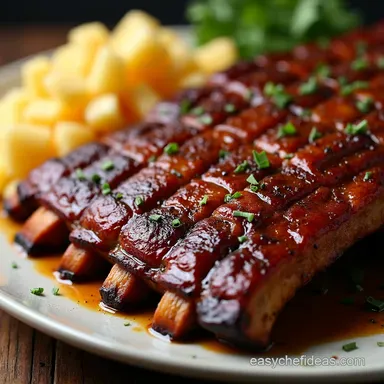
Master the ultimate Dry Rubbed BBQ Ribs using this simple oven baked ribs method Get that perfect sp...
Handpicked collections to inspire your next meal
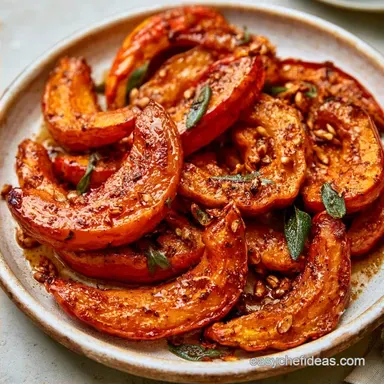
Find 30 winter squash recipes, from roasted delicata and acorn squash to kabocha curry, stuffed halv…
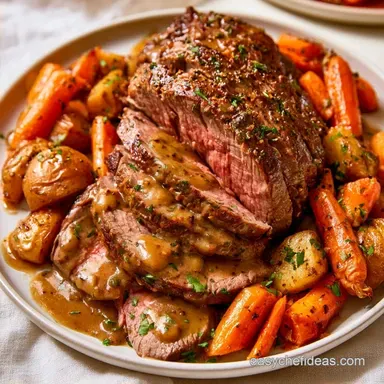
View Collection →Find top round roast recipes for the Dutch oven, slow cooker, and oven, plus a five minute rub, onio…
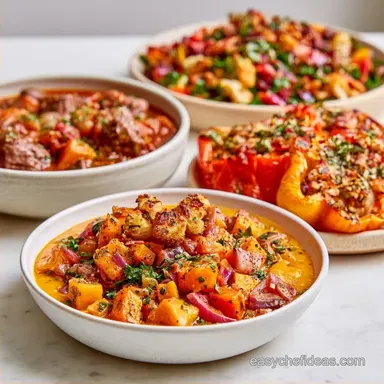
View Collection →Find healthy fall dinner recipes including butternut squash soups, potato soup, harvest salads, grou…
View Collection →Find 17 zucchini muffin recipes, from moist zucchini carrot muffins and fruit filled bakes to savory…
View Collection →
Dinners built to reach the table in under an hour, most of them with short ingredient lists and one…

Familiar, soul-warming dishes from kitchens around the world, from Polish pierogi to Indian dal…

Slow-cooked, layered and show-stopping recipes for the days when you have hours to spend in the…

Vegetable-forward meals, lighter snacks and better-for-you sweets built around whole foods, from…
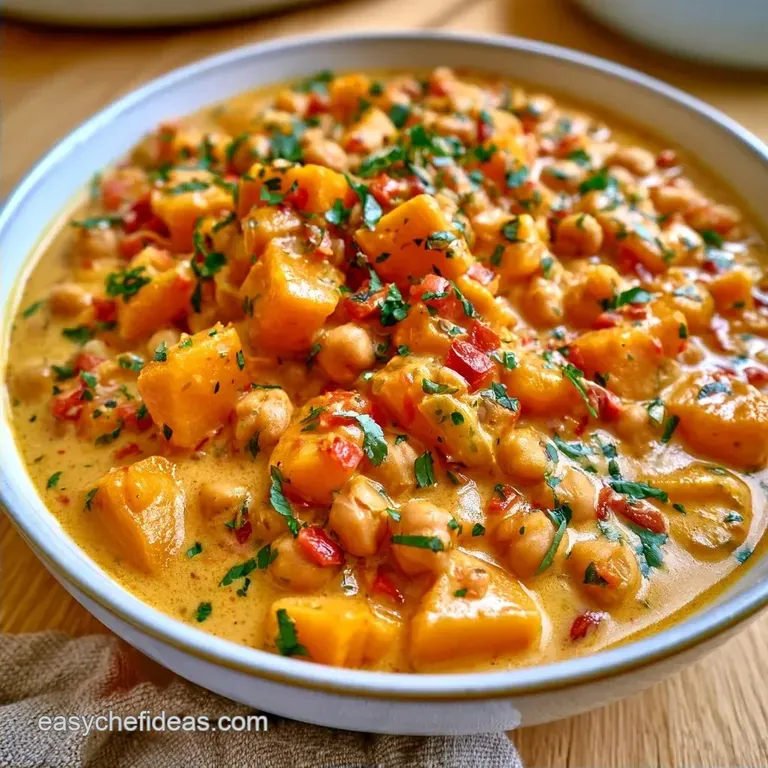
Ready in 38 minutes, this Butternut Squash Curry is a plant-based delight. It includes a detailed cooking process to ensure a rich, creamy result.

Cozy up with this butternut squash soup recipe! Toasted sage and brown butter croutons make it extra special. A healthy, comforting fall soup. Get the recipe!

Ready in 35 minutes, Roasted Kabocha Squash is savory and sweet. It includes a table of ingredient swaps to help you customize this healthy side dish.

Roasted Delicata Squash is the easiest autumn side! This simple, no-peel delicata squash recipe uses high heat and maple syrup for perfect caramelized halves.

Acorn squash, brown sugar, and melted butter define this Roasted Acorn Squash. It includes step by step cooking and takes 50 minutes to complete.

Tough squash bottoms often ruin autumn meals. This Stuffed Acorn Squash uses pre-roasting for tenderness and includes an ingredient substitution table.
Our authors cover global and nutrition-focused cooking, plant-based comfort food, quick Latin-inspired meals, and seasonal baking with food photography.
Learn how our recipes are developed and edited for home kitchens.
Meet Our TeamEasy Chef Ideas is a collection of home-cooking recipes written to be followed without guesswork. Each one lists ingredients in the order you use them, gives realistic times and temperatures, and points out where a step is easy to get wrong. You will find a fifteen-minute lemon pasta, a slow-roasted pumpkin soup, a chewy brown butter cookie and a weekend baking project here, all written in the same plain style.
The recipes are grouped into four categories, so you can start from the kind of cooking you have time for.
Quick & Easy Weeknight Meals is the largest section, built around short ingredient lists and short cooking times. Examples include a 20-minute honey-glazed salmon bowl, miso garlic butter salmon and creamy lemon pasta. Most are one-pan or one-pot dishes, which keeps cleanup short.
Global Comfort Classics covers dishes people cook for family: a pasticcio from Italy, homemade chicken doner kebab, one-pot yellow rice and a copycat garlic breadstick recipe. The steps explain why a technique matters, such as why a dough needs resting, so you can repeat the result.
Healthy & Nutritious includes bean salads, a chickpea smash-up sandwich, hijiki seaweed salad and a lighter egg roll recipe. Recipes in this section aim for balanced plates built on vegetables, legumes, whole grains and lean protein, without treating flavor as optional.
Weekend Gourmet Projects is for days when you want to spend an afternoon in the kitchen: lavender crème brûlée, bakery-style chocolate chip scones, a stuffed pumpkin with quinoa or a charcuterie board assembly guide. These recipes break the work into stages, and several can be done partly ahead.
Alongside the categories there are themed collections that gather one ingredient or occasion in one place, for example winter squash dinners, zucchini muffins, tostadas, salmon glazes and toddler lunches. They are a quick way to use up what is already in your fridge.
A few habits make any recipe on the site easier to follow:
Many recipes include suggested swaps. As a rule, replace like with like: one fresh herb for another, Greek yogurt for sour cream, or a different firm vegetable in a traybake. Changing the fat, sugar or flour in baking changes the structure, so make one change at a time and expect a slightly different result.
For storage, let cooked food cool briefly, then refrigerate it within two hours. Most cooked dishes keep three to four days in a sealed container, and soups, stews and casseroles usually freeze well for a few months. Reheat leftovers until steaming hot throughout.
Food safety comes down to a few basics. Use a thermometer rather than color to check doneness: chicken and other poultry should reach 165°F (74°C) at the thickest part, ground meats 160°F (71°C), and salmon and other fish 145°F (63°C). Keep raw meat and its juices away from foods eaten raw, and wash boards and knives between tasks.
If anyone at your table has an allergy, check every label, since packaged ingredients such as stock, sauces and chocolate often contain traces of common allergens.
Recipes on Easy Chef Ideas are developed and then edited for clarity before publication. The editing covers whether the steps are in a sensible order, whether the times and temperatures are realistic, whether the ingredient quantities and serving sizes are consistent, and whether substitution and food-safety notes are included where they matter. These checks make the instructions easier to follow, but every kitchen is different.
Use your own judgement, adjust seasoning to taste, and confirm doneness with a thermometer.
If you notice an unclear step or a time that did not work in your kitchen, the Contact Us page is the best way to tell us. You can also read more about the people behind the recipes on the About Us page.