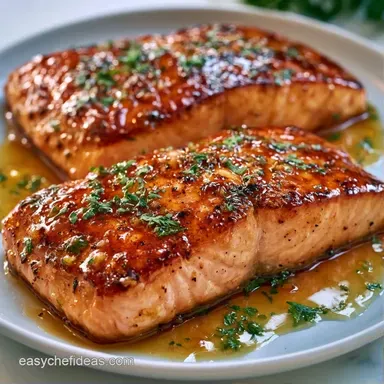
Simple Honey Glazed Salmon: Caramelized and Sticky
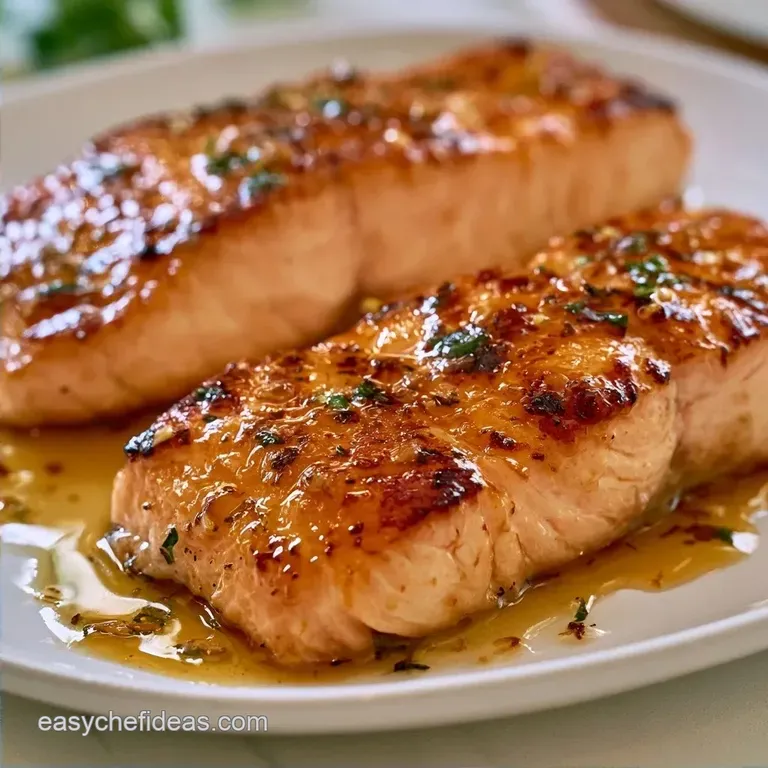
- Time:10 minutes active + 8 minutes cooking = Total 18 minutes
- Flavor/Texture Hook: Velvety, glossy glaze with a shatter crisp edge
- Perfect for: Fast weeknight dinners, beginner cooks, or a healthy date night
Simple Honey Glazed Salmon
The smell of bubbling honey and toasted garlic hitting a hot oven is basically a hug in edible form. It's that specific, sweet and salty aroma that fills the kitchen and makes everyone run toward the oven. But for a long time, I couldn't actually get the dish right. I used to end up with salmon that was just... grey.
No crust, no shine, just a soggy, pale piece of fish that felt like eating a wet sponge.
The problem was that I was treating the fish like a piece of beef, ignoring the surface moisture. I'd throw the glaze on damp fillets, and instead of caramelizing, the honey just steamed the fish. It was a total disaster. Once I realized that moisture is the enemy of a good crust, everything changed.
Now, this Simple Honey Glazed Salmon is my go to because it solves that "soggy fish" problem entirely. We're talking about a result that looks like it came from a bistro, but it only takes a few minutes of actual work. Trust me on this, once you see that glaze bubble into a deep gold, you'll never go back to plain steamed fillets.
The Secret to Non Rubbery Fish
The trick here isn't just the ingredients, it's how the heat interacts with the sugars. Since we're using honey and soy, we're playing with a high sugar environment that can either become a beautiful lacquer or a burnt mess if you're not careful.
Sugar Caramelization: Honey breaks down at high heat, creating a thick syrup that clings to the fish. This creates a barrier that helps keep the inside juicy.
Acid Balance: Lemon juice cuts through the heavy fats of the salmon and the sweetness of the honey. It prevents the dish from tasting like a dessert.
Surface Tension: Patting the fish dry removes the water layer. This allows the oil and honey to bond directly to the protein, leading to a much better sear.
Carryover Cooking: The fish keeps cooking after it leaves the oven. Pulling it at 135°F ensures it hits a perfect medium rare once it rests.
| Type | Texture | Prep Effort | Best For |
|---|---|---|---|
| Fresh Fillets | Flaky, tight grain | Medium | Impressive dinners |
| Frozen Thawed | Softer, more moisture | Low | Quick weeknight meal |
| Pre cut Portions | Consistent, convenient | Very Low | Meal prep |
Right then, let's look at what's actually happening inside the glaze before we get to the gear.
Component Analysis and Flavor
Understanding the role of each ingredient helps you tweak the recipe without breaking it. It's not just about following a list, it's about knowing why the salt is there or why the oil matters.
| Ingredient | Science Role | Pro Secret |
|---|---|---|
| Honey | Glazing Agent | Use a runny honey for easier whisking |
| Soy Sauce | Umami Source | Low sodium prevents the glaze from being salty |
| Lemon Juice | pH Balancer | Freshly squeezed is mandatory for the zing |
| Garlic | Aromatics | Mince it into a paste for better distribution |
Essential Gear for This Bake
You don't need a professional kitchen for this, but a few specific tools make the process way smoother. Honestly, don't even bother with low-fat sprays here, just use the oil in the recipe.
First, a baking sheet is obvious, but the parchment paper is the real hero. Without it, the honey will practically weld the salmon to the pan, and you'll spend twenty minutes scrubbing.
A small whisk or even a fork works for the glaze, but a silicone brush is brilliant for getting that thick, even coat on top of the fish.
Finally, if you have a digital meat thermometer, use it. Salmon goes from "perfect" to "rubber eraser" in about 90 seconds. Checking for 135°F is the only way to guarantee a velvety center every single time.
Step by step Cooking Guide
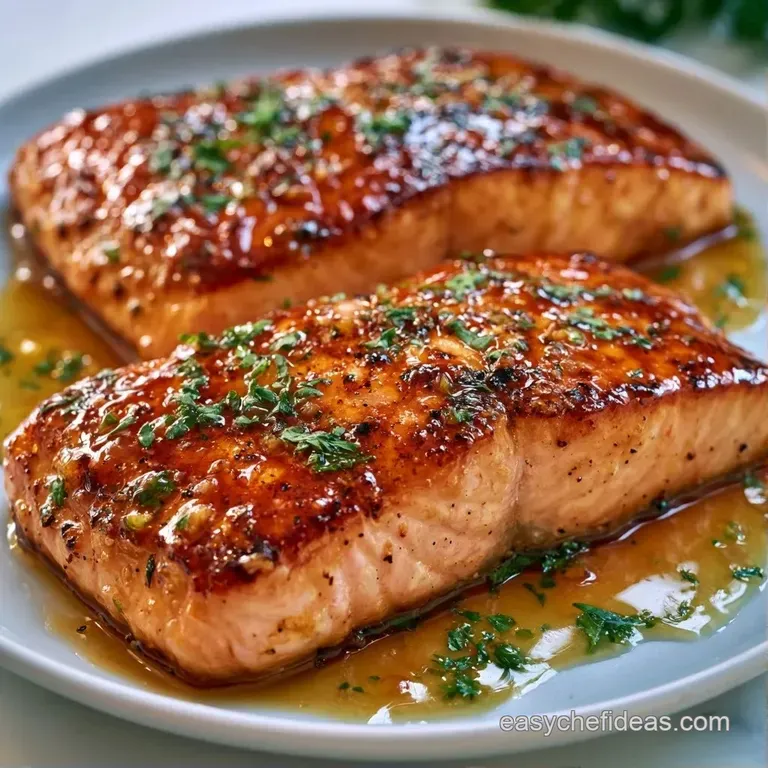
Let's crack on. Make sure your salmon is at room temperature for about 10 mins before you start so it cooks evenly.
- Whisk together the honey, soy sauce, lemon juice, olive oil, minced garlic, salt, and pepper. Note: Whisk until it's a smooth, glossy syrup with no honey clumps.
- Preheat your oven to 400°F (200°C) and line your baking sheet with parchment paper.
- Pat the salmon fillets completely dry using paper towels. Note: This is the most important step to prevent the "soggy" texture.
- Place the 6 oz fillets on the baking sheet.
- Brush the honey soy glaze generously over the top and sides of each piece.
- Bake for 8 to 12 minutes until the fish is opaque on the edges.
- Switch the oven to broil for the final 2 minutes. Watch closely until the glaze bubbles and turns a deep mahogany brown.
- Remove from the oven immediately when the internal temperature hits 135°F (57°C).
Chef's Note: If you want an even deeper crust, you can brush a second layer of glaze on the fish halfway through the baking process.
Fixing Common Salmon Mistakes
Even with a plan, things can go sideways. I've seen everything from "carbonized" honey to fish that sticks to the pan despite the parchment. Most of these issues come down to heat management.
Burnt Glaze Fix
If the honey is turning black instead of golden, your broiler is too hot or the fillets are too thin. Move the rack down one level to give the glaze more breathing room.
Sticking Issues
If the fish is sticking, you likely didn't use enough oil in the glaze or the parchment is too thin. Ensure you're using a high-quality parchment or a lightly oiled silicone mat.
Dry Protein
When the salmon feels chalky, it's overcooked. This often happens if you wait for the fish to "flake" with a fork, as that usually means it's already passed the 145°F mark.
| Problem | Root Cause | Solution |
|---|---|---|
| Glaze is too thin | Too much lemon juice | Add 1 extra tsp of honey |
| Fish is rubbery | Overcooked/too high heat | Pull at 135°F internal temp |
| No browning | Oven not preheated | Ensure 400°F before sliding in |
If you're in the mood for a different vibe, you might like my pan seared salmon guide for a crispier skin.
Common Mistakes Checklist:
- ✓ Didn't pat the salmon dry (causes steaming)
- ✓ Used a high sodium soy sauce (overpowers the honey)
- ✓ Left the broiler unattended (honey burns in seconds)
- ✓ Cooked frozen fillets without thawing (uneven cooking)
- ✓ Ignored the internal temperature (leads to dryness)
Swaps for Different Diets
Depending on who you're feeding, you might need to pivot. The beauty of this Simple Honey Glazed Salmon is that the base flavor profile is very flexible.
For a Low Sugar Option
Replace the honey with maple syrup for a different flavor, or use a monk fruit syrup if you're cutting sugar. Note that sugar-free syrups don't caramelize as well, so you'll need a longer broil time.
For a gluten-free Swap
Standard soy sauce contains wheat. Use Tamari or Coconut Aminos instead. These are nearly identical in saltiness and work perfectly with the honey.
For Honey Glazed Salmon Air Fryer Method
Set the air fryer to 380°F. Cook for about 7-10 minutes depending on thickness. Since the heat is more concentrated, check the internal temp every 2 minutes to avoid overcooking.
For a Spicy "Hot Honey" Twist
Add 1/2 tsp of red pepper flakes or a dash of Sriracha to the glaze. This creates a brilliant contrast with the sweetness and adds a little kick to the finish. For a thicker, saltier glaze, you can adapt this using my homemade teriyaki sauce method as a base.
Leftover and Fridge Logic
Salmon is one of those things that can go south quickly if not stored right. Once you've finished your meal, let the leftovers cool completely before sealing them.
Storage Guidelines: Store the fillets in an airtight glass container in the fridge for up to 3 days. I prefer glass because plastic can sometimes absorb that strong fish aroma, which isn't great for your other groceries.
Freezing: You can freeze cooked salmon for up to 2 months, but the texture will change. It becomes a bit more fragmented. I recommend using frozen cooked salmon in salmon cakes or pasta rather than eating it as a fillet.
Zero Waste Tips: Don't toss the leftover glaze in the bowl! If there's a bit left, simmer it in a small pan for 2 minutes until it thickens further, then drizzle it over some steamed bok choy or roasted carrots.
If you have salmon scraps, toss them into a fish chowder for a huge flavor boost.
Best Sides for Salmon
Since the Simple Honey Glazed Salmon is quite rich and sweet, you need sides that offer contrast. Think acidity, crunch, and freshness to balance out the mahogany glaze.
The Fresh Route: A crisp cucumber salad with rice vinegar and sesame seeds is a winner. The coolness of the cucumber cuts right through the honey.
The Hearty Route: Fluffy jasmine rice or quinoa is the classic choice because it soaks up the extra glaze from the plate. If you want something greener, roasted asparagus or a simple sauté of spinach with garlic works wonders.
The Decision Shortcut:
- If you want a light meal, do a bed of arugula with a lemon vinaigrette.
- If you're feeding kids, go with mashed potatoes and steamed peas.
- If you're hosting, serve with a wild rice pilaf and roasted broccoli.
Critical Sodium Level
1180 mg 1180 mg of sodium per serving (51% 51% of daily value)
The American Heart Association recommends a daily limit of 2,300mg, with an ideal limit of 1,500mg for most adults to reduce cardiovascular risk.
Tips to Reduce Sodium
-
Eliminate Added Salt-25%
Remove the 1/2 tsp of salt entirely; the soy sauce already provides enough salinity for the fillets.
-
Swap Soy Sauce-20%
Replace the low-sodium soy sauce with coconut aminos, which contains significantly less sodium while maintaining a similar flavor.
-
Increase Acidity-10%
Add an extra tablespoon of fresh lemon juice to brighten the flavors, which tricks the palate into needing less salt.
-
Boost Aromatics-10%
Increase the minced garlic or add fresh grated ginger to enhance the savory depth of the glaze.
-
Use Fresh Herbs
Garnish the salmon with fresh parsley or cilantro to add a burst of flavor without any added sodium.
Recipe FAQs
How do you make honey glazed salmon?
Whisk honey, soy sauce, lemon juice, olive oil, garlic, salt, and pepper into a glossy syrup. Brush the glaze over patted dry fillets and bake at 400°F for 8 to 12 minutes, finishing with a 2-minute broil.
Can I use just honey for a glaze?
No, honey alone is too sweet. The soy sauce and lemon juice are essential to provide the salty and acidic balance that prevents the dish from tasting like candy.
Is it true that salmon must be pan-fried to get a caramelized crust?
No, this is a common misconception. Baking at 400°F followed by a 2-minute broil creates a deep golden, bubbled glaze that rivals pan-frying without the oil splatter.
How do I cook this salmon for a low-sugar or diabetic diet?
Reduce or omit the honey from the glaze. While the texture will be thinner, the garlic, soy sauce, and lemon juice still provide a savory, flavor packed coating.
How do I know when the salmon is perfectly cooked?
Use a meat thermometer to check for an internal temperature of 135°F. This ensures the fish is medium rare and remains juicy rather than drying out.
Can I prepare the honey glaze in advance?
Yes, you can whisk the ingredients together hours ahead. Store the syrup in an airtight container in the refrigerator and stir well before brushing onto the fish.
What are the best side pairings for this dish?
Fresh steamed asparagus or quinoa pair perfectly. If you enjoyed the bright, citrusy balance here, see how we use a similar flavor profile in our wasabi butter sauce.
Simple Honey Glazed Salmon