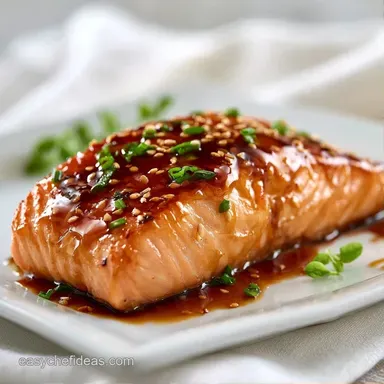
Honey Soy Salmon Glaze: Failure-Proof
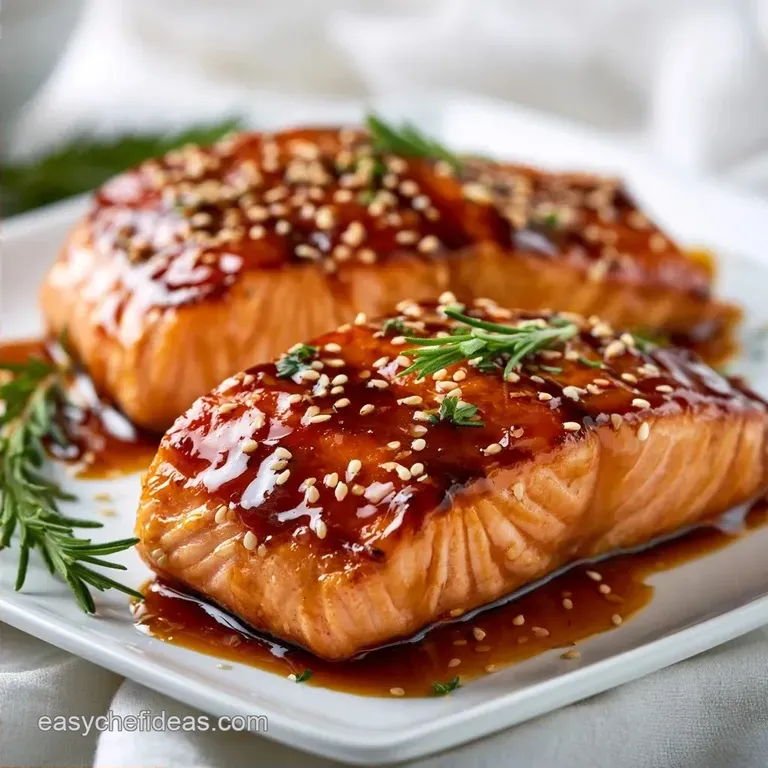
- Time: 10 min active + 15 min cook = Total 25 mins
- Flavor/Texture Hook: Velvety, sticky glaze with a shatter crisp exterior
- Perfect for: A high impact weeknight dinner that feels fancy
That first smell is what gets you - the sharp, pungent kick of fresh ginger hitting a hot pan, followed by the deep, toasted aroma of sesame oil. I remember the first time I tried a glaze like this; I just poured the sauce over the raw fish and shoved it in the oven. The result?
A watery mess where the sauce just slid off the fillet, leaving the fish steamed and sad.
I spent a few weekends experimenting with how to actually get that sticky, lacquer like finish. I realized the trick isn't in the oven, it's in the saucepan. Once I started simmering the honey and soy until they bubbled into a thick syrup, everything changed.
Now, when that glaze hits the heat during the final broil, it transforms into a rich, dark coating that clings to every flake of the salmon.
This Honey Soy Salmon Glaze is all about that tension between sweet and salty. It's not just a sauce; it's a coating that transforms the fish into something that looks like it came from a high end bistro.
We're aiming for a fillet that is opaque and tender on the inside, but has a glossy, caramelized top that almost snaps when you bite into it.
The Best Honey Soy Salmon Glaze
The beauty of this recipe is how it handles the sugars. Since honey burns quickly, we don't start with it on the fish. By cooking the salmon mostly through first and then adding the glaze at the very end, we avoid the common mistake of charred sauce and raw fish.
If you've ever struggled with salmon sticking to the pan, you're not alone. I used to fight with my cast iron every single time. Switching to parchment paper for the oven method changed my life, and using a high smoke point oil prevents that burnt plastic smell that sometimes happens with low quality fats.
For those who love variety, this flavor profile works wonders with other proteins. If you're looking for a different way to use these flavors, you might love my Easy Homemade Teriyaki Sauce for a more traditional take on the sweet and salty combo.
Why This Stickiness Works
Instead of a scientific lecture, let's just look at what's actually happening in the pan. It's all about concentration and heat.
- Water Evaporation: Simmering the sauce removes water, concentrating the sugars and soy, which makes the liquid thick enough to actually stick to the fish.
- Sugar Caramelization: When the glaze hits the broiler, the honey reaches a high temperature, turning the sauce from a syrup into a tacky, mahogany brown crust.
- Fat Binding: The sesame oil and the natural fats in the salmon act as a bridge, helping the water based soy sauce adhere to the protein surface.
- Acid Balance: The lemon juice breaks down the heaviness of the honey, ensuring the glaze tastes bright rather than just like candy.
Whether you use the oven or the air fryer, the goal is the same: get the internal temperature to about 125-130°F before the glaze goes on. According to guidelines from Serious Eats, cooking salmon to a medium rare or medium state keeps it from becoming chalky.
| Method | Time | Texture | Best For |
|---|---|---|---|
| Oven | 15 mins | Evenly cooked, tender | Large batches, families |
| Air Fryer | 12 mins | Slightly crispier edges | 1-2 people, speed |
| Stovetop | 10 mins | Heavy sear, flaky | Maximum crust, single fillets |
This comparison shows that while the flavor remains the same, the "feel" of the dish changes. I personally love the oven for dinner parties because I can fit four fillets on one tray without crowding them, which is key for getting that proper airflow.
Component Analysis
The ingredients here aren't just for flavor; they each have a job to do in the structure of the glaze.
| Ingredient | Science Role | Pro Secret |
|---|---|---|
| Honey | Thickener & Color | Use a mild clover honey to avoid overpowering the fish |
| Soy Sauce | Salt & Umami | Low sodium is key so the glaze doesn't taste like a salt lick |
| Lemon Juice | pH Balance | Freshly squeezed only; bottled juice lacks the bright enzymes |
| Fresh Ginger | Aromatic Base | Grate it finely so you don't get woody chunks in the sauce |
What You'll Need
Here is everything you need to get this on the table. Trust me, don't skip the sesame oil - it's the "secret" scent that makes this feel authentic.
- 1/3 cup honey Why this? Provides the sticky base and floral sweetness (Substitute: Maple syrup for a woodier taste)
- 1/4 cup low sodium soy sauce Why this? Deep saltiness and rich color (Substitute: Tamari for gluten-free)
- 1 tbsp fresh lemon juice Why this? Cuts through the fat of the salmon (Substitute: Rice vinegar)
- 1 tbsp fresh ginger, minced Why this? Adds a spicy, fresh zing (Substitute: 1/2 tsp ground ginger)
- 2 cloves garlic, minced Why this? Savory depth (Substitute: Garlic powder, but fresh is better)
- 1 tsp toasted sesame oil Why this? Nutty, roasted aroma (Substitute: Neutral oil + toasted sesame seeds)
- 1/2 tsp Sriracha Why this? Subtle heat to balance the honey (Substitute: Chili flakes)
- 4 salmon fillets (approx. 6 oz each) Why this? Center cut for even cooking (Substitute: Steelhead trout)
- 1 tbsp olive oil Why this? High smoke point for searing (Substitute: Avocado oil)
- 1/2 tsp sea salt Why this? Basic seasoning (Substitute: Kosher salt)
- 1/4 tsp cracked black pepper Why this? Subtle bite (Substitute: White pepper)
Essential Kitchen Gear
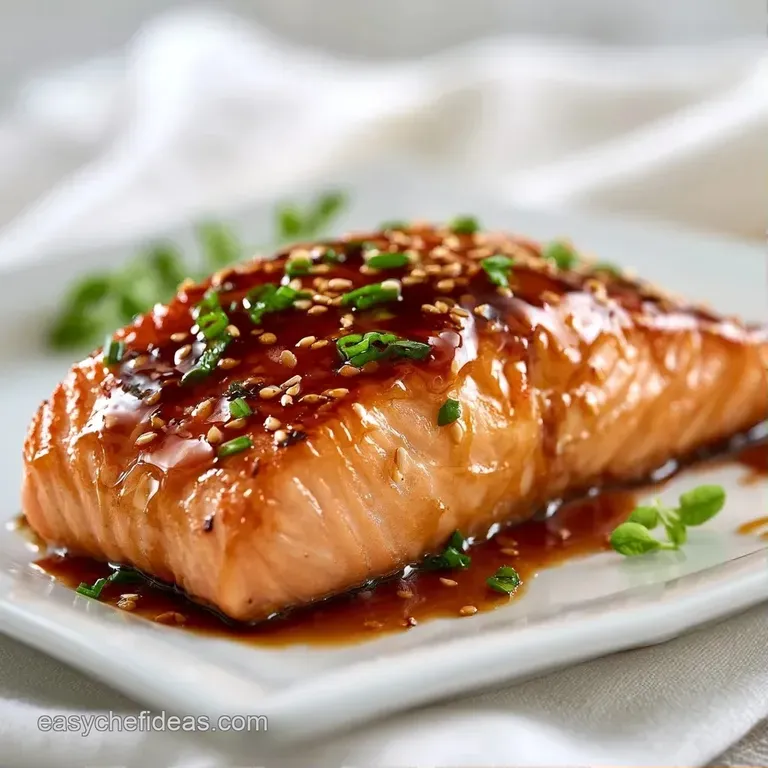
You don't need a professional kitchen for this, but a few specific tools make the process a lot smoother. I've found that using a silicone brush is a total lifesaver - it holds more glaze and doesn't drip everywhere like a metal brush does.
First, you'll need a small saucepan for the reduction. A heavy bottomed one is best so the honey doesn't scorch at the corners. Then, get a baking sheet lined with parchment paper. Seriously, don't skip the parchment; scrubbing burnt honey off a metal pan is a nightmare I wouldn't wish on anyone.
If you're using an air fryer, make sure you have a basket that allows airflow. If you're going the stovetop route, a non stick or well seasoned cast iron skillet is the way to go. For the fish prep, paper towels are your best friend - the drier the salmon, the better the oil and salt adhere.
From Prep to Plate
Let's get into the actual flow. Follow these steps, and pay attention to the smell and color cues.
Phase 1: The Glaze Reduction
- Combine honey, soy sauce, lemon juice, ginger, garlic, and sesame oil in a small saucepan.
- Whisk over medium heat until the mixture begins bubbling.
- Simmer for 3-5 minutes until the sauce thickens enough to coat the back of a spoon, then remove from heat. Note: If it's too thin, it will run off the fish.
Phase 2: Preparing the Fish
- Preheat oven to 400°F (200°C) or air fryer to 380°F (190°C).
- Pat the salmon fillets completely dry with paper towels. Note: Moisture on the surface creates steam, which prevents browning.
- Rub with olive oil and season lightly with salt and pepper.
Phase 3: The Initial Cook
- Place fillets on a parchment lined baking sheet or in an air fryer basket.
- Bake for 8-10 minutes (oven) or cook for 7-9 minutes (air fryer) until the fish is mostly opaque.
Phase 4: The Final Glaze & Broil
- Generously brush the reduced Honey Soy Salmon Glaze over the top of each fillet.
- Switch oven to Broil (High) or increase air fryer heat to 400°F (200°C).
- Return to heat for 2-3 minutes until the glaze bubbles and turns mahogany brown.
Chef's Tip: To get a truly mirror like finish, apply a second thin layer of glaze 60 seconds before you take the fish out of the oven. This adds a fresh "wet" look to the mahogany crust.
Common Mistakes & Troubleshooting
Even the best of us mess up a fillet now and then. Usually, it comes down to temperature or moisture. If your salmon is sticking to the pan, you probably didn't use enough oil or your pan wasn't hot enough. If the glaze tastes too salty, you might have used a regular soy sauce instead of low sodium.
| Issue | Solution |
|---|---|
| Why Your Salmon is Dry | Overcooking is the number one enemy. Salmon continues to cook for a few minutes after you take it out of the oven (carryover cooking). |
| Why Your Glaze is Runny | This happens when the reduction step is rushed. The sauce needs to reach a certain concentration of sugar to become a syrup. |
| Why the Glaze Burned | Honey has a low burn point. If you put the glaze on at the beginning of the cook, the sugars will carbonize and turn bitter before the fish is cooked through. Always glaze at the end. |
Quick Fix Checklist:
- ✓ Fillets are bone dry before oiling
- ✓ Sauce is reduced to a syrupy consistency
- ✓ Oven is fully preheated to 400°F
- ✓ Glaze is applied only in the final 3 minutes
- ✓ Salmon is removed while slightly underdone
Make It Your Own
Once you've nailed the basic Honey Soy Salmon Glaze, you can start playing with the flavor profile. I love adding a teaspoon of toasted sesame seeds at the very end for a little bit of crunch and visual appeal.
If you want a spicy kick, double the Sriracha or add a pinch of red pepper flakes to the reduction. For a nuttier depth, you can swap the olive oil for a bit of melted butter, which creates a richer, more velvety finish on the fish.
For those watching their carbs, you can substitute the honey with a monk fruit based syrup. It won't caramelize quite as deeply (you won't get that same mahogany color), but the flavor is surprisingly close. If you're serving this for a crowd, I recommend pairing it with some Roasted Brussels Sprouts to balance the sweetness of the glaze.
Keeping It Fresh
Salmon is a delicate protein, so you have to be careful with storage. I don't recommend freezing cooked salmon, as the texture becomes rubbery and the glaze can separate.
Fridge Storage: Store leftovers in an airtight container for up to 3 days. The glaze will thicken in the fridge, so you might need a tiny splash of water when reheating.
Reheating: Avoid the microwave if you can. It'll overcook the fish in seconds. Instead, put the fillet in a toaster oven at 250°F for about 5-8 minutes. This gently warms the fish without drying it out.
Zero Waste: Don't throw away the leftover glaze in the pan! Brush it onto some steamed bok choy or drizzle it over a bowl of jasmine rice. If you have salmon scraps or the edges of the fillets, toss them into a stir fry with some frozen peas and carrots.
Presentation Tips
To make this look like a restaurant dish, start with a clean white plate. Place a bed of fluffy rice or sautéed spinach in the center, then lean the salmon fillet against it at an angle.
Drizzle any remaining glaze from the saucepan in a thin line across the plate. Garnish with thinly sliced scallions (cut on a sharp bias for those professional looking diagonals) and a sprinkle of toasted sesame seeds.
A wedge of fresh lemon on the side isn't just for looks - a final squeeze of fresh juice right before eating wakes up all those deep, salty notes.
The contrast of the mahogany brown glaze against the bright green scallions and the pink center of the salmon makes this dish a visual winner every time. Trust me, your guests will be taking photos before they even pick up their forks.
Recipe FAQs
How to make honey and soy sauce for salmon?
Whisk honey, soy sauce, lemon juice, ginger, garlic, and sesame oil in a small saucepan over medium heat. Simmer for 3 5 minutes until the mixture thickens enough to coat the back of a spoon.
Can I use a different fish for this recipe?
Yes, any firm fleshed fish works well. If you enjoy this sweet savory balance, the same flavor logic is used in our sticky glossy glaze for other proteins.
How to avoid the salmon sticking to the skillet?
Pat the salmon fillets completely dry with paper towels and rub them with olive oil. Using a parchment lined baking sheet as described in the steps also prevents the glaze from bonding to the pan.
How to tell when the salmon is finished cooking?
Check that the flesh has become mostly opaque. Remove the fillets from the heat slightly before they are fully done to allow carryover cooking to finish the process without drying out the fish.
Is it true I should marinate the salmon overnight?
No, this is a common misconception. Long marinations in acidic ingredients like lemon juice can break down the fish proteins and make the texture mushy.
How to get a deep golden brown crust?
Brush the reduced glaze over the fillets and broil on high for 2 3 minutes. This quickly caramelizes the sugars in the honey to create a mahogany brown finish.
Why is my sauce watery instead of a glaze?
You likely didn't simmer the sauce long enough. Continue heating the mixture over medium heat until it reduces sufficiently to coat the back of a spoon.
Honey Soy Salmon Glaze