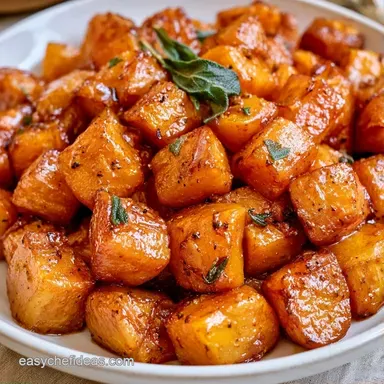
Recipe Using Butternut Squash: Maple-Roasted
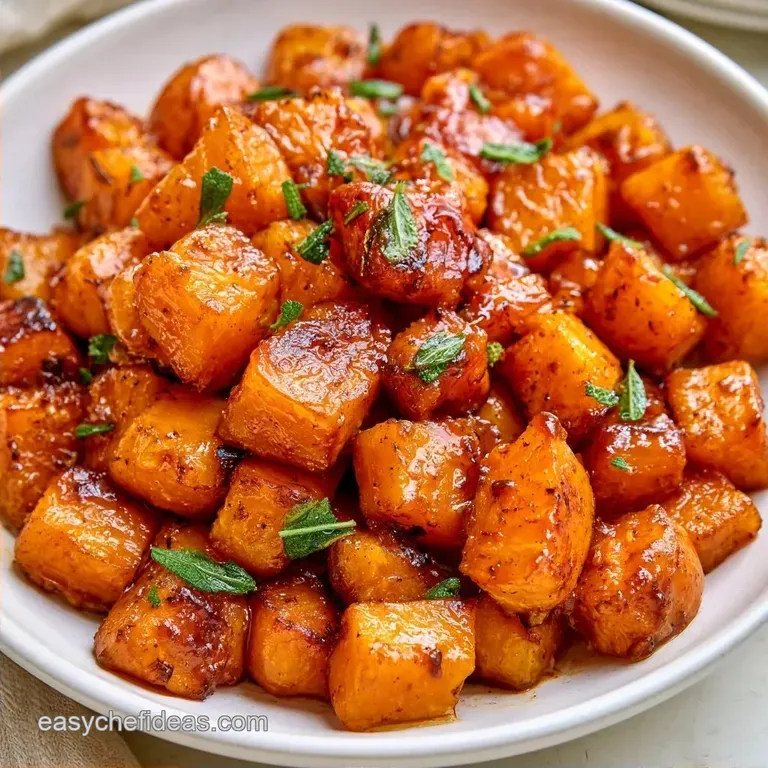
- Time: 15 min active + 30 min roasting
- Flavor/Texture Hook: Mahogany brown edges with a tender center
- Perfect for: Wholesome weeknight sides or holiday feasts
The smell of roasting sage and maple syrup hitting a hot oven is basically autumn in a pan. For many of us, squash is the center of harvest traditions, rooted in the indigenous crops of North America. It's the kind of food that reminds people of family gatherings and cold nights spent indoors.
I used to struggle with this, often ending up with a pan of pale, steamed cubes. I realized the issue wasn't the vegetable, but the moisture. Once I started patting the squash dry, everything changed.
This recipe using butternut squash focuses on high heat to get those charred, sweet edges. You'll get a side dish that feels special but takes very little effort. It's a great way to introduce more plant based comfort into your rotation.
Why the Roast Works
- Dry Surface: Removing water from the cubes prevents steaming, which lets the edges brown in 30 minutes.
- Maple Glaze: The sugars in the syrup caramelize quickly, creating a rich crust.
- High Temp: Using 200°C ensures the outside sears before the inside turns to mush.
| Method | Time | Texture | Best For |
|---|---|---|---|
| Oven Roast | 30 min | Charred edges, tender core | Large batches, deep flavor |
| Stovetop | 15 min | Softer, glazed finish | Quick sides, small portions |
Ingredient Deep Dive
| Component | Purpose | Substitute Notes |
|---|---|---|
| Butternut Squash | Base structure | Kabocha squash: Denser and sweeter |
| Maple Syrup | Caramelization | Honey: Thicker, floral notes |
| Fresh Sage | Earthy contrast | Fresh thyme: More citrusy/light |
| Garlic | Savory depth | Garlic powder: Less punchy, easier to mix |
Recipe Specs
The balance here is all about the ratio of oil to syrup. Too much syrup and the pan becomes a sticky mess. Too little, and you lose that mahogany color. I've found that 45ml of oil keeps the cubes from sticking while the 30ml of syrup provides just enough sugar to brown.
Since we're using 1 inch cubes, the heat penetrates the center at the same rate the outside caramelizes. If you cut them too small, they burn. Too large, and they stay raw in the middle. Stick to that 2.5cm mark for the best results.
Equipment Needed
A large rimmed baking sheet is essential for this recipe. Be careful not to crowd the cubes, or they will steam instead of searing. I recommend lining the pan with parchment paper to keep the maple syrup from sticking the squash to the metal.
Using a large mixing bowl allows you to toss the pieces without crushing them. If you have one, a silicone spatula is perfect for folding in the sage gently at the end.
How to Roast It
- Set your oven to 400°F (200°C) and cover a large rimmed baking sheet with parchment paper.
- Peel the butternut squash and dice it into uniform 1 inch (2.5cm) cubes.
- Use a paper towel to pat the squash cubes dry, removing any excess moisture. Note: This prevents steaming.
- Combine the olive oil, maple syrup, salt, pepper, and minced garlic in a large mixing bowl.
- Add the squash cubes to the bowl, stirring until each piece is well coated and glistening.
- Stir in the finely chopped fresh sage.
- Arrange the cubes in a single layer on the prepared pan, making sure they aren't touching.
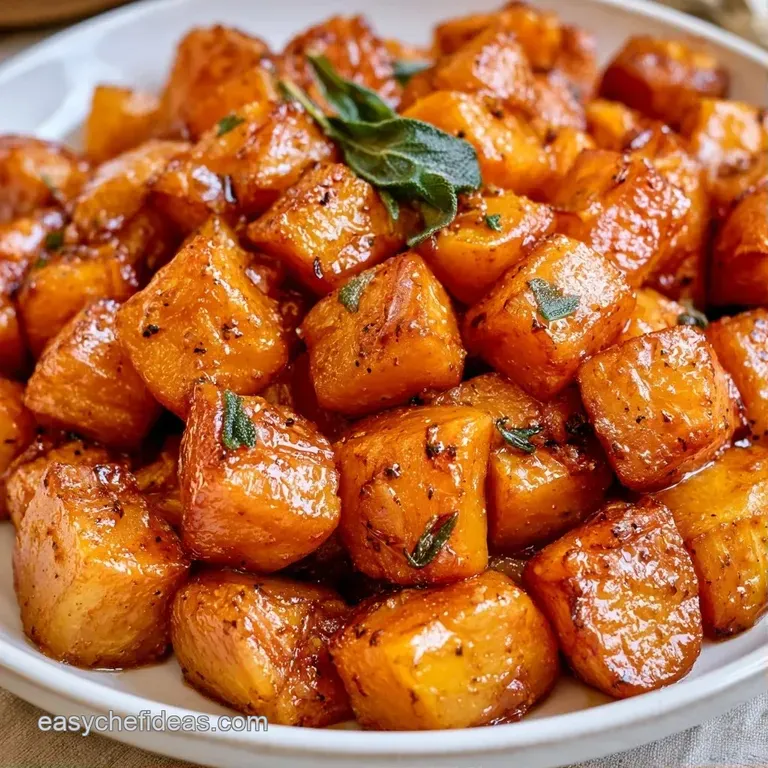
- Roast for 25-30 minutes, flipping the cubes once midway through, until edges are deep mahogany brown and centers are tender when pierced with a fork.
Troubleshooting Guide
Stopping the Mush
If your squash comes out soft and pale, you likely overcrowded the pan. When cubes touch, they release steam instead of searing. Use two sheets if you have to.
Avoiding Burnt Garlic
Garlic can turn bitter if it burns before the squash is done. Mincing it finely and whisking it into the oil helps protect the bits from direct heat.
Fixing Under browned Edges
If the timer goes off but the color is too light, turn on the broiler for 2-3 minutes. Just watch it closely, as maple syrup burns fast.
| Problem | Root Cause | Solution |
|---|---|---|
| Soggy Cubes | Too much moisture | Pat dry before oiling |
| Burnt Edges | Oven too hot/too much syrup | Check at 20 mins; reduce syrup |
| Uneven Cooking | Inconsistent cube size | Use a ruler or eye for 1 inch cuts |
Preservation Guidelines
Keep leftovers in a glass container in the fridge for 4 days. When you reheat them, use the oven or an air fryer at 180°C for 5 minutes. This brings back the crisp edges that a microwave usually kills.
For a zero waste approach, don't toss the squash seeds. Clean them, toss with a bit of salt and oil, and roast them at 160°C for 15 minutes. The peels can be simmered in a pot with onion and carrot to make a simple veggie stock.
How to Serve and Enjoy
This butternut squash recipe is fantastic as a standalone side. Try pairing it with fresh arugula and a sprinkle of crumbled feta or vegan almond ricotta; the peppery greens balance the sweetness of the maple perfectly.
To make it a heartier meal, mix these roasted cubes into a grain bowl with quinoa and roasted chickpeas. This adds a rich, savory depth that ties all the ingredients together. The variety of textures really elevates the dish and makes it feel complete.
Creative Twists and Swaps
To change the flavor profile, stir some cayenne pepper into the glaze. The spice offsets the sweetness of the maple syrup perfectly. For other quick ways to use butternut squash, puree these roasted pieces for a creamy pasta sauce to speed up your dinner.
If you prefer a heartier meal, use the roasted squash as a base for butternut squash lasagna rolls. Roasting first provides a concentrated flavor profile that raw squash simply lacks.
| Goal | Adjustment | Result |
|---|---|---|
| For a spicier kick | Add 1/4 tsp cayenne | Balanced heat and sweet |
| For a nuttier taste | Add toasted pecans | Extra crunch |
| For a tangier finish | Squeeze lime at end | Brightens the heavy maple |
Adjusting Batch Sizes
If you are reducing the portion for a single person, a smaller toaster oven tray works best. Cut the roasting time by 20% because the smaller volume cooks faster.
For a large crowd (4x), don't multiply the salt and pepper by four. Instead, increase the spices by 1.5x and the syrup and oil by 2x. To avoid overcrowding the pans, roast in several batches.
Using a Different Method
If you don't want to use the oven, the stovetop is an option. Sauté the cubes in oil for 8 minutes, then stir in the sage and maple syrup. Put a lid on the pan for 5 minutes to ensure the centers are tender, then uncover and sear for a final 5 minutes.
It is a quicker method, although you'll miss out on that deep oven char.
Final Thoughts on Squash
Success with this butternut squash preparation depends on patience during the prep and maintaining high heat in the oven. Once you master the "pat dry" technique, you can apply it to almost any roasted root vegetable. It's an effortless way to make plant based meals feel rich and satisfying. Now, let's get roasting.
Recipe FAQs
How to get the squash extra crispy?
Pat the cubes dry with a paper towel before roasting. This removes excess moisture and ensures a deep mahogany brown finish.
What dessert options use butternut squash?
Blend roasted squash into a puree for cakes or pies. If you enjoyed the sweetness of maple syrup here, the same flavor profile works well in a moist nut loaf.
Is it true that butternut squash must be boiled before roasting?
Not true. Roasting raw cubes at 400°F creates a much better caramelized exterior.
Can these be used for soup?
Blend the roasted cubes with a splash of water. It transforms the roasted flavor into a rich, creamy base.
Why are my cubes mushy instead of browned?
Avoid crowding the baking sheet. Ensure no two pieces are touching so the hot air can circulate.
Which dinner pairings work best?
Serve these as a side to roast chicken or pork. The sage and maple syrup complement savory proteins perfectly.
Do I need to peel the squash?
Peel the skin off before cutting the squash into 1 inch cubes. The skin remains too tough to eat even after roasting.
When are the cubes fully cooked?
Remove them from the oven after 25-30 minutes. They are ready when the edges are brown and the centers are tender when pierced with a fork.
Maple Roasted Butternut Squash