Butternut Squash Pasta Sauce: Failure-Proof
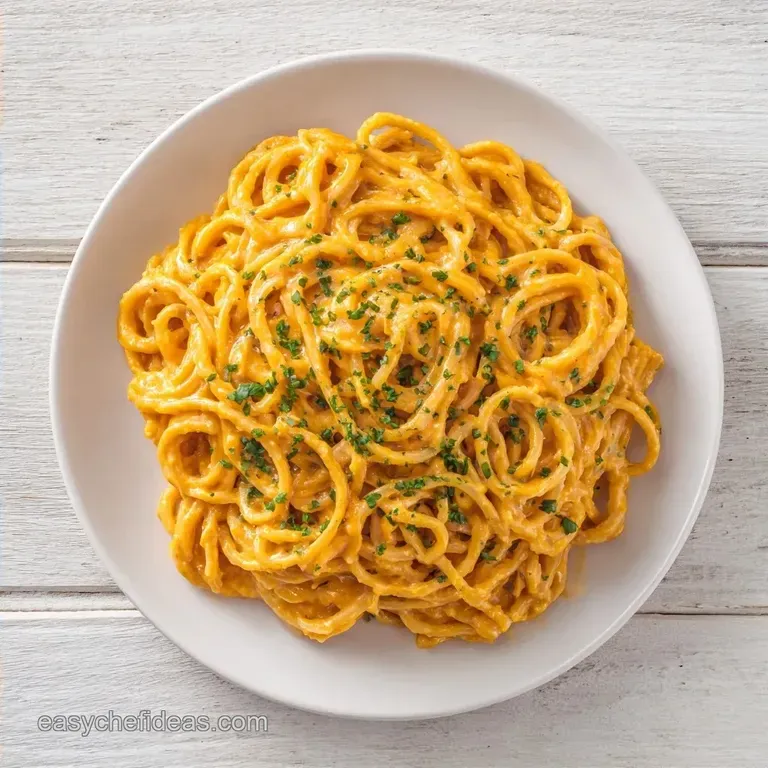
- Time: 20 min active + 30 min roasting
- Flavor/Texture Hook: Velvety smooth with a nutty, browned butter finish
- Perfect for: A cozy weeknight dinner or a seasonal gathering
- Butternut Squash Pasta Sauce
- Why This Sauce Actually Works
- Roasting Versus Simmering
- Breakdown of Key Components
- The Full Shopping List
- Steps to Make It
- Fixing Common Sauce Issues
- Troubleshooting Common Issues
- Swaps and Flavor Twists
- Adjusting the Batch Size
- Busting Common Squash Myths
- Storage and Waste Tips
- Plating for Maximum Impact
- Recipe FAQs
- 📝 Recipe Card
The smell of roasting squash and garlic hitting the oven is enough to make any house feel like a home. I remember one rainy Tuesday in November when I was craving something that felt like a warm hug in a bowl.
I had a massive butternut squash sitting on my counter for three days, and I was honestly dreading the peeling process. I’d always boiled my squash in the past, but the result was usually a bit bland and watery.
That was the day I decided to toss everything on a single sheet pan and crank the heat. When the edges of the squash finally turned that deep mahogany color, the aroma shifted from "vegetable" to "caramelized gold." It changed how I look at autumn produce entirely.
You can expect a sauce that is rich and comforting, but with a brightness from lemon that keeps it from feeling too heavy. This Butternut Squash Pasta Sauce is all about maximizing flavor with minimal effort, using a blender to do the heavy lifting so you can spend more time relaxing and less time stirring a pot.
Butternut Squash Pasta Sauce
Right then, let's get into how to actually make this happen. The secret here isn't some fancy technique, but rather the patience to let the vegetables roast properly. If you rush the oven stage, you miss out on the depth of flavor that makes this dish special.
I've found that the balance of nutmeg and sage is what really pushes this over the edge. It's a classic pairing for a reason. While the sauce itself is creamy and sweet, the sage adds a savory, earthy note that grounds everything.
It's the kind of meal that makes your kitchen smell like a professional bistro without you having to do much work.
If you're cooking for kids or someone picky about "chunks" in their food, this is a win. Because we blend everything on high, the texture becomes silky and uniform. It's a great way to pack in several servings of vegetables without anyone complaining about the greens.
Why This Sauce Actually Works
I've always been curious about why some veggie sauces taste like baby food while others taste like a restaurant dish. It usually comes down to how the sugars are handled and how the sauce clings to the pasta.
Sugar Browning: Roasting at 400°F triggers a process where the natural sugars in the squash and onions brown. This creates a complex, nutty flavor that boiling simply cannot replicate.
Starch Binding: By adding a splash of reserved pasta water at the end, you create an emulsion. The starch in the water acts as a bridge between the fat in the cream and the vegetable puree.
Acid Balance: The lemon juice isn't just for a hint of citrus. It cuts through the richness of the butter and Parmesan, brightening the overall profile so the sauce doesn't taste "flat."
Aromatic Infusion: Sautéing the sage in butter separately allows the essential oils in the leaves to release. This ensures the sage flavor is distributed evenly throughout the sauce rather than just having raw leaves floating on top.
Roasting Versus Simmering
Depending on how much time you have, you might wonder if you can just simmer the squash in a pot. While that works, the results are very different. I've tested both, and here is the honest breakdown.
| Method | Prep Time | Final Texture | Best For |
|---|---|---|---|
| oven roasted | 20 mins | Thick & Concentrated | Maximum flavor, depth |
| Stovetop Simmer | 15 mins | Lighter & Waterier | Quick meals, milder taste |
| Slow Cooker | 10 mins | Very Soft & Uniform | Set it and forget it days |
As you can see, the oven method takes a bit more effort in the setup, but the concentration of flavor is worth the extra few minutes of roasting.
Breakdown of Key Components
Not every ingredient in this recipe is just for bulk. Each one plays a specific role in the final texture and taste of the sauce.
| Ingredient | Science Role | Pro Secret |
|---|---|---|
| Butternut Squash | Base Structure | Use a smaller squash for more concentrated sweetness |
| Heavy Cream | Fat Emulsion | Room temperature cream blends smoother |
| Lemon Juice | pH Balance | Add it last to keep the brightness fresh |
| Parmesan | Umami Depth | Freshly grated melts better than the canned stuff |
The Full Shopping List
Here is everything you'll need. I recommend getting a pre cut bag of squash if you're short on time, though cutting it yourself is often cheaper.
- 3 lbs butternut squash, cubed Why this? Provides the creamy base and natural sweetness
- 6 oz yellow onion, quartered Why this? Adds a savory backbone to the sweetness
- 4 cloves garlic, peeled Why this? Roasted garlic becomes mellow and sweet
- 2 tbsp extra virgin olive oil Why this? High smoke point for roasting
- 1 tsp kosher salt Why this? Enhances all natural flavors
- 1/2 tsp black pepper Why this? Adds a subtle heat
- 1/2 cup vegetable broth Why this? Adjusts consistency without adding more fat
- 1/2 cup heavy cream Why this? Creates the velvety mouthfeel
- 1/2 cup grated Parmesan cheese Why this? Adds saltiness and umami
- 1 tbsp lemon juice Why this? Brightens the heavy flavors
- 1/4 tsp ground nutmeg Why this? Essential warm spice for autumn vibes
- 8 fresh sage leaves, finely chopped Why this? Earthy contrast to the sweet squash
- 2 tbsp unsalted butter Why this? Carries the sage aroma
Smart Swaps
| Original Ingredient | Substitute | Why It Works |
|---|---|---|
| Heavy Cream (1/2 cup) | Full fat Coconut Milk (1/2 cup) | Similar fat content. Note: Adds a slight coconut flavor best for a vegan version |
| Parmesan (1/2 cup) | Nutritional Yeast (1/3 cup) | Provides a similar nutty, cheesy flavor. Note: Less salty than cheese |
| Vegetable Broth | Unsalted Chicken Broth | More depth of flavor. Note: Not suitable for vegetarians |
| Fresh Sage | Dried Sage (1 tsp) | Similar flavor profile. Note: Less aromatic than fresh leaves |
Steps to Make It
Let's crack on with the cooking. Make sure your pasta is boiling in a separate pot just as you finish the sauce so everything is hot when it hits the plate.
- Preheat your oven to 400°F (200°C). Toss the cubed squash, quartered onion, and garlic cloves on a baking sheet with olive oil, salt, and pepper. Note: Use a large sheet so the veggies aren't crowded.
- Spread them in a single layer and roast for 25–30 minutes, tossing halfway through, until the edges are mahogany colored and tender.
- Transfer the roasted vegetables into a blender. Note: Be careful, the veggies will be steaming hot.
- Add the vegetable broth, cream, Parmesan, lemon juice, and nutmeg to the blender.
- Blend on high for 60 seconds until the mixture is completely smooth and velvety.
- Sauté the chopped sage in butter over medium heat until fragrant and slightly crisp.
- Pour the blended Butternut Squash Pasta Sauce into a large pan over low heat.
- Stir in the sage butter.
- Add cooked pasta and a splash of reserved pasta water to emulsify. Note: Stir gently so you don't break the noodles.
Fixing Common Sauce Issues
Even the best recipes can go sideways if the heat is too high or the measurements are off. Here is how to handle the most common hiccups.
Troubleshooting Common Issues
| Issue | Solution |
|---|---|
| Why Your Sauce Is Too Thick | If you used a very dry squash or roasted it for too long, the sauce might feel more like a paste than a cream. This is an easy fix. |
| Why Your Sauce Tastes Bland | Sometimes the natural sweetness of the squash can overwhelm the other flavors. If it tastes "flat," you likely need more acid or salt. |
| Why Your Sauce Is Grainy | Graininess usually happens if the blender didn't run long enough or if the cheese clumped. If you see little bits, just blend for another 30 seconds. |
Success Checklist
- ✓ Roast squash until dark brown, not just soft.
- ✓ Use the blender for a full 60 seconds.
- ✓ Save 1/2 cup of pasta water before draining.
- ✓ Keep the sauce on low heat to prevent splitting.
- ✓ Taste and adjust lemon juice at the very end.
Swaps and Flavor Twists
Depending on who you're feeding, you can tweak this Butternut Squash Pasta Sauce to fit different diets. I love making a vegan version for my friends who avoid dairy. Simply swap the cream for coconut milk and the Parmesan for nutritional yeast. It stays just as creamy, but with a slightly nuttier finish.
For those wanting a bit more protein, I suggest adding sautéed Italian sausage or crispy chickpeas. If you're looking for another way to use seasonal squash, you might enjoy my butternut squash lasagna rolls for a more structured meal.
If you're making this for a baby, omit the salt and the nutmeg. Keep the roasted squash, a bit of breast milk or formula instead of cream, and a tiny bit of steamed sage. It's a wholesome, veggie filled way to introduce new flavors.
Adjusting for Different Pasta
- Rigatoni or Penne: These are the best for this sauce because the ridges and holes trap the thick cream.
- Fettuccine: Great for a more elegant feel, but ensure you use extra pasta water so it doesn't get dry.
- gluten-free Pasta: Be careful not to overcook the noodles, as they can fall apart when tossed with a heavy sauce.
Adjusting the Batch Size
If you're cooking for just yourself or a crowd of twelve, you'll need to adjust the ratios. This recipe makes about 5 cups, which is usually plenty for a family of four.
Scaling Down (Half Batch): Use 1.5 lbs of squash and 2 cloves of garlic. Since there is less volume in the oven, check the squash at 20 minutes. You'll likely find it browns faster because there is more air circulation on the pan.
For the cream and broth, use exactly half, but keep the lemon juice almost the same (about 2 teaspoons) to maintain the brightness.
Scaling Up (Double Batch): When doubling, don't just double the salt and nutmeg start with 1.5x and taste as you go. Too much nutmeg can make the sauce taste soapy. I recommend roasting the vegetables on two separate sheet pans.
If you crowd one pan, the squash will steam instead of roast, and you'll lose those mahogany edges. Lower the oven temperature by 25°F and extend the roasting time by 5-10 minutes to ensure everything cooks evenly.
Busting Common Squash Myths
There are a few things people believe about squash that just aren't true. Let's set the record straight.
Myth: Boiling is the best way to soften squash. Actually, boiling adds a lot of excess water and washes away the flavor. Roasting concentrates the sugars and gives you a much richer base for your sauce.
Myth: You need a professional immersion blender for a smooth sauce. Not at all. A standard countertop blender works perfectly. The key is just running it for a full minute to ensure all the fibers are broken down.
Myth: All butternut squash tastes the same. Different varieties can vary in sweetness. "Long" butternut squash tends to be a bit more watery, while the bell shaped ones are usually denser and sweeter.
Storage and Waste Tips
Don't let the leftovers go to waste. This sauce keeps surprisingly well in the fridge for about 4 days. Store it in an airtight glass jar. When you're ready to reheat, do it over low heat on the stove and add a teaspoon of water or milk to loosen it back up.
For freezing, this sauce is a dream. I often make a double batch and freeze half for January. Put it in freezer safe bags or containers for up to 3 months. Thaw it in the fridge overnight before reheating.
As for zero waste, don't throw away the squash seeds! Clean them, toss them with a bit of the olive oil and salt from the recipe, and roast them at 350°F for 15 minutes. They make a great crunchy topping for the pasta. If you have leftover squash peels, you can toss them into a veggie stock pot. This is similar to how I handle the veggie scraps for my Eggplant Ragu, keeping everything in the kitchen useful.
Plating for Maximum Impact
Since the sauce is a beautiful, warm orange, you want colors that pop against it. I like to use a wide, shallow bowl to let the pasta spread out.
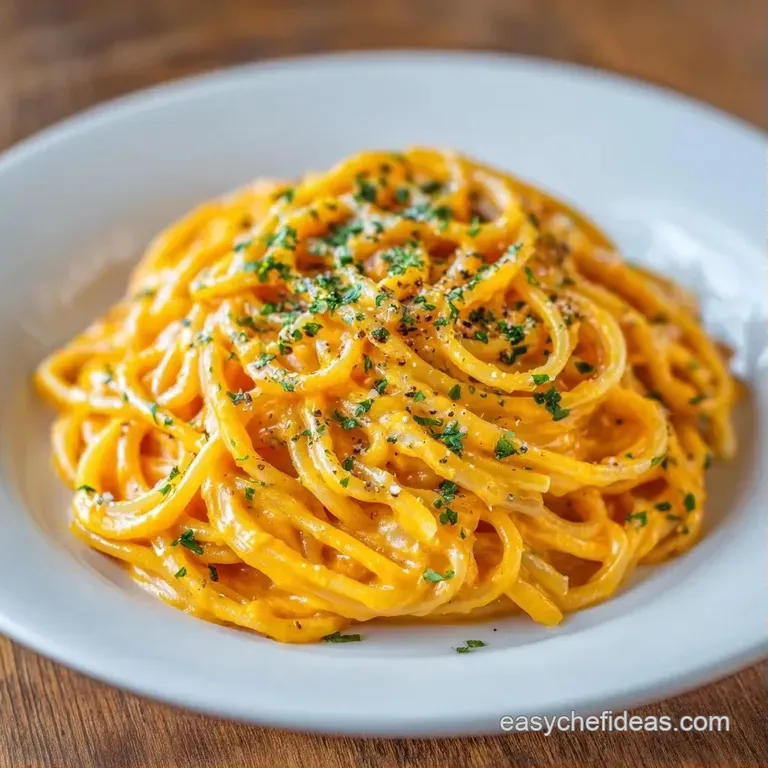
Start by swirling the pasta into the center of the bowl. Spoon a generous amount of the Butternut Squash Pasta Sauce over the top, allowing it to drip down the sides. Top the dish with a few of those reserved crispy sage leaves and a sprinkle of fresh Parmesan.
If you have some toasted walnuts or pumpkin seeds, add a handful on top. The crunch provides a great contrast to the velvety sauce. A final crack of fresh black pepper adds a bit of visual contrast and a sharp hit of flavor right at the start. Serve it immediately while the sage butter is still shimmering.
Recipe FAQs
How to turn butternut squash into pasta sauce?
Roast cubed squash, onion, and garlic at 400°F for 30 minutes. Blend the roasted vegetables with vegetable broth, cream, Parmesan, lemon juice, and nutmeg until smooth, then stir in sage butter.
Is it true that butternut squash must be boiled to make a smooth sauce?
No, this is a common misconception. Roasting the vegetables at 400°F creates a deeper mahogany color and concentrated flavor that boiling cannot achieve.
How to fix a butternut squash sauce that tastes bland?
Add more salt or lemon juice. The natural sweetness of the squash can sometimes overwhelm other flavors, and a bit of extra acid balances the profile.
What to do if the sauce is too thick or paste like?
Stir in a splash of reserved pasta water. This thins the consistency while helping the sauce emulsify and cling to the noodles.
Which pasta sauce is best for high cholesterol?
Choose vegetable based sauces like this butternut squash recipe. To further optimize for heart health, you can reduce the amount of heavy cream and Parmesan used.
How to adapt this sauce for a baby or toddler?
Blend the roasted squash and onion without salt or nutmeg. This creates a naturally sweet, nutrient dense puree that is gentle on young digestive systems.
How to achieve a velvety texture if the sauce remains grainy?
Blend the mixture on high for another 30 seconds. Graininess usually happens if the cheese clumped; if you enjoyed mastering the emulsion here, the same creamy principle applies to our creamy baked mac.
Butternut Squash Pasta Sauce: Creamy