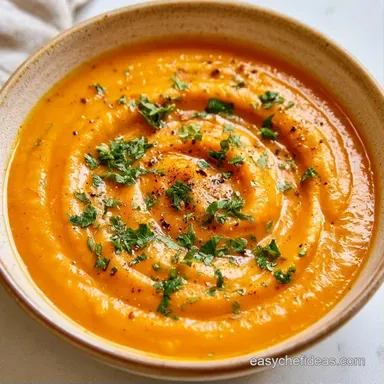
Roasted Soupe Butternut Squash

- Time: 10 min active + 45 min cooking
- Flavor/Texture Hook: Caramelized, mahogany toned, and silky
- Perfect for: budget-friendly autumn dinners or meal prep
Have you noticed that restaurant soups often have a richer depth than homemade versions? Many of us simply boil all the ingredients together, which can strip away the natural sugars. I made that mistake for years until I discovered how a quick roast completely transforms the flavor profile.
The secret here is getting a proper sear on the squash first. This step elevates a basic vegetable into something substantial and hearty, and because it relies on common pantry staples, it's very affordable. You get a Soupe Butternut Squash that tastes gourmet while staying within a strict weekly budget.
The result is a vibrant, deep-orange bowl with a bright, citrusy lift from a touch of lemon. Your entire home will smell like the essence of autumn within twenty minutes of beginning.
Soupe Butternut Squash
Caramelization: Oven-roasting the squash at 400°F (200°C) browns the edges, adding a rich complexity that boiling cannot match. If you prefer the roasted cubes without the soup, this Roasted Butternut Squash Cubes recipe makes an excellent side.
Aromatic Base: Sautéing onion and ginger in butter establishes a savory foundation. This keeps the soup from tasting like simple sweetened vegetables.
Acid Balance: Finishing the dish with lemon juice offsets the richness of the cream. This brightens the flavors and keeps the soup from feeling too heavy.
Gathering Your Essentials
I like to keep this list short to save money. You can often find butternut squash on sale during October and November, which is the best time to stock up.
| Component | Purpose | Substitute Notes |
|---|---|---|
| Butternut Squash | Main body and sweetness | Pumpkin or Kabocha squash work well |
| Chicken Broth | Savory liquid base | Veggie broth for a plant based version |
| Heavy Cream | Adds richness and body | Coconut milk or cashew cream |
| Ground Ginger | Adds a warm, spicy note | Fresh grated ginger (use 1 tbsp) |
Full Ingredients List:
- 2 lbs butternut squash, peeled and cubedWhy this? It has the most consistent sweetness.
- 2 tbsp extra virgin olive oil
- 1 tsp kosher salt
- ½ tsp cracked black pepper
- 2 tbsp unsalted butterWhy this? Adds a nutty richness to the onions.
- 1 medium yellow onion, diced
- 3 cloves garlic, minced
- 1 tsp ground ginger
- 4 cups low sodium chicken broth
- ½ cup heavy cream
- 1 tbsp lemon juiceWhy this? Balances the natural sugars.
Smart Substitutions:
| Original Ingredient | Substitute | Why It Works |
|---|---|---|
| Heavy Cream (½ cup) | Full fat Coconut Milk (½ cup) | Similar fat content. Note: Adds a tropical hint |
| Chicken Broth (4 cups) | Vegetable Broth (4 cups) | Maintains salt and savory profile. Note: Makes it veggie friendly |
| Unsalted Butter (2 tbsp) | Olive Oil (2 tbsp) | Provides the necessary fat for sautéing. Note: Less richness |
Quick Guide to Numbers
I've found that precision with the roast is what makes this work. If you under roast, you lose the depth. If you over roast, it gets bitter.
- Prep time: 10 minutes
- Cook time: 45 minutes
- Total time: 55 minutes
- Yield: 6 servings
- Roast Temp: 400°F (200°C)
- Simmer Time: 10 minutes
Tools You'll Actually Use
Standard kitchen tools are all you need to get this done. Just gather a few essentials:
- Large rimmed baking sheet: Necessary for roasting. Ensure the squash isn't too crowded, or it will steam rather than brown.
- Dutch oven or large pot: I suggest a heavy-bottomed pot to prevent the butter from scorching.
- Immersion blender: The quickest way to get a silky texture. A standard blender also works, but you will need to process the soup in batches.
- Sharp chef's knife: Peeling and cubing the squash is the most difficult part of the prep.
Step-by-step Instructions

Now, let's start the cooking process. Watch the color of the vegetables in the oven, as this is your primary cue for doneness.
- On a large rimmed baking sheet, toss the cubed squash with salt, pepper, and olive oil. Spread the pieces in a single layer to prevent steaming.
- Bake at 400°F (200°C) for 25–30 minutes, flipping halfway through until the edges are mahogany colored and tender.
- In a Dutch oven, melt butter over medium heat and sauté the diced onion until translucent (about 5 minutes).
- Stir in the ground ginger and minced garlic, cooking for 60 seconds until the aroma is pungent and nutty.
- Incorporate the roasted squash and chicken broth into the pot.
- Simmer the mixture gently for 10 minutes to let the flavors blend.
- Remove the pot from the heat and use an immersion blender to process until completely smooth.
- Mix in the lemon juice and heavy cream to brighten the richness and balance the sweetness of the Soupe Butternut Squash.
Chef's Note: If you have an extra five minutes, toast some pumpkin seeds in a dry pan until they pop. Toss them on top of the bowl for a bit of crunch.
Fixing Common Soup Issues
Mistakes can happen even when following a basic guide. Here is how to troubleshoot common problems.
Fixing a Thick Texture
Since water content in squash varies, your Soupe Butternut Squash might end up with a puree-like consistency. If it is too thick, whisk in extra broth a quarter cup at a time until it reaches a pourable consistency.
Balancing Over Sweetness
Depending on the squash, some batches are naturally sweeter than others. If the soup tastes too sugary, stir in an additional teaspoon of lemon juice or a pinch more salt to cut through the sweetness.
Avoiding a Grainy Feel
Tiny fragments of onion or garlic usually indicate the aromatics weren't sautéed long enough. To fix this, continue using your immersion blender for another minute or pour the soup through a fine mesh sieve.
Storage and Scrap Tips
Make sure to save any extra soup. The flavor deepens overnight as the ginger and garlic have more time to blend.
Keep the soup in a glass container in the refrigerator for 3 to 4 days. Reheat it gently on the stove over medium-low heat. If it has thickened while chilling, stir in a bit of water or broth to reach your desired consistency.
For long-term storage, use freezer-safe bags or containers. The soup remains good for up to 3 months. For the best texture, freeze the soup before stirring in the cream, then add the cream during the reheating process.
Don't throw away the squash seeds or peels. You can roast the seeds for a tasty snack, similar to pumpkin seeds. Place the peels in a freezer bag with other vegetable scraps, which you can later boil down into a simple vegetable stock.
Pairing Idea Guide
To balance the richness of the soup, pair it with sides that offer a bit of zest or a contrasting crunch.
Toasted sourdough is a timeless accompaniment. For an extra layer of taste, I recommend rubbing a fresh garlic clove over the warm bread. Alternatively, a crisp arugula salad tossed in a tangy vinaigrette helps cut through the creaminess.
To make this a more substantial dinner, consider topping it with grilled shrimp or a drizzle of pesto. These simple additions keep costs down while giving the plate a sophisticated, bistro-style appearance.
| Goal | What to change |
|---|---|
| Thicker body | Use less broth |
| Tarter flavor | Add extra lemon |
| Spicier kick | Increase ginger |
Dietary Adaptations
You can easily tweak this Soupe Butternut Squash to fit different diets without losing the heart of the recipe.
For a dairy-free or vegan version, skip the butter and cream. Use olive oil for the sauté and swap the heavy cream for full fat coconut milk. For a dairy-free version, try my Soup with Coconut Milk recipe which hits those same creamy notes.
If you want an Indian inspired twist, swap the ginger for a tablespoon of curry powder and add a pinch of cinnamon. This works beautifully with the sweetness of the squash. For a low carb version, simply omit the onion and use a bit more garlic and celery for the aromatic base.
Debunking Common Myths
Myth: Boiling squash is faster and just as good. Truth: Boiling leaches the flavor into the water. Roasting concentrates the sugars, giving the soup a deeper, more complex taste.
Myth: You must use a cream based base for thickness. Truth: Butternut squash is naturally starchy. Once blended, it creates a thick, texture on its own. The cream is for richness, not for structure.
I've made a lot of mistakes with winter squashes over the years, but roasting is the one trick that actually works every time. Give this Soupe Butternut Squash a go this week, and let me know if the lemon juice makes that difference for you. It's a simple, budget-friendly way to bring some comfort to your table.
High in Sodium
840 mg 840 mg of sodium per serving (37% 37% of daily value)
The American Heart Association recommends a daily sodium limit of no more than 2,300 mg for most adults to maintain heart health.
Tips to Reduce Sodium
-
Swap the Broth-30%
Replace the low-sodium chicken broth with homemade salt-free broth or water infused with celery and carrots.
-
Reduce Added Salt-25%
Reduce the kosher salt by half or omit it entirely, relying on the natural sweetness of the butternut squash.
-
Increase Acidity-10%
Add an extra splash of lemon juice; the acidity brightens the flavor and tricks the palate into needing less salt.
-
Boost with Aromatics
Add fresh thyme, sage, or smoked paprika to create a complex flavor profile without adding any sodium.
Recipe FAQs
How to prepare the best butternut squash soup?
Roast the cubed squash at 400°F (200°C) for 25–30 minutes. This ensures the edges become mahogany-colored and tender, which provides a deeper flavor than boiling.
Which core ingredients define this recipe?
Butternut squash, chicken broth, and heavy cream. These three elements create the essential balance of earthy sweetness, savory depth, and a velvety smooth texture.
What additions create the best flavor mix?
Sautéed onion, garlic, and ground ginger. Cooking these aromatics in butter before adding the squash builds a nutty, pungent base that complements the sweetness of the vegetable.
Why include lemon juice in a creamy soup?
It balances the richness of the cream. A small amount of acidity brightens the overall profile and prevents the squash from tasting overly heavy.
Is it true that boiling the squash is the best way to get a rich taste?
No, and here's why. Boiling often dilutes the natural sugars, while roasting concentrates them to create a more complex, caramelized flavor.
Could this serve as a complete fall meal?
Yes, when paired with crusty bread or a protein. If you enjoy the caramelization technique used here, see how the same principle works in this cheesy squash casserole.
What is the most effective way to cook the squash?
Spread the cubes in a single layer on a rimmed baking sheet. This prevents the squash from steaming and allows the dry heat to brown the edges perfectly.
Roasted Soupe Butternut Squash