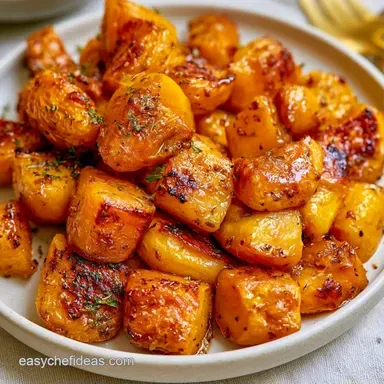
Golden Curry Roasted Butternut Squash
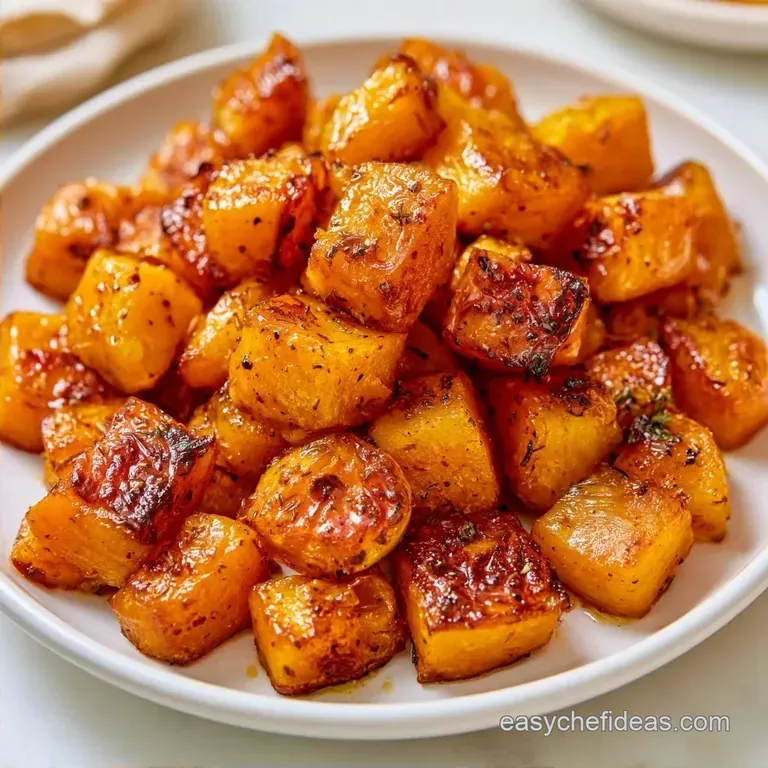
- Time: 15 min active + 30 min roasting
- Flavor/Texture Hook: Savory, spiced crust with a creamy, tender core
- Perfect for: Healthy weekday meals or batch cooking
Nothing whets the appetite quite like the aromatic punch of curry powder sizzling in hot oil. I once believed that pre-steaming or boiling butternut squash was necessary to ensure it softened in the oven, but that is a pointless step that only leads to a soggy result.
Skip the pre-cook entirely. The intense oven heat handles everything, caramelizing the sugars into a crisp crust while maintaining a tender interior.
This Curry Roasted Butternut Squash is all about harmony. The warmth of turmeric and ginger complements the squash's innate sweetness, while the chickpeas provide a satisfying, nutty crunch. It's a hearty, vegetable forward comfort meal that satisfies without feeling weighed down.
Curry Roasted Butternut Squash Specs
Here are the key details. This guide is based on a medium squash; if you have a larger one, you will likely need a second baking sheet.
| Feature | Detail |
|---|---|
| Prep Time | 15 minutes |
| Cook Time | 30 minutes |
| Total Time | 45 minutes |
| Yield | 4 servings |
| Temperature | 400°F (200°C) |
To help you organize your cooking, keep this schedule in mind: allow 10 minutes for peeling and chopping, 5 minutes for seasoning, and then leave it to roast for half an hour.
Gathering The Essentials
Before we get started, make sure your chickpeas are thoroughly dried. If any moisture remains from the can, they'll steam rather than roast, and you'll lose out on that crunch.
- 1 medium (2-3 lb) butternut squash, peeled and cubed into 1 inch pieces
- 4 tbsp olive oil Why this? Neutral taste and a high smoke point
- 2 tbsp yellow curry powder Why this? Creates the main earthy foundation
- 1 tsp ground turmeric Why this? Adds a warm, deep gold hue
- 1 tsp ground ginger Why this? Provides a fresh, sharp contrast
- 1 tsp kosher salt
- 1/2 tsp black pepper
- 1 can (15 oz) chickpeas, drained, rinsed, and patted very dry Why this? Adds plant based protein and texture
Quick Ingredient Swaps
| Original Ingredient | Substitute | Why It Works |
|---|---|---|
| Olive Oil (4 tbsp) | Avocado Oil (4 tbsp) | Similar smoke point. Note: slightly creamier flavor |
| Yellow Curry Powder | Cumin + Coriander + Turmeric | Replicates the base flavors. Note: lacks the heat of curry powder |
| Chickpeas (1 can) | Cauliflower Florets | Roasts in a similar time. Note: lower protein content |
Depending on your prep preference, you can either take the time to peel the squash or save a few minutes by purchasing pre-cut cubes.
Fresh vs Pre cut Squash
| Method | Prep Time | Texture | Best For |
|---|---|---|---|
| Fresh Squash | 15 minutes | Firmer, better edges | Flavor and budget |
| Pre cut Cubes | 2 minutes | Softer, holds more water | Utmost speed |
Equipment You Will Need
Basic kitchen tools are all you'll need for this recipe.
- Large rimmed baking sheet (keeps the oil from leaking)
- Parchment paper (prevents burnt spices from sticking to the pan)
- Large mixing bowl (provides enough space to toss everything without a mess)
- Chef's knife and vegetable peeler
- Whisk or fork (to combine the oil and spices)
Chef's Note: If you have a very small oven, split the vegetables between two baking sheets. Overcrowding the pan is the fastest way to end up with mushy squash.
Simple Roasting Instructions
Follow these steps to achieve a rich mahogany hue. Watch the timer, but rely on your sense of smell.
Phase 1: Prepping the Squash
Set your oven to 400°F (200°C). Prepare a baking tray by lining it with parchment paper. After peeling the butternut squash, dice it into even 1 inch pieces. Note: Uniform cutting ensures that all pieces cook evenly.
Phase 2: The Spice Infusion
Using a spacious bowl, combine the olive oil, curry powder, turmeric, ginger, salt, and pepper. Add the diced squash and chickpeas, stirring until the golden oil covers everything completely.
Phase 3: The over High heat Roast
Arrange the vegetables across the pan so they aren't overlapping. Avoid overcrowding for the best results. Roast for 25-30 minutes, flipping once midway, until edges are mahogany colored and the center is tender.
Finishing Touches
Take the tray out of the oven. Allow the roast to rest for 5 minutes; this lets the oils set and the exterior crisp up before you serve.
Fixes For Common Issues
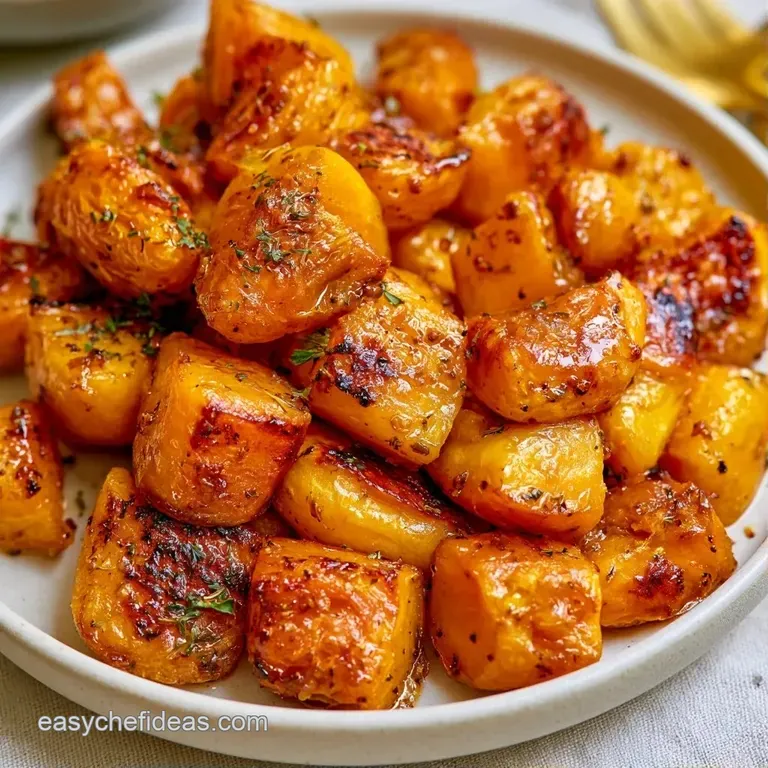
Even if you follow the steps, sometimes the oven behaves weirdly. Most issues come down to moisture or heat distribution.
Mushy Squash Instead of Roasted
This happens when the pieces are too close together. They release steam that traps moisture, effectively boiling the squash in its own juices. Use two trays if you're doubling the recipe.
Burnt Spices
If the curry powder tastes bitter, the oven might be running too hot or the oil was too thin. Stirring the spices into the oil first helps protect them from burning.
Uneven Cooking
This is usually a result of uneven chopping. Some pieces are 1 inch and others are 2 inches. The small ones burn while the big ones stay raw.
| Problem | Root Cause | Solution |
|---|---|---|
| Mushy texture | Overcrowded pan | Use two baking sheets |
| Bitter taste | Spices burnt | Blend spices into oil first |
| Raw centers | Uneven cubes | Cut into strict 1 inch pieces |
Plant Based Adaptations
You can easily shift this recipe to fit your meal goals. For those looking for a more filling dinner, I recommend adding more protein.
For a heartier meal: Toss in some cubed firm tofu or extra chickpeas. If you want to change the flavor profile, swap the yellow curry powder for a red curry paste mixed with a bit of maple syrup.
For a firmer set: Roast the squash for an extra 5 minutes without the chickpeas to ensure the edges are truly crisp.
If you're serving this as a main, it goes great with basmati rice to soak up the spiced oil.
Adjusting the Batch Size
If you're cooking for a crowd, don't just double everything in one pan.
- Scaling Down (½): Use a smaller sheet pan and reduce roast time by about 20%.
- Scaling Up (2x): Use two separate pans. Only increase the salt and spices to 1.5x to avoid over seasoning.
Fridge And Freezer Tips
Roasted squash keeps surprisingly well, but the texture changes slightly after it cools.
Store leftovers in a glass container in the fridge for up to 4 days. To reheat, avoid the microwave if you want to keep the edges crisp. Instead, pop them back in the oven at 350°F (180°C) for 10 minutes.
For the freezer, let the squash cool completely. Freeze in a single layer on a tray before transferring to a bag. This prevents one giant frozen clump. They last about 3 months.
If you have a few cubes left over that aren't quite enough for a side, toss them into a blender with coconut milk to make a quick butternut squash pasta sauce.
Zero Waste Tips
Don't throw away the squash seeds. Rinse them, pat them dry, and roast them with a bit of salt and paprika for a crunchy snack. The peel can be composted or simmered in a veggie stock for extra nutrients.
Best Serving Suggestions
This dish is versatile. It works as a side, a salad topper, or a bowl base.
I love serving this over a bed of fresh baby spinach. The heat from the squash wilts the greens just enough. Top it with a squeeze of fresh lime juice to cut through the richness of the oil.
For a more traditional Indian inspired platter, pair it with a dollop of coconut yogurt and some fresh cilantro.
Garnish Ideas
To make it look a bit more polished, sprinkle some toasted sesame seeds or pomegranate seeds over the top. The red of the pomegranate against the gold of the squash looks brilliant.
Why This Method Works
This isn't about magic, just a bit of basic heat management.
- High Heat: Roasting at 400°F (200°C) triggers the browning of natural sugars, which creates that savory, deep flavor.
- Oil Infusion: Mixing spices with oil first ensures the flavors bloom and coat every surface, preventing the dry, powdery taste.
- Airflow: Keeping a single layer on the pan allows hot air to circulate, which dries the surface and creates the crust.
According to USDA guidance, keeping the oven at a consistent high temperature ensures the vegetables cook through without becoming waterlogged. Trust the process and keep that pan open.
Recipe FAQs
Does curry flavor pair well with butternut squash?
Yes, the earthy spices balance the natural sweetness. The combination of curry powder and turmeric highlights the rich, nutty profile of the squash.
How to prep butternut squash for roasting?
Peel the squash and cut it into uniform 1 inch cubes. Consistent sizing ensures every piece cooks evenly at 400°F without some burning while others stay raw.
Is it true you must pre-boil the squash to ensure it softens?
This one's false: The high heat of the oven softens the interior while creating a caramelized crust.
Why did my roasted chickpeas turn out mushy?
Pat the chickpeas very dry after rinsing. Any remaining surface moisture causes them to steam instead of crisping up in the oven.
Which roasting layout prevents a soggy texture?
Spread the mixture in a single layer on the pan. Avoiding a crowded baking sheet prevents steam buildup. If you enjoyed managing oven roasting temperatures here, the same precision is key for a pumpkin pie.
Curry Roasted Butternut Squash