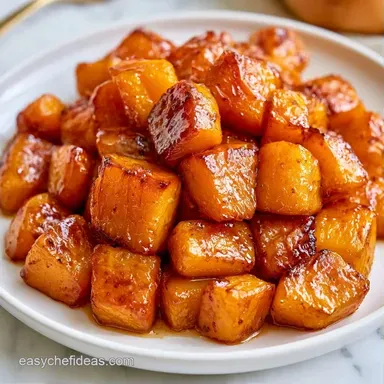
Maple Roasted Butternut Squash in 35 Minutes
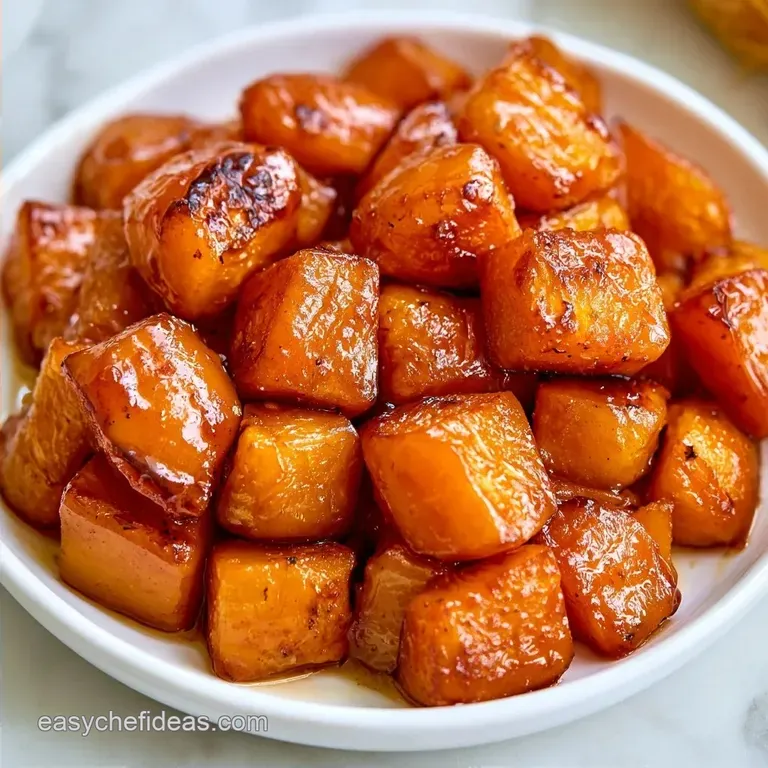
- Time: 10 min active + 25 min roasting
- Flavor/Texture Hook: Rich mahogany crust with a velvety interior
- Perfect for: Hearty holiday sides or a nourishing plant-based weeknight dinner
The aroma of cinnamon and simmering maple syrup in a hot oven is the very essence of autumn. In my early attempts, I made the mistake of tossing the syrup in right at the start. By the time the squash was tender, the glaze had scorched into a bitter, black crust that smelled like a bonfire. It was a total failure.
However, shifting the glaze to the final minutes changed everything. Now, I get those beautiful charred edges and a deep, sweet coating that never tastes burnt. It is the kind of dish that makes people genuinely excited to eat their vegetables.
You can expect a balance of earthy sweetness paired with a cozy warmth from the ginger. This preparation is a true showstopper on the plate. It's a plant based comfort dish that feels elegant but requires almost no effort.
Maple Roasted Butternut Squash
- The High Heat
- 425°F (218°C) browns the edges quickly so the insides stay tender instead of turning into mush.
- Late Glazing
- Adding the maple syrup in the final minutes stops the sugar from scorching while the squash cooks through.
- Uniform Cubing
- Cutting everything into 2cm (3/4") pieces ensures every piece finishes roasting at the exact same time.
Recipe Specs
This technique prioritizes a streamlined process to get dinner served quickly without occupying your whole afternoon. We've ditched the "low and slow" approach which often leaves vegetables soggy and opted for a two-phase heating method instead.
| Method | Temp | Total Time | Result |
|---|---|---|---|
| Fast (This) | 425°F | 35 mins | Charred edges, tender middle |
| Classic | 325°F | 60+ mins | Soft, uniform, less crust |
Now, here is everything you'll need to get started.
Essential Ingredient Breakdown
| Ingredient | Role | If You Don't Have It |
|---|---|---|
| Butternut Squash (900g) | The heart of the dish | Pumpkin or Kabocha squash |
| Olive Oil (30ml) | Conducts heat for browning | Avocado oil or melted coconut oil |
| Maple Syrup (45ml) | Adds sweetness and glaze | Honey or agave (will change flavor) |
| Cinnamon (5ml) | Warm, woody aroma | Nutmeg or Allspice |
Tools for the Job
Keep it simple here. You don't need a professional setup, just a few basics.
- Rimmed Baking Sheet: A large one is a must. If the squash is crowded, it steams rather than roasts.
- Parchment Paper: This stops the maple glaze from sticking to the pan like glue.
- Large Mixing Bowl: For tossing the veg without spilling half of it on the floor.
- Y Peeler: Way faster than a knife for getting that tough skin off.
Chef Note: If you have two baking sheets, use them. Spreading the squash across two pans is the easiest way to ensure you get those crispy edges.
Bringing It All Together
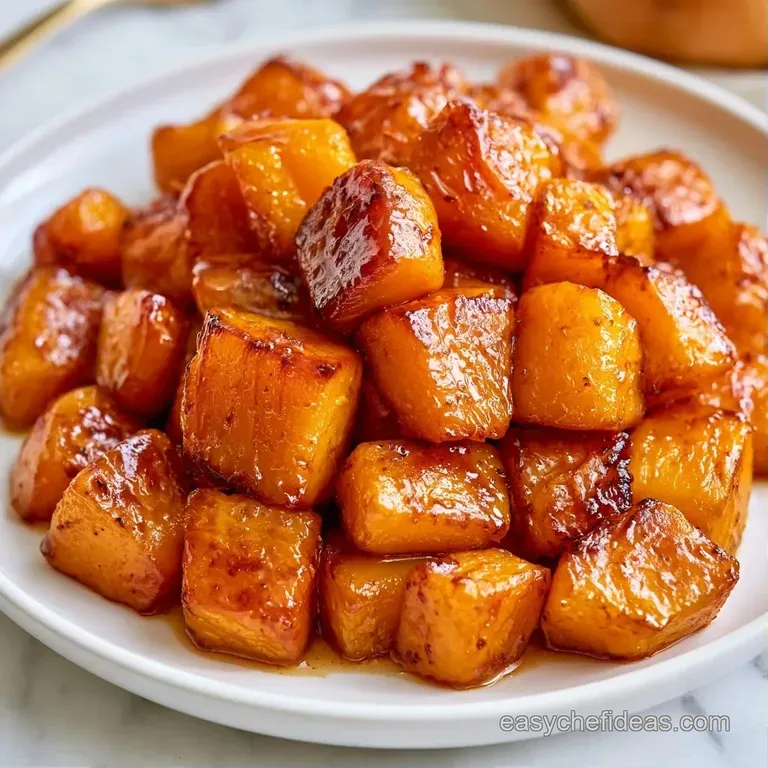
Let's crack on with the cooking. Follow these steps for the best results.
- Heat the oven. Set it to 425°F (218°C) and line your tray with parchment paper.
- Prep the veg. Peel the squash and cut it into 2cm (3/4") cubes. Note: Consistent size means consistent cooking.
- Coat the squash. Toss the cubes in a bowl with 30ml olive oil, 5ml kosher salt, and 2.5ml black pepper.
- Arrange the pan. Spread the squash in a single layer. Ensure pieces aren't touching to prevent steaming.
- Initial roast. Bake for 15-18 minutes until edges turn golden brown and a fork slides in easily.
- Mix the glaze. While the squash is roasting, whisk 45ml maple syrup, 5ml cinnamon, and 1.25ml ground ginger in a small bowl.
- Apply the glaze. Remove the pan, drizzle the syrup mixture over the squash, and toss quickly with a spatula.
- Final caramelization. Return to the oven for 5-7 minutes until the glaze bubbles and turns a deep mahogany color.
Fixing Common Issues
Even with a plan, things can go sideways. Here is how to handle it.
Mushy Cubes
This happens when the pan is too crowded. The vegetables release moisture, and instead of evaporating, it creates a steam bath. Use a second pan next time to give each piece of Maple Roasted Butternut Squash its own breathing room.
Burnt Glaze
If your syrup turns black and smells bitter, the oven might be running too hot or you left it in too long. Start checking the glaze at the 4 minute mark. The sugar in the syrup reacts quickly to high heat.
Pale Squash
If the squash is soft but not brown, your oven temperature is likely too low. Use an oven thermometer to check the actual heat. You can also turn on the broiler for 2 minutes at the very end to force some color.
Creative Twists and Swaps
I love playing with this base. Once you have the technique down, you can change the vibe of the dish entirely.
- Maple Roasted Butternut Squash with Cranberries and Pecans: Toss in a handful of dried cranberries and pecan halves during the final 5 minutes of roasting. The pecans get toasted and the cranberries pop.
- Maple Roasted Butternut Squash and Brussels Sprouts: Halve some sprouts and roast them alongside the squash. They share the glaze beautifully.
- Maple Roasted Butternut Squash with Feta: After roasting, sprinkle crumbled feta and fresh parsley over the top. The salty cheese cuts through the sweetness of the syrup.
- Whole Roasted Butternut Squash with Maple Syrup: Instead of cubes, slice the squash in half lengthwise, scoop out the seeds, and fill the cavity with the glaze. Roast for 45-50 minutes.
If you have leftover squash, you can blend it into a Butternut Squash Pasta Sauce recipe for a quick lunch the next day.
Quick Adjustments:
- More tang? → squeeze half a lemon over the finish.
- Extra heat? → add 1/4 tsp cayenne to the glaze.
- Earthier taste? → swap cinnamon for nutmeg.
Keeping it Fresh
Since this is a veggie filled side, it stays good for a while if handled right.
Fridge: Keep the roasted squash in a sealed glass jar for 3-4 days. USDA guidance suggests keeping cooked vegetables refrigerated to prevent bacterial growth.
Freezer: You can freeze these cubes for up to 2 months. Spread them on a tray to freeze individually first, then move them to a bag. This stops them from becoming one giant squash brick.
Reheating: Don't use the microwave if you want the texture back. Toss them back in a 400°F (200°C) oven for 5-10 minutes. This brings back that mahogany crust.
Zero Waste: Don't throw away the squash peels or the seeds. Roast the seeds with a bit of salt and oil for a snack. The peels can go into a freezer bag for when you make a homemade veggie stock.
Pairing Your Side Dish
Because this dish is quite decadent, it pairs best with tangy or savory flavors to balance the plate.
I typically serve this alongside a hearty grain bowl or a roasted protein. For a truly cozy feast, it pairs wonderfully with gnocchi with grilled chicken.
Serving Suggestions:
- The Autumn Plate: Pair with a plant based roast or roasted turkey and a side of sautéed kale.
- The Brunch Bowl: Top a bowl of poached eggs and quinoa with a generous scoop of this squash.
- The Salad Topper: Toss chilled cubes into fresh arugula with pomegranate seeds and a drizzle of balsamic glaze.
Debunking Squash Myths
Myth: Slow roasting is the only way to prevent the squash from burning. Truth: High heat is actually more effective. It sears the exterior quickly, which keeps the inside from overcooking into a puree.
Myth: You must boil the squash before putting it in the oven. Truth: This is an unnecessary step that simply adds too much moisture to the vegetable. If you dice the pieces small enough, the oven does all the heavy lifting.
Myth: All maple syrups are the same. Truth: Grade A Amber is good, but Grade A Dark is much more robust. For Maple Roasted Butternut Squash, the Dark syrup offers a more intense, caramel like flavor.
Recipe FAQs
How to roast butternut squash with maple syrup?
Roast cubes at 425°F for 15 18 minutes before adding the glaze. Return them to the oven for another 5 7 minutes to bubble the syrup.
Which spices pair best with maple roasted squash?
Use cinnamon and ground ginger for a warm, autumnal profile. These spices complement the earthy sweetness of the squash and maple syrup.
What oven temperature is best for roasting squash?
Heat your oven to 425°F (218°C). This high temperature ensures the edges brown rapidly, keeping the centers velvety rather than mushy.
Is it true that I should add the maple syrup at the beginning of the roasting process?
That's a myth. Adding the syrup too early causes the sugars to scorch and turn bitter before the squash is fully cooked.
Why did my roasted squash turn out mushy instead of caramelized?
You likely crowded the baking sheet. Spread the pieces in a single layer to prevent steaming and allow the edges to brown.
Can this be paired with other autumn sides?
Try serving this alongside a Brussels sprouts gratin. If you enjoyed the high heat caramelization here, the same principle creates the crispy topping on that dish.
Maple Roasted Butternut Squash 2