Kabocha Squash Curry: Creamy and Rich
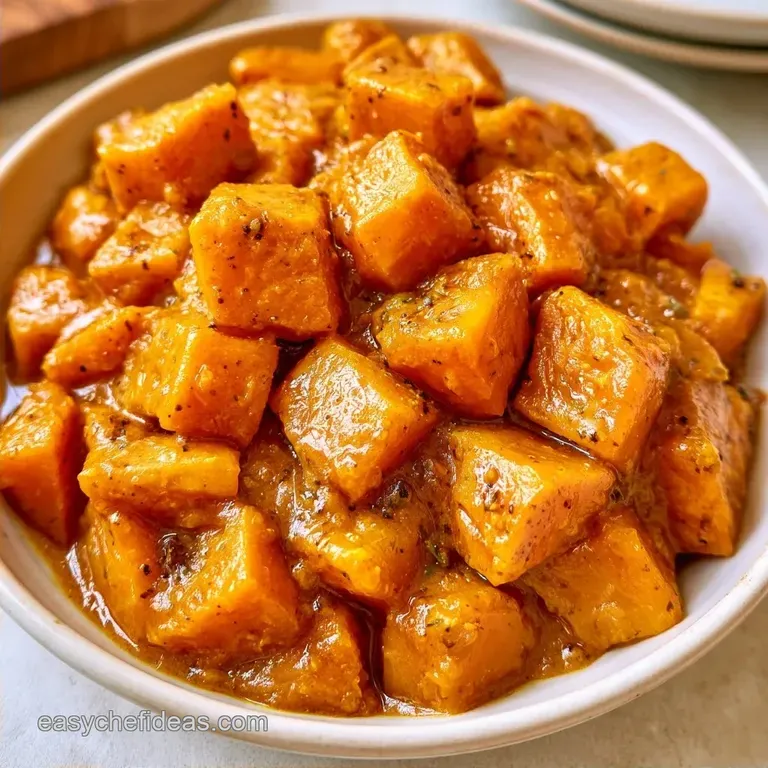
- Time: 20 min prep + 25 min cooking
- Texture & Taste: Creamy and rich with tender, golden chunks
- Perfect for: Vegan meal prep or nutritious weeknight dinners
The scent of toasted cumin and ginger evokes an instant feeling of autumn. I used to think heavy cream or a cornstarch slurry was necessary for a thick curry, but that is a myth; the kabocha squash does all the work.
There's no need to spend time peeling every piece of squash. While I opted to peel them here for a cleaner look, the skin is edible and adds a nice texture. This Kabocha Squash Curry is all about those complex, contrasting flavors.
You can expect a dish that is both hearty and wholesome. It fills your home with the aroma of a spice market and leaves you feeling satisfied without feeling weighed down.
Why This Kabocha Squash Curry Works
Spice Blooming: Frying the curry powder in oil for 60 seconds releases the fat soluble flavors. This prevents the spices from tasting "raw" or powdery in the finished sauce.
Natural Thickening: Kabocha is denser and starchier than butternut. A few cubes naturally break down during the simmer, creating a rich base. If you've tried my Squash with Maple Syrup recipe, you know how creamy the interior gets.
Acid Balance: The fresh lime juice added at the very end cuts through the fat of the coconut milk. It wakes up the other spices and keeps the dish from tasting too heavy.
Recipe Specs
| Method | Texture | Effort |
|---|---|---|
| Stovetop | Creamy and cohesive | Low (one pot) |
| Oven | Roasted and chunky | Medium (two steps) |
Right then, let's look at the gear. You don't need anything fancy, just a pot that can handle a medium simmer without scorching the bottom.
Ingredient Roles and Swaps
| Ingredient | What It Does | Best Swap |
|---|---|---|
| Kabocha Squash | Creates body and thickness | Butternut squash (needs more simmer time) |
| Coconut Milk | Lends a rich, creamy texture | Cashew cream (for a nuttier profile) |
| Curry Powder | Sets the main flavor theme | Garam masala (more warm, less earthy) |
| Chickpeas | Source of plant based protein | Cubed tofu or chicken breast |
The Aromatics
- 2 tbsp neutral oil Why this? Won't burn at high temperatures
- 1 medium (150g) yellow onion, finely diced Why this? Forms a savory flavor foundation
- 3 cloves (15g) garlic, minced Why this? Adds a sharp, aromatic kick
- 1 tbsp (15g) fresh ginger, grated Why this? Provides a spicy, zesty edge
The Heart of the Curry
- 2 tbsp (16g) mild curry powder Why this? Offers an earthy, warm base
- 1.5 lbs (680g) Kabocha squash, peeled and cut into 1 inch cubes Why this? Naturally thickens the sauce
- 1 can (15 oz / 425g) chickpeas, drained and rinsed Why this? For a satisfying, hearty bite
- 1 can (13.5 fl oz / 400ml) full fat coconut milk Why this? For a smooth, luxurious feel
- 1.5 cups (355ml) vegetable broth Why this? Cuts through the heavy richness
- 1 tbsp (15ml) soy sauce Why this? Delivers a savory umami hit
- 1 tsp (5g) maple syrup Why this? Balances the spice
The Final Flourish
- 1 tbsp (15ml) fresh lime juice Why this? Lifts the overall flavor profile
- 1/4 cup (10g) fresh cilantro, chopped Why this? Adds a fresh, green accent
- 1/2 tsp (3g) sea salt Why this? Brings out all the hidden notes
- 1/4 tsp (1g) cracked black pepper Why this? Adds a touch of subtle heat
Essential Kitchen Gear
Keep it simple. A large heavy bottomed pot or a Dutch oven is your best friend here. It distributes heat evenly so your onions don't burn in the corners. You'll also need a sharp chef's knife for the squash and a grater for the ginger.
Honestly, don't even bother with a food processor for the onion. Dicing them by hand gives you a consistent size that softens at the same rate.
Bringing It Together

Phase 1: Sautéing the Aromatics
Heat the neutral oil in your pot over medium heat. Sauté the diced onion for 5–7 minutes until translucent. Stir in the grated ginger and minced garlic for 60 seconds until the aroma fills the room.
Add the curry powder and stir for 1 minute until a thick paste forms.
Phase 2: Building the Liquid Base
Stir in the coconut milk, vegetable broth, and soy sauce, making sure to scrape up the browned bits from the bottom. Bring the mixture to a gentle simmer. Avoid letting it reach a violent boil, as the coconut milk could separate.
Phase 3: Simmering the Kabocha and Chickpeas
Gently add the drained chickpeas and kabocha squash cubes. Lower the heat to medium low, cover the pot, and simmer for 15–20 minutes. The Kabocha Squash Curry is ready when a fork penetrates the cubes easily, yet they still hold their shape.
Phase 4: The Finishing Touch
Remove the pot from the heat. Mix in the fresh lime juice, sea salt, and cracked black pepper. Top with chopped fresh cilantro before serving.
Kitchen Hint: To achieve a more vivid hue, try adding a pinch of turmeric during the spice blooming phase.
Fixing Common Issues
If the Sauce is Too Thin
Remove 3 or 4 cubes of cooked squash and mash them into a paste with a fork in a small bowl. Stir this paste back into the Kabocha Squash Curry. The natural starches thicken the liquid instantly without needing any flour.
If the Curry Tastes Flat
This usually means it needs more acid. Stir in another teaspoon of lime juice or a splash of apple cider vinegar. This helps the earthy spices pop.
If the Squash is Overcooked
If your cubes turned into mash, don't panic. You've essentially made a Kabocha Squash Curry soup. Just serve it over a firmer grain like quinoa or brown rice to add back some texture.
Avoiding Bitter Spices
If you smell the curry powder burning during the bloom, immediately add a tablespoon of broth. This drops the temperature and saves the flavor.
Different Ways to Make it
For a Japanese Kabocha Squash Curry Experience
Swap the mild curry powder for a Japanese curry roux cube. This will make the sauce thicker and slightly sweeter. It's a great way to pivot the flavor profile while keeping the same base vegetables.
For a Thai Kabocha Squash Curry Twist
Use red curry paste instead of curry powder. Sauté the paste with the aromatics and add a splash of fish sauce instead of soy sauce. This creates a punchier, more aromatic version of the dish.
For a Hearty Protein Boost
If you want to add meat, use chicken breast. Sauté cubed chicken in the pot before adding the onions, then remove the chicken and add it back during Phase 3. For more inspiration on protein rich dishes, check out my Murgh Curry Recipe.
For a low-fat Vegan Swap
Use light coconut milk or a blend of coconut milk and extra vegetable broth. You'll lose some of that richness, but the squash still provides a great creamy feel.
Decision Shortcut: More tang? → fold in 1 tsp lemon zest Extra spice? → stir in 1/2 tsp cayenne Thicker sauce? → mash 3 squash cubes
Storage and Waste Tips
Store the curry in an airtight glass jar to keep it fresh in the refrigerator for 4 days. You'll find the flavors intensify overnight, making it an even tastier meal the following day.
For longer storage, this dish freezes well for up to 3 months. Leave out the fresh cilantro before freezing, as the herbs tend to turn dark and mushy. Just add your fresh greens after reheating.
Rather than discarding the kabocha seeds, clean them, toss them with salt and a drizzle of oil, and roast at 325°F for 15 minutes. They provide a delicious crunchy topping for the dish.
Best Side Pairings
Perfect Grain Accompaniments
Dish this over a bed of steaming jasmine or basmati rice. The grains soak up the flavorful sauce, offering a mellow contrast to the intense spices. For a protein boost, quinoa works wonderfully as well.
The Best Breads
Opt for toasted sourdough or warm naan. These are perfect for mopping up the extra sauce and scooping up the tender chickpeas.
A Crisp Side
Accompany your meal with a light cucumber salad tossed in sesame oil and rice vinegar. The refreshing crunch of the cucumber provides a lovely balance to the rich, warm Kabocha Squash Curry.
And that's how you make this Kabocha Squash Curry. This nourishing meal shows that you can achieve rich, complex flavors without a complicated process. Give it a go this week and share your results with me!
Recipe FAQs
Can you put kabocha squash in Japanese curry?
It is a traditional and popular choice for Japanese style curries.
Tip: cut the pieces into slightly larger chunks to maintain their shape during simmering.
How to prepare kabocha squash for curry?
Peel the skin and slice the flesh into one-inch cubes.
Tip: microwave the squash for 2 minutes first to make peeling the skin much easier.
Is it true that kabocha squash is significantly healthier than sweet potatoes?
That's a myth, as both are nutrient dense vegetables with similar health profiles.
Tip: focus on the flavor profile rather than nutrition when choosing between the two.
What stops the squash from becoming mushy?
Simmering on low-medium heat for only 15 20 minutes keeps the cubes intact.
Tip: avoid stirring too vigorously once the squash has softened.
Which alternative squash works if kabocha is unavailable?
Butternut squash provides a similar texture and sweetness.
Tip: if you enjoyed the roasting techniques in our butternut squash soup, use that same prep method here.
Where should I keep the leftovers?
Store them in an airtight glass jar and keep refrigerated.
Tip: allow the curry to cool fully before closing the lid to avoid condensation.
Why does the recipe include lime juice at the end?
The acidity balances the richness of the coconut milk and maple syrup.
Tip: add the juice after removing the pot from heat to keep the flavor bright.
Kabocha Squash Curry