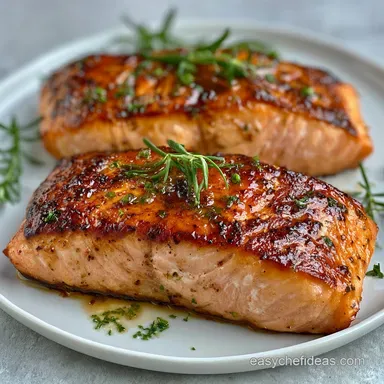
High Heat Baked Salmon: Crispy and Tender
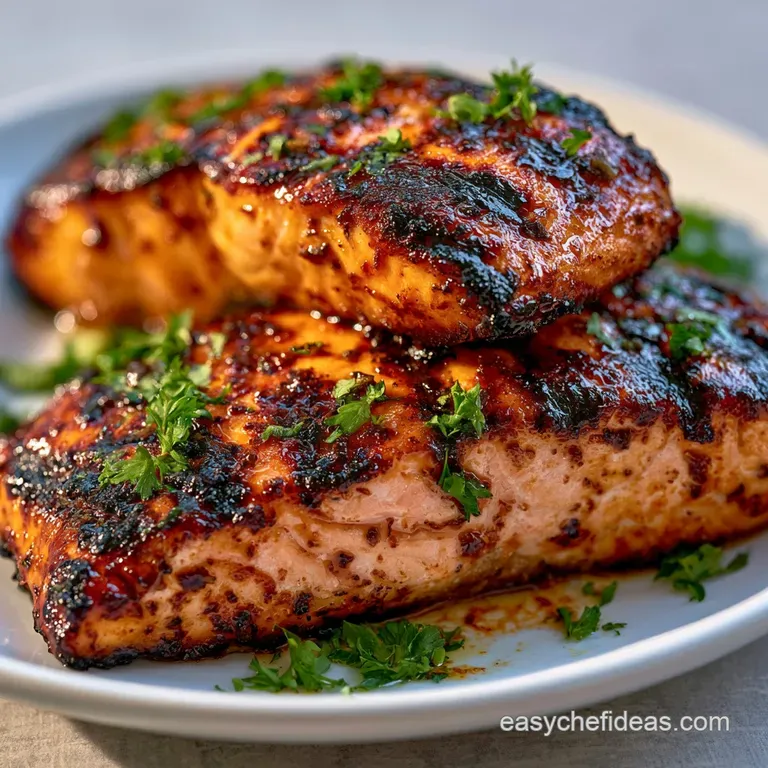
- Time: 5 min active + 15 min cook + 5 min rest = Total 25 mins
- Flavor/Texture Hook: Shatter crisp skin with a velvety, buttery center
- Perfect for: Fast weeknight dinners that feel fancy
- High Heat Baked Salmon
- The Secret to Salmon Crust
- Component Analysis
- The Ingredient List
- The Kitchen Tool Kit
- Step-by-Step Roasting Process
- Solving Common Salmon Issues
- Troubleshooting Common Issues
- Adjusting the Batch Size
- Common Kitchen Myths
- Freshness and Storage Rules
- Best Ways to Serve
- Recipe FAQs
- 📝 Recipe Card
High Heat Baked Salmon
The first thing that hits you is the smell of smoked paprika hitting a 450°F oven. It's that deep, woody aroma that instantly fills the kitchen, signaling that something serious is happening. I remember the first time I tried this for a small get together.
I was terrified the fish would turn into a dry brick, but as soon as I pulled the tray out, that sizzle was unmistakable.
The edges of the fillets were deep mahogany, almost caramelized, but when I pressed the center, it felt like a soft pillow. We sat around the table, and the first bite was a contrast of that salty, spiced crust and a center that practically melted.
It's the kind of meal that makes people stop talking for a second because they're too busy focusing on the texture.
You can expect a dish that's bold and punchy. We aren't doing a slow, gentle poach here. This is about intensity. By cranking the heat, we get the best of both worlds: the charred flavor of a grill and the juicy consistency of a slow roast.
It's a reliable way to nourish your community without spending the whole night scrubbing pans.
The Secret to Salmon Crust
Surface Evaporation: High heat flashes off surface moisture instantly, which lets the oil sizzle and fry the skin.
Rapid Protein Set: The intense temperature sets the outer proteins quickly, creating a barrier that slows down moisture loss in the center.
Sugar Caramelization: Even the tiny amounts of natural sugars in the garlic powder and paprika brown rapidly at 450°F, creating a savory crust.
Thermal Momentum: The high heat provides enough energy for the fish to continue cooking during the rest period without needing more oven time.
| Method | Time | Texture | Best For |
|---|---|---|---|
| Stovetop Pan Sear | 10-12 mins | Extremely crispy skin | Single fillets |
| High Heat Oven | 15 mins | Even crust, tender core | Multiple servings |
| Low Temp Bake | 20-30 mins | Uniform, soft texture | Large whole sides |
Right then, let's look at why these specific ingredients matter for the result.
Component Analysis
| Ingredient | Science Role | Pro Secret |
|---|---|---|
| Olive Oil | Heat Conductor | Use a high smoke point oil to avoid acrid smells |
| Smoked Paprika | Color & Depth | Provides the "grilled" aroma without a grill |
| Kosher Salt | Moisture Control | Draws out surface water for a better shatter |
| Garlic Powder | Flavor Anchor | Browns better than fresh garlic at high temps |
The Ingredient List
- 4 salmon fillets, 6 oz (170g) each, skin on Why this? Skin protects the flesh from direct heat
- 2 tbsp (30ml) olive oil Why this? Ensures even browning and heat transfer
- 1 tsp (6g) kosher salt Why this? Larger grains distribute more evenly
- 1/2 tsp (2g) cracked black pepper Why this? Coarse grind adds texture
- 1 tsp (3g) garlic powder Why this? Doesn't burn as fast as minced garlic
- 1 tsp (3g) smoked paprika Why this? Adds a woody, outdoor fire flavor
- 1/2 tsp (1g) dried oregano Why this? Adds an earthy, herbal note
Substitution Options
| Original Ingredient | Substitute | Why It Works |
|---|---|---|
| Olive Oil | Avocado Oil | Higher smoke point. Note: Neutral flavor, less fruity |
| Smoked Paprika | Sweet Paprika | Similar color. Note: Lacks the smoky depth |
| Dried Oregano | Dried Thyme | Similar earthiness. Note: Slightly more lemony flavor |
| Kosher Salt | Sea Salt | Same salinity. Note: Fine salt may over season quickly |
Trust me on this: don't skip the drying process. If the fish is damp, it will steam, and you'll lose that gorgeous crust.
The Kitchen Tool Kit
You don't need a fancy setup for this, but a few things make it easier. I always use a rimmed baking sheet so any oil splatters stay in the pan. Parchment paper is a non negotiable for me - it prevents the skin from fusing to the metal, which is the fastest way to ruin a fillet.
A digital meat thermometer is the only "tech" you really need. According to guidelines from Serious Eats, pulling fish slightly before the target temperature is the secret to avoiding the dreaded "overcooked" dryness.
Step-by-step Roasting Process
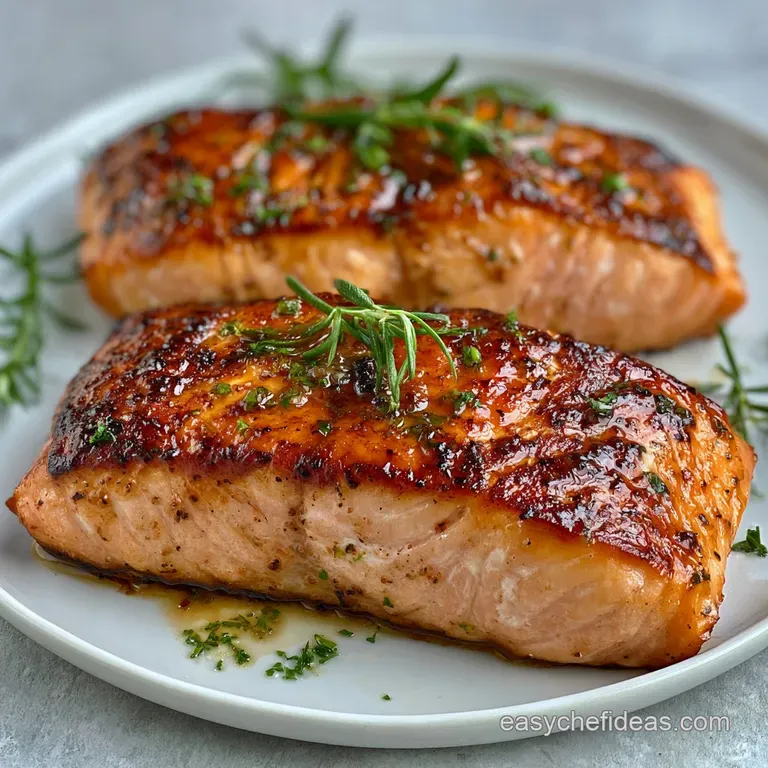
Phase 1: Prepping for Maximum Heat
- Preheat your oven to 450°F (230°C) and line a large rimmed baking sheet with parchment paper. Note: High heat needs a fully saturated oven cavity
- Use paper towels to pat the salmon fillets bone dry. Listen for the absence of moisture; they should feel tacky, not slippery.
Phase 2: The High Heat Roast
- Rub each fillet with olive oil. Note: This acts as the glue for your spices
- Coat generously with the seasoning mix (salt, pepper, garlic powder, smoked paprika, and oregano).
- Place the fillets skin side down on the baking sheet.
- Roast on the center rack for 12-15 minutes until the edges are deep golden brown and you smell a toasted, savory aroma.
- Remove the fillets from the oven once the internal temperature hits 135°F (57°C).
Phase 3: The Essential Rest
- Transfer the fillets to a plate.
- Let them rest for 5 minutes until the internal temperature reaches 145°F (63°C). Note: This allows juices to redistribute
Chef's Tip: For an extra layer of flavor, try adding a pinch of espresso powder to your spice rub. It doesn't make the fish taste like coffee, but it deepens the mahogany color and adds a bitter contrast to the fatty salmon.
Solving Common Salmon Issues
Troubleshooting Common Issues
| Issue | Solution |
|---|---|
| Why Your Salmon Has White Spots | That white stuff is just albumin, a protein that pushes out when the muscle fibers contract too quickly. It's completely safe to eat, but it's not pretty. To minimize it, don't overcook the fish and e |
| Why Your Salmon Sticks | If the skin is tearing, your pan wasn't hot enough or you didn't use enough oil. The oil needs to sizzle immediately upon contact with the skin to create a release layer. |
| Why Your Salmon Is Dry | Dryness usually comes from ignoring the carryover cooking. If you wait until the thermometer says 145°F in the oven, the resting period will push it to 155°F, which is too far. |
Success Checklist
- ✓ Fillets are bone dry before oiling
- ✓ Oven is fully preheated to 450°F
- ✓ Fillets are spaced 1 inch apart
- ✓ Meat thermometer used for pulling
- ✓ Rested for exactly 5 minutes
Adjusting the Batch Size
When you're scaling this High Heat Baked Salmon, the biggest mistake is overcrowding. If the fillets are touching, they'll steam each other, and you'll lose the crust.
Scaling Down (1-2 Fillets) Use a smaller baking sheet to keep the heat concentrated. Reduce the cook time by about 1-2 minutes since there's less thermal mass in the oven.
Scaling Up (8+ Fillets) Work in batches. If you must do them all at once, use two separate racks. Note that you should only increase the salt and spices to about 1.5x for every double batch, as high concentrations of salt can draw out too much moisture in large groups.
For larger loads, I suggest lowering the temp to 425°F (220°C) and adding 3-5 minutes to the timer to ensure the middle fillets cook through.
| Scenario | Pan Adjustment | Temp Change | Time Change |
|---|---|---|---|
| 2 Fillets | Small tray | None | -2 mins |
| 8 Fillets | Two trays | -25°F | +4 mins |
Common Kitchen Myths
Myth: Searing seals in the juices. This is simply not true. Heat penetrates the fish regardless of the crust. The high heat in this recipe is about creating flavor through browning, not about creating a "waterproof" seal.
Myth: Salmon is done when it flakes easily. By the time salmon flakes with a fork, it's often already overcooked. Rely on your thermometer for a velvety interior rather than the "flake test."
Freshness and Storage Rules
Storage Guidelines Store leftover fillets in an airtight glass container in the fridge for up to 3 days. To keep them from smelling up your fridge, press a piece of parchment paper directly onto the surface of the fish before sealing the lid.
Freezing Tips I don't recommend freezing this after it's been baked, as the texture becomes mealy. Freeze the fillets raw, vacuum sealed, for up to 3 months.
Zero Waste Ideas Don't toss those salmon scraps or the trimmed edges. I toss them into a freezer bag and use them to make a quick fish stock. You can also crisp up small trimmings in a pan to make "salmon candy" for a salad topping.
Best Ways to Serve
Since this dish is so bold, you need sides that can cut through the richness of the fish. A bright, acidic accompaniment is essential. I highly recommend pairing this with my basil pesto recipe drizzled over some blanched asparagus. The freshness of the basil balances the smoky paprika beautifully.
For something a bit more hearty, a bed of quinoa or wild rice works wonders. If you want to lean into a fusion vibe, you could glaze the fillets with a drizzle of homemade teriyaki sauce during the last 2 minutes of roasting.
Serving Suggestions
- The Fresh Route: A squeeze of fresh lemon and a side of sautéed spinach.
- The Bold Route: A dollop of Greek yogurt mixed with dill and capers.
- The Comfort Route: Roasted root vegetables like carrots and parsnips, cooked on the same tray.
This High Heat Baked Salmon is all about confidence. Trust the temperature, trust the rest, and let the oven do the heavy lifting. Right then, let's get cooking!
Recipe FAQs
How to bake salmon at high heat?
Preheat your oven to 450°F. Pat fillets bone dry, rub with olive oil and seasonings, then roast skin side down for 12-15 minutes until the internal temperature hits 135°F.
Is 450°F too hot to bake salmon?
No, this is the ideal temperature for roasting. High heat ensures the skin roasts and the edges brown while the center remains juicy.
Is it better to bake salmon at 350°F or 400°F in the oven?
Neither, 450°F is preferred for this specific method. Lower temperatures often steam the fish rather than roasting it, resulting in softer skin and less flavor development.
Can you bake salmon at 200 degrees?
No, that temperature is too low for roasting. You would lose the golden brown edges and the specific texture achieved by high heat cooking.
What are some baked salmon seasoning recipes?
Mix smoked paprika, garlic powder, dried oregano, salt, and black pepper. If you enjoyed the bold flavor of these dry seasonings, see how we use a similar flavor layering approach in our pan-seared salmon recipe.
Why does my baked salmon have white spots on top?
These are albumin proteins pushing out of the muscle fibers. While completely safe to eat, they typically appear when the fish is overcooked or the fibers contract too quickly.
How to prevent baked salmon from sticking to the pan?
Line your baking sheet with parchment paper. Additionally, rubbing the fillets with olive oil creates a necessary release layer between the skin and the pan.
High Heat Baked Salmon