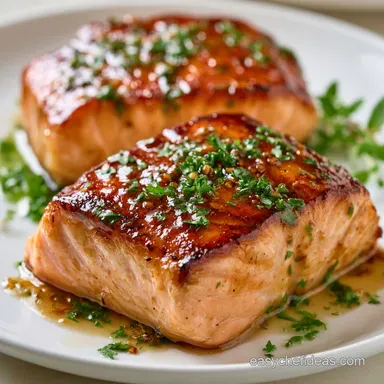
Baked Salmon Glaze Recipe: Sticky and Caramelized
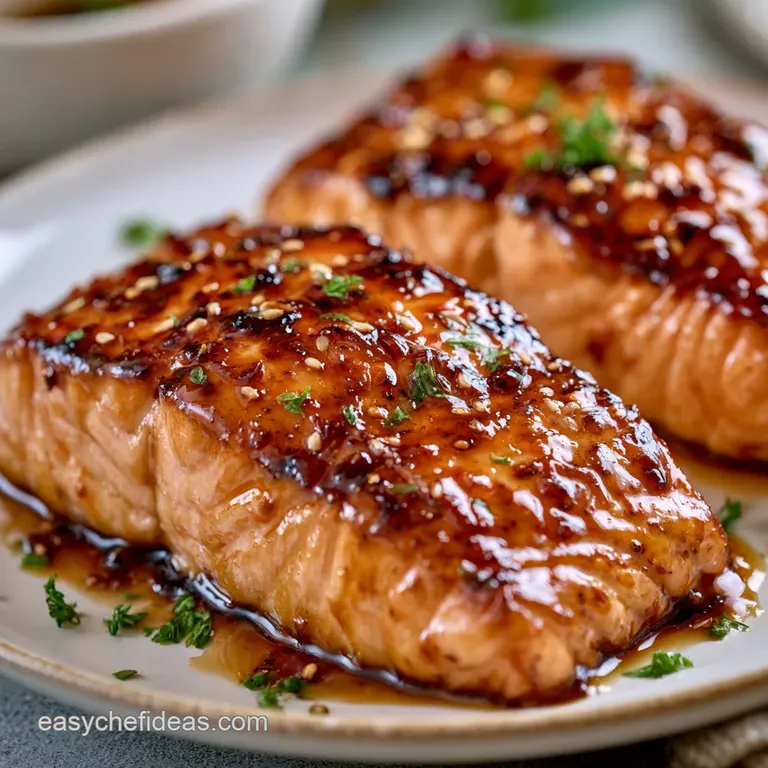
- Time: 5 min active + 15 min cooking = Total 20 mins
- Flavor/Texture Hook: Sticky, mahogany glaze with a buttery, flaky center
- Perfect for: A high impact weeknight dinner that feels like a treat
Perfect Baked Salmon Glaze Recipe
That first hit of aroma is what gets me every time. Imagine the smell of fresh ginger and garlic hitting the heat, mixing with the sweet, heavy scent of honey as it starts to bubble.
It's a scent that immediately makes the kitchen feel warm and welcoming, reminding me of the fusion dinners my family used to have where we'd blend traditional Asian flavors with a classic American roast.
There's something about the way the soy sauce deepens the scent of the salmon, turning a simple piece of fish into something that smells like a celebration.
I remember the first time I tried to make a glaze like this. I just threw everything in a pan and hoped for the best, but I ended up with a sticky mess that burnt before the fish was even warm. I realized that the balance between the sugar in the honey and the acid in the lemon is everything.
Once I figured out how to stabilize that, it became my go to for when I want to nourish my community with a meal that feels special but doesn't keep me in the kitchen for hours.
This Baked Salmon Glaze Recipe is all about that contrast. You get the sticky, salty sweet exterior that almost shatters when you bite into it, followed by the rich, fatty, and tender flakes of the salmon.
It's a dish that respects the quality of the fish while adding a layer of complex flavor that makes everyone at the table lean in. Let's get into how we actually make this work without burning the sugar or drying out the protein.
Understanding The Flavor Balance
When we talk about why this works, we're really talking about how different ingredients interact under high heat. It's not just about mixing things together; it's about how they change the structure of the fish and the texture of the sauce.
- Sugar Caramelization
- The honey and brown sugar break down at 400°F, creating a thick, sticky layer that traps moisture inside the fillet.
- Acidic Brightening
- Lemon juice cuts through the richness of the salmon's omega-3 fats and prevents the honey from tasting cloying.
- Umami Depth
- Soy sauce provides a salty backbone that enhances the natural savoriness of the fish.
- Aromatic Infusion
- Garlic and ginger release their oils when heated, penetrating the surface of the fish for a layered taste.
But why bake it instead of searing it? While a pan gives you a great crust, the oven provides a consistent, surrounding heat that cooks the salmon evenly from all sides. If you're curious about different ways to handle the fish, you might enjoy my guide on how to bake salmon oven for a more traditional approach.
| Method | Time | Texture | Best For |
|---|---|---|---|
| Oven Bake | 15 mins | Evenly tender, sticky top | Large batches, easy cleanup |
| Stovetop | 8-10 mins | Crispy skin, seared edges | Single fillets, maximum crust |
| Broiler | 6-8 mins | Charred, intense caramelization | Fast cooking, bold flavor |
Component Analysis
Before we jump into the list, it's worth looking at what each part of the glaze is actually doing. I've found that if you skip one of these, the whole profile shifts.
| Ingredient | Science Role | Pro Secret |
|---|---|---|
| Honey | Thickener & Sweetener | Use a mild clover honey to let the ginger shine |
| Soy Sauce | Salt & Color | Low sodium version prevents the glaze from tasting "sharp" |
| Lemon Juice | pH Balancer | Freshly squeezed only; bottled juice is too metallic |
| Fresh Ginger | Enzyme/Aroma | Grate it finely to avoid woody chunks in the glaze |
Gear And Ingredients
For this recipe, we want ingredients that provide a diverse range of flavors. I always tell my friends to go for the best salmon they can find, but the glaze is what really does the heavy lifting here.
For the Salmon
- 4 salmon fillets, 6 oz (170g) each, skin on Why this? Skin protects the flesh from drying out
- 1 tbsp olive oil Why this? High smoke point for the oven
- 1/2 tsp kosher salt Why this? Coarser grains penetrate the fish better
- 1/4 tsp black pepper Why this? Adds a subtle, woody heat
For the Glaze
- 3 tbsp honey Why this? Creates that signature sticky mahogany finish
- 2 tbsp soy sauce Why this? Adds essential salt and a deep brown hue
- 1 tbsp brown sugar Why this? Adds a molasses note that honey lacks
- 1 tbsp fresh lemon juice Why this? Cuts the sugar and brightens the fish
- 2 cloves garlic, minced Why this? Provides a pungent, savory base
- 1 tsp freshly grated ginger Why this? Adds a fresh, peppery zing
| Original Ingredient | Substitute | Why It Works |
|---|---|---|
| Honey (3 tbsp) | Maple Syrup (3 tbsp) | Similar viscosity. Note: Adds a woodland, autumnal flavor |
| Soy Sauce (2 tbsp) | Coconut Aminos (2 tbsp) | Similar salty/umami profile. Note: Lower sodium and soy free |
| Brown Sugar (1 tbsp) | Coconut Sugar (1 tbsp) | Similar caramelization. Note: Slightly more earthy tone |
| Lemon Juice (1 tbsp) | Rice Vinegar (1 tbsp) | Same acidity level. Note: Less citrusy, more fermented taste |
Right then, make sure your salmon is at room temperature for about 10-15 minutes before you start. If the fish is ice cold when it hits that 400°F oven, the outside will overcook before the center reaches that velvety consistency.
Step by step Process
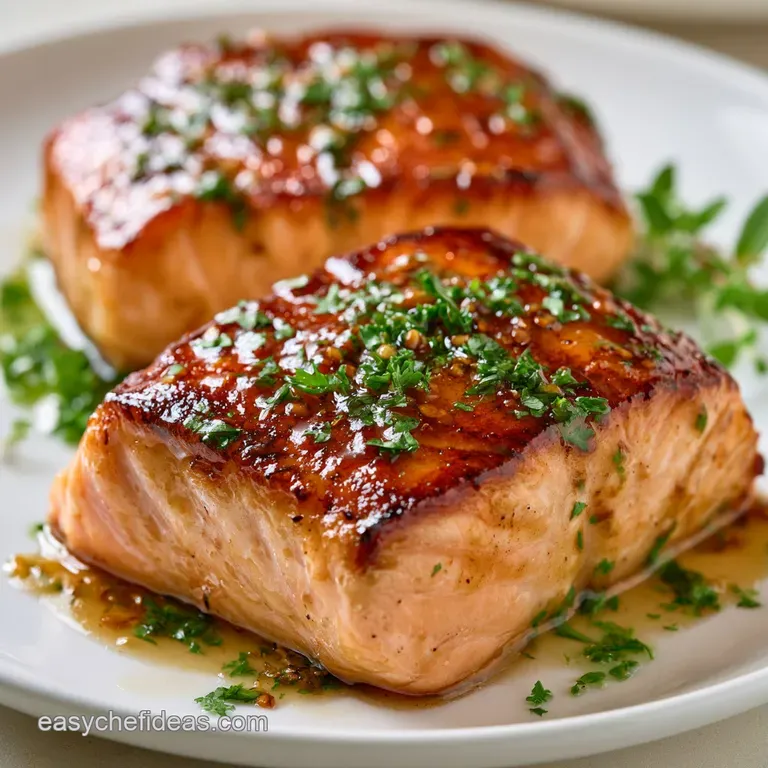
Let's crack on. The key here is precision and watching for those sensory cues.
- Preheat the oven to 400°F (204°C) and line a rimmed baking sheet with parchment paper. Note: Parchment prevents the sticky honey from gluing the fish to the pan.
- Pat the salmon fillets dry with paper towels. Note: Moisture on the surface creates steam, which stops the glaze from sticking.
- Rub each fillet with olive oil, kosher salt, and black pepper. Note: The oil helps the salt adhere and creates a barrier against overcooking.
- In a small mixing bowl, whisk together the honey, soy sauce, brown sugar, lemon juice, minced garlic, and grated ginger.
- Whisk the glaze until the brown sugar is fully dissolved and the mixture is smooth.
- Place the fillets skin side down on the prepared baking sheet.
- Generously brush the glaze over the top and sides of each fillet. Note: Don't be shy; the sides will caramelize beautifully.
- Bake for 12-15 minutes until the glaze is bubbling and mahogany colored.
- Check for doneness: the salmon should be slightly firm to the touch but still have a slight give in the center.
- Remove from the oven and let the fish rest for 5 minutes before serving. Note: This allows the juices to redistribute, ensuring a silky texture.
Chef's Note: To get an extra dark crust, turn your broiler on for the last 2 minutes of cooking. Just stay right there and watch it honey goes from "caramelized" to "burnt" in about 30 seconds!
Fixing Common Glaze Issues
Even with a solid plan, things can go sideways. Maybe the glaze didn't stick, or the fish feels a bit chalky. Most of these issues come down to temperature or moisture.
Troubleshooting Common Issues
| Issue | Solution |
|---|---|
| Why Your Glaze Is Burning | If your glaze turns black before the fish is cooked, your oven might be running hot, or your sugar concentration is too high. Honey is a fast burner. Try moving the rack to a lower position in the ove |
| Why Your Salmon Is Dry | Dry salmon usually happens when you overcook it. The FDA recommends cooking salmon to 145° F. However, at this temperature, you run the risk of dry, overcooked fish. For a more velvety result, pull it |
| Why Your Glaze Is Too Runny | If the glaze is sliding off the fish, it's usually because the fillets weren't patted dry. Water creates a barrier that prevents the honey from gripping the protein. Next time, use more paper towels t |
Common Mistakes Checklist
- ✓ Patting fillets bone dry before oiling
- ✓ Dissolving all sugar granules in the glaze
- ✓ Using parchment paper to avoid a sticky mess
- ✓ Checking internal temp slightly before 145°F
- ✓ Letting the fish rest for 5 mins
Twists And Swap Ideas
I love this Baked Salmon Glaze Recipe because it's so versatile. Once you have the base, you can take it in a dozen different directions depending on what you're craving.
If you want something with a bit more of a punch, you can try a Miso Glazed Baked Salmon by swapping the soy sauce for white miso paste. It adds a fermented, creamy depth that is absolutely incredible.
For those who like heat, a spicy Sriracha kick is easy just whisk in a tablespoon of Sriracha into the honey mixture.
If you're avoiding sugar, a Baked Salmon Glaze without Honey can be made using a combination of date syrup or a sugar-free maple alternative. It won't have the same exact "shatter" to the crust, but it still delivers that savory sweet punch. If you love these types of flavor profiles, you might also enjoy making a homemade teriyaki sauce to use as a marinade for other proteins.
Decision Shortcut
- If you want a deeper char → Broil for 2 minutes at the end.
- If you want more tang → Add an extra squeeze of fresh lemon after baking.
- If you want a nuttier flavor → Garnish with toasted sesame seeds.
Storage And Zero Waste
Don't let any part of this meal go to waste. Cooking is about nourishing yourself and the planet, so let's be smart with our scraps.
Storage Guidelines Store leftover salmon in an airtight container in the fridge for up to 3 days. To reheat, avoid the microwave, which can make the fish rubbery. Instead, place it in a 250°F oven for 5-10 minutes or gently warm it in a pan with a tiny bit of butter.
I don't recommend freezing cooked salmon, as the texture becomes mealy.
Zero Waste Tips
- Lemon Rinds: Don't toss the lemon peels! Zest them and freeze them in a small jar to add to pasta or salads later.
- Ginger Scraps: If you have leftover ginger root, peel it and freeze it. You can grate it directly from frozen into your next stir fry.
- Extra Glaze: If you have leftover glaze in the bowl, simmer it in a small saucepan for 2-3 minutes until it thickens into a syrup. Drizzle this over steamed bok choy or roasted carrots.
Serving Your Salmon
The presentation is where you can really make this dish shine. Since the salmon is a deep mahogany color, it looks stunning against bright greens. I love serving this with a side of steamed asparagus or a crisp cucumber salad with rice vinegar.
For a more comforting meal, a bed of fluffy jasmine rice or quinoa works perfectly to soak up any extra glaze that pools on the plate. If you're feeling fancy, a sprinkle of fresh scallions and toasted sesame seeds adds a professional touch and a bit of crunch.
Trust me on this: the contrast of the hot, sticky fish against a cold, citrusy slaw is the best way to experience this recipe. It balances the richness of the salmon and keeps every bite feeling fresh and vibrant. Enjoy the process, trust your nose, and don't be afraid to let that honey bubble!
Recipe FAQs
Do you glaze salmon before or after cooking?
Glaze before baking. Brush the mixture over the fillets and bake at 400°F for 12 15 minutes to let the sugars caramelize into a mahogany crust.
What should I put on top of salmon when I bake it?
A sweet and savory blend of honey, soy sauce, and ginger. Combine these with brown sugar, lemon juice, and minced garlic for a balanced flavor profile.
How to prevent the glaze from burning in the oven?
Move the oven rack to a lower position. Honey burns quickly, so reducing the proximity to the top heating element prevents the glaze from turning black.
How to tell when the baked salmon is perfectly done?
Check for a slight give in the center. The fish should be slightly firm to the touch but not rigid, and the glaze should be bubbling and mahogany colored.
What is the best way to prepare salmon if I don't have an oven?
Sear the fillets in a hot pan. If you prefer a stovetop approach, try pan-seared salmon for a similar level of precision and flavor.
Why is my glaze sliding off the salmon fillets?
Pat the fish completely dry before adding oil. Any surface moisture creates steam during cooking, which prevents the glaze from adhering to the fillet.
How to reheat leftover baked salmon without making it rubbery?
Warm it in a 250°F oven for 5 10 minutes. Avoid the microwave, as intense heat toughens the protein and destroys the velvety texture.
Baked Salmon Glaze Recipe