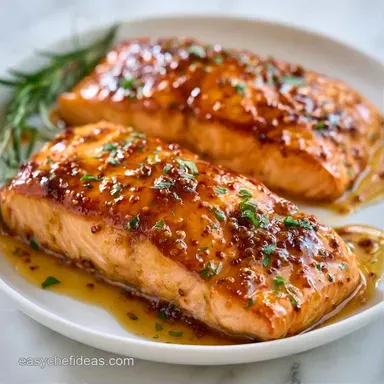
Brown Sugar Mustard Salmon: Sticky and Savory
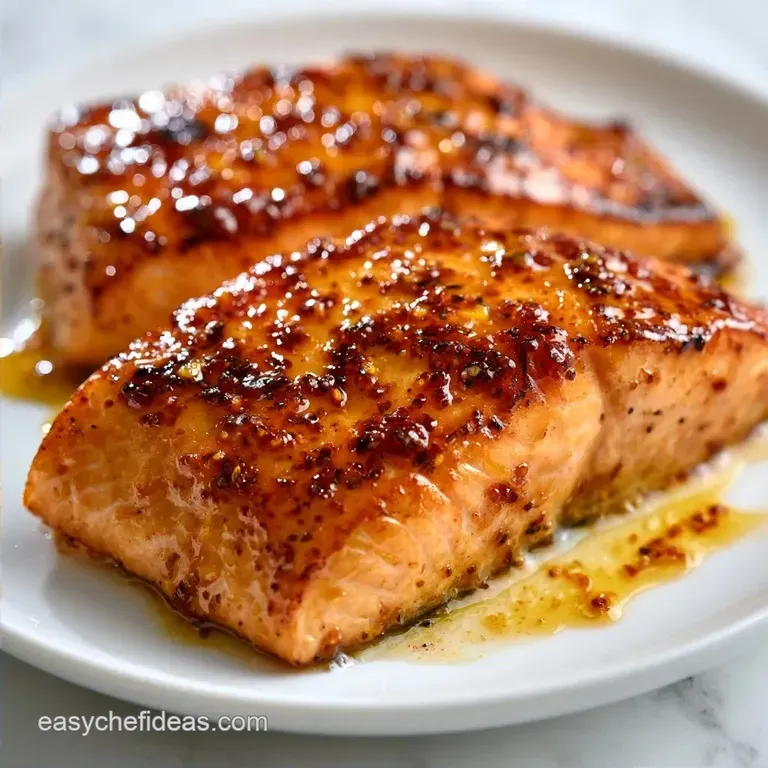
- Time: 5 min active + 10 min cooking = Total 15 mins
- Flavor/Texture Hook: Sticky mahogany glaze with a velvety center
- Perfect for: A high impact weeknight dinner that feels like a bistro meal
- The Best Brown Sugar Mustard Salmon
- Why This Glaze Works
- Must Have Ingredient Details
- Essential Pantry Items
- The Right Gear
- Simple Cooking Steps
- Fixing Common Glaze Issues
- Troubleshooting Common Issues
- Adjusting Portion Sizes
- Truths About Salmon
- Freshness and Waste Tips
- Plating and Pairing
- Recipe FAQs
- 📝 Recipe Card
The Best Brown Sugar Mustard Salmon
The first time I made this, it was for a small get together during a rainy autumn weekend. The house was chilly, and I wanted something that would smell like comfort the moment my friends walked through the door.
I remember the exact second the fillets hit the oven, and that scent of toasted sugar and sharp mustard began to drift into the hallway. It's the kind of aroma that makes people stop talking and just follow their noses into the kitchen.
I've always loved how this dish transforms a basic piece of fish into something that feels intentional and nourishing. We often overthink salmon, treating it like some fragile piece of art that might break if we look at it wrong.
But with this Brown Sugar Mustard Salmon, the goal is to create a bold, protective crust that lets the fish stay juicy and tender inside. It's a reliable, soul warming meal that brings a bit of global bistro culture right to your own table.
You can expect a result that's visually striking, with a dark, glossy top and a center that just barely flakes. It isn't about complex techniques or expensive tools. It's just about getting the heat right and letting the ingredients do the heavy lifting.
Trust me, once you see that glaze bubble up into a deep brown, you'll never go back to plain steamed fish again.
Why This Glaze Works
I spent a lot of time wondering why some glazes just slide off the fish while others stick like glue. It turns out there are a few simple reasons why this specific combination works so well.
Sugar Caramelization: When the brown sugar hits 400°F, it melts and bonds with the proteins in the fish, creating a thick, candy like shell.
Acidic Cutting: The lemon juice and vinegar in the Dijon mustard break down the heaviness of the sugar, ensuring the dish feels bright rather than cloying.
Moisture Barrier: The oil and mustard create a seal on the surface, which prevents the internal juices from evaporating too quickly in the high heat.
Garlic Infusion: The garlic powder blends into the syrup, allowing the savory notes to penetrate the crust without burning like fresh minced garlic would.
| Method | Time | Texture | Best For |
|---|---|---|---|
| Oven Bake | 10 mins | Consistent, sticky crust | Larger fillets, hands off cooking |
| Stovetop | 8 mins | Seared bottom, softer top | Single portions, faster sear |
| Air Fryer | 7 mins | Extra crisp edges | Maximum caramelization, small batches |
Must Have Ingredient Details
Understanding what each part does helps you tweak the recipe if you're missing something in the pantry. It's not just about following a list; it's about knowing how these flavors play together.
| Ingredient | Science Role | Pro Secret |
|---|---|---|
| Brown Sugar | Glaze Base | Use dark brown sugar for a deeper, molasses like taste |
| Dijon Mustard | Emulsifier | Look for a brand with a high seed count for more texture |
| Lemon Juice | pH Balancer | Freshly squeezed is non negotiable for that bright pop |
| Salmon Fillets | Protein Base | Center cut pieces cook most evenly across the board |
Essential Pantry Items
For this recipe, we're keeping it lean. I don't believe in adding ingredients just for the sake of it. Each one here has a job to do.
- 1.5 lb salmon fillets Why this? Hearty enough to stand up to the strong glaze
- 1 tbsp olive oil Why this? Prevents sticking and helps heat transfer
- ½ tsp kosher salt Why this? Coarser grains season more evenly than table salt
- ¼ tsp black pepper Why this? Adds a subtle heat to balance the sugar
- 3 tbsp brown sugar Why this? Provides the mahogany color and stickiness
- 2 tbsp Dijon mustard Why this? Adds a sharp, vinegary punch
- ½ tsp garlic powder Why this? Uniform flavor without the risk of burnt bits
- 1 tsp lemon juice Why this? Cuts through the richness of the salmon fats
If you're looking for a twist, you can swap the brown sugar for maple syrup, but keep in mind it'll be thinner. For those who prefer a different protein, according to USDA FoodData, the fat content of salmon is what makes it so forgiving, but you could try this on a thick halibut steak for a leaner option.
| Original Ingredient | Substitute | Why It Works |
|---|---|---|
| Brown Sugar | Maple Syrup | Similar sweetness. Note: Result is a thinner, runnier glaze |
| Dijon Mustard | Whole Grain Mustard | Similar tang. Note: Adds a rustic, seedy texture |
| Lemon Juice | Apple Cider Vinegar | Similar acidity. Note: Slightly more fermented, punchy flavor |
I usually pair this with something green and crisp to offset the richness. If you're craving a hearty side, my baked beans recipe works surprisingly well for a rustic, family style feast.
The Right Gear
You don't need a professional kitchen for this, but a few specific tools make the process much smoother.
- Baking sheet: A standard rimmed sheet is best to catch any dripping glaze.
- Parchment paper: This is a lifesaver. Brown sugar becomes like cement if it hits a bare pan.
- Small mixing bowl: For whisking the glaze until it's smooth.
- Pastry brush or spoon: To get an even coating from edge to edge.
- Meat thermometer: The only way to be 100% sure you haven't overcooked the fish.
Simple Cooking Steps
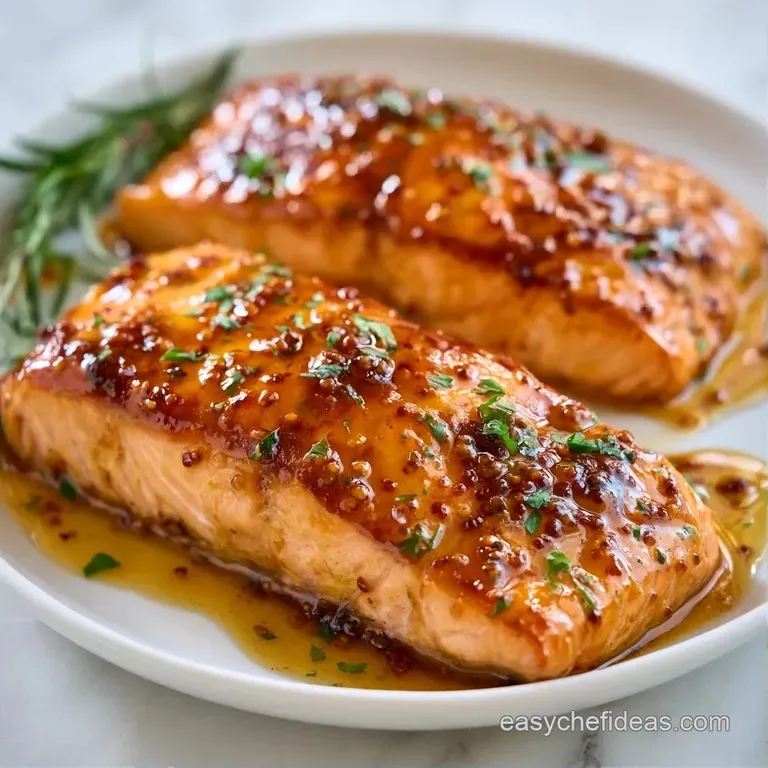
Right then, let's get into the actual process. Pay attention to the smells and the colors - they'll tell you more than the timer ever will.
- Preheat your oven to 400°F (200°C). Line your baking sheet with parchment paper to prevent the sugar from sticking.
- Pat the salmon fillets completely dry with paper towels. Note: Wet fish steams instead of searing, which ruins the crust.
- Brush the fillets lightly with olive oil and season with salt and pepper.
- In a small bowl, whisk together the brown sugar, Dijon mustard, garlic powder, and lemon juice. Wait for the scent of sharp mustard and sweet sugar to blend into a thick, smooth paste.
- Spoon the glaze generously over the top of each fillet. Use the back of the spoon to spread the mixture to the edges, creating a velvety, even layer.
- Place the salmon in the oven. As it heats, you'll notice the aroma shift from raw sugar to a rich, buttery scent.
- Bake for 10-12 minutes. Watch for the glaze to bubble and turn a deep mahogany brown.
- Use a fork to check if the fish flakes easily or use a thermometer to hit 135°F (57°C).
- Remove from the oven and let it rest for 2 minutes. The carryover heat will finish the center without drying out the edges.
Chef Note: If you see the edges of the glaze turning black too quickly, just slide a piece of foil loosely over the top. This protects the sugar while the middle of the fish finishes cooking.
Fixing Common Glaze Issues
Even the most seasoned cooks run into trouble. Most salmon issues come down to temperature or moisture.
Troubleshooting Common Issues
| Issue | Solution |
|---|---|
| Why Your Salmon Is Dry | This usually happens because of the "carryover" effect. If you pull the fish out at 145°F, it will actually climb to 150°F+ while resting, leaving you with a rubbery texture. |
| Why Your Glaze Is Runny | If the glaze didn't thicken, you might have used too much lemon juice or a low quality mustard. Ensure the sugar is mostly dissolved but the mixture remains a paste, not a syrup. |
| Why Your Crust Burnt | High sugar content means the glaze can go from mahogany to charcoal in about 60 seconds. If your oven runs hot, drop the temp to 375°F and add 2 minutes to the cook time. |
Quick Check for Success:
- ✓ Salmon patted dry with paper towels.
- ✓ Parchment paper used on the baking sheet.
- ✓ Internal temperature checked at 135°F.
- ✓ Glaze spread evenly to the very edges.
- ✓ Rested for 2 minutes before serving.
Adjusting Portion Sizes
Cooking for one is different than cooking for a crowd. You can't just multiply everything and hope for the best.
Scaling Down (½ portion) If you're just making two fillets, use a smaller baking sheet. This prevents the olive oil from spreading too thin and burning. I'd recommend reducing the bake time by about 1-2 minutes, as smaller batches often heat up faster in the oven.
Scaling Up (2x-4x portions) When doubling the recipe, don't double the salt and pepper exactly go with 1.5x instead. Too much salt can draw moisture out of the fish and make the glaze watery.
Work in batches if your oven is crowded; if the fillets are touching, they'll steam instead of roasting, and you'll lose that signature shatter crisp crust.
Baking Adjustments If you're using a very thick piece of salmon (over 1.5 inches), lower the oven temp to 375°F and extend the time to 15-18 minutes. This ensures the center is cooked through before the brown sugar burns.
| If you want... | Do this... |
|---|---|
| A spicy kick | Add 1/2 tsp sriracha to the glaze |
| More acidity | Add a squeeze of fresh lime at the end |
| Extra crunch | Sprinkle panko breadcrumbs over the glaze |
Truths About Salmon
There are a few things people tell you about fish that just aren't true. Let's clear the air.
The idea that you need to "seal" the juices by searing the fish first is a myth. Searing adds flavor and texture, but it doesn't lock anything in. Moisture loss happens regardless of how you start the cook.
Some people think frozen salmon is inferior to fresh. In reality, most "fresh" salmon at the store was frozen on the boat anyway. The key is the thawing process always thaw it slowly in the fridge, never on the counter, to keep the cell structure intact.
Freshness and Waste Tips
Salmon is a premium ingredient, so it's a shame to waste any of it.
Storage Guidelines Keep your cooked Brown Sugar Mustard Salmon in an airtight container in the fridge for up to 3 days. When reheating, avoid the microwave if you can. Instead, put it in a 300°F oven for 5 minutes.
This keeps the glaze from becoming a sticky mess and prevents the fish from turning into rubber.
Zero Waste Ideas Don't throw away the lemon halves! Squeeze every last drop into the glaze, then toss the peels into your compost or use them to scent your garbage disposal. If you bought a whole side of salmon and have scraps left over, those small bits are great for salmon cakes.
You can even use the skin fry it separately in a pan until it's as crisp as a potato chip for a fancy garnish.
Plating and Pairing
This dish is all about the contrast. You have the sweet, dark glaze and the pale, velvety fish. To make it look like it came from a professional kitchen, pair it with something bright and colorful.
I love serving this on a bed of sautéed spinach or roasted asparagus. The bitterness of the greens cuts right through the sugar. For a starch, a simple quinoa bowl or some roasted fingerling potatoes works beautifully. If you want a truly indulgent experience, a dollop of creamy horseradish sauce on the side adds a sharp heat that complements the mustard perfectly.
When plating, leave the salmon whole to show off that mahogany crust. Pour any leftover glaze from the pan directly over the top just before serving. It adds a final glossy sheen that makes the dish look irresistible. Top it with a sprinkle of fresh parsley or a thin slice of lemon for a pop of color.
It's a simple meal, but when presented this way, it feels like a genuine celebration of flavor and community.
Recipe FAQs
Do mustard and brown sugar go together for salmon?
Yes, they create a perfect sweet and-savory balance. The acidity of the Dijon mustard cuts through the fatty richness of the fish while the sugar caramelizes into a rich glaze.
Is it a good idea to put brown sugar on salmon?
Yes, it creates a professional mahogany brown crust. When baked at 400°F, the sugar caramelizes to add depth of flavor and a visually appealing finish.
What spices should I use to season the salmon fillet?
Use kosher salt, black pepper, and garlic powder. These specific seasonings enhance the fish's natural flavor without competing with the sweetness of the glaze.
How to make a simple, yet tasty salmon marinade?
Whisk together brown sugar, Dijon mustard, garlic powder, and lemon juice. Stir until the sugar mostly dissolves into a thick paste. If you loved the sweet tart balance in this recipe, see how we use a similar flavor profile in our homemade teriyaki sauce.
How to bake the salmon for the best results?
Bake at 400°F (200°C) for 10 12 minutes. Use a parchment lined sheet and remove the fish when it reaches an internal temperature of 135°F (57°C) to ensure it stays moist.
Is it true that salmon should be cooked until it reaches 145°F internally?
No, this is a common misconception. Pulling the fish at 135°F (57°C) prevents a rubbery texture, as carryover cooking will naturally raise the temperature while the meat rests.
How to bake salmon for gastritis?
Bake the fillets simply with minimal seasonings. Use only olive oil and a pinch of salt to keep the dish gentle on the stomach while maintaining a tender texture.
Brown Sugar Mustard Salmon