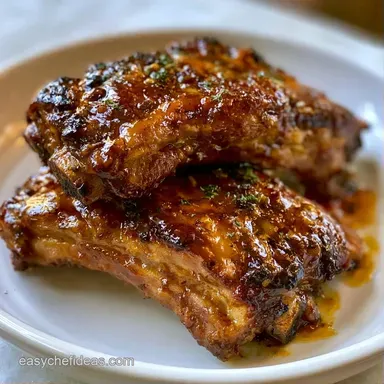
Easy Brown Sugar Glaze: Rich and Glossy
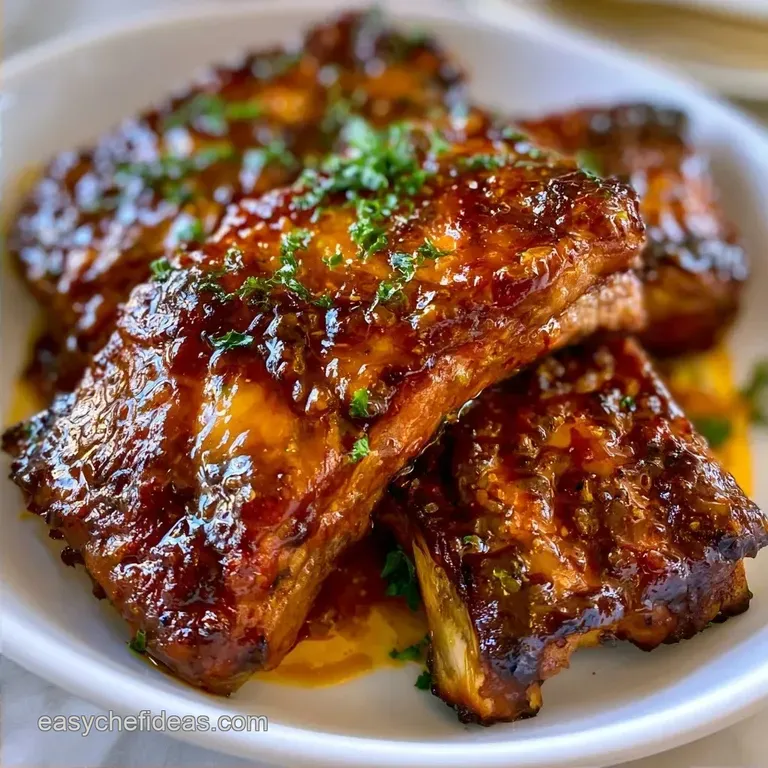
- Time: 2 min active + 3 min cook = Total 5 mins
- Flavor/Texture Hook: Velvety, rich, and glossy
- Perfect for: Holiday hams, roasted carrots, or dessert cakes
Easy Brown Sugar Glaze Guide
That sharp, sweet aroma of bubbling brown sugar is usually a sign of a win, but for me, it once signaled a disaster. I remember trying to rush a glaze for a family brunch, cranking the heat to "high" because I was running late.
In about sixty seconds, my pan went from a gorgeous amber to a scorched, bitter black crust that smelled like a campfire gone wrong. I had to scrub that pan for an hour and serve a "naked" dessert.
The real trick isn't just the ingredients, it's the temperature control. Most people make the mistake of letting the sugar boil too aggressively, which causes it to seize or burn. I've learned that a gentle simmer is all you need to get that glossy, professional look. This Easy Brown Sugar Glaze is my go to because it's foolproof once you know when to pull it off the heat.
You can expect a sauce that clings to your food rather than sliding off like water. Whether you're coating a cake or roasting vegetables, this recipe gives you a consistent, rich finish. Trust me on this, the secret is in the whisking and the timing.
How the Texture Stays Silky
- Fat Interference: Butter coats the sugar crystals, which stops them from bonding back together and becoming grainy.
- Water Ratio: The liquid provides a medium for the sugar to dissolve fully before it starts to thicken.
- Low Heat: Simmering slowly prevents the sugars from breaking down too far, which avoids that burnt, bitter taste.
- Salt Balance: A pinch of salt cuts through the heavy sweetness to make the flavors pop.
| Method | Time | Texture | Best For |
|---|---|---|---|
| Fresh Simmer | 5 mins | Velvety | Cakes & Meats |
| Microwave | 2 mins | Thinner | Quick Drizzles |
| Cold Stir | 1 min | Grainy | Raw Toppings |
Ingredient Deep Dive
| Ingredient | Science Role | Pro Secret |
|---|---|---|
| Light Brown Sugar | Main body & caramel flavor | Pack it tight for accurate measuring |
| Unsalted Butter | Emulsifier & shine | Use cold butter for a slower melt |
| Apple Cider Vinegar | Acidity & brightness | Swap for lemon juice for a zestier vibe |
| Salt | Flavor enhancer | Use fine sea salt for faster dissolving |
The Base Components
Right then, let's look at what you'll need. Keep it simple, but don't skip the salt, or the glaze will taste one dimensional.
- 1/2 cup (115g) light brown sugar, packed Why this? Provides the deep molasses flavor.
- 2 tbsp (28g) unsalted butter Why this? Creates the glossy, smooth finish.
- 2 tbsp (30ml) water or apple cider vinegar Why this? Dissolves sugar and balances sweetness.
- 1/4 tsp (1.5g) salt Why this? Essential for cutting the sugar hit.
| Original Ingredient | Substitute | Why It Works |
|---|---|---|
| Butter (2 tbsp) | Coconut Oil (2 tbsp) | Similar fat content. Note: Adds a slight coconut aroma |
| Apple Cider Vinegar | Lemon Juice (2 tbsp) | High acidity. Note: More citrusy, less tangy |
| Brown Sugar | Coconut Sugar (1/2 cup) | Similar color. Note: Earthier taste and less moisture |
If you're using this for a savory dish, you can add a teaspoon of Dijon mustard at the very end. This makes it a fantastic Easy brown sugar glaze for ham or even a simple Easy brown sugar glaze for salmon.
Essential Pan Tools
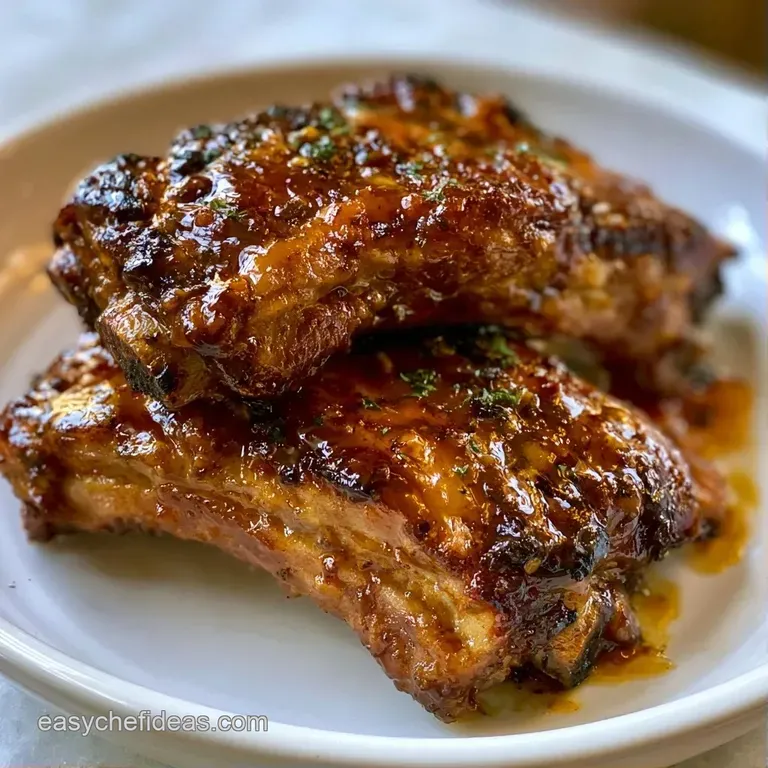
You don't need a fancy kitchen to pull this off, but a few specific tools make it easier. I always use a small saucepan with a heavy bottom. Thin pans create "hot spots" where the sugar can burn even if the rest of the sauce is cool.
A silicone whisk is my best friend here. It gets into the corners of the pan and doesn't scratch the surface. If you don't have one, a standard metal whisk works, but just be careful not to scrape the bottom too hard.
Simple Cooking Steps
Let's crack on with the actual cooking. Keep your eye on the pan, as things happen fast once it starts bubbling.
- Combine the light brown sugar, unsalted butter, and your liquid (water or cider vinegar) in a small saucepan over medium heat.
- Whisk constantly until the butter is completely melted and the sugar has dissolved into a uniform liquid.
- Increase the heat slightly to bring the mixture to a gentle simmer.
- Let it bubble for 2-3 minutes until you see thick, slow bubbles and it reaches the syrup stage. Note: Don't stir too aggressively now or you might introduce air.
- Remove the pan from the heat immediately.
- Stir in vanilla extract for a sweet finish or Dijon mustard for a savory kick.
- Let it sit for 1 minute to thicken slightly before drizzling.
Fixing Glaze Mishaps
The most common issue is the glaze becoming too thin or turning into a hard candy. According to Serious Eats, controlling the temperature of sugar is all about reaching the right stage without overshooting into "hard crack" territory.
Why Your Glaze is Grainy
This usually happens if the sugar didn't dissolve fully before the simmering started. If you see crystals, you can add a tiny splash of water and whisk over low heat to smooth it out.
Why Your Glaze is Too Runny
You likely didn't simmer it long enough. Put it back on the heat for another 60 seconds, but watch it like a hawk so it doesn't burn.
| Problem | Root Cause | Solution |
|---|---|---|
| Bitter taste | Overcooked/Burnt | Start over; you can't "un burn" sugar |
| Separating | Butter melted too fast | Whisk vigorously on low heat to re emulsify |
| Too thick | Simmered too long | Stir in 1 tsp of warm water |
Common Mistakes Checklist
- ✓ Never leave the pan unattended while simmering.
- ✓ Avoid using "high" heat; medium is your friend.
- ✓ Ensure sugar is packed in the measuring cup.
- ✓ Pull the pan off the heat before it looks exactly how you want it (it thickens as it cools).
- ✓ Don't add the salt at the very end; let it dissolve in the heat.
Tasty Flavor Twists
This base is like a blank canvas. For a dessert, I love adding a pinch of cinnamon. If you're doing an Easy brown sugar glaze for chicken, try adding a dash of smoked paprika and a splash of soy sauce.
If you want something more complex, you can mimic the tang of a Sweet and Sour Sauce by increasing the vinegar and adding a pinch of ginger powder. For a heavy hitting meal, this also works as a finishing touch for St. Louis Ribs.
Savory Power Plays
Try adding garlic powder or a squeeze of lime. These work beautifully for Easy brown sugar glazed carrots.
Sweet Dessert Twists
Stir in a tablespoon of maple syrup or a drop of almond extract. This turns it into a wonderful brown sugar glaze for cake.
Storage and Reheating
If you have leftovers, store them in an airtight glass jar in the fridge for up to 2 weeks. The glaze will thicken and potentially solidify in the cold, which is normal.
To reheat, place the jar in a bowl of warm water or microwave it in 15 second bursts. Give it a good stir between bursts to ensure the heat is distributed evenly. If it seems too thick after reheating, just add a teaspoon of water.
For zero waste, if you have a tiny bit of glaze left in the pan, don't scrub it out. Pour a little hot water in, simmer it, and you've got a quick syrup for pancakes.
Great Side Pairings
To make the dish look stunning, focus on color balance. Since the glaze is a deep, warm amber, you need contrasting colors to make the plate pop.
- 1. Bright Green
- Add fresh parsley or sliced scallions right before serving to contrast the brown.
- 2. Vibrant Red
- Pomegranate seeds or thin slices of red chili add a sharp visual hit.
- 3. Crisp White
- A dollop of Greek yogurt or a sprinkle of coarse sea salt provides a clean break from the rich colors.
These accents shouldn't just look good; they add the acidity or crunch needed to balance the sweetness of the Easy Brown Sugar Glaze.
Recipe FAQs
How to make this brown sugar glaze?
Combine light brown sugar, unsalted butter, and water or apple cider vinegar in a saucepan over medium heat. Whisk until the sugar dissolves, then simmer for 2 3 minutes before removing from heat.
How to melt the brown sugar properly?
Whisk the brown sugar with butter and liquid over medium heat. Keep stirring constantly until the butter is completely melted and the mixture becomes a uniform liquid.
Can I use brown sugar for a glaze?
Yes, it is the ideal base. Its molasses content creates a rich flavor and a thick consistency that clings perfectly to proteins and desserts.
How do I make the glaze shiny?
Simmer the mixture for 2 3 minutes. Allowing the liquid to bubble slightly reaches the syrup stage, which creates a professional, glossy sheen.
Can this glaze be used for salmon?
Yes, it makes a delicious sweet topping for fish. If you enjoy this flavor profile, see how we use similar sweet and-smoky principles in our baked beef ribs.
How to store leftover glaze?
Place the glaze in an airtight glass jar in the fridge. It will remain fresh and usable for up to 2 weeks.
Is it true the glaze is ruined if it solidifies in the fridge?
No, this is a common misconception. Thickening in the cold is normal; simply reheat it in 15-second microwave bursts or a bowl of warm water to restore the texture.
Easy Brown Sugar Glaze