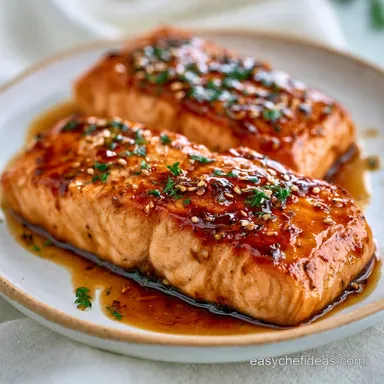
Oven Baked Salmon Glaze: Sticky and Golden
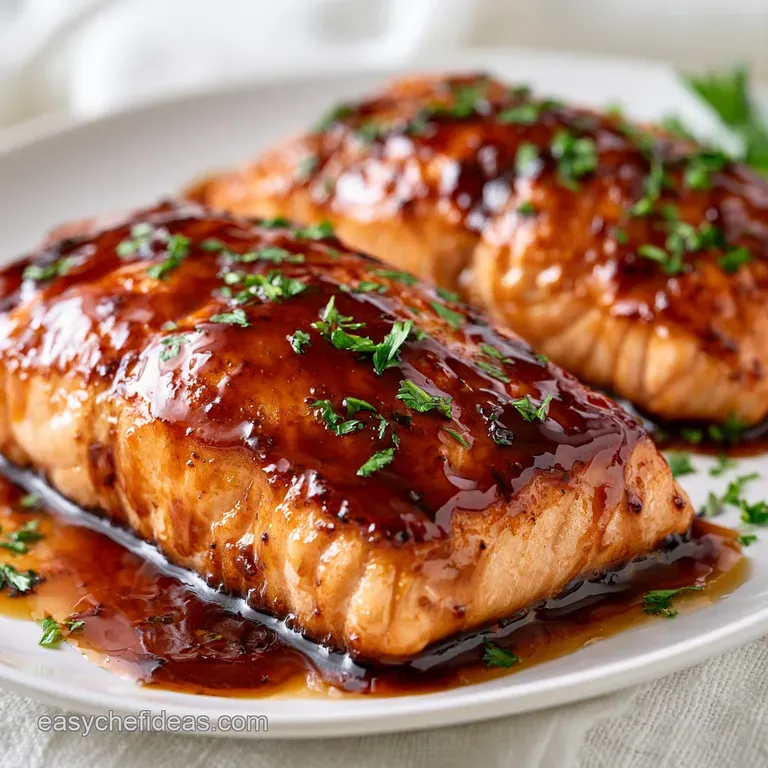
- Time: 10 min active + 15 min cooking = Total 25 min
- Flavor/Texture Hook: Velvety, flakey fish with a sticky, bubbling golden brown crust
- Perfect for: Nourishing weeknight dinner for the family or a simple guest meal
The Best Oven Baked Salmon Glaze
Imagine the smell of honey and toasted garlic filling your kitchen, that scent that tells you dinner is actually going to be good. I remember the first time I tried to make a "fancy" salmon dinner, and I was convinced that if I didn't sear it in a pan first, it wouldn't have any character.
I spent twenty minutes fighting with a splashing pan of oil, only to end up with fish that was burnt on the outside and raw in the middle. It was a mess, and honestly, it took the joy out of the meal.
But then I realized that the oven does most of the heavy lifting if you just give it the right tools. By using a thick, sugar based coating, you get that same deep, caramelized flavor without the chaos of a stovetop.
The magic happens when the honey and brown sugar hit that 400°F heat, bubbling up and hugging the salmon in a way that locks in the juices.
This Oven Baked Salmon Glaze isn't just about the sweetness, though. It's about building layers of taste. We start with a simple seasoning, move into a bold, umami rich glaze, and finish with the high heat of the oven to tie it all together.
It's a way to nourish your community at the table with something that feels special but doesn't leave you exhausted by the time you sit down to eat.
Why This Dish Wins
Forget the idea that you need a professional grill to get a sticky, charred finish on your seafood. The trick here is all in how the sugars react to the oven's heat. We aren't just cooking the fish, we're essentially lacquering it.
- Sugar Caramelization
- The honey and brown sugar melt and then brown, creating a thick, velvety shell that traps moisture.
- Acid Balance
- Lemon juice cuts through the richness of the salmon fats, keeping the flavor bright.
- Umami Depth
- Soy sauce provides a salty, fermented base that prevents the glaze from tasting like candy.
- Aromatic Infusion
- Garlic and ginger seep into the surface of the fish as the glaze bubbles.
The result is a contrast in textures. You get that slightly tacky, concentrated flavor on the top and a tender, buttery flake underneath. If you're used to the intense heat of a pan seared salmon method, you'll find this version much more forgiving and consistent across multiple fillets.
| Method | Time | Texture | Best For |
|---|---|---|---|
| Pan Sear | 12 min | Crispy skin, tender center | Single fillets |
| Oven Baked | 15 min | Sticky glaze, uniform cook | Family meals |
| Poaching | 10 min | Soft, buttery, clean | Healthy breakfasts |
Ingredient Deep Dive
When we talk about flavor layers, every single ingredient in this Oven Baked Salmon Glaze has a specific job. It's not just a random mix of pantry staples, it's a calculated balance of salty, sweet, and sour.
| Ingredient | Science Role | Pro Secret |
|---|---|---|
| Honey | Viscosity & Sweetness | Use a runny honey for easier whisking |
| Soy Sauce | Salt & Color | Use low sodium to control the saltiness |
| Brown Sugar | Rapid Browning | Adds a molasses depth that white sugar lacks |
| Lemon Juice | pH Balance | Freshly squeezed only; bottled is too bitter |
Right then, let's look at how these ingredients actually interact. The honey provides the body, the soy provides the salt, and the brown sugar ensures we get those deep golden bubbles.
When these combine, they form a syrup that clings to the oil rubbed surface of the salmon, creating a barrier that prevents the fish from drying out too quickly in the high heat.
Gear For The Job
You don't need a kitchen full of gadgets for this. A simple rimmed baking sheet is your best friend here. I always use parchment paper because there is nothing worse than trying to scrub burnt honey and soy sauce off a metal pan. It's a nightmare.
A pastry brush is the only "special" tool. You could use a spoon, but a brush lets you get into all the nooks and crannies of the fillets, ensuring every bite is coated. If you don't have one, a clean paper towel folded into a small square works in a pinch, though it's not as satisfying.
Finally,, a meat thermometer is a non negotiable for me. Salmon goes from "perfect" to "cardboard" in about three minutes. Checking the internal temperature is the only way to be sure you're hitting that sweet spot of 135-140°F.
Bringing It Together
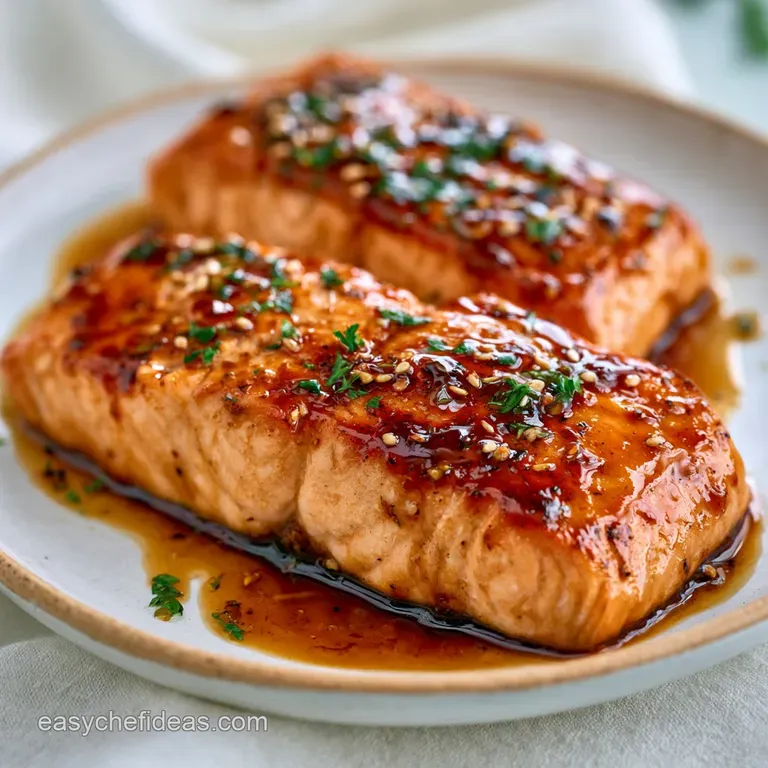
Let's get into the actual process. The secret to a great Oven Baked Salmon Glaze is starting with a completely dry piece of fish. If the salmon is damp, the oil and seasonings will just slide off, and your glaze won't stick.
For the Salmon
- 1.5 lbs salmon fillets Why this? Standard size for 4 portions
- 1 tbsp olive oil Why this? High smoke point for the oven
- 1/2 tsp salt Why this? Draws out moisture for better searing
- 1/4 tsp black pepper Why this? Adds a subtle, woody heat
For the Honey Garlic Glaze
- 3 tbsp honey Why this? Creates the sticky, lacquered texture
- 2 tbsp soy sauce Why this? Adds umami and deep color
- 1 tbsp fresh lemon juice Why this? Brightens the heavy sugars
- 3 cloves garlic, minced Why this? Pungent, savory aromatic
- 1 tbsp brown sugar Why this? Boosts the caramelization process
- 1/2 tsp grated fresh ginger Why this? Adds a zesty, clean spice
| Original Ingredient | Substitute | Why It Works |
|---|---|---|
| Honey (3 tbsp) | Maple Syrup (3 tbsp) | Similar viscosity. Note: Adds a woody, autumnal flavor |
| Soy Sauce (2 tbsp) | Tamari (2 tbsp) | gluten-free alternative. Note: Slightly richer, saltier taste |
| Brown Sugar (1 tbsp) | Coconut Sugar (1 tbsp) | Lower glycemic. Note: Less caramelization, more earthy |
| Fresh Ginger (1/2 tsp) | Ginger Powder (1/4 tsp) | Concentrated flavor. Note: Lacks the fresh "zing" |
Now, we move into the actual cooking. Trust me on the drying part - it really makes a difference.
- Preheat your oven to 400°F (200°C) and line a large rimmed baking sheet with parchment paper.
- Pat the salmon fillets completely dry with paper towels, then rub each fillet with olive oil, salt, and pepper. Note: Dry fish equals a better crust
- In a small bowl, whisk together the honey, soy sauce, lemon juice, minced garlic, brown sugar, and ginger until the sugar is fully dissolved.
- Using a pastry brush, generously coat the top and sides of each salmon fillet with the honey garlic glaze. Note: Don't be shy with the glaze
- Bake for 12–15 minutes until the glaze bubbles and turns a deep golden brown.
- Use a thermometer to ensure the salmon reaches an internal temperature of 135-140°F (57-60°C).
- Remove from the oven and let the fillets rest for 5 minutes. Note: This lets the juices redistribute
- Spoon any leftover glaze from the pan back over the fish before serving.
Chef's Note: If you want a more intense look, you can turn on the broiler for the last 60 seconds. Just watch it like a hawk, because honey goes from "golden" to "burnt" in a heartbeat.
Fixing Common Glaze Issues
One of the most frustrating things is when you pull the fish out and the glaze looks pale or, worse, has slid right off the side. Usually, this comes down to the temperature of the oven or the moisture on the fish.
Troubleshooting Common Issues
| Issue | Solution |
|---|---|
| Why Your Glaze Didn't Stick | If the glaze is pooling on the parchment paper instead of clinging to the salmon, you likely skipped the drying step. Water creates a barrier between the oil and the fish, which then prevents the glaz |
| Why Your Salmon Is Dry | Overcooking is the enemy. Many people wait until the fish is "opaque" all the way through, but by then, it's often too late. The carryover heat will continue to cook the fish while it rests, so pullin |
| Why Your Glaze Burnt | Honey and brown sugar are highly reactive to heat. If your oven runs hot or the fillets are very thin, 15 minutes might be too long. Keep an eye on the bubbles; once they are dark golden and viscous, |
- ✓ Pat fish bone dry before oiling
- ✓ Use a rimmed sheet to catch glaze runoff
- ✓ Pull fish 5 degrees before your target temp
- ✓ Whisk sugar completely into the glaze first
- ✓ Let the fish rest before plating
Fresh Flavor Variations
Once you've nailed the basic Oven Baked Salmon Glaze, you can start playing with the profile. I love adapting this recipe based on what I have in the fridge. It's a great way to keep the menu diverse for the family.
If you're in the mood for something with a bit more heat, try adding a teaspoon of Sriracha or red pepper flakes to the glaze. This creates a "Sweet and Spicy" vibe that pairs beautifully with steamed bok choy. For those who love a punchier, vinegary hit, you can swap the lemon juice for rice vinegar.
For a completely different direction, you can skip the honey and use a buffalo sauce base mixed with a bit of melted butter. It's a more aggressive flavor, but it works surprisingly well with the richness of the salmon.
Decision Shortcut:
- If you want a zesty kick, add 1 tsp of orange zest to the honey.
- If you want a deeper umami, add 1 tsp of Worcestershire sauce.
- If you want it Paleo, replace honey and brown sugar with maple syrup.
Storage And Reheating Guide
Salmon is one of those dishes that is great fresh, but can be tricky to handle as leftovers. If you store it wrong, the glaze can become tacky and the fish can get a "fishy" smell.
Store any leftover fillets in an airtight glass container in the fridge for up to 3 days. I recommend keeping the remaining glaze in a separate small jar. This prevents the fish from becoming soggy as it sits.
When it comes to reheating, please, I beg you, avoid the microwave. Microwaves vibrate water molecules, which overcooks the protein almost instantly, leaving you with rubbery fish.
Instead, put the salmon in a 250°F (120°C) oven for about 10 minutes, or gently warm it in a pan over low heat with a splash of water to create steam.
As for freezing, you can freeze the raw, marinated salmon for up to 2 months. However, don't freeze the already cooked fish, as the texture of the glaze changes and becomes grainy once thawed.
To reduce waste, don't toss your lemon rinds or the ends of your ginger root. I usually throw them into a freezer bag with other veggie scraps to make a homemade stock later, or I zest the lemon before juicing it to use in a salad dressing.
Serving And Pairing Ideas
The beauty of an Oven Baked Salmon Glaze is that it's a complete flavor profile on its own, so you want side dishes that provide a contrast. Since the glaze is sweet and savory, something green and bitter or fresh and acidic works best.
I love serving this with a side of roasted asparagus or garlicky sautéed spinach. The bitterness of the greens cuts right through the honey. If you need a starch, a wild rice blend or a fluffy quinoa salad with cucumber and parsley adds a nice textural contrast to the velvety fish.
For a more "bowl" style meal, place the salmon over a bed of jasmine rice, add some sliced avocado, shredded carrots, and a sprinkle of sesame seeds. It transforms the meal into something that feels like a professional nourish bowl.
Finally, don't forget a fresh squeeze of lemon right before the fish hits the table. That final hit of acid wakes up all the other flavors and makes the colors of the glaze pop, making the whole dish look as good as it tastes.
Recipe FAQs
What is a good glaze to go on salmon?
A blend of honey, soy sauce, lemon juice, minced garlic, brown sugar, and ginger. This mix creates a sweet savory crust that caramelizes perfectly when baked at 400°F.
Do you glaze salmon before or after cooking?
Glaze before baking. Applying the mixture first allows the sugars to bubble and thicken into a sticky, golden brown coating during the 12 15 minute cook time.
How to make the glaze stick to the salmon fillets?
Pat the salmon completely dry with paper towels. Removing surface moisture ensures the olive oil and glaze adhere to the fish rather than pooling on the parchment paper.
Is it true that salmon must be cooked until opaque to be safe?
No, this is a common misconception. You should pull the fillets when the internal temperature reaches 135-140°F, as carryover heat will finish the cooking while the fish rests.
How to prevent the glaze from burning in the oven?
Bake for no more than 12 15 minutes. Because honey and brown sugar scorch quickly, monitor the fillets closely until they reach a deep golden brown.
What are the best seasonings to use before glazing?
Rub the fillets with olive oil, salt, and pepper. This simple base enhances the natural flavor and helps the glaze cling to the surface. If you enjoyed layering flavors here, see how we use a similar approach in our baked fish Florentine.
How to reheat leftover glazed salmon without drying it out?
Avoid the microwave entirely. Reheat the fillets gently in a pan or oven to prevent the protein from becoming rubbery and the glaze from turning tacky.
Oven Baked Salmon Glaze