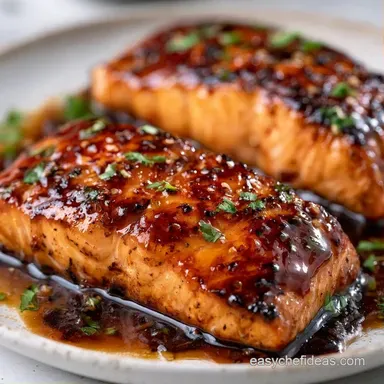
Baked Honey Soy Salmon: Sticky and Caramelized
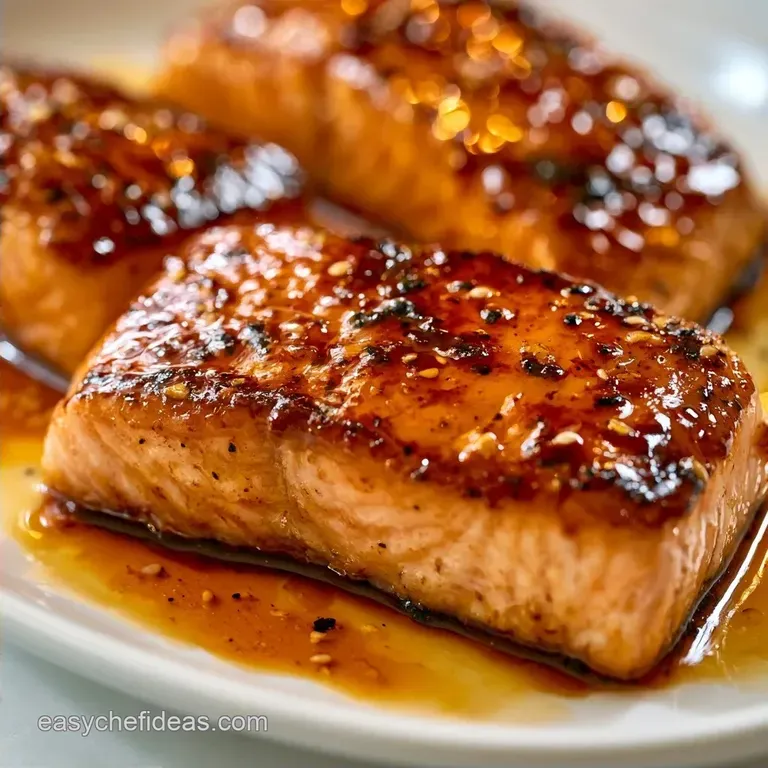
- Time: 10 min active + 15 min cook = 25 min total
- Flavor/Texture Hook: Sticky, caramelized edges with a silky, flaky center
- Perfect for: Busy weeknight dinner, beginner friendly seafood night
That smell of bubbling honey and toasted garlic hitting a hot oven is honestly the best part of my Tuesday. A few months back, I was staring at two salmon fillets and a fridge that felt empty, just wanting something that felt like a treat but didn't require a mountain of pots and pans.
I remember the exact moment I pulled the tray out, and the glaze had these tiny, dark, burnt sugar spots that looked like they came from a professional kitchen.
The result was a piece of fish that felt luxurious but took less time than ordering takeout. You get this incredible contrast where the outside is almost candy like and the inside stays tender and juicy. It's the kind of meal that makes you feel like you have your life together, even if you're wearing pajamas at 7 PM.
This Baked Honey Soy Salmon isn't about complex techniques or fancy gear. It's about layering a few punchy flavors - salty, sweet, and acidic - and letting the oven do the heavy lifting. You'll get a meal that nourishes your body with omega-3s while satisfying that craving for something bold and savory.
Baked Honey Soy Salmon Secrets
Let's talk about why this actually works. It's not just about mixing stuff in a bowl; there's a bit of a process here that ensures you don't end up with a soggy mess or a piece of charcoal.
Sugar Caramelization: The honey contains natural sugars that brown quickly under high heat, creating that sticky lacquer.
Acid Balance: The rice vinegar cuts through the richness of the salmon fats, preventing the dish from feeling too heavy.
Two Stage Heat: Baking first cooks the fish through, while the broil finish creates the charred, concentrated flavor on top.
Aroma Layering: Ginger and garlic infuse the fish during the initial bake, then intensify when the glaze bubbles.
| Method | Time | Texture | Best For |
|---|---|---|---|
| Oven Baked | 15 mins | Evenly cooked, sticky top | Meal prep, low mess |
| Pan Seared | 10 mins | Crispy skin, buttery | Single servings, fast sear |
| Broiled Only | 8 mins | Charred, potentially dry | Extreme rush, thin fillets |
I've found that using the oven is the way to go for this specific flavor profile. While pan searing is great for skin, the honey in this marinade would burn in a pan long before the center of the fish was cooked. The oven gives you a controlled environment where the glaze can thicken without turning into carbon.
Ingredient Component Analysis
Before we get into the list, it's helpful to understand what each part is doing. We're building layers of flavor here, starting from the deep umami of the soy and ending with the bright pop of lemon.
| Ingredient | Science Role | Pro Secret |
|---|---|---|
| Honey | Thickener/Sweetener | Use a runny honey for easier whisking |
| Soy Sauce | Umami/Salt | Low sodium version lets the honey shine |
| Rice Vinegar | pH Balancer | Adds a "tang" that mimics professional glazes |
| Fresh Ginger | Aromatic | Grate it fine to avoid woody chunks |
When you're picking your salmon, try to find center cut fillets. They have a consistent thickness, which means the edges won't overcook while you're waiting for the middle to reach that flaky stage.
If you have fillets with varying thicknesses, you can gently press the thinner end with a piece of foil to keep it from drying out.
The Pantry List
Here is exactly what you need. I've kept this simple, using things you probably already have in your cupboard.
- 2 center cut salmon fillets (approx 6 oz each) Why this? Consistent thickness ensures even cooking
- 1/4 cup honey Why this? Provides the sticky, caramelized crust
- 2 tbsp soy sauce Why this? Adds salt and deep savory notes
- 1 tbsp rice vinegar Why this? Cuts the sweetness with a sharp edge
- 2 cloves garlic, minced Why this? Adds a pungent, aromatic base
- 1 tsp fresh ginger, grated Why this? Gives it a fresh, zesty bite
- 1 tsp toasted sesame oil Why this? Adds a nutty, toasted finish
- 1/2 tsp black pepper Why this? Subtle heat to balance the honey
- 2 stalks green onions, thinly sliced
- 1 tsp sesame seeds, toasted
- 1 lemon, cut into wedges
Quick Swaps:
- Honey → Maple Syrup: Works great, but adds a woody, autumnal note.
- Soy Sauce → Coconut Aminos: Same salty vibe, lower sodium, slightly sweeter.
- Rice Vinegar → Apple Cider Vinegar: A bit fruitier, but the acidity is similar.
- Fresh Ginger → 1/2 tsp Ground Ginger: Less punchy, but gets the job done.
The Cooking Process
Right then, let's get into it. The key here is the "dry and glaze" method. If the fish is wet when it goes in, the sauce just slides off instead of sticking.
Step 1: Prep for Maximum Sear
Pat the salmon fillets completely dry with paper towels. This is a step a lot of people skip, but it's the difference between a glaze that clings and a glaze that pools. Place them on a lined baking sheet, skin side down.
Step 2: Whisk the Glaze
In a small bowl, whisk together the honey, soy sauce, rice vinegar, minced garlic, grated ginger, and sesame oil. Keep whisking until the sauce is smooth and the honey has fully integrated.
Step 3: The First Glaze and Bake
Pour approximately two thirds of the honey soy marinade over the fillets. Use a spoon to make sure they are generously coated on top and the sides. Bake at 400°F (200°C) for 10-12 minutes.
Listen for the slight sizzle as the sugars begin to bubble.
Step 4: The over High heat Finish
Brush the remaining glaze over the fillets. Switch your oven to 'Broil' (high). Cook for 2-3 minutes. Watch it like a hawk! Wait until you see the glaze bubble and develop charred, dark brown spots.
Step 5: Resting and Garnishing
Remove from the oven and let the salmon rest for 3 minutes. This allows the juices to redistribute so the fish stays silky. Garnish with sesame seeds, sliced green onions, and a squeeze of fresh lemon.
Chef's Note: If you want a more intense flavor, let the salmon marinate in the first batch of sauce for 30 minutes in the fridge before baking. Just don't go over 2 hours, or the vinegar will start to "cook" the fish and change the texture.
Handling Common Problems
Even with a simple recipe, things can go sideways. Usually, it's just a matter of timing or temperature.
Troubleshooting Common Issues
| Issue | Solution |
|---|---|
| Why Your Salmon Has White Spots | You might see a white, cloudy substance seeping out of the fish. This is called albumin. It's just a protein that pushes out when the muscle fibers contract from heat. |
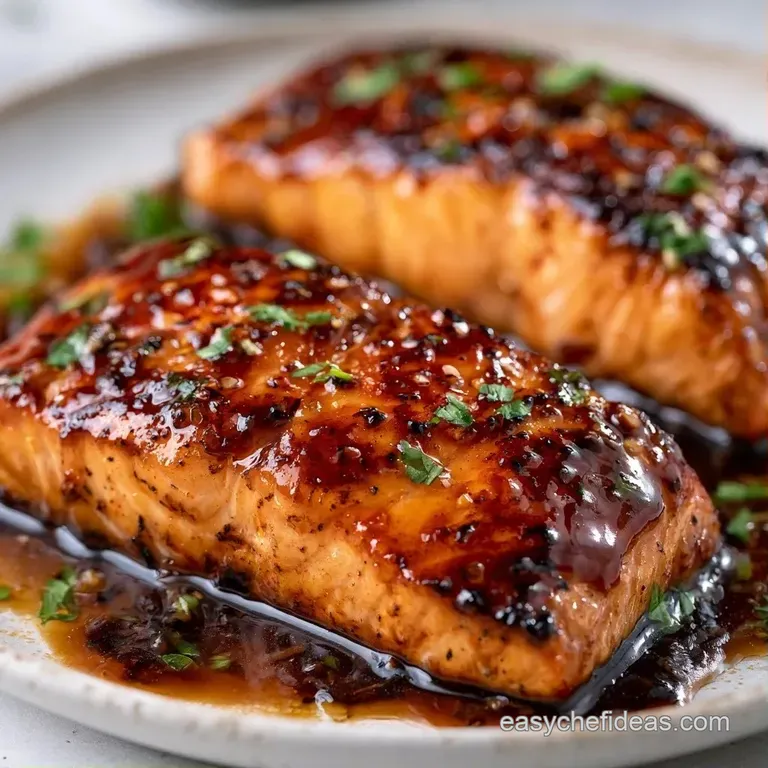
| Why the Glaze Burnt Quickly | Honey has a low burn point. If your broiler is extremely powerful, those dark spots can turn into black charcoal in seconds. |
| How to Tell It's Done | The salmon should be opaque and flake easily with a fork. If you have a meat thermometer, aim for 135°F to 140°F for a medium finish. |
Mistakes to Avoid:
- ✓ Don't skip patting the fish dry.
- ✓ Don't use a high sugar honey if your oven runs hot.
- ✓ Don't flip the fish during the baking process.
- ✓ Don't forget the lemon squeeze at the end - it's vital for balance.
Adjusting the Batch Size
If you're cooking for a crowd or just yourself, you can easily scale this Baked Honey Soy Salmon.
Scaling Down (1 Fillet): Use half the marinade. Be careful with the broiling time, as a single fillet can cook faster than a full tray. Reduce the total bake time by about 20%.
Scaling Up (4-6 Fillets): Don't just double the salt and soy; go for about 1.5x the seasonings to avoid over salting. Use two baking sheets if needed - crowding the pan creates steam, which prevents the glaze from getting that sticky, charred finish. According to Serious Eats, airflow is critical for achieving a proper roast rather than a steam.
If you find yourself making this often, you might want to whip up a larger batch of a base sauce. For something similar but slightly different, my easy homemade teriyaki sauce is a great alternative that works on almost any protein.
Common Kitchen Myths
"Searing seals in the juices" This is a classic myth. Searing creates a crust for flavor, but it doesn't create a waterproof seal. Moisture loss happens regardless of how you start the cook. The key to juicy fish is the internal temperature, not the sear.
"Frozen salmon is always lower quality" Actually, most "fresh" salmon at the store was frozen at sea anyway. Flash frozen fillets often preserve the nutrients and fats better than "fresh" fish that has sat on a truck for days. Just make sure to thaw it slowly in the fridge.
Storage Guidelines
If you have leftovers, store them in an airtight container in the fridge for up to 3 days.
Reheating Tips: Avoid the microwave if you can, as it will make the salmon rubbery. Instead, put the fillet in a 300°F (150°C) oven for about 5-8 minutes. Add a tiny splash of water or a pat of butter to the tray to keep it moist.
Zero Waste Ideas: Don't toss the salmon skin if you've removed it. You can crisp it up in a pan with a little oil and salt to make "salmon chips." Also, use any leftover marinade as a base for a stir fry sauce for vegetables.
Best Serving Suggestions
This dish is quite bold, so you want sides that provide a fresh or neutral contrast.
The Fresh Balance: A crisp cucumber salad with rice vinegar and sesame seeds works beautifully. The cold, crunchy texture cuts through the richness of the fish.
The Classic Pairings: Steamed jasmine rice or quinoa is the go to for soaking up that extra honey soy sauce. If you're looking for a more indulgent side, you might enjoy a pan seared salmon approach for other meals, but for this specific recipe, steamed bok choy or roasted broccoli are the winners.
A Quick Tip: Try serving this on a bed of fresh spinach. The heat from the salmon slightly wilts the leaves, and the glaze acts as a built in dressing for the greens. It turns a simple dinner into a complete, nourishing meal.
High in Sodium
1120 mg 1120 mg of sodium per serving (49% 49% of daily value)
The American Heart Association recommends a daily sodium limit of no more than 2,300 mg, with an ideal limit of 1,500 mg for most adults to reduce cardiovascular risk.
Tips to Reduce Sodium
-
Swap Soy Sauce-30%
Replace regular soy sauce with low-sodium soy sauce or coconut aminos, which can significantly lower the salt content of the glaze.
-
Enhance with Citrus-15%
Increase the lemon juice or add fresh lemon zest to the marinade; the acidity mimics the 'bite' of salt, allowing you to use less soy sauce.
-
Dilute the Sauce-10%
Mix the soy sauce with a tablespoon of water or additional rice vinegar to reduce the sodium concentration while maintaining the volume of the sauce.
-
Amplify Aromatics
Double the amount of fresh ginger and minced garlic to add bold, pungent flavors that distract the palate from the reduced salt level.
Recipe FAQs
How to cook honey soy salmon in the oven?
Bake at 400°F for 10-12 minutes and then broil for 2-3 minutes. Coat the fillets in the glaze, bake until nearly done, and finish under the broiler until the top bubbles and chars.
Is it better to bake salmon at 350 or 400 in the oven?
Stick with 400°F. The higher heat cooks the fish quickly to keep it moist while allowing the honey to caramelize effectively.
How long do you bake honey salmon?
Bake for 10-12 minutes, followed by 2-3 minutes of broiling. Most fillets reach the ideal internal temperature of 135°F to 140°F within this timeframe.
Why does my baked salmon have white spots?
This is albumin, which is a natural protein. It pushes out of the muscle fibers as they contract from the heat and is perfectly safe to eat.
How to cook this salmon for a diabetic or keto diet?
Substitute the honey with a sugar-free syrup or keto sweetener. If you enjoyed the sweet tart balance here, see how we use the same acid technique in our sweet and sour sauce.
How to reheat leftover salmon?
Warm in a 300°F oven for 5-8 minutes. Avoid the microwave, as it often makes the fish rubbery and dry.
Is it true that patting the salmon dry is an unnecessary step?
No, this is a common misconception. Removing surface moisture ensures the honey soy glaze clings to the fillet instead of pooling on the baking sheet.
Baked Honey Soy Salmon