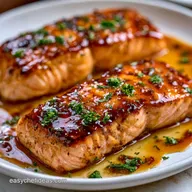
Honey Garlic Salmon Glaze: Sticky and Savory
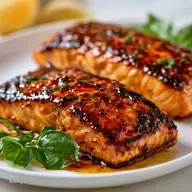
This fast-acting glaze creates a thick, caramelized coating in the pan, making it a reliable choice for busy evenings when you need high-impact flavor in 20 minutes.
sticky garlic glaze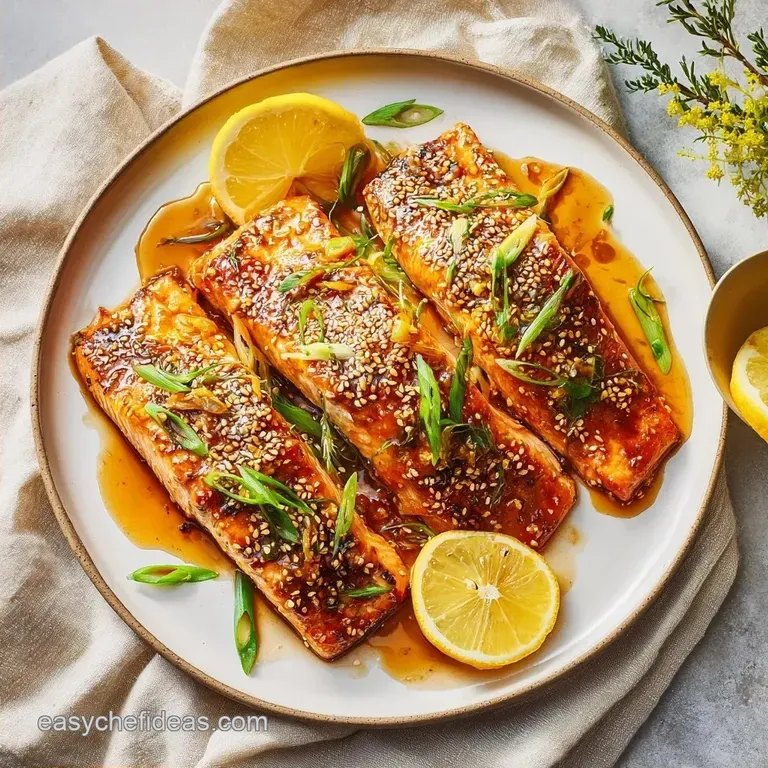
Salmon and honey-garlic glaze are a reliable pairing for weeknight dinners because the natural fats in the fish balance the sharp sweetness of the sauce. This combination works well for home cooks who need a high-impact meal using standard pantry staples like soy sauce, garlic, and honey.
Whether you prefer the high heat of a skillet to create a caramelized crust or the even temperature of an oven for thick fillets, these methods ensure juicy results. Most of these recipes transition from prep to table in under 25 minutes, making them a practical choice for busy schedules.
Cooking salmon in a skillet allows the honey to caramelize quickly against the high heat, forming a dark, glossy crust. These pan-seared methods are ideal for when you want a high-contrast texture between the crispy exterior and the tender interior of the fish.
This fast-acting glaze creates a thick, caramelized coating in the pan, making it a reliable choice for busy evenings when you need high-impact flavor in 20 minutes.
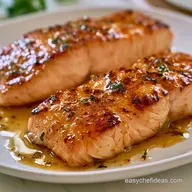
sticky garlic glazeA balanced approach to the traditional glaze, this version focuses on a clean flavor profile that lets the quality of the fish shine through with every bite.
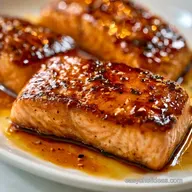
classic gloss finishBaking is a reliable way to cook thick fillets evenly while allowing the honey soy salmon marinade to thicken into a rich coating. These recipes focus on the hands-off convenience of the oven, making them a preferred choice for meal prep or larger family dinners.
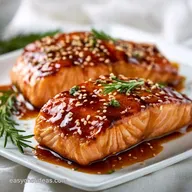
Adding soy sauce brings a salty depth to the sweetness of the honey, resulting in a rich finish that pairs perfectly with steamed greens or white rice.
savory soy infusionUsing a simple marinade technique, this recipe emphasizes juiciness over a heavy crust, making it a lighter, refreshing option for a wholesome weeknight dinner.
mild marinade styleThis recipe uses the oven to gently cook the fish while the sauce thickens naturally, reducing the need for constant monitoring at the stovetop.
hands-off oven method| # | Recipes | Best For | Time | Difficulty | Pairs Best With |
|---|---|---|---|---|---|
| 1 | Honey Garlic Salmon Glaze | fast weeknight meals | 20 min | Easy | steamed broccoli |
| 2 | Sweet Savory Salmon Glaze | restaurant-style crust | 20 min | Easy | roasted asparagus |
| 3 | Honey Soy Salmon Glaze | savory depth | 25 min | Easy | white rice |
| 4 | Simple Honey Glazed Salmon | beginner cooks | 24 min | Easy | quinoa salad |
| 5 | Baked Honey Soy Salmon | hands-off cooking | 25 min | Easy | bok choy |
Discover more curated recipe collections
Explore more recipe collections →