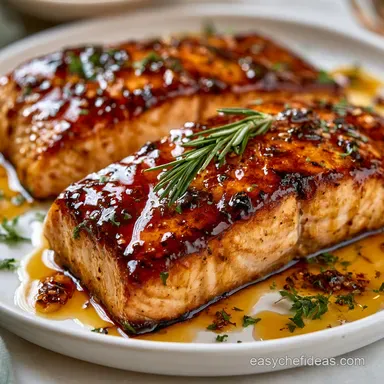
Honey Garlic Salmon Glaze: Sticky and Savory
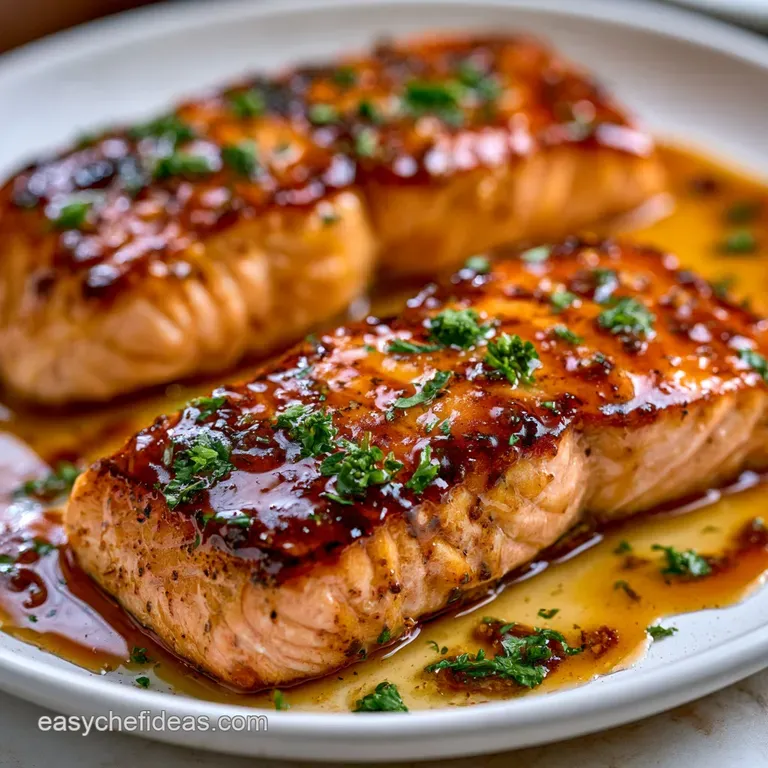
- Time: 5 min active + 15 min cook = Total 20 minutes
- Flavor/Texture Hook: Shatter crisp edges with a velvety, syrupy finish
- Perfect for: Quick weeknight dinners or impressive date nights
- The Best Honey Garlic Salmon Glaze
- Quick Recipe Specs
- Secrets of the Sauce
- Breakdown of Ingredients
- Essential Pantry Items
- The Right Tools
- Step by Step Guide
- Solving Common Issues
- Troubleshooting Common Issues
- Twists and Swaps
- Adjusting Your Portions
- Debunking Salmon Myths
- Freshness and Scraps
- Serving Your Salmon
- Recipe FAQs
- 📝 Recipe Card
The Best Honey Garlic Salmon Glaze
That first loud sizzle when the fish hits the oil is the sound of success. But for a long time, I couldn't get the sauce right. I used to dump the honey and soy in too early, and instead of a glossy coating, I ended up with a burnt, bitter black sludge that tasted like a campfire.
The honey would scorch before the salmon was even halfway cooked, leaving me with rubbery fish and a ruined pan.
The secret is all in the timing and the heat management. By searing the fillets first and adding the glaze only at the very end, you get that gorgeous contrast between the tender, flaky interior and a sticky, caramelized exterior. It's a total shift in approach that saves the dish from becoming a sugary mess.
We're aiming for a specific balance here: the salty punch of soy, the bright zip of lemon, and the rich sweetness of honey. When these hit the pan together, they create a Honey Garlic Salmon Glaze that feels professional but takes almost no effort.
Trust me, once you see that sauce bubble and thicken into a syrup, you'll never go back to boring baked fish.
Quick Recipe Specs
This dish is all about efficiency without sacrificing the nourish factor. We're using over high heat searing to lock in the texture and a quick reduction for the flavor. It's a great way to bring global influences into your kitchen while keeping the process simple.
The contrast here is the star. You have the rich, fatty nature of the salmon playing against the acidic lemon and the deep sweetness of the honey. It's a flavor map that hits every part of your palate.
Secrets of the Sauce
I've spent a lot of time wondering why some glazes slide right off the fish while others stick like glue. It comes down to how the sugars react. If you're interested in the finer points of fish textures, checking out a guide on perfectly pan seared salmon can help you understand the base layer before the glaze goes on.
- Sugar Reduction
- Honey thickens as water evaporates, creating a syrup that clings to the protein.
- Acid Balance
- Lemon juice breaks down the heaviness of the honey, keeping the glaze bright.
- Aromatic Infusion
- Sautéing garlic briefly in oil before adding liquids prevents the garlic from tasting raw.
- Protein Texture
- High heat creates a crust that provides a structural base for the glaze to grip.
| Method | Time | Texture | Best For |
|---|---|---|---|
| Fast Pan Sear | 20 mins | Crispy edges, sticky glaze | Weeknights |
| Classic Baked | 35 mins | Uniformly tender, thinner glaze | Meal prep |
| Air Fryer | 12 mins | Firm exterior, concentrated flavor | Small batches |
Breakdown of Ingredients
The magic of a Honey Garlic Salmon Glaze is that it uses a few humble pantry staples to create a complex taste. It's a great example of how simple ingredients can nourish a community when shared around a table.
| Ingredient | Science Role | Pro Secret |
|---|---|---|
| Honey | Thickening agent | Use clover honey for a milder, more floral sweetness |
| Soy Sauce | Salt and Umami | Use Tamari for a gluten-free version with deeper salt |
| Lemon Juice | pH balancer | Freshly squeezed is non negotiable for the zip |
| Garlic | Aromatic base | Mince it fine so it melts into the glaze |
Essential Pantry Items
I've found that using the right quality of honey really changes the vibe. Some honeys are too runny, while others are almost like paste. I prefer a medium bodied honey for this recipe because it reduces more predictably.
- 4 salmon fillets (6 oz each) Why this? Individual portions cook evenly and fast
- 1/2 tsp salt Why this? Draws out moisture for a better sear
- 1/4 tsp black pepper Why this? Adds a subtle woody heat
- 1 tbsp olive oil Why this? High smoke point for searing
- 1/3 cup honey Why this? The primary sweetener and thickener
- 2 tbsp soy sauce Why this? Provides the savory, salty contrast
- 1 tbsp fresh lemon juice Why this? Cuts through the fat of the salmon
- 3 cloves garlic, minced Why this? Adds pungent depth
- 1 tsp lemon zest Why this? Concentrated citrus oils for aroma
| Original Ingredient | Substitute | Why It Works |
|---|---|---|
| Honey (1/3 cup) | Maple Syrup (1/3 cup) | Similar viscosity. Note: Adds a distinct autumnal, woody flavor |
| Soy Sauce (2 tbsp) | Coconut Aminos (2 tbsp) | Lower sodium, similar color. Note: Slightly sweeter than soy |
| Olive Oil (1 tbsp) | Avocado Oil (1 tbsp) | Higher smoke point. Note: More neutral flavor, better for very high heat |
Right then, before we start, make sure your salmon is actually room temperature. If you throw a freezing cold fillet into a hot pan, the outside will overcook before the middle is even warm. Give it 15 minutes on the counter.
The Right Tools
You don't need a fancy kitchen for this, but the pan matters. I use a 12 inch stainless steel or cast iron skillet. Non stick is okay, but you won't get that same shatter crisp crust that stainless steel provides.
You'll also want a good set of tongs. Flipping salmon with a fork is a recipe for disaster, as you'll just flake the fish apart. Use tongs to keep the fillets intact. A silicone spatula is also handy for pushing the fish aside to make room for the garlic.
Step by step Guide
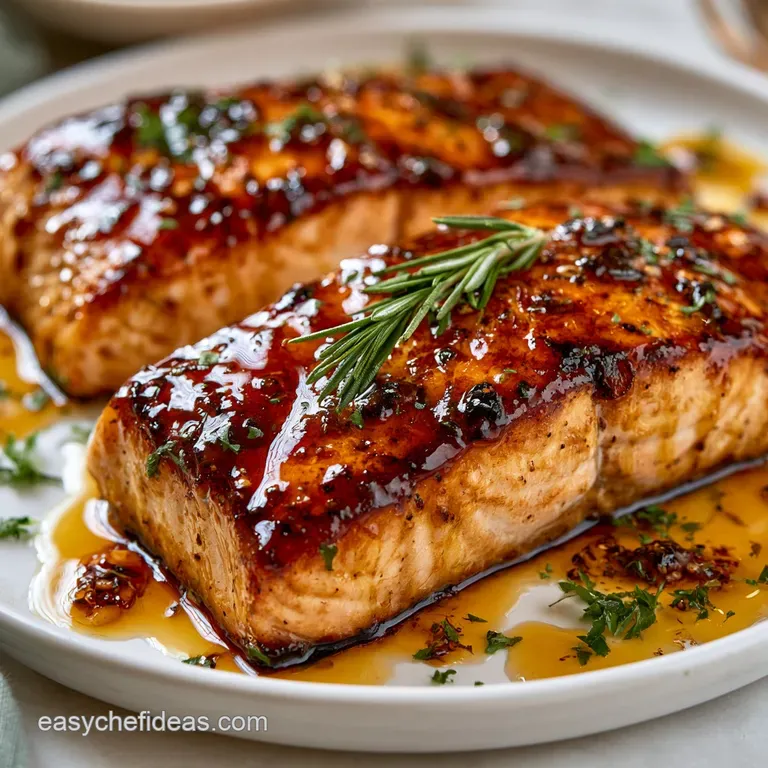
Let's crack on with the cooking. Remember to keep an eye on the heat. If the oil starts smoking aggressively, turn it down a notch.
- Pat the salmon fillets completely dry with paper towels. Note: Moisture is the enemy of a good sear
- Season both sides evenly with salt and pepper.
- Heat olive oil in a 12 inch skillet over medium high heat until shimmering.
- Place fillets skin side up and sear for 3-5 minutes until a golden brown crust forms.
- Flip the fillets and sear for another 2 minutes.
- Lower the heat to medium. Push the salmon to the side of the pan.
- Add the minced garlic, stirring for 30 seconds until it smells fragrant but isn't brown.
- Pour in the honey, soy sauce, and lemon juice. Simmer for 2-3 minutes until the mixture bubbles and thickens into a syrupy consistency.
- Spoon the thickening Honey Garlic Salmon Glaze over the fillets repeatedly for the final 2 minutes of cooking until the fish is fully coated and glossy.
Chef's Tip: For a deeper color, try adding a tiny pinch of smoked paprika to the salt and pepper mix. It doesn't change the flavor much but gives the crust a rich, reddish glow.
Solving Common Issues
The most common gripe people have is the sauce burning. Honey is basically pure sugar, and sugar burns fast. If your pan is too hot when the glaze goes in, it will turn into carbon in seconds. Always drop the heat to medium before adding the liquids.
Another issue is "white stuff" (albumin) leaking out of the salmon. That's just protein pushing out. It's harmless, but if you see too much of it, you might be cooking the fish too fast on too high a heat.
Troubleshooting Common Issues
| Issue | Solution |
|---|---|
| Why Your Glaze Is Too Thin | If the sauce is watery, you probably didn't let it simmer long enough. It needs those 2-3 minutes to reduce. Keep spooning it over the fish, and the heat from the salmon will help it thicken further. |
| Why Your Fish Is Sticking | This usually happens if the pan wasn't hot enough when the fish went in, or if you tried to flip it too early. Wait for the fish to "release" naturally from the pan. |
| Why The Garlic Tastes Burnt | Garlic burns in seconds. If you add it while the pan is screaming hot from the sear, it'll turn bitter. Push the fish aside and let the pan cool for a heartbeat before adding the garlic. |
Common Mistakes Checklist
- ✓ Did you pat the salmon dry?
- ✓ Is the heat lowered before adding honey?
- ✓ Did you wait for the sear before flipping?
- ✓ Is the garlic added only for 30 seconds?
- ✓ Did you baste the fish during the final 2 minutes?
Twists and Swaps
If you want to change the vibe of this Honey Garlic Salmon Glaze, you have a few options. For those who love a bit of heat, adding a teaspoon of sriracha or red chili flakes to the soy sauce creates a spicy version that's brilliant with steamed bok choy.
For a more "bright" version, double the lemon zest. The zest contains the oils that provide the citrus aroma without adding extra liquid that might thin the sauce. You can also swap the honey for agave if you want a more neutral sweetness.
If you're making Honey Garlic Salmon Bites, just cube the raw fish first. Sear them for 2 minutes per side, then toss them in the glaze at the end. This is a great way to serve it as an appetizer for a community gathering.
Adjusting Your Portions
Scaling this recipe is pretty straightforward, but you can't just multiply everything by four and hope for the best.
Scaling Down (Half Batch): Use a smaller 8 inch skillet. Reduce the cooking time by about 20% since there's less mass in the pan. I recommend whisking one egg in a bowl and using half if you're adding a binder for a different variation, but for this glaze, just halve the liquid measurements.
Scaling Up (Double Batch): Don't crowd the pan. If you put 8 fillets in one skillet, they'll steam instead of sear, and you'll lose that crust. Work in batches. For the glaze, increase the salt and pepper to only 1.5x, as soy sauce can become overwhelming if doubled exactly.
Reduce the liquid volume by about 10% to ensure it still thickens properly.
Debunking Salmon Myths
One big myth is that searing "seals in the juices." It actually doesn't. Moisture loss happens regardless of how you start the cook. However, the sear creates a concentrated layer of flavor that makes the fish taste better.
Another misconception is that you must cook salmon until it's opaque all the way through. According to USDA FoodData, while internal temperatures are important for safety, many people prefer a medium rare center (around 125-130°F) for a more velvety texture.
Freshness and Scraps
Store any leftover salmon in an airtight container in the fridge for up to 3 days. When reheating, avoid the microwave if possible, as it turns salmon into rubber. Instead, put it in a pan with a splash of water or butter on low heat.
For freezing, I don't recommend freezing the cooked fish with the glaze, as the honey can change texture. Freeze the raw fillets, and then make the glaze fresh.
To avoid waste, don't throw away the lemon rinds after zesting. You can freeze them in a bag and use them later to infuse vinegar or make a homemade citrus cleaner. Even the salmon skin scraps from the edges can be fried until crispy for a salty garnish.
Serving Your Salmon
To really make this dish sing, you need a side that can handle the richness of the Honey Garlic Salmon Glaze. I love serving this over a bed of jasmine rice or quinoa to soak up every drop of that syrupy sauce.
For a vegetable pairing, my roasted brussels sprouts are a fantastic match because their earthiness balances the sweet glaze. Alternatively, a simple steamed broccoli or a crisp cucumber salad with rice vinegar provides a fresh contrast.
Garnish the final plate with a sprinkle of toasted sesame seeds and some sliced green onions. The crunch of the seeds and the bite of the onions cut through the honey, making the whole meal feel complete and nourishing.
Just spoon a little extra glaze over the top right before serving to give it that final, glossy look.
Recipe FAQs
How do you make the honey garlic glaze?
Simmer honey, soy sauce, lemon juice, and minced garlic. Let the mixture bubble for 2 3 minutes until it reduces into a thick, syrupy consistency.
How to make honey garlic salmon?
Sear seasoned fillets skin side up for 3 5 minutes, flip for 2 minutes, then glaze. Lower the heat to medium, add the garlic and sauce ingredients, and spoon the glaze over the fish for the final 2 minutes.
Is this honey garlic salmon recipe keto friendly?
No, the honey makes it too high in sugar for a keto diet. For a low-carb side dish to pair with your protein, try my grilled asparagus.
Why is my honey garlic glaze too thin?
You likely didn't simmer the sauce long enough. Ensure the mixture bubbles for at least 2 3 minutes to reduce; the residual heat from the salmon also helps it thicken as you spoon it over the fillets.
Why is the salmon sticking to the skillet?
The pan likely wasn't hot enough or you attempted to flip the fish too early. Wait for the salmon to release naturally from the pan once a golden brown crust has formed.
What seasonings are best for honey garlic salmon?
Stick to salt and black pepper. These simple seasonings enhance the natural flavor of the fish without competing with the bold sweetness of the honey and soy glaze.
Is it true I should add the garlic at the beginning with the oil?
No, this is a common misconception. Garlic burns in seconds at high heat; add it only after the salmon is seared and the heat is lowered to medium to keep it fragrant.
Honey Garlic Salmon Glaze