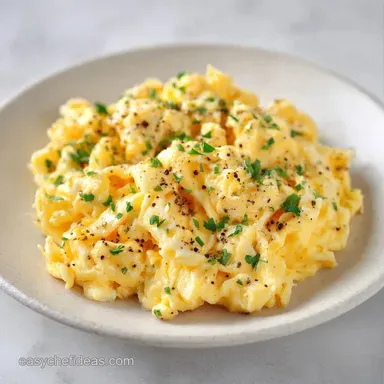
Soft Scrambled Eggs Recipe: Creamy and Tender

- Time: 2 min active + 6 min cook
- Flavor/Texture Hook: Silky, soft folds with a buttery finish
- Perfect for: A slow weekend brunch or a nourishing start to the day
The Best Soft Scrambled Eggs Recipe
The smell of butter foaming in a pan is one of those universal triggers for comfort. In many European homes, breakfast isn't a rush, but a slow ritual of nourishment. I remember visiting a small cafe in Lyon where the eggs didn't look like chunks, but more like a thick, creamy custard.
It changed how I viewed eggs entirely.
Most of us grew up with the American style, where eggs are cooked fast and hot until they're firm. But there's a whole world of diversity in how we treat this simple ingredient. Whether it's the custardy French style or the airy Japanese version, the goal is the same: tenderness.
You can expect this recipe to give you those wide, pillowy folds that just melt. We'll focus on gentle heat and timing so you don't end up with a dry plate. It's a simple shift in technique that makes a huge difference in the final bite.
Why Heat Ruins Most Eggs
The biggest issue people have is using a pan that's too hot. When eggs hit a screaming hot surface, the proteins bond too tightly and squeeze out the moisture. This is why you often see a pool of water on the plate.
According to Serious Eats, managing the temperature is the only way to prevent the proteins from over coagulating. We want the eggs to barely set, not sear.
Carryover Cooking: Eggs keep cooking for a minute after they leave the pan. If they look finished in the pan, they'll be overdone by the time you sit down.
Low Heat: Keeping the temperature steady prevents the eggs from browning or toughening.
| Method | Time | Texture | Best For |
|---|---|---|---|
| Stovetop | 6 mins | Soft & Creamy | Daily Breakfast |
| Oven | 12 mins | Uniform/Custard | Large Crowds |
Quick Recipe Details
The goal here is a specific balance of fat and protein. We aren't looking for a cake, but a soft, pourable curd.
Dairy Integration: Adding cream before cooking helps stabilize the eggs.
Salt Timing: Salting early breaks down the protein structure just enough to keep them tender.
| Ingredient | What It Does | Best Swap |
|---|---|---|
| Large Eggs | Provides the base structure | Extra large eggs (use 3) |
| Heavy Cream | Adds fat for a smoother mouthfeel | Whole milk (slightly thinner) |
| Butter | Adds richness and prevents sticking | Ghee or neutral oil |
| Sea Salt | Enhances flavor and softens proteins | Kosher salt |
The Right Pan And Tools
You really need a nonstick pan here. Stainless steel is great for steaks, but for eggs, it's a nightmare unless you use a massive amount of fat. A 8 inch pan works best for this portion size.
A silicone spatula is a must. Metal tools scratch the pan, and wooden spoons aren't flexible enough to sweep the bottom. You need to be able to push the eggs gently to create those large folds.
Chef: If you're using a butter based fat, keep an eye on the foam. When the bubbles stop popping and it starts to smell nutty, it's too hot for soft eggs.
Steps For Creamy Curds

- Crack the eggs into a bowl and add salt, pepper, and heavy cream. Whisk vigorously for 30 seconds until the yolks and whites are completely combined and the mixture is a uniform pale yellow.
- Place a nonstick pan over medium low heat. Add the butter and let it melt until it begins to foam but does not brown.
- Pour in the egg mixture and let it sit undisturbed for about 20 seconds.
- Using a silicone spatula, gently push the cooked edges toward the center using long, slow sweeps to create large, soft folds.
- As soon as the eggs look wet and slightly undercooked, remove the pan from the heat entirely to allow residual heat to finish the cooking process on the plate.
Fixing Common Egg Issues
If your eggs come out like rubber, you probably stayed on the heat too long. It happens to the best of us. The trick is to pull the pan away from the burner the second you see a "wet" sheen.
Another issue is "weeping," where liquid leaks out of the eggs. This usually happens when eggs are overcooked or salted too late.
Why Your Eggs Are Rubbery
The protein bonds became too tight because the pan was too hot.
| Problem | Root Cause | Solution |
|---|---|---|
| Rubbery Texture | Heat too high | Lower flame; pull off heat sooner |
| Watery Plate | Overcooking | Remove from pan while still slightly wet |
| Brown Edges | Pan too hot | Start with medium low; melt butter slowly |
Swaps And Flavor Twists
You can easily change the vibe of this Soft Scrambled Eggs Recipe with a few additions. If you want a more savory profile, stir in some chopped chives or a pinch of smoked paprika right at the end.
For those who love cheese, fold in a tablespoon of crumbled feta or shredded gruyère during the final sweep. Just make sure the cheese is room temperature so it doesn't cool the eggs down too fast.
If you're looking for a more hearty meal, these eggs pair great with some Breakfast Enchiladas for a big weekend spread.
| Original Ingredient | Substitute | Why It Works |
|---|---|---|
| Heavy Cream (1 tbsp) | Greek Yogurt (1 tbsp) | Similar thickness. Note: Adds a slight tang |
| Unsalted Butter (1 tbsp) | Olive Oil (1 tbsp) | High heat stability. Note: Lacks the buttery flavor |
Storing Your Leftovers
Honestly, soft eggs are best eaten the second they hit the plate. But if you have extras, put them in an airtight container in the fridge for up to 2 days.
To reheat, avoid the microwave if you can. It will turn them into rubber. Instead, put them in a small pan over low heat with a tiny bit of butter and just warm them through.
For zero waste, use any leftover egg shells in your garden compost or soak them in vinegar to make a natural cleaner for your sink.
Plating For Visual Appeal
Don't just dump the eggs on a plate. Slide them from the pan and let them naturally fold over themselves. A sprinkle of fresh parsley or a crack of fresh black pepper makes them look like they came from a bistro.
If you're feeling fancy, serve these on a toasted brioche bun to create a homemade Eggslut style sandwich. It's a great way to turn a simple breakfast into a real event.
Right then, you've got the tools and the technique. Just remember to trust the "wet" look and let the residual heat do the hard work. Enjoy your breakfast!
Recipe FAQs
What's the secret to soft scrambled eggs?
Low heat and residual cooking. Remove the pan from heat while the eggs still look slightly wet to prevent overcooking. If you enjoyed mastering temperature precision here, apply the same logic to our thin pancakes for a perfect flip.
What can a diabetic eat with scrambled eggs?
Fresh non-starchy vegetables. These provide essential nutrients without spiking blood sugar and complement the high protein content of the eggs.
What is the difference between soft scrambled eggs and regular scrambled eggs?
The texture of the curds. Regular eggs are cooked until firm and dry, while soft eggs maintain large, moist folds and a creamy consistency.
Can you add tarragon to scrambled eggs?
No, stick to the listed ingredients. Adding outside elements can alter the delicate flavor balance and creamy consistency of this specific recipe.
What's a good lunch recipe that requires eggs?
An egg salad sandwich. Hard-boiled eggs provide a filling, protein-rich midday meal that is easy to prep in advance.
What are some breakfast recipes for toddlers?
Small portions of soft scrambled eggs. The creamy texture is easy for toddlers to chew and digest, making it a nutrient-dense morning option.
How to make soft scrambled eggs like the restaurants do?
Whisk eggs with heavy cream and salt. Melt butter over medium-low heat, let the mixture sit undisturbed for 20 seconds, and use slow sweeps to create folds. Pull the pan from the heat while eggs still look wet.
Soft Scrambled Eggs Recipe in 8 Minutes