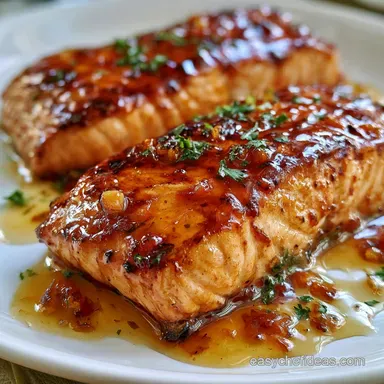
Lemon Juice Salmon Glaze: Seared and Velvety
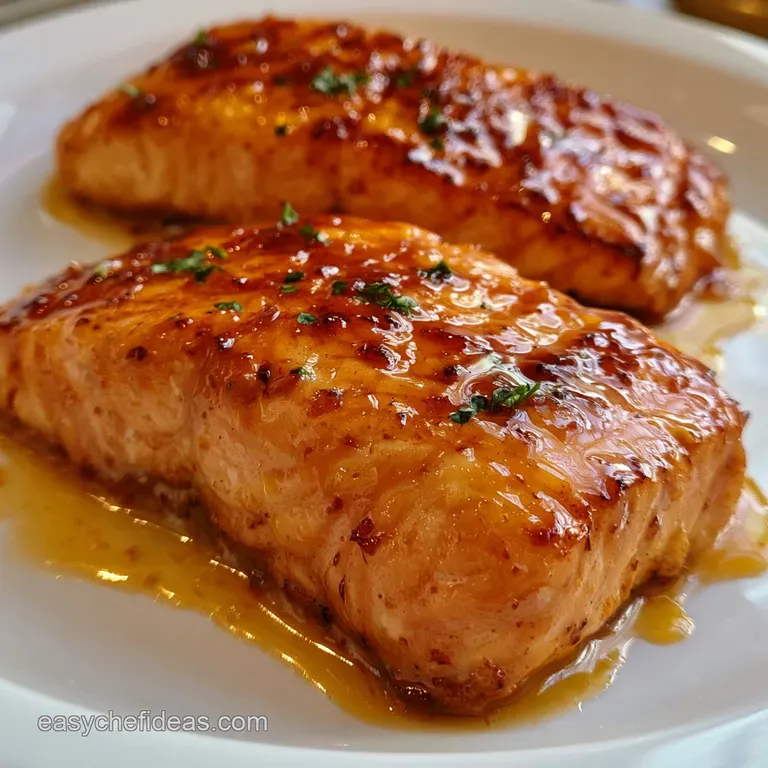
- Time: 5 min active + 15 min cook = Total 20 mins
- Flavor/Texture Hook: Tangy, citrusy glaze with a crisp, seared exterior
- Perfect for: A nourish your-soul weeknight dinner or a low stress date night
- Lemon Juice Salmon Glaze
- Why This Process Works
- Component Analysis
- Gear You'll Actually Need
- Ingredient Breakdown
- Step by Step Cooking Guide
- Fixing Common Glaze Issues
- Troubleshooting Common Issues
- Twists for Different Diets
- Storage and Reheating Tips
- Best Sides for Salmon
- Common Kitchen Myths
- Recipe FAQs
- 📝 Recipe Card
Lemon Juice Salmon Glaze
The second that fillet hits the hot oil, you hear it - that aggressive sizzle that tells you a crust is forming. I remember the first time I tried to make a fancy fish dinner for my family; I followed a recipe that said to bake everything from the start. The result?
A pale, soggy piece of fish swimming in a watery sauce. It was a complete letdown, and I felt like I'd failed the "adulting" test in my own kitchen.
Forget everything you've heard about salmon needing to be baked to stay moist. Honestly, the oven can be a trap if you aren't careful, often leaving you with that chalky white albumin leaking out of the sides.
The secret to a truly velvety finish is starting on the stovetop to lock in those juices and then introducing the glaze at the very end.
This Lemon Juice Salmon Glaze isn't just a topping; it's a concentrated burst of brightness that cuts right through the richness of the fish. We're talking about a sauce that transforms from a thin liquid into a glossy, sticky coating in about four minutes.
It's a simple shift in technique that makes a world of difference in the final bite.
Why This Process Works
- Sugar Caramelization: Honey reacts with heat to create a thick, sticky coating that helps the sauce cling to the protein.
- Acid Balance: Fresh lemon juice breaks down the heavy fats in the salmon, making the whole dish feel lighter and more vibrant.
- Surface Area Searing: High heat on the skillet creates a mahogany crust, which provides a structural contrast to the tender interior.
- Butter Finishing: Adding butter at the end creates a silky mouthfeel and helps the sauce emulsify.
| Method | Cook Time | Texture | Best For |
|---|---|---|---|
| Stovetop | 15 minutes | Crispy exterior, velvety glaze | Speed and flavor intensity |
| Oven | 20-25 minutes | Uniformly tender, softer skin | Large batches/crowds |
Component Analysis
| Ingredient | Science Role | Pro Secret |
|---|---|---|
| Honey | Thickener/Sweetener | Use a mild clover honey to avoid overpowering the lemon |
| Lemon Juice | pH Regulator | Strain out seeds to keep the glaze smooth |
| Garlic | Aroma Base | Mince into a paste for better integration |
| Unsalted Butter | Emulsifier | Cold butter added at the end creates the glossiest finish |
Gear You'll Actually Need
You don't need a professional kitchen for this, but a few specific tools make it way easier. A heavy bottomed stainless steel or cast iron skillet is non negotiable. Non stick pans are fine, but they don't develop that deep, brown crust as well as steel does.
I also recommend a fish spatula - those wide, thin ones that can slide under the fillet without breaking the crust. If you're worried about doneness, a digital meat thermometer is your best friend. According to Serious Eats, pulling salmon slightly before it hits the target temperature allows carryover cooking to finish the job without overdoing it.
Ingredient Breakdown
- 4 Salmon Fillets (approx. 1.5 lbs / 680g)
- 1/2 tsp (3g) Kosher salt
- 1/4 tsp (1g) Cracked black pepper
- 1 tbsp (14g) Olive oil
- 1/4 cup (60ml) Freshly squeezed lemon juice Why this? Fresh juice has a brighter, more volatile aroma than bottled
- 2 tbsp (42g) Honey Why this? Provides the stickiness needed for the glaze
- 3 cloves (15g) Garlic, minced fine
- 1 tbsp (14g) Unsalted butter
- 1 tbsp (6g) Lemon zest, finely grated
- 1/2 tsp (2g) Dried oregano
| Original Ingredient | Substitute | Why It Works |
|---|---|---|
| Honey (2 tbsp) | Maple Syrup (2 tbsp) | Similar sugar profile. Note: Adds a woody, autumnal flavor |
| Unsalted Butter (1 tbsp) | Vegan Butter (1 tbsp) | Same fat content for emulsion. Note: Check for salt levels |
| Dried Oregano (1/2 tsp) | Fresh Thyme (1 tsp) | Earthy herbal notes. Note: Fresh herbs should be added at the end |
If you're looking for other ways to use fresh fish, you might enjoy a seared tuna salad for a lighter, raw centered meal.
Step by step Cooking Guide
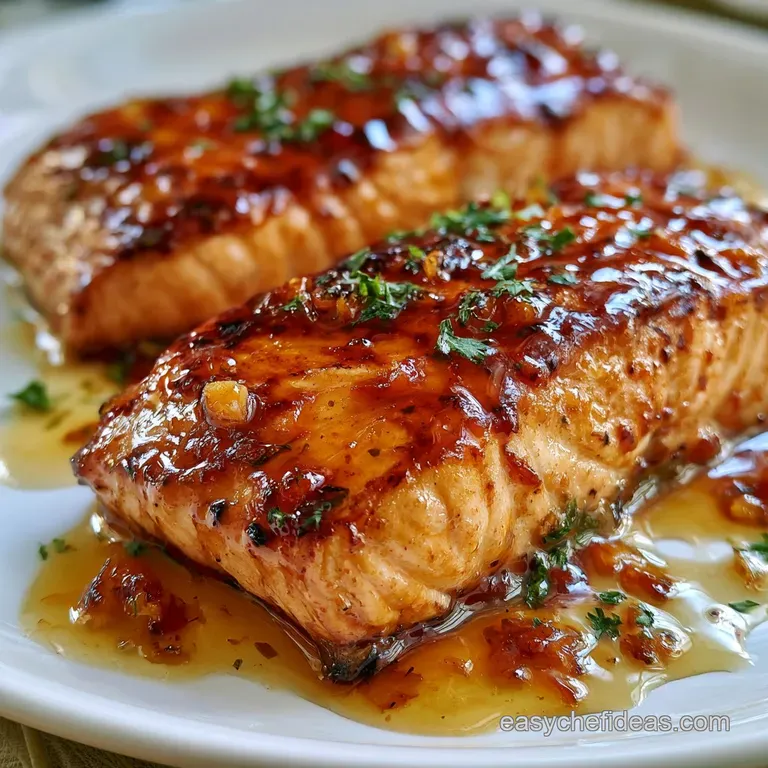
- Pat the salmon fillets completely dry with paper towels. Note: Moisture on the surface causes steaming instead of searing.
- Season both sides evenly with salt and pepper.
- In a small bowl, whisk together the lemon juice, honey, minced garlic, lemon zest, and oregano; set aside.
- Heat olive oil in a skillet over medium high heat until it shimmers and just starts to wisps of smoke.
- Place salmon skin side up and sear for 4-5 minutes without moving the fillets until a mahogany colored crust forms.
- Flip the fillets carefully and reduce the heat to medium.
- Pour the Lemon Juice Salmon Glaze directly into the pan around the fish.
- As the sauce bubbles and thickens (about 3-4 minutes), continuously baste the salmon with the reducing liquid using a spoon. Note: This layers the flavor onto the crust.
- Remove from heat once the glaze is velvety and the salmon reaches an internal temperature of 145°F (63°C).
Fixing Common Glaze Issues
Troubleshooting Common Issues
| Issue | Solution |
|---|---|
| Why Your Sauce Is Too Thin | If the glaze isn't clinging to the fish, it usually means the heat was too low or you didn't baste enough. The honey needs to reach a certain temperature to thicken. Try increasing the heat for the la |
| Why Your Salmon Is Dry | Overcooking is the biggest enemy here. Salmon continues to cook for a few minutes after it leaves the pan. Pull it off the heat at 140°F if you prefer a more medium rare center. |
| Why The Garlic Burnt | Garlic has a low burn point. If you pour the glaze in and the garlic immediately turns black, your pan is too hot. Reduce the heat to medium before adding the liquids. |
Common Mistakes Checklist
- ✓ Patted fillets bone dry before seasoning
- ✓ Waited for oil to shimmer before adding fish
- ✓ Avoided moving the fillets during the first sear
- ✓ Basted continuously during the final reduction
- ✓ Checked internal temp with a thermometer
Twists for Different Diets
If you're keeping an eye on your sugar intake, you can swap the honey for a monk fruit syrup or a small amount of maple syrup. While it changes the flavor profile slightly, it keeps that sticky texture.
For those avoiding dairy, the unsalted butter can be omitted entirely; the honey and olive oil provide enough fat to keep the sauce velvety.
When adjusting this recipe for different group sizes, remember that the glaze reduction time changes. For a single fillet, the sauce will thicken almost instantly. For 8 fillets, you'll need to work in batches.
I highly suggest searing the fish in two rounds so you don't crowd the pan, which would drop the temperature and ruin the crust.
If you're doubling the recipe, don't double the salt or oregano. Increase those by about 1.5x instead, as spices can become overwhelming in larger volumes.
Storage and Reheating Tips
Store any leftover salmon in an airtight container in the fridge for up to 3 days. The glaze will thicken as it cools, becoming almost like a jam.
To reheat without drying out the fish, avoid the microwave. Instead, place the salmon in a pan over low heat with a tablespoon of water or a knob of butter. Cover with a lid for 2-3 minutes. This creates a steam chamber that gently warms the protein without cooking it further.
As for zero waste, don't toss those lemon peels! After you've zested and juiced your lemons, you can freeze the rinds in a bag to use later in homemade citrus infused vinegars or to flavor a simmer pot for the house.
Best Sides for Salmon
Since this dish has a strong, zesty profile, you want sides that can either absorb the extra glaze or provide a cool contrast. A pile of fluffy quinoa or wild rice is great for soaking up that leftover honey lemon goodness.
For something green, I always go with grilled asparagus because the charred flavor of the veg pairs beautifully with the sweetness of the honey. If you want something more refreshing, a crisp cucumber salad with a light vinaigrette balances the richness of the salmon perfectly.
Quick Decision Guide:
- If you want a light meal → Pair with steamed spinach and quinoa.
- If you want comfort food → Pair with garlic mashed potatoes.
- If you want a feast → Pair with grilled asparagus and a wild rice blend.
Common Kitchen Myths
Myth: Searing "locks in" the juices. Actually, searing doesn't create an impermeable seal. You still lose moisture during the process. However, the sear creates a massive amount of flavor through browning, which makes the fish taste better even if it's not "sealed."
Myth: Salmon must be cooked until opaque throughout. Cooking salmon until it's a solid, pale pink throughout often means it's overdone. A slight translucency in the center is actually preferred by many chefs and provides a much more buttery, tender texture.
Myth: You need a fancy pan for a glaze. You don't need a copper pot or a professional sauté pan. Any heavy skillet that can handle medium high heat will work. The key is the temperature and the basting technique, not the brand of the cookware.
Recipe FAQs
What is a good glaze to put on salmon?
A honey and lemon glaze with garlic. This combination provides a perfect balance of sweetness and acidity that complements the fatty richness of the fish.
How do I make lemon sauce for salmon?
Whisk together lemon juice, honey, minced garlic, lemon zest, and oregano. Set this mixture aside and pour it into the pan during the final minutes of cooking to baste the fillets.
How to make a simple salmon marinade with these ingredients?
Combine the lemon juice, honey, garlic, zest, and oregano in a small bowl. Pour the mixture over seasoned fillets and let them soak briefly before searing in a hot skillet.
Is it true that I should sear salmon skin side down first?
No, this is a common misconception for this recipe. Place the fillets skin side up first for 4-5 minutes to develop a mahogany colored crust before flipping.
Why is my lemon glaze too thin?
The heat was likely too low or you didn't baste enough. The honey needs to reach a specific temperature to thicken into a velvety glaze that clings to the fish.
How to reheat leftover salmon without drying it out?
Place the salmon in a pan over low heat with a knob of butter. Cover with a lid for 2-3 minutes to create a steam chamber that gently warms the protein.
What should I serve with this lemon glazed salmon?
A fresh green salad is the ideal pairing. The crisp acidity cuts through the sweetness of the honey, similar to the flavor profile of an easy Caesar salad.
Lemon Juice Salmon Glaze