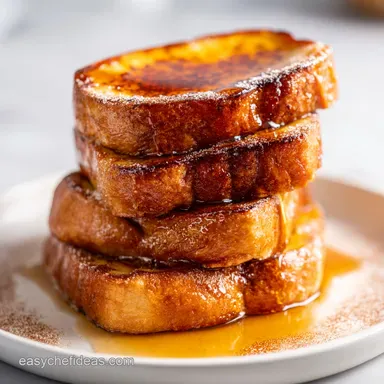
High Protein French Toast: Failure-Proof
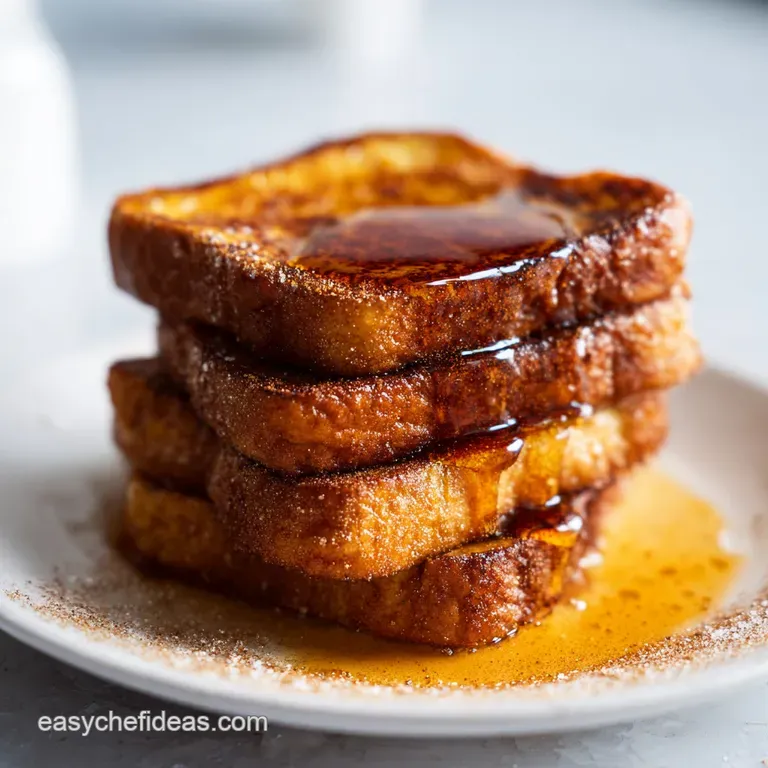
- Time: 5 min active + 10 min cook = Total 15 minutes
- Flavor/Texture Hook: Nutty, golden exterior with a silky, custard like center
- Perfect for: Busy weekday mornings or a nourishing weekend family brunch
The scent of warm cinnamon and vanilla hitting a hot pan is, for me, the smell of a slow Sunday. I remember one morning when I tried to make a "healthy" version using a scoop of whey protein, and it turned into a rubbery, tasteless sponge. It was a total letdown.
I wanted something that felt like the French toast my grandmother made, but with enough fuel to actually get me through a morning workout.
That is when I started experimenting with cottage cheese. At first, the curds were a problem, but once I realized a blender could turn it into a sleek, creamy base, everything changed. It doesn't just add protein; it adds a subtle tang that cuts through the sweetness of the maple syrup.
It turns a simple breakfast into something that feels like a treat but actually nourishes the body.
You can expect a slice that has a slight shatter to the crust and a center that feels like a dense, velvety pudding. This Protein French Toast is all about that balance between a high protein profile and a traditional, comforting texture.
We're avoiding the "fitness food" vibe and going for something that tastes like it belongs in a cozy bistro.
Protein French Toast That Actually Satisfies
The secret to this dish is the cottage cheese. While many people reach for protein powder, that often leaves a chemical aftertaste or a weird, dry texture. Cottage cheese, when blended, becomes a rich, creamy custard.
It provides a natural source of casein and whey proteins that keep you satiated, while the fats help carry the flavor of the cinnamon and vanilla. It is the hero ingredient because it mimics the richness of heavy cream without the heaviness.
Breakfast is more than just fuel; it's a way to start the day with intention and community. In many cultures, the first meal is the most important for setting the mood. By focusing on high-quality proteins and whole grains, we're not just checking a macro box, we're choosing to nourish ourselves.
Whether you're sharing this with a partner or eating it in a quiet moment before the chaos of the day starts, the goal is a meal that feels satisfying and soulful.
The Secret Behind the Texture
- Blended Curds: Breaking down cottage cheese creates a smooth emulsion that soaks into the bread more evenly.
- Egg Binding: The proteins in the eggs set during cooking, locking in the moisture from the almond milk and cheese.
- Whole Grain Structure: Denser bread prevents the slice from falling apart when saturated with the heavy custard.
- Butter Sizzle: Cooking in butter creates a golden crust that protects the soft interior from drying out.
| Method | Time | Texture | Best For |
|---|---|---|---|
| Classic Custard | 20 min soak | Spongy/Airy | Slow weekends |
| Blended Protein | 20 sec soak | Velvety/Dense | Quick mornings |
| Protein Bake | 30 min bake | Casserole like | Meal prep |
Component Analysis
| Ingredient | Science Role | Pro Secret |
|---|---|---|
| Cottage Cheese | Protein Base | Blend until totally smooth for a silky mouthfeel |
| Eggs | Structural Binder | Use room temp eggs to help the custard blend faster |
| Whole Grain Bread | Moisture Matrix | Use slightly stale bread for a better soak |
| Cinnamon | Flavor Bridge | Add it to the blender to ensure even distribution |
The Essential Toolkit
You don't need a professional kitchen for this, but a few specific tools make the process a lot smoother. First, a blender is non negotiable. If you skip the blending, you'll have little chunks of cheese sticking to your toast, which is a bit weird. A small NutriBullet or a standard blender works just fine.
Next, a shallow dish or a pie plate is great for the soaking process. You want the bread to lay flat so it absorbs the custard evenly on both sides. Finally, use a non stick skillet. Since we're using butter and a protein rich batter, the risk of sticking is higher than with a basic egg wash.
A heavy bottomed pan helps maintain a steady temperature, preventing the outside from burning before the inside is set.
Necessary Ingredients and Swaps
To get this right, you'll need these exact items. I've found that using full fat cottage cheese gives the best results, but low-fat works if you don't mind a slightly less creamy finish.
- 1/2 cup (120g) cottage cheese Why this? Provides the creamy protein base
- 2 large (100g) eggs Why this?Egg yolks add richness and structure
- 1/4 cup (60ml) unsweetened almond milk Why this? Thins the custard for better soaking
- 1 tsp (5ml) vanilla extract Why this? Adds a floral sweetness
- 1/2 tsp (2g) ground cinnamon Why this? Classic warm aroma
- 1 tbsp (15g) maple syrup Why this? Subtle sweetness in the batter
- 6 slices (240g) whole grain bread Why this? Holds up to the soak
- 1 tbsp (14g) unsalted butter Why this? Creates the golden crust
| Original Ingredient | Substitute | Why It Works |
|---|---|---|
| Cottage Cheese | Greek Yogurt | Similar tang and protein. Note: Slightly more acidic, less "custardy" |
| Almond Milk | Oat Milk | Similar consistency. Note: Adds a slight natural sweetness |
| Whole Grain Bread | Sourdough | Stronger structure. Note: Adds a tangy flavor profile |
| Maple Syrup | Honey | Natural sweetener. Note: Stronger, more floral taste |
Right then, once you've got your ingredients gathered, we can get started. Trust me on this: don't rush the blending stage. If you see any lumps, keep going.
The Cooking Process
Phase 1: Creating the Protein Base
Combine the cottage cheese, eggs, almond milk, vanilla extract, cinnamon, and maple syrup in your blender. Blend on high for 30 seconds until the mixture is completely smooth and those curds are totally gone. Pour this velvety liquid into your shallow dish.
You should smell a strong hit of vanilla and cinnamon immediately.
Phase 2: The Precise Soak
Dip each slice of bread into the custard for 15-20 seconds per side. You want it saturated, but not so soaked that it turns into mush. The bread should feel heavy but still structurally sound. If it's too floppy, you've gone too long.
Phase 3: The Sizzle and Sear
Melt the butter in your skillet over medium heat. Wait until the butter stops foaming and begins to shimmer. This is your cue. Place the soaked slices in the pan. Cook for 3-4 minutes per side.
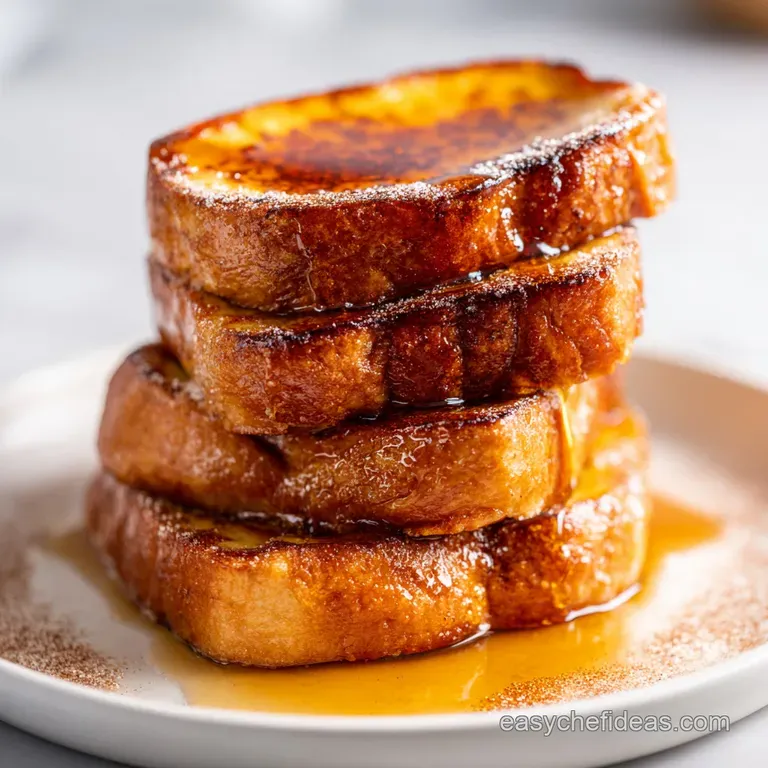
You're looking for a deep golden brown color and a nutty, toasted aroma that fills the kitchen.
Chef's Note: To get that shattering crust, don't flip the toast too early. Let it develop a mahogany color before moving it. This creates a seal that keeps the inside velvety.
Fixing Common Toast Problems
Even with a simple recipe, things can go sideways. The most common issue is the "soggy center," where the outside looks done but the inside is still raw batter. This usually happens if the heat is too high or the soak was too long.
Another problem is the "tear," where the bread breaks when you flip it. This happens if the bread is too fresh and soft. Using a slightly drier loaf or a sturdier grain helps prevent this.
| Problem | Root Cause | Solution |
|---|---|---|
| Soggy Center | Heat too high/over soaked | Lower heat to medium; reduce soak time |
| Burnt Exterior | Butter burning | Use a mix of butter and oil; lower the flame |
| Tearing Slices | Bread too soft/fresh | Toast bread lightly first or use stale slices |
Common Mistakes Checklist
- ✓ Blending the cottage cheese until 100% smooth.
- ✓ Waiting for the butter to shimmer before adding toast.
- ✓ Avoiding the urge to press down on the toast with a spatula.
- ✓ Using a medium heat to ensure the core cooks through.
- ✓ Drying the pan between batches if residue builds up.
Adjusting the Batch Size
If you're just cooking for yourself, you can easily halve this recipe. Beat one egg in a small bowl and use half of it to keep the ratios correct. Use a smaller pan so the butter doesn't spread too thin.
For a crowd, you can double or triple the batter. However, don't just triple the cinnamon and salt; start with 1.5x and taste the batter. Work in batches to avoid crowding the pan, which drops the temperature and leads to steaming rather than searing. If you're using a different bread, like a soft sourdough sandwich loaf, you can actually increase the soak time slightly because sourdough is more resilient.
Breakfast Beliefs Debunked
Some people believe you need protein powder to make a high protein breakfast. That's just not true. Whole foods like cottage cheese and eggs provide a more complete amino acid profile and a far better texture than processed powders.
Another myth is that you have to soak French toast overnight for it to be good. While that works for some styles, this Protein French Toast relies on a thick, blended custard that penetrates the bread quickly. A 20 second soak is all you need for that velvety result.
Keeping Your Toast Fresh
You can store leftover slices in an airtight container in the fridge for up to 3 days. To reheat, avoid the microwave, as it makes the bread rubbery. Instead, pop them back in a skillet for 2 minutes per side or use a toaster oven to bring back that shatter.
For long term storage, these freeze surprisingly well. Freeze them in a single layer on a baking sheet before transferring them to a freezer bag. They'll stay good for 2 months.
To avoid waste, save any leftover custard! You can whisk in a bit more milk and use it as a base for a protein pancake or pour it over a bowl of oats. If you have leftover whole grain bread that's getting too soft, don't toss it; that's actually the best bread for this recipe.
Serving Ideas for Your Toast
Since this is a healthy protein french toast, I love pairing it with toppings that add texture and micronutrients. A dollop of Greek yogurt and fresh raspberries provides a tart contrast to the cinnamon. For something heartier, a smear of almond butter and sliced bananas is spot on.
If you're looking for a savory contrast, try serving these with a side of avocado or soft scrambled eggs. For those who want a completely different vibe for a party, you might consider something like air fryer beef empanadas as a savory appetizer before the sweet breakfast arrives.
Ultimately, this meal is about nourishing your body and sharing something special with the people you love. Whether it's a simple drizzle of honey or a mountain of fresh berries, make it your own. Enjoy the process, enjoy the aroma, and most importantly, enjoy the fuel.
Recipe FAQs
How do you add protein to French toast?
Blend cottage cheese into the custard base. This provides a high protein count without the chalky aftertaste common with protein powders.
How can I get 40g of protein for breakfast?
Eat larger portions of this recipe. Since the blended cottage cheese and eggs are so protein dense, increasing your serving size is the most effective way to reach that target.
Can diabetics have French toast?
Yes, with simple adjustments. Using a sugar-free syrup and the provided whole grain bread helps maintain a more stable blood glucose response.
Is it okay to eat protein french toast everyday?
Yes, it is a balanced choice. The combination of whole grains, eggs, and cottage cheese provides a nourishing mix of macronutrients for daily energy.
Why is my French toast soggy in the middle?
Cook for 3 4 minutes per side over medium heat. Ensure the butter is shimmering in the pan to create a deep golden crust that helps set the center.
Can I use white bread instead of whole grain?
Yes, but reduce the soak time. White bread absorbs liquid much faster than whole grain. If you enjoyed mastering the structural integrity of these slices, see how we apply similar principles to our sourdough bread.
How do I stop the cottage cheese curds from staying in the batter?
Blend on high for 30 seconds. This process breaks down the curds completely to create a velvety, smooth custard before you dip the bread.
Protein French Toast