Creamy Horseradish Sauce for Prime Rib
- Time: Active 5 minutes, Passive 0 minutes, Total 5 minutes
- Flavor/Texture Hook: Creamy with a sinus clearing, sharp tang
- Perfect for: Festive holiday roasts or Sunday family gatherings
- Perfecting My Horseradish Sauce for Prime Rib
- Scientific Logic Behind the Sauce
- Preparation Times and Yield Data
- Selecting Your Boldest Flavor Components
- Tools for a Smooth Emulsion
- Mixing Steps for Bold Results
- Repairing Texture and Heat Issues
- Flavor Variations and Spicy Twists
- Preservation and Smart Leftover Ideas
- Perfect Plates for Your Sauce
- Sauce Clarity and Common Queries
- Recipe FAQs
- 📝 Recipe Card
Have you ever sat down to a beautiful, medium rare roast only to find the accompaniment is just... flat? It’s a common kitchen heartbreak. We spend hours tending to the meat, yet the sauce is often an afterthought from a dusty jar. That changes today.
The right horseradish sauce for prime rib should do more than just sit there, it should wake up your senses and make the rich marbling of the beef truly sing.
I remember the first time I made this for a community dinner. I was nervous about the heat levels, but the secret lies in the balance of acidity and fat. It’s about creating a bridge between the heavy, savory notes of the meat and the sharp, floral punch of the horseradish.
We aren't just making a dip; we are crafting a companion that honors the tradition of a great roast.
This recipe is surprisingly simple, but the results feel high end. We're going to use a blend of strained yogurt and light mayonnaise to keep things silky but not greasy. Trust me on this, the yogurt adds a fermented tang that basic sour cream just can't touch.
Let's get into how we make this nose tingling magic happen in under five minutes.
Perfecting My Horseradish Sauce for Prime Rib
- Volatile Pungency: The heat in horseradish comes from isothiocyanates, which are volatile. Cold fats like yogurt trap these molecules, ensuring the "burn" hits your palate gradually rather than disappearing instantly.
- Acid Interaction: Adding lemon juice doesn't just add flavor; it stabilizes the pH. This prevents the horseradish from oxidizing and turning bitter or brown over time.
- Emulsion Stability: Using a touch of Dijon mustard acts as a natural emulsifier, binding the moisture in the yogurt to the oils in the mayonnaise for a velvety mouthfeel.
- Osmotic Balance: Salt draws out the hidden sweetness in the root, rounding out the sharp edges and making the sauce taste more complete.
Scientific Logic Behind the Sauce
| Component | Science Role | Pro Secret |
|---|---|---|
| Strained Yogurt | Provides a protein rich, acidic lattice that carries flavor. | Use Fage Total for the thickest, most stable texture. |
| Prepared Horseradish | Contains Sinigrin, which creates the signature "clear the sinuses" heat. | Squeeze the brine out first to prevent a watery sauce. |
| Lemon Juice | Breaks down heavy fats and brightens the overall profile. | Zest the lemon too if you want an extra floral aroma. |
Preparation Times and Yield Data
When you're timing a big meal, every minute counts. This sauce is a "zero cook" component, meaning you can whip it up while the meat is resting. I've found that letting it sit for even ten minutes allows the dried spices to hydrate, but it's ready to go immediately if you're in a rush.
- Total Volume: Approximately 1.5 cups
- Serving Size: 2 tablespoons per person
- Prep Intensity: Low (just whisking)
Selecting Your Boldest Flavor Components
Creating a great sauce starts with what you put in the bowl. I always reach for high-quality staples to ensure the diversity of flavors really pops.
- 1 cup (245g) Fage Strained Greek Yogurt: Why this? Thick texture that won't run all over your plate.
- 1/4 cup (60g) Hellmann's Light Mayonnaise: Why this? Adds just enough oil for a classic, rich mouthfeel.
- 1/2 cup (120g) Prepared Horseradish: Why this? The engine of the recipe; ensure it's fresh and pungent.
- 1 tbsp (15ml) Freshly squeezed lemon juice: Why this? Essential for cutting through the fat of the prime rib.
- 1 tsp (5g) Maille Dijon mustard: Why this? Adds a secondary layer of heat and helps emulsification.
- 1/2 tsp (3g) Fine sea salt: Why this? Enhances all other flavors without being overtly "salty."
- 1/4 tsp (1g) Freshly cracked black pepper: Why this? Provides a woody, earthy contrast to the sharp root.
- 1 tbsp (4g) Fresh chives: Why this? Adds a delicate onion note and beautiful green color.
| Original Ingredient | Substitute | Why It Works |
|---|---|---|
| Greek Yogurt | Sour Cream | More traditional, though higher in fat and less protein. |
| Light Mayonnaise | Avocado Oil Mayo | Maintains richness while adding heart healthy fats. |
| Fresh Chives | Green Onion Tops | Similar mild bite; slice them very thinly. |
Tools for a Smooth Emulsion
You don't need a pantry full of gadgets, but a few specific items make this easier. I prefer using a Pyrex glass mixing bowl because it won't absorb any of the strong odors from the horseradish.
For mixing, a stainless steel balloon whisk is better than a spoon because it aerates the yogurt slightly, making the sauce feel lighter on the tongue. If you're prepping ahead, a Mason jar with a tight lid is the perfect storage vessel.
Mixing Steps for Bold Results
- Drain the horseradish. Place your prepared horseradish in a fine mesh strainer and press with a spoon. Note: This prevents the vinegar brine from thinning out your beautiful sauce.
- Combine the bases. In a medium bowl, whisk the 1 cup (245g) of Greek yogurt with the 1/4 cup (60g) of light mayo until smooth.
- Check the aroma. Lean in and take a sniff. You should smell the creamy yogurt primarily at this stage.
- Add the heat. Fold in the 1/2 cup (120g) of drained horseradish and 1 tsp (5g) of Dijon mustard.
- Identify the punch. Now, the aroma should be sharp and slightly stinging to the nose. This is the "bloom."
- Introduce the citrus. Pour in the 1 tbsp (15ml) of lemon juice. Note: The acid will slightly thicken the yogurt proteins instantly.
- Season the mix. Sprinkle in the 1/2 tsp (3g) of sea salt and 1/4 tsp (1g) of black pepper.
- Add the herbs. Gently stir in the 1 tbsp (4g) of snipped chives.
- The final scent check. The sauce should now smell complex, citrusy, and bold.
- Rest the sauce. Cover and chill for at least 30 minutes if time allows. Note: This lets the salt finish drawing out the flavors.
Chef's Tip: If you want a "Ruth's Chris" style kick, add a half teaspoon of Worcestershire sauce. It adds an umami depth that pairs perfectly with the beef.
Repairing Texture and Heat Issues
Sometimes things don't go as planned. Maybe your horseradish was a bit weak, or your yogurt was too thin. Don't panic; it's an easy fix.
Why Your Sauce Is Watery
If your sauce looks more like a dressing than a thick cream, it's usually because the horseradish wasn't drained well enough. The vinegar brine is thin and will break down the yogurt's structure. Fix: Stir in an extra tablespoon of yogurt or a pinch of xanthan gum if you have it.
Why the Heat Is Too Mellow
Horseradish loses its potency as it sits in an open jar in the fridge. If you've mixed everything and it tastes "blah," your root might be past its prime. Fix: Add a tiny pinch of dry mustard powder or a few drops of hot sauce to bridge the gap.
| Problem | Cause | Fix |
|---|---|---|
| Sauce is too salty | Heavy handed seasoning | Fold in more yogurt to dilute the salt concentration. |
| Tastes too metallic | Using a reactive metal bowl | Transfer to glass and add a tiny pinch of sugar. |
| Lacks "zing" | Not enough acid | Add an extra teaspoon of lemon juice or white vinegar. |
Flavor Variations and Spicy Twists
While this recipe is a classic, you can easily adapt it to suit your family's preferences. For example, if you're serving a leaner cut of meat, you might want more fat. If you love a smoky flavor, try adding a bit of chipotle.
- For a Smokier Profile: Add 1/4 tsp of smoked paprika. It creates a beautiful sunset hue and a deep, charred aroma.
- For an Immediate Flavor Bloom: Whisk the dry spices into the lemon juice first before adding to the dairy.
- To Achieve a Lighter Profile: Increase the yogurt to 1.5 cups and omit the mayonnaise entirely.
If you enjoy playing with bold, creamy sauces, you might find similarities in how we balance the tang in our Cottage Cheese Alfredo recipe. It uses a similar high protein base to create a velvety finish.
Preservation and Smart Leftover Ideas
Storing this sauce correctly ensures you get to enjoy it for days after the main event. It actually tastes better on day two!
- Storage: Keep in an airtight container in the fridge for up to 5 days.
- Freezing: I don't recommend freezing this. The yogurt and mayo will separate and become grainy once thawed.
- Zero Waste: If you have leftovers, use them as a spread for a roast beef sandwich the next day. It’s also incredible stirred into mashed potatoes or used as a dip for roasted carrots. I once used the last bit as a base for a "spiced" tuna salad, similar to the flavor profile in my Homemade Tuna Noodle recipe, and it was a revelation!
Perfect Plates for Your Sauce
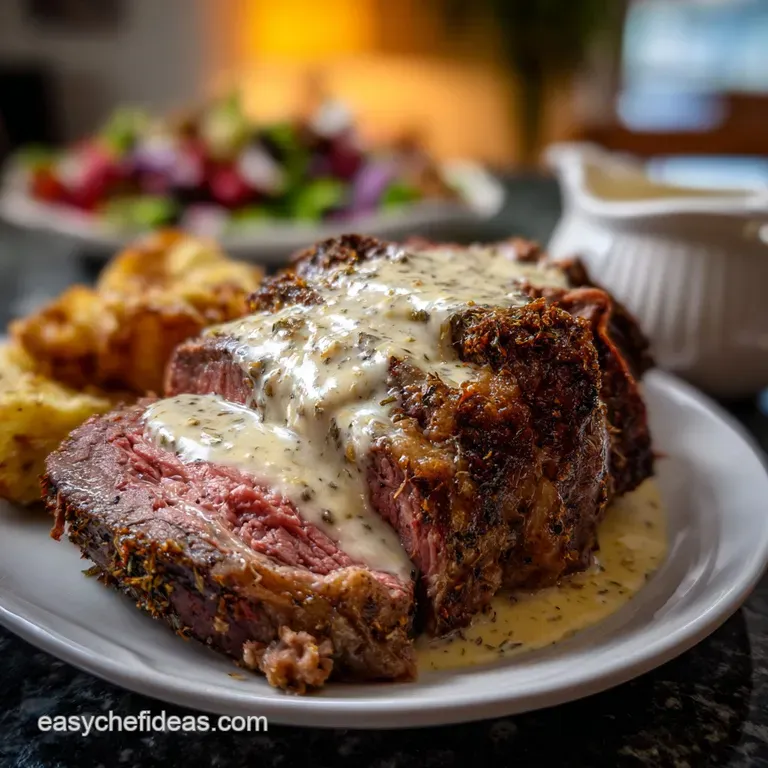
This horseradish sauce for prime rib is the star, but it needs the right supporting cast. While prime rib is the obvious choice, don't sleep on using this with beef tenderloin or even a thick cut ribeye.
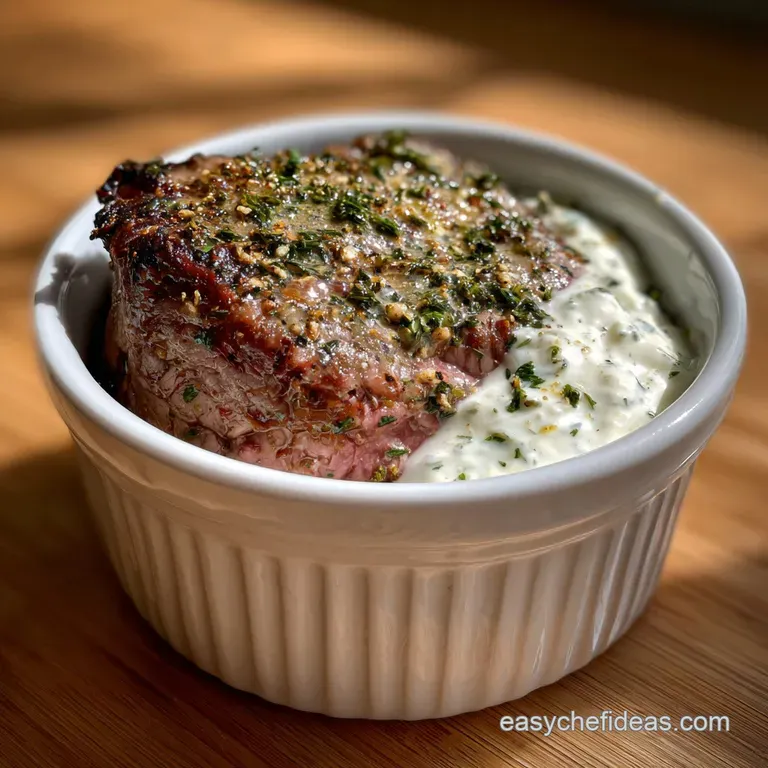
- The Roast: Serve it in a small chilled ramekin next to the meat, rather than drizzling it over. This lets guests control their own heat level.
- Sides: It pairs beautifully with something sweet and savory, like honey glazed Brussels sprouts or a Sloppy Joes recipe used as a slider topping for leftovers.
- Presentation: Sprinkle a few fresh chives on top right before serving. The bright green against the white sauce looks very professional.
Sauce Clarity and Common Queries
Myth: Freshly grated root is always better. Actually, fresh root can be wildly unpredictable. Sometimes it's mild, and other times it's like a chemical fire. high-quality prepared horseradish offers a consistent heat level that makes it easier to balance your recipe.
Myth: You must use heavy cream for "real" sauce. While "English style" sauce often uses whipped cream, it tends to collapse when it hits the warm juices of the meat. A yogurt and mayo base is far more stable and provides a better contrast to the rich beef.
Decision Shortcut: If you want more heat, increase the horseradish by 2 tablespoons. If you want a thicker texture, use only yogurt and skip the lemon juice. If you want a milder taste, add 1 teaspoon of honey to the mix.
- Precision Checkpoints:
- Drain the horseradish until you have 1/2 cup of solid root matter.
- Whisk for exactly 30 seconds to ensure the Dijon is fully integrated.
- Chill for a minimum of 15 minutes before serving to stabilize the emulsion.
Fresh Root vs. Shortcut Jarred
| Feature | Fresh Grated Root | Prepared (Jarred) |
|---|---|---|
| Potency | Extreme and volatile | Predictable and steady |
| Texture | Fibrous and crunchy | Soft and uniform |
| Prep Time | 10-15 mins (with tears!) | 30 seconds |
Whatever your preference, this sauce brings a sense of nourish and community to the table. It’s a small detail that makes a massive impact on the meal, proving that a little bit of effort goes a long way in honoring the diversity of our kitchen traditions. Let's crack on and get that roast started!
Recipe FAQs
Can I make this sauce entirely ahead of time, and how long will it last?
Yes, it's best made ahead. You can prepare the base up to two days in advance, which allows the intense horseradish flavor to fully meld with the dairy components.
What is the primary reason my sauce tastes watery instead of thick?
Insufficient draining of the horseradish. The vinegar brine released from the prepared root will immediately thin the yogurt and mayonnaise base if not squeezed out first.
Can I substitute sour cream for the strained Greek yogurt?
Yes, but expect a richer result. Sour cream is traditionally used, but it has a higher fat content than strained yogurt, which can make the sauce heavier when paired with fatty prime rib.
How do I increase the heat level without destroying the sauce’s texture?
Add more horseradish gradually. The heat in this root comes from volatile oils, which are stabilized by the fats (yogurt/mayo) in the sauce. If you enjoyed mastering the stable emulsion here, adding more horseradish will integrate well into that structure.
Should I use freshly grated horseradish instead of the jarred kind?
No, stick to prepared/jarred for consistency. Freshly grated root is highly unpredictable in potency, meaning your sauce could range from mild to overwhelmingly spicy based on the root you purchase.
I accidentally made too much sauce; can I freeze the leftovers?
No, freezing is strongly discouraged. The emulsion created by the yogurt and mayonnaise will break upon thawing, resulting in a grainy, separated texture.
What can I use this sauce for if I have leftovers, besides roast beef sandwiches?
Use it as a vibrant dip or binder. It’s excellent stirred into mashed potatoes for an extra kick, or you could use it similarly to how we combine ingredients in a creamy base for our [Chicken Gnocchi Soup: The Ultimate Creamy Tuscan Comfort Classic].
Creamy Horseradish Sauce

Ingredients:
Instructions:
Nutrition Facts:
| Calories | 43 kcal |
|---|---|
| Protein | 3.3 g |
| Fat | 2.0 g |
| Carbs | 3.3 g |
| Fiber | 0.2 g |
| Sugar | 1.5 g |
| Sodium | 276 mg |
