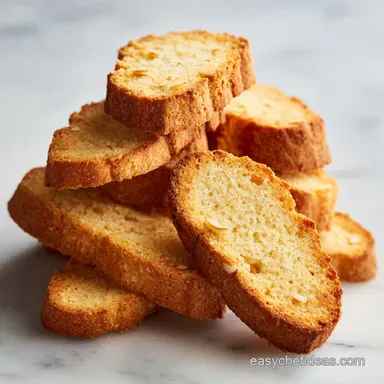
Almond Flour Biscotti: Rigid and Crispy
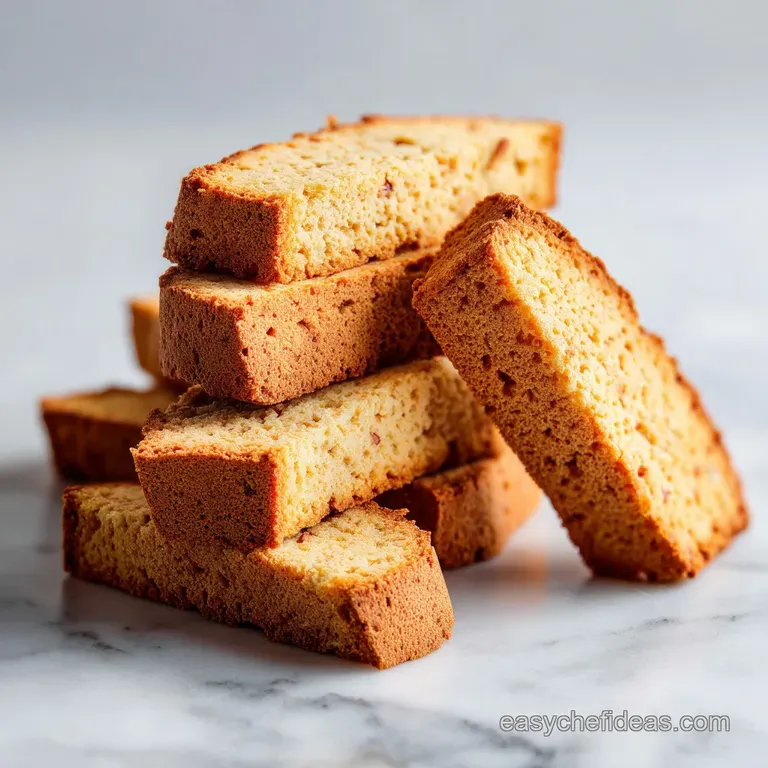
- Time: 10 min active + 45 min cook = Total 100 min (includes cooling)
- Flavor/Texture Hook: Toasted nuttiness with a mahogany, crispy snap
- Perfect for: Holiday gift baskets, coffee dates, or gluten-free dessert platters
- Almond Flour Biscotti
- The Secret to Stability
- Component Breakdown
- Gathering Your Ingredients
- The Right Tools
- Step-by-Step Guide
- Fixing Common Issues
- Troubleshooting Common Issues
- Tweaking the Recipe
- Adjusting the Batch Size
- Debunking Baking Myths
- Storage and Freshness
- Serving Your Treats
- Recipe FAQs
- 📝 Recipe Card
The scent of toasted almonds and vanilla hitting a hot oven is enough to make anyone hungry, but the actual process can be a bit treacherous. I remember the first time I tried making these. I was so impatient to see the golden log that I sliced it the second it came out of the oven. The result?
A catastrophic pile of almond crumbs that looked more like wet sand than a cookie. I basically had to eat a bowl of almond mush for breakfast.
That's when I realized the 10 minute cooling window isn't just a suggestion, it's the law of the kitchen. If you rush the slice, you lose the structure. But when you get the timing right, you get a treat that doesn't just taste good, it looks like something from a high end bakery.
This Almond Flour Biscotti is my answer to the "gluten-free is too soft" problem. We're going for a rigid, crystalline snap that stands up to a dip in a hot latte without dissolving instantly. It's all about the double bake and a bit of patience.
Almond Flour Biscotti
The secret to a great result is understanding that we aren't making a cookie, we're making a twice baked rusk. Most people fail because they treat the first bake as the final product. In reality, the first bake is just the "setting" phase. It's about creating a stable log that can be sliced thin without falling apart.
Once those slices go back in for the second round, that's where the magic happens. The remaining moisture evaporates, the sugars concentrate, and you get that signature mahogany hue. Trust me on this, if they look "done" after the first bake, they aren't ready to be called biscotti yet.
They need that second hit of heat to reach the point where they actually shatter when you bite into them.
The Secret to Stability
Since we're skipping the wheat, we have to rely on different mechanisms to keep the cookies from becoming a pile of dust. Here is why this specific method works.
- Egg Binding: Because almond flour lacks gluten, the egg proteins act as the primary glue, creating a network that holds the fats and sugars together.
- Double Bake Logic: The first bake sets the structure, while the second bake removes residual moisture to create a rigid, crispy texture.
- Sugar Browning: The sugar reacts with the almond oils under heat to produce a deep, toasted flavor and a visually striking dark gold color.
- Super Fine Texture: Using blanched, super fine flour ensures there are no large grit pieces, which prevents the slices from cracking under the knife.
| Method | Total Time | Texture | Best For |
|---|---|---|---|
| Single Bake Cookie | 30 minutes | Soft & Chewy | Quick snacks |
| Double Bake Biscotti | 100 minutes | Rigid Shatter | Coffee dipping |
Component Breakdown
Understanding the ingredients helps you avoid those common mistakes, like using the wrong type of almond meal.
| Ingredient | Science Role | Pro Secret |
|---|---|---|
| Almond Flour | Structural base | Use blanched, super fine for a velvety crumb |
| Large Egg | Protein binder | Room temperature eggs incorporate more evenly |
| Granulated Sugar | Crispness/Color | Don't swap for liquid honey or it'll stay soft |
| Baking Powder | Aeration | Provides the tiny bubbles needed for a light snap |
Gathering Your Ingredients
When you're picking up your supplies, make sure you're getting the right versions of these items. Using coarse almond meal instead of super fine flour will result in a grainy texture that doesn't hold together. For the best results, I recommend checking out King Arthur Baking to see the difference between almond flour and almond meal.
- 2 cups (240g) super fine blanched almond flour Why this? Ensures a smooth, non grainy texture
- 1/2 cup (100g) granulated sugar Why this? Essential for the rigid, crystalline snap
- 1 tsp (5g) baking powder Why this? Adds slight lift to prevent a dense brick
- 1/4 tsp (1g) salt Why this? Balances the sweetness and enhances nuttiness
- 1 large (50g) egg Why this? The only binder in a gluten-free dough
- 1 tsp (5ml) almond extract Why this? Deepens the natural almond flavor
- 1 tsp (5ml) vanilla extract Why this? Adds a warm, aromatic base note
- 2 tbsp (30g) sliced almonds Why this? Provides visual appeal and extra crunch
- 4 oz (115g) dark chocolate Why this? Bitter contrast to the sweet cookie
Ingredient Swaps
If you're missing something, you can pivot, but keep in mind that almond flour is very finicky.
| Original Ingredient | Substitute | Why It Works |
|---|---|---|
| Granulated Sugar | Erythritol/Monkfruit | Keto friendly. Note: May not brown as deeply |
| Dark Chocolate | White Chocolate | Same fat content. Note: Much sweeter, less contrast |
| Sliced Almonds | Chopped Hazelnuts | Similar fat/crunch. Note: Changes flavor profile |
Right then, before we move to the oven, let's make sure you have your gear ready. You don't need a fancy stand mixer for this, but a few specific tools will make your life easier.
The Right Tools
You'll want a large mixing bowl and a sturdy whisk for the dry ingredients. For the shaping, a parchment lined baking sheet is non negotiable. If you try to do this on a greased pan, the dough might slide or spread, ruining your log shape.
The most important tool, however, is a serrated knife. Do not use a chef's knife or a paring knife. You need to saw through the log, not press down on it. Pressing down on a gluten-free bake is the fastest way to turn your hard work into crumbs.
Step-by-step Guide
Let's crack on. Follow these steps exactly, especially the cooling time, or you'll be eating "almond sand" like I did.
Phase 1: Crafting the Log
- Preheat your oven to 325°F (160°C). Note: This lower temp prevents the almond oils from burning
- In a large bowl, whisk together the almond flour, sugar, baking powder, and salt until no lumps remain.
- Add the egg, almond extract, and vanilla extract, mixing until a thick, tacky dough forms.
- Shape the dough into a rustic log (about 2 inches wide and 8 inches long) on a parchment lined baking sheet.
- Press the sliced almonds firmly into the top of the dough log.
Phase 2: The First Bake
- Bake for 25-30 minutes until the log is set and a pale golden color.
- Remove from the oven and let cool for exactly 10 minutes to prevent cracking during slicing. Note: This is the most critical step for structural integrity
Phase 3: The Precision Slice & Second Bake
- Using a serrated knife, gently saw the log into 1/2 inch thick slices.
- Lay the slices flat on the baking sheet and return to the oven for 10-15 minutes per side until they achieve a mahogany colored hue and rigid texture.
- Optional: Melt the dark chocolate and dip the cooled biscotti for a finishing touch.
Chef's Note: To get that professional look, dip the biscotti halfway into the chocolate and immediately sprinkle a few more sliced almonds on top before the chocolate sets.
Fixing Common Issues
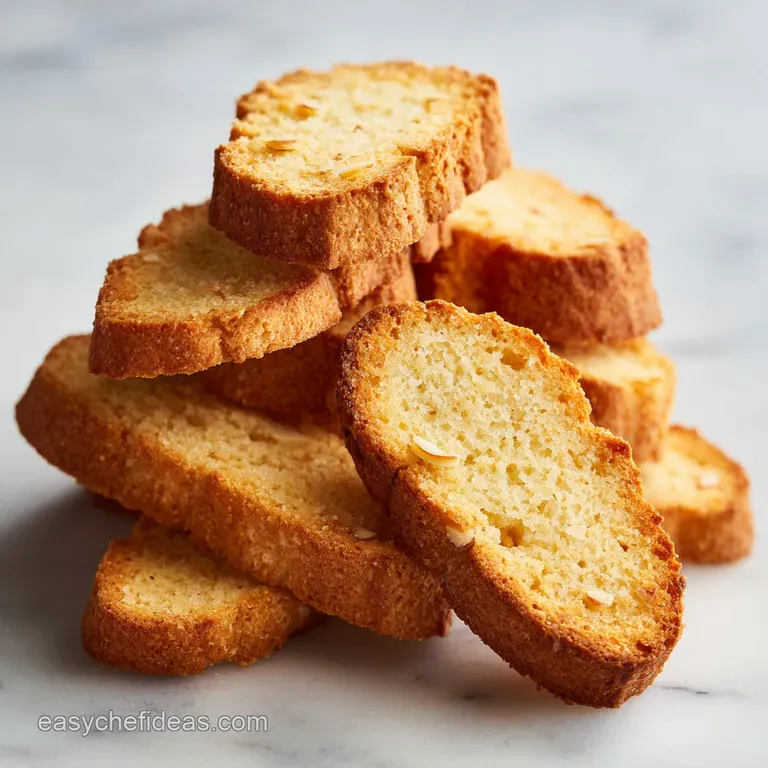
Even if you follow the steps, almond flour can be temperamental. The biggest issue is usually the "snap" factor. If your treats feel a bit soft, they simply need more time in the second bake.
Troubleshooting Common Issues
| Issue | Solution |
|---|---|
| Why Your Cookies Crumble | If the log falls apart during slicing, you likely sliced it too hot. The proteins in the egg need those 10 minutes to firm up. If this happens, you can still bake the pieces, but they'll be "biscotti |
| Why Your Cookies Are Too Soft | This usually happens if the second bake was rushed. Almond flour holds onto moisture differently than wheat. You want to see a deep mahogany color. If they are pale, they will be chewy instead of cris |
| Why Your Dough Spreads | If the log flattens out into a pancake in the oven, your egg might have been too large or your flour too fine. Next time, add one extra tablespoon of almond flour to the mix to stiffen the dough. |
Quick Success Checklist:
- ✓ Used super fine blanched flour, not coarse meal
- ✓ Allowed exactly 10 minutes of cooling before slicing
- ✓ Used a serrated knife with a sawing motion
- ✓ Baked until a mahogany color was achieved
Tweaking the Recipe
Once you've nailed the base, you can start playing with flavors. If you're looking for other treats using similar ingredients, my pumpkin cookie dough is a great way to use up extra almond flour in a softer format.
For a Zesty Twist
Add the zest of one lemon to the dry ingredients and swap the almond extract for more vanilla. This creates a bright, citrusy snap that's incredible with a cup of Earl Grey tea.
For a Keto Version
Replace the granulated sugar with a 1:1 monkfruit sweetener. Keep in mind that keto sweeteners don't caramelize the same way, so your cookies will stay a lighter gold color rather than turning mahogany.
Decision Shortcut
- Want a harder snap? Bake the second round for an extra 5 minutes.
- Want a softer center? Slice the log into 3/4 inch pieces instead of 1/2 inch.
- Want more nuttiness? Lightly toast the sliced almonds in a pan before pressing them into the dough.
Adjusting the Batch Size
If you're baking for a crowd or just for yourself, you can scale this.
Scaling Down (1/2 Batch): Use 1 cup of almond flour and 1/4 cup sugar. Since you can't easily halve an egg, beat one egg in a small bowl and use exactly 25g of it. Reduce the first bake time by about 5 minutes.
Scaling Up (2x Batch): When doubling, don't just double the baking powder; use 1.75 tsp instead of 2 tsp to avoid a metallic taste. Lower your oven temp to 300°F (150°C) and extend the bake time by 10 minutes to ensure the larger mass of dough cooks evenly without burning the edges.
Debunking Baking Myths
There are a few things people get wrong about gluten-free baking. First, the idea that you need "xanthan gum" for everything. In this recipe, the egg and the natural fats in the almond flour provide enough structure. Adding gum would actually make these too rubbery.
Another myth is that you can't get a real "snap" without flour. As we've seen, the double bake process removes enough water to create a crystalline structure that shatters just like traditional Italian biscotti.
Storage and Freshness
Because these are so low in moisture, they have a fantastic shelf life. Store them in an airtight container at room temperature for up to 2 weeks. If you live in a humid area, they can soften; just pop them back in a 300°F (150°C) oven for 5 minutes to bring back the crunch.
For long term storage, these freeze beautifully. Put them in a freezer bag for up to 3 months. When you're ready for a treat, you can eat them frozen or thaw them for 10 minutes. For a different treat that requires zero oven time, you'll love these no bake cookie bars.
Zero Waste Tip: If you have leftover sliced almonds or almond flour scraps, don't toss them. Stir them into your morning oatmeal or blend them into a smoothie for an extra boost of healthy fats.
Serving Your Treats
These are designed for occasions. Whether it's a winter solstice gathering or a simple Sunday brunch, the visual appeal of the chocolate dipped edges makes them feel special.
The absolute best way to enjoy these is to pair them with a strong espresso or a velvety hot chocolate. The bitterness of the coffee cuts through the richness of the almond flour. If you want to serve them warm, avoid the microwave, which can make them soggy.
Instead, place them on a baking sheet at 300°F (150°C) for 3 minutes.
For a festive presentation, arrange them in a tall glass jar with ribbons, or serve them on a slate platter with a side of raspberry coulis for dipping. The contrast between the mahogany cookie and the bright red sauce is stunning for photography.
Recipe FAQs
Can I use almond flour for biscotti?
Yes, it provides a rich, nutty alternative to wheat. If you enjoyed working with the unique consistency of this dough, see how we adapt similar handling techniques in our flaky pie dough.
What is the secret to baking with almond flour?
Measure precisely and prioritize the cooling phase. Using super fine blanched flour and letting the log rest for exactly 10 minutes prevents the treats from crumbling.
Is there a downside to almond flour?
Yes, the lack of gluten makes the dough more fragile. You must bake the slices until they are a deep mahogany color to ensure they are rigid rather than chewy.
What are the common mistakes when using almond flour?
Slicing the log too hot and underbaking the second round. Wait exactly 10 minutes after the first bake and ensure the slices are fully dried out during the final oven stint.
How to prevent almond flour biscotti from crumbling?
Cool the dough log for 10 minutes before slicing. This allows the egg proteins to set, which ensures the serrated knife creates clean cuts.
How to store these biscotti for maximum crunch?
Place them in an airtight container at room temperature. They stay fresh for 2 weeks, but you can toast them at 300°F for 5 minutes if they soften due to humidity.
Is it true that almond flour biscotti are always soft?
No, this is a common misconception. They become perfectly crisp when baked for 10-15 minutes per side during the second bake until they achieve a mahogany hue.
Almond Flour Biscotti