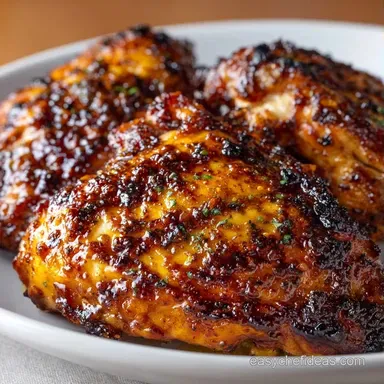
Smoky Chicken Thighs: Crispy and Failure-Proof
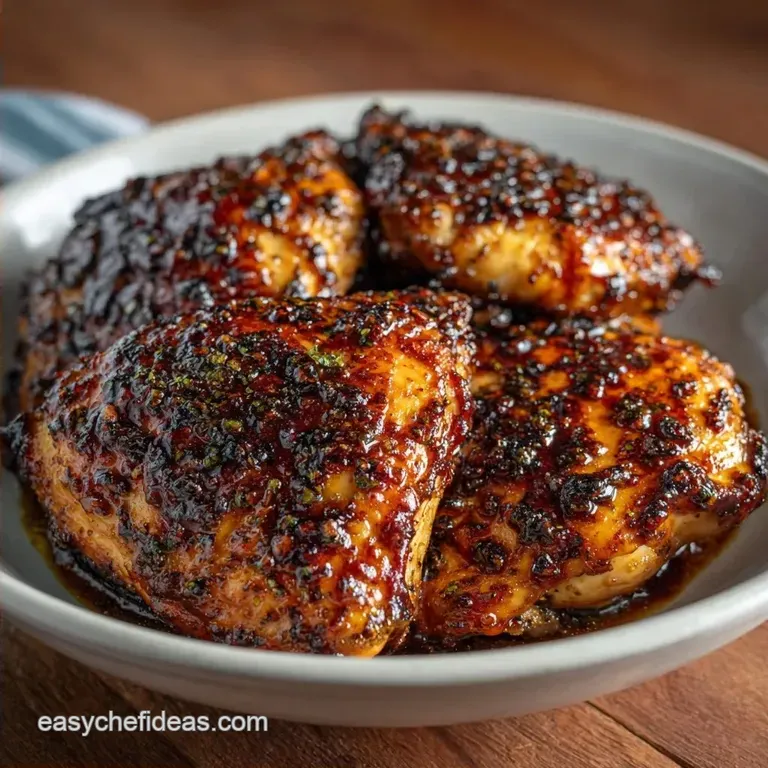
- Time:10 minutes active + 90 minutes cook
- Flavor/Texture Hook: Mahogany glaze with a shatter crisp skin
- Perfect for: Backyard weekend lunches or a high impact weeknight dinner
- Easy Smoky Chicken Thighs
- The Common Recipe Mistakes
- The Essential Flavor Base
- The Necessary Kitchen Gear
- The Step-by-Step Flow
- Fixing Typical Cooking Errors
- Exciting Taste Twists
- Adjusting the Batch Size
- Busting Grill Myths
- Storage and Leftover Ideas
- The Best Side Pairings
- Recipe FAQs
- 📝 Recipe Card
That first smell of hickory and browned sugar hitting the air is just unbeatable. I remember the first time I tried this, I thought I could just leave the grill at a low temp the whole time to get that "low and slow" vibe. The result?
The meat was juicy, but the skin was this limp, rubbery mess that felt like chewing on a wet balloon. It was a total disaster, and I almost gave up on the pellet grill entirely.
But here is the thing: you don't need a professional smokehouse or a 12 hour commitment to get world class results. The secret isn't more time, it's a change in temperature. Once I realized that the smoke penetrates early and the crisp happens late, everything changed.
These Smoky Chicken Thighs are designed for people who want that authentic BBQ competition taste without spending their entire Saturday hovering over a pit. We are going for a vibrant, Latin inspired depth with a glaze that sticks to the meat and a skin that actually cracks when you bite into it. Trust me, once you try the temperature jump, you'll never go back to the one and done method.
Easy Smoky Chicken Thighs
The biggest myth about this dish is that you have to keep the heat low until the end to keep the meat tender. Honestly, that is the fastest way to ruin your dinner. Chicken thighs have plenty of fat and connective tissue, meaning they can handle - and actually need - a blast of high heat at the end to render that fat.
If you stay at 225°F, you're basically poaching the chicken in its own skin. By jumping to 400°F for the final stretch, we transform that skin into a crispy shell. This is what separates a mediocre meal from something that tastes like it came from a high end smokehouse.
Right then, let's get into how we actually make this happen. It's all about the flow: prep the rub, infuse the smoke, and finish with a over high heat sear. It's a straightforward process, but the precision in the timing is where the magic happens.
The Common Recipe Mistakes
Most people just throw a rub on and hope for the best, but there are a few things that usually go sideways. The most common issue is moisture. If the skin is even slightly damp, the rub turns into a paste instead of a crust, and the skin steams instead of frying.
Another mistake is pulling the meat too early. A lot of guides tell you to pull chicken at 165°F, but for thighs, that is a mistake. According to USDA Food Safety, while 165°F is safe, thighs are much more tender and the collagen breaks down better when they hit closer to 175°F.
Finally, people often glaze too early. If you put that honey based sauce on at the start, the sugars burn long before the meat is cooked. We save the mahogany glaze for the last 10 minutes to get that tacky, caramelized finish without the bitter burnt taste.
- The Two Stage Heat
- Low heat (225°F) allows the smoke to penetrate the meat without overcooking it. High heat (400°F) renders the subcutaneous fat and crisps the skin.
- The Sugar Buffer
- Brown sugar creates a tacky surface that helps the smoke particles stick to the meat.
- Acidic Balance
- The apple cider vinegar in the glaze cuts through the heavy fat of the thigh, keeping the flavor vibrant.
| Method | Time | Texture | Best For |
|---|---|---|---|
| Two Stage Smoke | 90 mins | Shatter crisp skin | Maximum flavor |
| Low and Slow | 3 hours | Rubbery skin | Pure smoke focus |
| High Heat Only | 45 mins | Charred/Tough | Quick weeknights |
The Essential Flavor Base
Before we start, let's look at why these specific ingredients matter. We aren't just throwing spices together; we are building layers of flavor.
| Ingredient | Science Role | Pro Secret |
|---|---|---|
| Brown Sugar | Caramelization | Use dark brown for a deeper, molasses note |
| Paprika | Color & Earthiness | Smoked paprika adds a double layer of smoke |
| Apple Cider Vinegar | pH Balance | Use it to thin the BBQ sauce for a better glaze |
| Bone in Thighs | Fat Retention | Always keep the bone in for better moisture |
For the dry rub, we're using a mix of brown sugar, paprika, salt, pepper, garlic powder, onion powder, and a pinch of cayenne. This gives us a sweet and spicy profile that stands up to the heavy smoke of the grill.
For the glaze, we combine apple cider vinegar, BBQ sauce, and honey. The honey adds a glossy sheen, while the vinegar prevents the sauce from being too cloying. It's a simple balance that makes the Smoky Chicken Thighs feel professional.
The Necessary Kitchen Gear
You don't need a fancy setup, but a few things make this way easier. A pellet grill or a Traeger is ideal because of the consistent temp control, but you can adapt this to any smoker.
If you're using a traditional charcoal grill, use the indirect heat method. Move your coals to one side and place the chicken on the other. You'll need a reliable digital meat thermometer - don't rely on the built in grill thermometer, as those can be off by 20-30 degrees.
I also recommend using a wire rack if you're doing this in an oven with liquid smoke. Getting air under the chicken is the only way to avoid a soggy bottom. Right then, let's get into the actual cooking.
The step-by-step Flow
Let's crack on with the process. Follow these steps exactly, and you'll get that perfect result every time.
Phase 1: Prepping and Seasoning
- Pat the chicken thighs completely dry with paper towels. Note: Any moisture left on the skin will create steam, preventing the crisp.
- Lightly coat each thigh in olive oil. Note: This acts as a binder for the rub and prevents sticking.
- Massage the dry rub generously over the skin and underneath the skin folds. Ensure the meat is fully coated.
Phase 2: The Smoke Infusion
- Set the smoker to 225°F (107°C) and place thighs directly on the grates.
- Smoke the chicken until the internal temperature reaches 150°F (65°C). This usually takes the bulk of your time.
Phase 3: The over High heat Crisp
- Increase the smoker temperature to 400°F (204°C).
- Continue cooking until the internal temperature hits 175°F (79°C) and the skin sounds hollow when tapped.
Phase 4: The Critical Rest
- Brush the mixture of apple cider vinegar, BBQ sauce, and honey on during the last 10 minutes of cooking until caramelized.
- Remove from heat and let the chicken rest for 10-15 minutes. Note: This redistributes juices so they don't run out on the plate.
Chef's Note: If you want an even deeper color, try adding a teaspoon of espresso powder to your dry rub. It doesn't make the chicken taste like coffee, but it makes the mahogany color much more intense.
Fixing Typical Cooking Errors
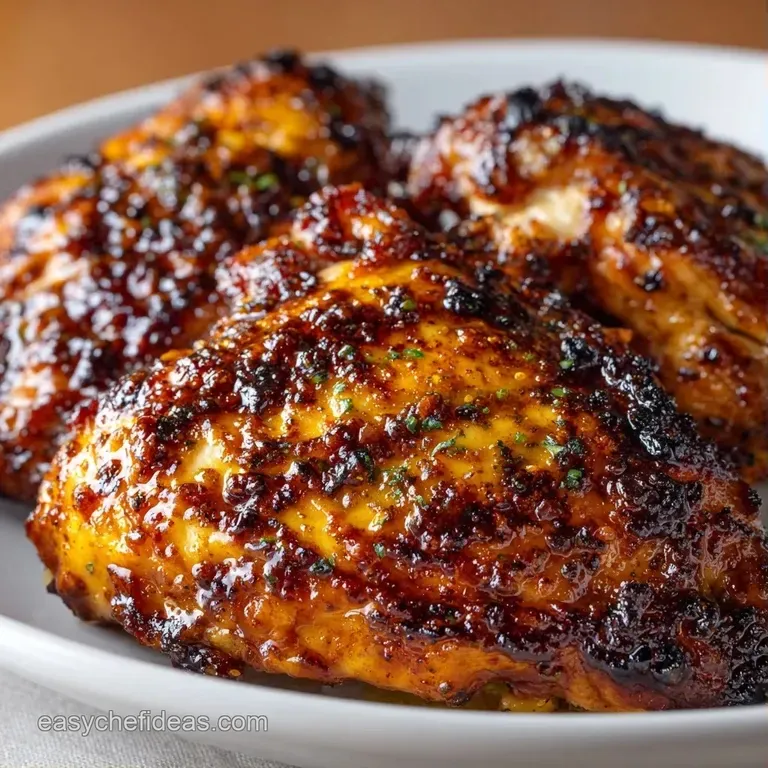
Even the best of us hit a snag sometimes. If your Smoky Chicken Thighs aren't coming out right, it's usually one of three things.
Skin is still soft or rubbery
This happens if you didn't jump the temperature high enough or if the chicken was too crowded on the grill. Air needs to circulate around each piece to dry out the skin. If it's still soft, put it under a broiler for 2-3 minutes.
The rub tastes bitter or burnt
This is a sign that the sugar in the rub burned. This usually happens if you start at too high a temperature or glaze too early. Stick to the 225°F start to let the flavor build slowly.
Meat is dry or stringy
You likely overshot the 175°F mark or didn't let the meat rest. Thighs are forgiving, but if they hit 190°F+, they start to lose that velvety texture.
| Problem | Root Cause | Solution |
|---|---|---|
| Rubby Skin | Low final temp | Crank heat to 400°F for final 20 mins |
| Burnt Glaze | Applied too early | Glaze only in the last 10 minutes |
| Dry Meat | Overcooked/No rest | Pull at 175°F and rest for 15 mins |
Common Mistakes Checklist:
- ✓ Did you pat the skin bone dry before oiling?
- ✓ Did you check the internal temp with a probe, not a guess?
- ✓ Did you wait until 150°F before increasing the heat?
- ✓ Did you leave at least an inch of space between thighs?
- ✓ Did you let the meat rest before slicing?
Exciting Taste Twists
Once you've nailed the basic Smoky Chicken Thighs, you can start playing with the flavor profiles. I love adding a bit of Latin flare to these.
For a Spicy Chipotle Kick: Swap the paprika for chipotle powder and add a tablespoon of adobo sauce to the glaze. This gives it a smoky, earthy heat that is absolutely vibrant.
For a Honey Garlic Twist: Double the garlic powder in the rub and replace the BBQ sauce in the glaze with a mixture of soy sauce and extra honey. It's a great bridge between BBQ and Asian flavors.
For Smoked Boneless Skinless Chicken Thighs: Since you don't have the skin to protect the meat, reduce the final over high heat phase. Instead of 400°F, jump to 325°F and pull the meat at 165°F to avoid drying them out. If you're looking for something even creamier, you could serve these with a Creamy Tuscan Garlic Sauce for a total flavor pivot.
For a Low Carb/Keto Option: Replace the brown sugar in the rub with a monk fruit sweetener and use a sugar-free BBQ sauce. You'll lose a bit of the caramelization, but the smoke flavor remains.
Adjusting the Batch Size
Scaling this recipe is pretty easy, but you can't just multiply everything linearly, especially with the spices.
Scaling Down (for 2-3 people): If you're only doing 3 thighs, use half the rub. However, don't reduce the olive oil too much - you still need a good coat. Your cook time will be about 20% faster because there's less mass on the grill.
Scaling Up (for a party): When doing 12 or more thighs, only increase the salt and cayenne to 1.5x. Too much salt can become overwhelming in large batches. Most importantly, work in batches or use two racks. If you crowd the grill, you'll create a "steam zone" and lose that crispy skin.
| Original Ingredient | Substitute | Why It Works |
|---|---|---|
| Brown Sugar (60g) | Maple Sugar (60g) | Similar sweetness. Note: Adds a woody, autumnal flavor |
| Apple Cider Vinegar | White Wine Vinegar | Similar acidity. Note: Slightly sharper, less fruity |
| Honey (15g) | Maple Syrup (15g) | Same viscosity. Note: More distinct maple aroma |
Busting Grill Myths
There are so many "rules" about smoking meat that are just flat out wrong. Let's clear a few up.
First, the idea that searing meat "seals in the juices" is a total myth. Searing creates flavor through browning, but it doesn't stop moisture from leaving the meat. The real key to juicy Smoky Chicken Thighs is the internal temperature and the resting period.
Second, people think you need a specific "smoke ring" (that pink layer under the skin) to know if it's cooked right. The ring is just a chemical reaction between nitrogen dioxide and myoglobin. It looks cool, but it has zero impact on the taste or doneness.
Storage and Leftover Ideas
If you have leftovers, don't just throw them in a plastic container. Let them cool slightly first to prevent the skin from getting soggy.
Storage: Store in an airtight container in the fridge for 3-4 days. For the freezer, wrap them tightly in foil and then a freezer bag; they'll keep for up to 3 months.
Reheating: To keep the skin from turning into rubber, avoid the microwave. Use an air fryer or oven at 350°F (175°C) for about 5-8 minutes. This crisps the skin back up.
Zero Waste: Don't toss the bones! If you're doing a large batch, save the bones in a bag in the freezer. Once you have enough, simmer them with carrots and celery to make a rich chicken stock. You can even use some of the leftover shredded meat to make Slow Cooker Chicken by adding a creamy sauce.
The Best Side Pairings
Because these thighs are so rich and smoky, you need sides that provide contrast. Think acid, crunch, and freshness.
A vinegar based coleslaw is the gold standard here. The sharpness of the vinegar cuts right through the fat of the chicken. Alternatively, a grilled corn salad with lime and cilantro fits the vibrant Latin profile perfectly.
If you want something more filling, try serving them alongside a creamy pasta. The smokiness of the meat pairs beautifully with something like Gnocchi with Roasted Red Pepper Sauce, creating a meal that feels like a restaurant treat.
Right then, you've got the plan. Just remember: pat them dry, trust the 175°F internal temp, and don't skip that over high heat finish. Your Smoky Chicken Thighs will be the star of the table. Let's get grilling!
Recipe FAQs
Can I use boneless chicken thighs instead of bone-in?
Yes, but monitor them closely. Boneless thighs cook significantly faster and can dry out more quickly than bone-in thighs.
What temperature should I smoke chicken thighs?
Start at 225°F and finish at 400°F. The low heat builds smoke flavor, while the high heat at the end crisps the skin.
How long does it take to smoke chicken thighs?
Typically 1.5 to 2 hours. Exact timing depends on the size of your thighs and the efficiency of your smoker.
What internal temperature should smoked chicken thighs reach?
Aim for 175°F. While chicken is safe at 165°F, thighs have more connective tissue that becomes tender and juicy at this higher temperature.
How do I get crispy skin on smoked chicken thighs?
Pat the skin completely dry with paper towels before applying oil and rub. Finish the cook at 400°F to render the fat and crisp the exterior.
What is the best way to reheat leftover smoked chicken thighs?
Use an air fryer or oven at 350°F. Heat for 5-8 minutes to restore the skin's texture and avoid the rubbery results of a microwave.
Can I use a different rub for the chicken?
Yes, any savory spice blend works. For a deeper, more intense profile, try applying a homemade rib rub instead.
Smoky Chicken Thighs