Salmon Cooked at 350 with Lemon and Herbs
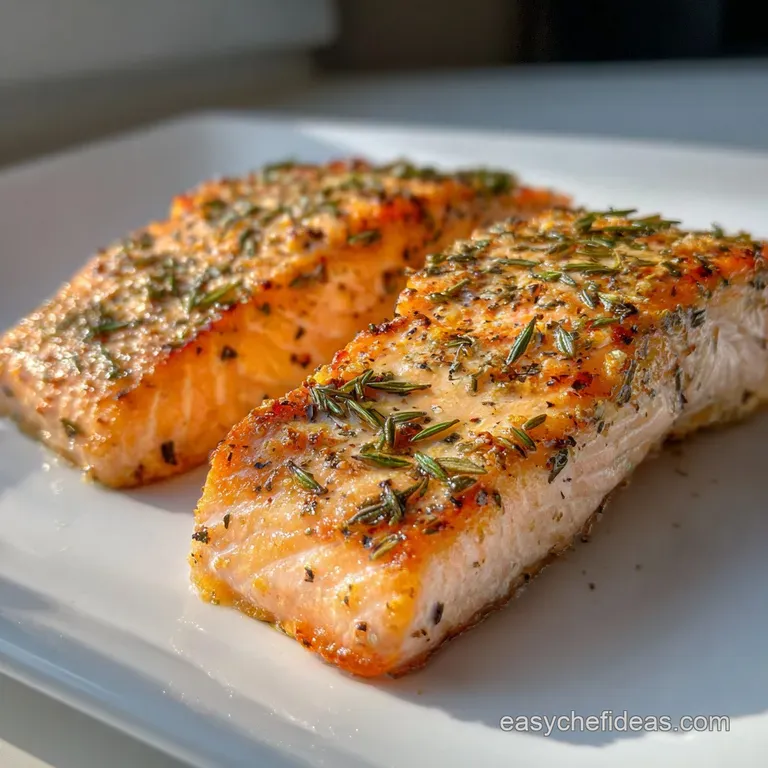
- Time: Active 10 minutes, Passive 20 minutes, Total 30 minutes
- Flavor/Texture Hook: Silky, citrus bright, and flaky
- Perfect for: Nourishing family Sunday dinners or impressive hosting
- Creating the Ultimate Salmon Cooked at 350 with Lemon and Herbs
- The Gentle Thermal Science Making This Fish Flaky
- Component Analysis: The Elements of Flavor
- Curating Fresh Garden Herbs and High Quality Proteins
- Minimalist Kitchen Tools Required for Best Results
- Step-By-Step Guide to Achieving the Ideal Flake
- How to Fix Dry Fish and Common Mistakes
- Mediterranean Inspired Flavor Twists and Ingredient Swaps
- Storing Leftovers and Maximizing Your Zero Waste Kitchen
- Vibrant Side Dishes to Nourish Your Whole Community
- Frequently Debunked Kitchen Myths
- Recipe FAQs
- 📝 Recipe Card
Creating the Ultimate Salmon Cooked at 350 with Lemon and Herbs
The kitchen fills with the sharp, clean scent of sliced lemon hitting the heat, mingling with the earthy, grounded aroma of fresh dill and thyme. I remember the first time I got this right; after years of blasting fish at 425°F and ending up with something closer to wood than food, the gentle sizzle of a 350°F oven felt like a revelation.
The fish doesn't fight the heat here, it welcomes it.
This article shares a standout recipe for Salmon Cooked at 350 with Lemon and Herbs. We are looking for that specific contrast between the rich, fatty weight of the fish and the bright, dancing notes of the garden.
It is about more than just a meal, it's about a dish that feels like a warm embrace for your community, nourishing both the body and the soul with vibrant, diverse flavors.
You can expect a fillet that is tender enough to be eaten with a spoon, topped with a herb crust that provides a soft, aromatic crunch. We aren't rushing the process here. Instead, we are honoring the ingredients by giving them the exact amount of thermal energy they need to reach their peak without overshooting into toughness.
The Gentle Thermal Science Making This Fish Flaky
Gentle Protein Denaturation: At 350°F, the muscle fibers in the fish tighten slowly, preventing the aggressive squeezing that forces out moisture and creates that white "gunk" (albumin).
Lipid Emulsification: The moderate heat allows the extra virgin olive oil and the natural fish fats to mingle with the lemon juice, creating a velvety self basting sauce right on the pan.
Aromatic Infusion: Lower temperatures give the volatile oils in the fresh dill and thyme time to penetrate the surface of the meat before they evaporate into the air.
Acid Tenderization: The citric acid from the lemon juice works to soften the connective tissues during the 20 minutes of cooking, ensuring every bite is exceptionally tender.
| Method | Time | Texture | Best For |
|---|---|---|---|
| High Heat (425°F) | 12 mins | Crispy skin, firmer meat | Fast weeknight meals |
| Moderate (350°F) | 20 mins | Buttery, uniform silkiness | Dinner parties/Quality |
| Low Slow (275°F) | 35 mins | Sashimi like, very soft | Advanced meal prep |
Choosing the 350°F method provides the most reliable results for home cooks who want to avoid the stress of a 30 second window between "done" and "dry." It creates a forgiving environment where the herbs can truly shine without burning. This approach is very similar to the philosophy used in our Baked Salmon recipe, where moisture retention is the top priority.
Component Analysis: The Elements of Flavor
| Ingredient | Science Role | Pro Secret |
|---|---|---|
| Side of Salmon | Main Protein | Bring to room temp for 15 mins to ensure even heat penetration. |
| Fresh Dill/Parsley | Flavor Profile | Use the tender stems; they hold more essential oil than the leaves alone. |
| Lemon Slices | Moisture Barrier | Placing slices on top protects the delicate flesh from direct dry air. |
| Extra Virgin Olive Oil | Heat Conductor | high-quality oil carries the fat soluble herb flavors deep into the fish. |
Curating Fresh Garden Herbs and high-quality Proteins
For this recipe, we are focusing on ingredients that celebrate culinary diversity and fresh culture. Each element is chosen to provide a specific layer of nourishment.
- 1.5 lbs side of salmon: Look for a vibrant, firm fillet. Why this? A whole side cooks more evenly than individual pre cut fillets.
- Substitute: Steelhead trout. It has a similar fat content and color but a slightly milder flavor.
- 1 large lemon: Half sliced into rounds and half juiced. Why this? Slices provide protection while juice provides the necessary acid for tenderizing.
- Substitute: Meyer lemons for a sweeter, more floral citrus profile.
- 3 garlic cloves: Minced finely. Why this? Garlic adds a pungent depth that grounds the bright herbs.
- Substitute: Shallots, which offer a softer, more onion forward sweetness.
- 2 tbsp fresh parsley: Chopped. Why this? Provides a peppery, fresh finish that cleanses the palate.
- Substitute: Chervil for a delicate, licorice like hint.
- 1 tbsp fresh dill: Chopped. Why this? The classic companion for fish, offering a unique earthy sweetness.
- Substitute: Fennel fronds, which mimic the texture but add a slight anise flavor.
- 1 tsp fresh thyme leaves: Why this? Thyme adds a woody, balsamic note that makes the dish feel sophisticated.
- Substitute: Dried oregano, though use only 1/3 the amount as it's more concentrated.
- 2 tbsp extra virgin olive oil: Why this? Creates a rich mouthfeel and prevents the herbs from scorching.
- Substitute: Melted grass fed butter for a more decadent, traditional French profile.
- 1 tsp kosher salt: Why this? Coarse grains dissolve more slowly, seasoning the meat deeply.
- Substitute: Sea salt or smoked salt for a touch of campfire aroma.
- 0.5 tsp cracked black pepper: Why this? Provides a subtle heat that cuts through the fatty salmon oils.
- Substitute: White pepper if you want a more uniform look and a sharp, earthy kick.
Minimalist Kitchen Tools Required for Best Results
You don't need an arsenal of gadgets to master this dish. The beauty of this recipe lies in its simplicity. I always reach for a large, heavy duty rimmed baking sheet (like those from Nordic Ware) because they distribute heat more evenly than thin, flimsy pans.
A piece of parchment paper or a silicone baking mat is essential; it prevents the delicate skin from sticking and makes cleanup a breeze.
Beyond the pan, a sharp chef's knife is your best friend for mincing those 3 garlic cloves and fresh herbs finely. For the lemon, a simple handheld citrus juicer helps you get every drop without the seeds. If you want to be truly precise, an instant read digital thermometer is the one "extra" I'd recommend.
It's the only way to know exactly when your Salmon Cooked at 350 with Lemon and Herbs has reached that silky internal temperature of 145°F.
step-by-step Guide to Achieving the Ideal Flake
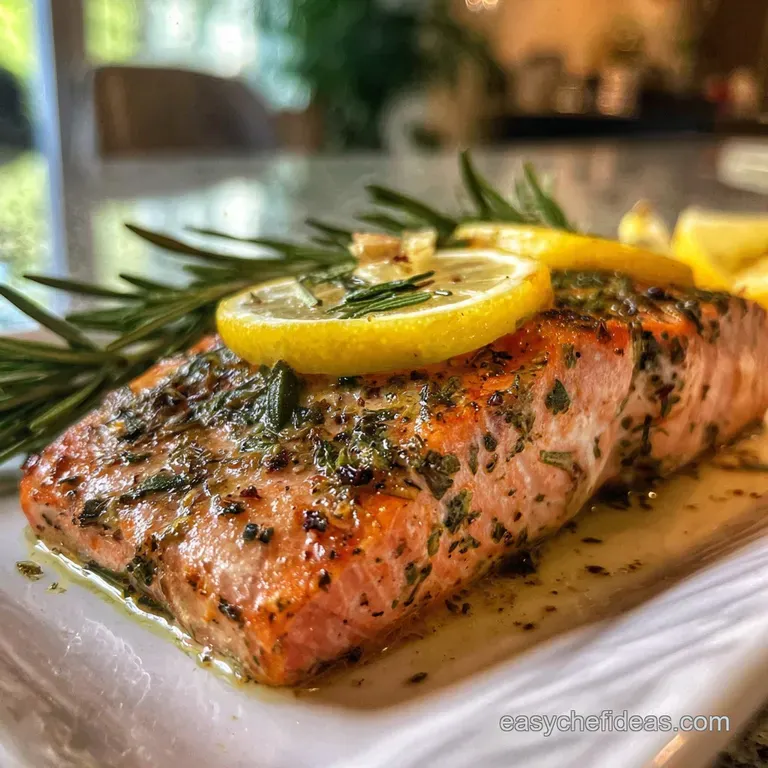
- Prepare the oven. Position a rack in the center and preheat to 350°F. Note: This ensures the heat circulates evenly around the entire fish.
- Temper the salmon. Remove the 1.5 lbs side of salmon from the fridge 15 minutes before cooking. Note: Cold fish in a hot oven results in uneven cooking and a tough exterior.
- Dry the surface. Use paper towels to pat the salmon completely dry. Keep patting until no moisture remains on the skin or flesh.
- Create the herb emulsion. In a small bowl, whisk together the juice of half a lemon, 2 tbsp extra virgin olive oil, minced garlic, parsley, dill, thyme, salt, and pepper.
- Line the tray. Place a sheet of parchment paper on your baking sheet and lay the salmon in the center, skin side down.
- Apply the aromatics. Pour the herb mixture over the fish, using a brush or spoon to ensure every inch is covered. Note: Don't forget the thin tail end.
- Layer the citrus. Arrange the lemon rounds over the top of the herb coated fish. Look for a beautiful, overlapping pattern that covers most of the surface.
- The Precision Bake. Slide the pan into the oven and bake for 20 minutes. Watch for the flesh to turn opaque and the lemon slices to soften.
- Check for doneness. Gently press a fork into the thickest part of the fillet. It should shatter into large, moist flakes with very little resistance.
- The Essential Rest. Remove the pan from the oven and let the fish rest for 5 minutes before serving. Note: This allows the juices to redistribute so the first cut doesn't result in a dry bite.
How to Fix Dry Fish and Common Mistakes
Sometimes things don't go exactly as planned in the kitchen. I've had my share of "salmon jerky" before I learned the nuances of timing. The most common culprit for dry fish is simply leaving it in the oven for five minutes too long.
If you find your fish is looking a bit dull or feels firm to the touch, it's likely overcooked.
Why Your Salmon Is Leaking White Gunk
That white substance is called albumin. It is a protein that exists in the fish and gets pushed to the surface when the muscle fibers contract too quickly. While it is perfectly safe to eat, it usually indicates that the fish was cooked too fast or at too high a temperature.
By using the 350°F setting and bringing the fish to room temp first, we minimize this "squeezing" effect.
| Problem | Root Cause | Solution |
|---|---|---|
| Dry, Chalky Texture | Overcooking beyond 145°F | Check at 15 mins; use a thermometer for precision. |
| Soggy Bottoms | Excess moisture on the skin | Pat skin dry with paper towels; avoid adding water to the pan. |
| Uneven Doneness | Cold center of the fish | Let the fillet sit at room temp for 15 minutes before baking. |
A quick fix for slightly overcooked salmon is to drizzle it with a bit more extra virgin olive oil and a fresh squeeze of lemon right before serving. The fat and acid will mimic the moisture that was lost in the oven.
Common Mistakes Checklist:
- ✓ Skipping the "pat dry" step (leads to steaming rather than roasting).
- ✓ Using dried herbs instead of fresh (fresh dill is non negotiable for that bright garden flavor).
- ✓ Crowding the pan with too many side vegetables (this creates steam and prevents the salmon from getting that nice roasted finish).
- ✓ Forgetting to rest the meat (the carryover cooking completes the process during the 5 minute rest).
- ✓ Using a glass baking dish without adjusting (glass retains more heat and can overcook the bottom).
Mediterranean Inspired Flavor Twists and Ingredient Swaps
I love how a single recipe can become a canvas for different cultures. While this version is very traditional, you can easily shift the profile. For a "Mediterranean Twist," try adding 1/4 cup of halved kalamata olives and a tablespoon of drained capers to the pan.
The saltiness of the olives provides a sharp contrast to the rich fish.
If you are looking for a dairy-free "butter" swap, you can use refined coconut oil if you don't mind a very faint tropical note, but honestly, high-quality extra virgin olive oil is the gold standard here.
For those who want more heat, a teaspoon of red chili flakes stirred into the herb mix adds a wonderful sizzle to the palate.
If you are scaling this for a larger crowd, the Salmon Cooked in recipe is very forgiving. Just ensure your baking sheets aren't touching each other in the oven so the air can still circulate. For more guidance on different cooking techniques, you might find my How to Cook Salmon recipe helpful for those days when you want a pan seared crust instead.
- Bright
- Fresh lemon juice and zest.
- Rich
- Salmon fats and olive oil.
- Earthy
- Thyme and dill.
- Sharp
- Minced garlic and black pepper.
Storing Leftovers and Maximizing Your Zero Waste Kitchen
Salmon is surprisingly versatile as a leftover. You can keep it in an airtight container in the fridge for up to 3 days. When reheating, avoid the microwave at all costs! It will turn your silky fish into a rubbery mess.
Instead, place it in a cold oven, turn the heat to 275°F, and take it out as soon as it feels warm to the touch (usually about 10 minutes).
For freezing, cooked salmon lasts about 2 months. Wrap it tightly in plastic wrap and then foil to prevent freezer burn. To use it from the freezer, I recommend flaking it into a pasta sauce or using it for salmon cakes rather than trying to eat it as a whole fillet again.
Don't toss those lemon ends or herb stems! I keep a "stock bag" in my freezer where I put the parsley and dill stems. They add incredible flavor to a homemade vegetable or fish stock later on.
The leftover lemon rinds can be tossed into a pot of simmering water with a cinnamon stick to make your whole house smell like a spa.
Vibrant Side Dishes to Nourish Your Whole Community
To truly nourish your community, serving this fish with the right sides is key. I almost always pair this with a crisp, refreshing cucumber salad tossed in a light yogurt dressing. The cool crunch of the cucumber is the perfect partner for the warm, flaky fish.
If you want something heartier, a bed of fluffy quinoa or a side of roasted asparagus works wonders. The asparagus can often be roasted on a separate tray at the same time as the salmon, making the whole meal come together in exactly 20 minutes of oven time.
If you want X, do Y: If you want a crispier top, turn on the broiler for the last 2 minutes of cooking. If you want a richer sauce, add 2 tablespoons of cold butter cubes around the fish before baking.
If you want a smokier flavor, swap the kosher salt for a high-quality smoked sea salt.
Frequently Debunked Kitchen Myths
There is a common belief that you must rinse your fish under cold water before cooking. This is actually a mistake! Rinsing doesn't kill bacteria; instead, it splashes that bacteria all over your sink and counters. A simple pat down with paper towels is all you need for a clean, safe cooking surface.
Another myth is that you should always cook salmon until it is "well done" and completely firm. Because salmon is a fatty fish, it is best enjoyed when the center is still slightly translucent and soft.
Cooking it to 145°F (medium) ensures you keep all those healthy fats and the velvety texture we worked so hard to achieve at 350°F. Searing or baking doesn't "seal in juices," but the 350°F temperature does slow down moisture loss significantly compared to higher heat.
Recipe FAQs
How long does salmon cook at 350 degrees?
Around 15-20 minutes. The exact time depends on the thickness of your fillet. For salmon cooked at 350°F with lemon and herbs, aim for the thicker parts to flake easily with a fork.
How to cook salmon fillets with lemon and herbs?
Pat fillets dry, then coat with lemon juice, olive oil, minced garlic, and fresh herbs like dill and parsley. Arrange lemon slices on top and bake at 350°F for about 15-20 minutes, or until cooked through. If you enjoyed mastering the flavor layering here, see how we build complex tastes in our Easy Silky Salmon Cream Sauce Recipe with a Zesty Twist.
How to cook salmon in oven with lemon?
Place salmon on a baking sheet, drizzle with olive oil, and arrange lemon slices on top. Season well with salt and pepper, then bake at 350°F for 15-20 minutes. For more lemon forward ideas, consider our Grilled Garlic Dijon Herb Salmon: 15-Minute Flaky Dinner.
Do you put lemon on salmon before or after cooking?
Both are great, but before is best for this recipe. Slices on top before baking infuse flavor and protect the fish, while a squeeze of fresh juice after cooking adds a bright, finishing tang. If you want to explore another delicious citrus preparation, our Sticky Maple Balsamic Rainbow Trout Recipe Ready in 30 Mins also uses citrus to balance sweetness.
What temperature is best for cooking salmon at 350?
350°F is ideal for a gently cooked, flaky texture. This moderate temperature allows the salmon to cook through evenly without drying out, keeping it moist and tender. It also gives the herbs and lemon time to meld their flavors.
Can I use dried herbs instead of fresh for baked salmon?
Yes, but use less. Dried herbs are more concentrated, so use about one-third the amount of fresh herbs called for. For instance, if a recipe says 1 tablespoon of fresh dill, use about 1 teaspoon of dried dill.
How do I know when salmon cooked at 350 is done?
It should flake easily with a fork. The flesh will turn from translucent to opaque, and when you gently press the thickest part with a fork, it should separate into large, moist flakes. An instant read thermometer should register around 145°F (63°C).
Salmon Cooked At 350 With Lemon And Herbs
Ingredients:
Instructions:
Nutrition Facts:
| Calories | 420 calories |
|---|---|
| Protein | 34.7 g |
| Fat | 29.8 g |
| Carbs | 2.2 g |
| Fiber | 0.6 g |
| Sugar | 0.4 g |
| Sodium | 685 mg |
