One Pan Creamy Garlic Pasta Recipe
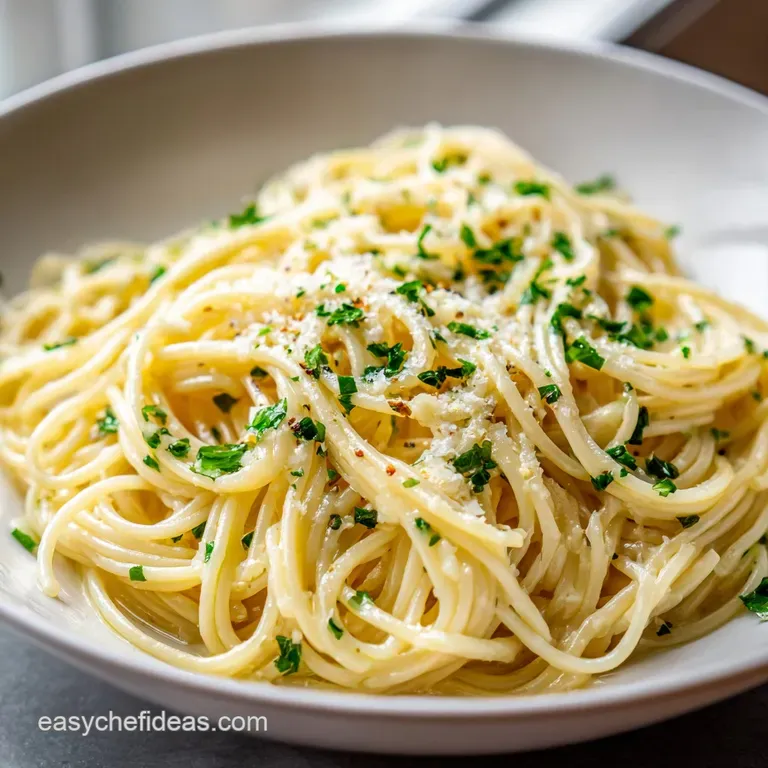
- Time: Active 10 minutes, Passive 15 minutes, Total 25 minutes
- Flavor/Texture Hook: Velvety cream sauce with savory garlic notes
- Perfect for: Busy weeknights or a comforting family dinner
- Why This Flavor Profile Works
- Essential Recipe Performance Specs
- What You Will Actually Need
- Essential Equipment for Success
- Mastering the One Pan Process
- Simple Solutions for Texture Issues
- Smart Swaps and Diet Variations
- Storage and Leftover Reviving Tips
- Creative Serving and Pairing Ideas
- Very High in Sodium
- Pasta Recipe FAQs
- 📝 Recipe Card
The sound of a heavy pan hitting the stove always signals the start of something comforting. I remember the first time I attempted a one pot dish like this, I was genuinely skeptical.
My kitchen was a mess, I had three different pots going for a simple dinner, and I thought, "There has to be a way to make this pasta recipe recipe less of a chore." I stared at the dry fettuccine and the chicken broth, wondering if they would actually play nice together in a single skillet.
As the broth began to simmer and the noodles softened, the aroma of garlic and butter filled the room, and something magical happened. The liquid didn't just disappear, it thickened into a rich, golden glaze. It was a moment of pure kitchen clarity.
I realized that by not draining the pasta water, I was keeping all that liquid gold, the starch, right where it belonged: in the sauce.
Since that night, this has become my go to when I need a meal that nourishes the soul without leaving me with a mountain of dishes. We've all been there, standing over a sink full of colanders and pots at 8:00 PM. This method changes that.
It's about building layers of flavor in one space, from the initial sear of the chicken to the final melt of the parmesan cheese.
Why This Flavor Profile Works
- Starch Emulsification: Cooking pasta directly in the pan releases starches that would otherwise be tossed down the drain. These starches act as a natural thickener, binding the fats from the butter and cream into a velvety sauce that won't break.
- Fond Utilization: Searing the chicken first creates "fond," those little brown bits on the bottom of the pan. Deglazing with chicken broth incorporates that concentrated savory flavor into every bite of the pasta.
- Controlled Hydration: Using a specific ratio of chicken broth to heavy cream ensures the noodles reach a perfect al dente texture while the liquid reduces to the exact consistency of a high end restaurant sauce.
- Aromatic Infusion: Garlic and dried oregano are toasted in butter before the liquid is added, which wakes up the fat soluble compounds in the herbs, providing a deeper, more resonant herbal note.
The Physics of the Emulsion
When you cook pasta in a large pot of water, you lose the starch. In this pasta recipe recipe, the starch stays. As the water evaporates, the concentration of starch increases, which helps the heavy cream and melted butter stay "together" rather than separating into a greasy mess. It's the same principle behind the silkiness of a professional carbonara or The Garlic Butter recipe.
| Method | Time | Texture | Best For |
|---|---|---|---|
| One Pan | 25 minutes | Ultra glossy, starchy | Busy weeknights, maximum flavor |
| Traditional | 40 minutes | Lighter, separate sauce | Dinner parties, delicate pastas |
| Slow Cooker | 4 hours | Soft, very creamy | Set and forget meal prep |
The one pan method is consistently my favorite because the noodles actually taste like chicken and garlic, not just plain flour and water. If you've ever felt like your pasta and sauce were two separate entities living on the same plate, this technique is the solution.
Essential Recipe Performance Specs
To get this right every single time, you need to keep a few specific checkpoints in mind. Cooking is as much about timing and temperature as it is about the ingredients themselves.
- Chicken Sear: Ensure your pan is at medium high heat. The chicken should sizzle the moment it hits the oil. You aren't looking to cook it through yet, just to get a golden brown crust.
- Liquid Ratio: Do not be tempted to add more broth than the 950 ml (4 cups) called for in the schema. It may look like a lot at first, but the fettuccine will soak it up faster than you expect.
- The Simmer: Keep the liquid at a steady bubble, not a violent boil. A violent boil will evaporate the moisture before the pasta has a chance to soften, leading to crunchy noodles and a dry pan.
Chef Tip: Rub the dried oregano between your palms before adding it to the pan. This physical friction releases the essential oils, making the herb much more fragrant than if you just shook it from the jar.
What You Will Actually Need
The beauty of this dish lies in its simplicity. We are using staple ingredients, but the way we treat them makes all the difference.
- Chicken Breast (450g / 1 lb): Sliced into thin medallions. This ensures they cook quickly and remain tender.
- Fettuccine (340g / 12 oz): The wide ribbons are perfect for catching the heavy cream sauce.
- Chicken Broth (950ml / 4 cups): Use low sodium so you can control the salt levels yourself.
- Unsalted Butter (56g / 4 tbsp): This adds richness and helps create the base of the sauce.
- Heavy Cream (120ml / 1/2 cup): Provides the velvety mouthfeel that defines a great alfredo style dish.
- Parmesan Cheese (45g / 1/2 cup): Grate it yourself if possible; the pre shredded stuff is coated in potato starch and won't melt as smoothly.
- Garlic (4 cloves): Minced finely to distribute that pungent, savory flavor throughout.
- Olive Oil (15ml / 1 tbsp): To prevent the butter from burning during the initial sear.
- Seasonings: Kosher salt, black pepper, and dried oregano.
| Ingredient | Science Role | Pro Secret |
|---|---|---|
| Heavy Cream | Fat source for emulsion | Add at the very end to prevent curdling |
| Chicken Broth | Cooking medium & Umami | Use room temp to avoid dropping pan heat |
| Fettuccine | Starch provider | Don't break the noodles; let them soften and submerge |
Smart Substitutions
| Original Ingredient | Substitute | Why It Works |
|---|---|---|
| Chicken Breast | Shrimp | Cooks even faster. Note: Add shrimp in the last 3 mins only |
| Fettuccine | Linguine | Similar surface area; maintains the starch ratio |
| Heavy Cream | Full fat Coconut Milk | Provides similar fat content. Note: Adds a slight nutty flavor |
If you decide to go the seafood route, this base technique works beautifully, much like the steps in my Creamy Garlic Butter recipe.
Essential Equipment for Success
You don't need a professional kitchen, but a few specific tools will make your life much easier.
First, a large, deep skillet or a Dutch oven is non negotiable. You need enough surface area to sear the chicken, but enough depth to hold nearly a liter of liquid and a pack of pasta. I prefer a heavy bottomed stainless steel pan or a cast iron enameled pot because they hold heat evenly.
Second, a good pair of tongs. You'll need them to flip the chicken and later to toss the fettuccine to ensure it doesn't stick together. If you use a wooden spoon, the noodles might clump.
Finally,, a microplane or a fine grater. Freshly grated parmesan melts into the sauce instantly. The bagged stuff often has anti caking agents that can make your sauce feel "gritty" rather than silky.
Mastering the One Pan Process
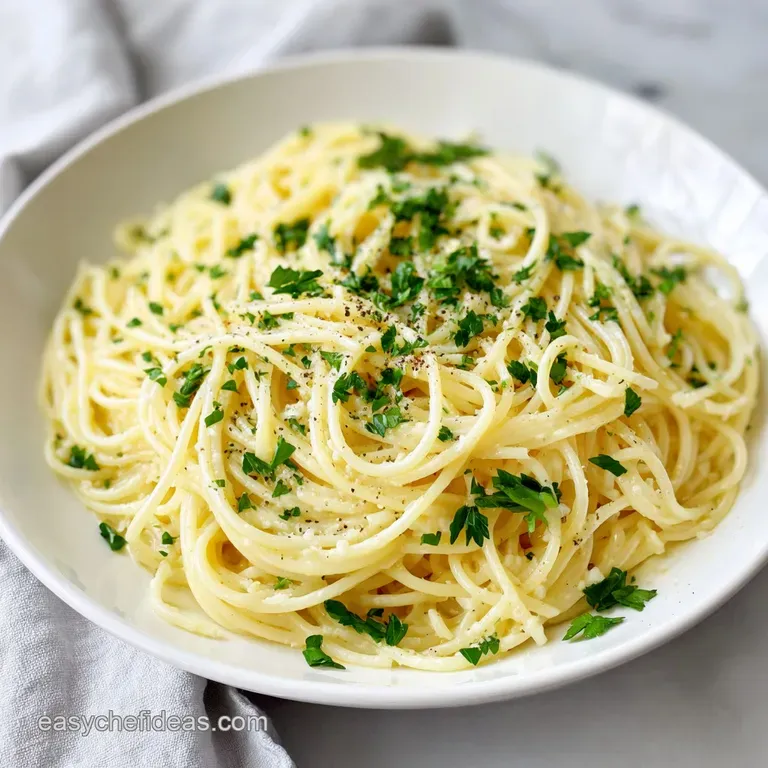
- Prep the chicken. Season the 450g of sliced chicken breast with salt and pepper.
- Sear the protein. Heat the olive oil in your large skillet over medium high heat. Add the chicken and cook for 3 minutes per side until golden and browned. Note: The chicken doesn't need to be fully cooked yet; it will finish in the sauce.
- Sauté aromatics. Remove the chicken and set aside. Drop the 56g of butter into the same pan. Once melted, add the minced garlic and dried oregano. Cook for 1 minute until fragrant and sizzling.
- Deglaze the pan. Pour in the 950ml of chicken broth. Use a wooden spoon to scrape up all those flavorful brown bits from the bottom.
- Add the pasta. Place the 340g of fettuccine into the broth. Note: If they don't fit, wait 30 seconds for the submerged ends to soften, then gently push the rest down with tongs.
- Simmer and stir. Bring to a gentle boil, then reduce to a simmer. Cook for 12 minutes, stirring occasionally to prevent sticking, until the pasta is al dente and broth has reduced by half.
- Temper the cream. Lower the heat to low. Stir in the 120ml of heavy cream and 45g of parmesan cheese.
- Reincorporate the chicken. Add the seared chicken back into the pan.
- The final toss. Stir everything together for 2 minutes until the sauce is thick and velvety.
- Rest and serve. Let the pan sit off the heat for 2 minutes. The sauce will continue to thicken as it cools slightly.
Chef Tip: If the sauce looks too thin at step 9, don't panic! The residual heat and the starch in the pasta will thicken it significantly as you plate it.
Simple Solutions for Texture Issues
Even the best cooks run into hiccups. Pasta can be finicky depending on the brand or the humidity in your kitchen.
The Sauce is Gummy
This usually happens if the heat was too high and the liquid evaporated too quickly, or if you used too much cheese too fast. The starch becomes overly concentrated.
The Pasta is Underdone
If the liquid is gone but the noodles are still crunchy, you likely had too much evaporation. This happens if your pan is too wide or your simmer was too aggressive.
| Problem | Root Cause | Solution |
|---|---|---|
| Broken Sauce | Heat too high when adding cream | Remove from heat before stirring in dairy |
| Clumping Pasta | Not stirring during the first 5 mins | Use tongs to separate strands frequently |
| Bland Flavor | Under seasoned broth | Add a pinch of salt and extra black pepper at the end |
Common Mistakes Checklist
- ✓ Don't rinse the pasta: You need that surface starch to bind the sauce.
- ✓ Freshly grate your cheese: Pre shredded cheese will never give you that silky finish.
- ✓ Stir frequently at the start: This is when the noodles are most likely to fuse together.
- ✓ Watch the heat: A rolling boil will break the delicate fats in the cream.
- ✓ Dry the chicken: Pat the meat dry with paper towels before searing to get a better crust.
Smart Swaps and Diet Variations
This pasta recipe recipe is incredibly flexible. If you want to change the flavor profile or accommodate dietary needs, it's quite simple.
Scaling the RecipeTo Feed a Crowd (Double): Use two separate pans or a very large stockpot. Keep the salt and oregano at 1.5x the original amount to avoid over seasoning.
Increase the cooking time by about 5 minutes as the larger volume takes longer to reach a simmer. Cooking for Two (Half): Halve all ingredients exactly. Use a smaller skillet (about 25cm) to ensure the liquid still covers the pasta.
Reduce the simmer time by 2-3 minutes.
Dietary Tweaksgluten-free: Use a high-quality gluten-free fettuccine (like corn or brown rice based). Note that these often release less starch, so you may need to whisk 1 tsp of cornstarch into the heavy cream before adding it to the pan.
Lighter Version: Swap half of the heavy cream for whole milk and add an extra tablespoon of butter for richness. It won't be as "thick" but it will be just as flavorful.
Storage and Leftover Reviving Tips
Leftover pasta is a polarizing topic, but if you store it correctly, it makes a fantastic lunch the next day.
Fridge Storage: Place in an airtight container for up to 3 days. The sauce will thicken and be absorbed by the pasta as it sits.
Freezing: I don't generally recommend freezing creamy pasta dishes as the dairy can separate and become grainy upon thawing. However, if you must, freeze for up to 1 month and thaw in the fridge overnight.
Reheating: This is where people go wrong. Never just microwave it on high. 1. Place the pasta in a skillet over low heat. 2. Add a splash of milk or chicken broth (about 2 tablespoons). 3. Cover and heat gently, tossing occasionally until the sauce loosens and becomes creamy again.
Zero Waste Tip: If you have leftover parmesan rinds, don't throw them away! Toss them into the pan while the broth is simmering. They add a massive hit of savory umami to the liquid. Just remember to fish them out before serving.
Creative Serving and Pairing Ideas
While this pasta is a star on its own, the right accompaniments can make it a full experience.
The Ultimate Side Kick
A crisp, green salad with a sharp lemon vinaigrette is the perfect foil to the rich, heavy cream sauce. The acidity cuts through the fat and cleanses the palate between bites. You could also serve it with roasted broccoli or asparagus seasoned with lemon zest.
The Bread Factor
A crusty baguette or garlic bread is essential for mopping up any leftover sauce on the plate. If you're feeling fancy, rub a toasted slice of sourdough with a raw garlic clove and a drizzle of olive oil.
Debunking Kitchen Myths
- "Adding oil to pasta water prevents sticking": This is a myth. Oil just floats on top and makes the pasta greasy, preventing the sauce from sticking to the noodles. Proper stirring is the only way to prevent clumps.
- "You must boil pasta in gallons of water": Not true! As we've seen in this pasta recipe recipe, using just enough liquid to cover the pasta creates a concentrated starch base that is far superior for sauce making.
- "Cream curdles instantly if boiled": While you shouldn't boil it vigorously for long, a gentle simmer with starches present (like our pasta liquid) actually stabilizes the cream, making it much harder to break.
This dish is about community and the simple joy of sharing a warm bowl of food. Whether you're making this for yourself after a long day or for a table full of friends, the process of building those flavor layers is where the love happens. Enjoy every silky, garlic filled bite!
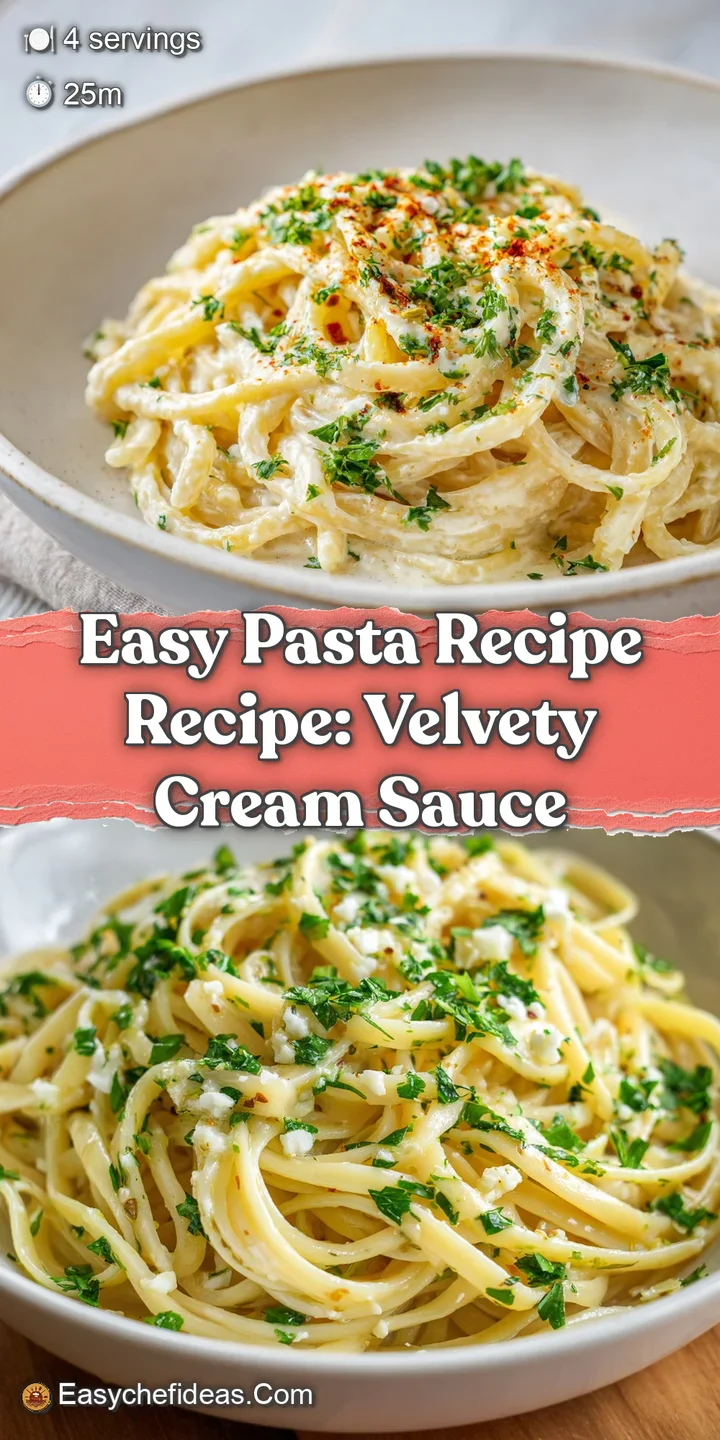
Very High in Sodium
985 mg mg of sodium per serving (43% % of daily value)
The American Heart Association recommends limiting sodium intake to about 2,300mg per day for most adults. Keeping your sodium levels low is vital for your health.
Sodium Reduction Tips
-
Broth Swap-30%
Replace the 4 cups of low-sodium chicken broth with no-sodium chicken broth. This one simple swap can reduce a significant amount of sodium.
-
Parmesan Tweak-15%
Use a small amount of Parmesan. Then swap some out for a lower sodium cheese like part skim mozzarella or nutritional yeast to add a similar cheesy flavor with less sodium.
-
Salt Smart-25%
Reduce the amount of kosher salt by half, or eliminate it entirely and taste as you go. You can always add more, but you can't take it away! Also, consider using a salt substitute.
-
Flavor Boost
Enhance the flavor profile with fresh herbs like parsley, basil, or thyme instead of relying solely on salt. Fresh herbs elevate the taste without adding sodium.
Pasta Recipe FAQs
What is the ratio of flour to eggs for pasta?
The standard ratio is 100 grams of flour per 1 large egg. This ratio typically works for most standard semolina or '00' flour recipes, yielding a firm yet pliable dough.
What ingredients make the best pasta?
For fresh pasta, high-quality Italian '00' flour and fresh eggs are best. For quick, flavorful sauce integration, using the pasta's own starch in the cooking liquid is key, similar to how we build a rich sauce in our Cottage Cheese Alfredo recipe.
Which pasta recipe is best?
The "best" recipe depends entirely on your goal: quick weeknight meal versus slow cooked depth. For depth, a slow cooked ragù like our Lasagna Bolognese A recipe is unbeatable; for speed, one-pot methods win.
What is a 2 ingredient pasta dough?
It is a dough made only from self rising flour and plain Greek yogurt. Mix 1 cup of yogurt with 1 cup of flour until a shaggy dough forms, then knead lightly for 5 minutes.
How do I know when homemade pasta is done cooking?
Taste a small piece after 2 to 4 minutes of boiling. Fresh pasta cooks very quickly; you are looking for a slight resistance in the center (al dente) without any raw flour taste.
Can I use dried pasta instead of fresh in a recipe designed for fresh?
Yes, but you must adjust the liquid volume and cooking time significantly. Dried pasta releases less starch and requires more cooking liquid, so reduce your broth/cream by about one-third and add 5-8 minutes to the simmer time.
Is it true that I must use salted water for cooking pasta?
Yes, always salt your water generously, but it should taste like the sea. This is the only chance to season the actual noodle from the inside out; if you skip this, your final dish will taste bland, regardless of sauce quality.
One Pan Pasta Recipe
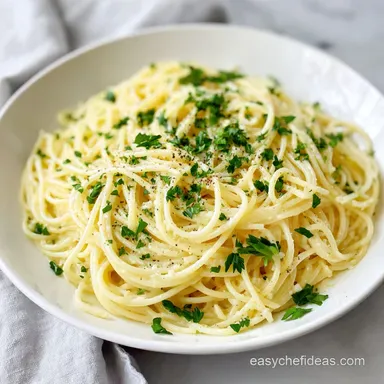
Ingredients:
Instructions:
Nutrition Facts:
| Calories | 742 calories |
|---|---|
| Protein | 42.6 g |
| Fat | 31.8 g |
| Carbs | 65.4 g |
| Fiber | 2.8 g |
| Sugar | 2.4 g |
| Sodium | 985 mg |
