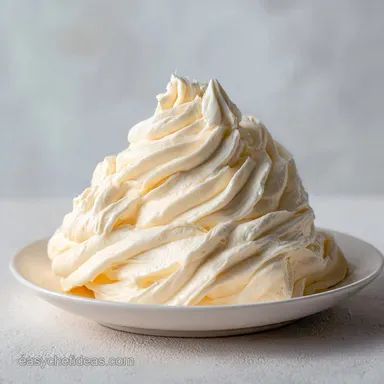
Buttercream Frosting: Failure-Proof and Fluffy
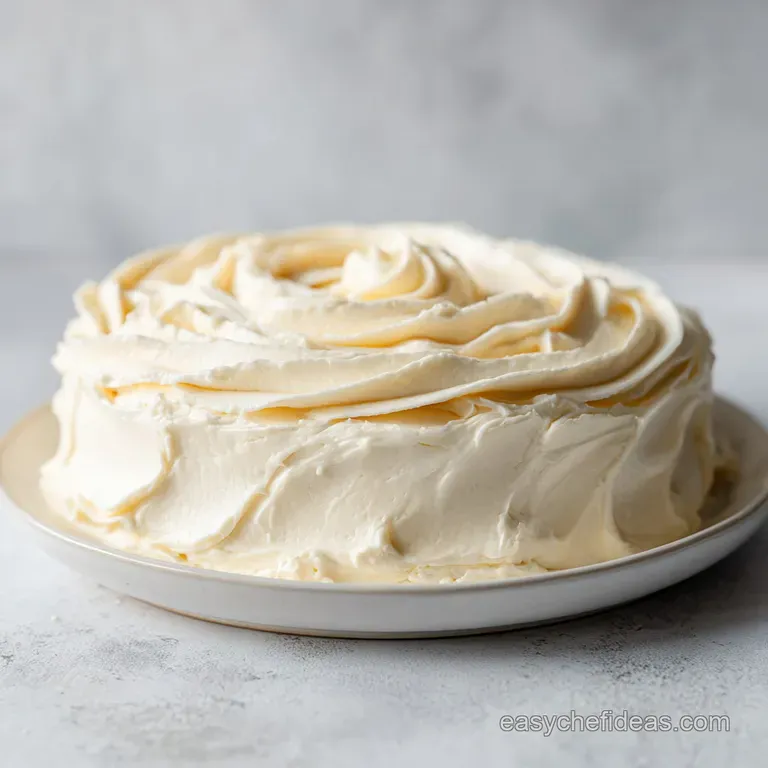
- Time:10 minutes active
- Flavor/Texture Hook: Velvety, ivory pale and cloud like
- Perfect for: Layer cakes, cupcakes, and piping borders
- Whip Up a Silky Buttercream Frosting
- The Secret to Velvety Texture
- Breaking Down Ingredient Roles
- The Essential Pantry List
- Steps for a Smooth Finish
- Fixing Common Frosting Glitches
- Adjusting for Different Sizes
- Busting Baking Misconceptions
- Storing Your Extra Frosting
- The Best Cake Pairings
- Recipe FAQs
- 📝 Recipe Card
Whip Up a Silky Buttercream Frosting
The whir of the mixer starts low, then climbs, and suddenly the kitchen smells like a vanilla bean dream. I remember the first time I tried to "wing it" with frosting, thinking room temperature just meant "not frozen." I ended up with a curdled, lumpy mess that looked more like wet sand than icing.
I almost threw the whole bowl away in frustration.
But here's the thing: forget everything you've heard about needing a commercial grade stand mixer or a degree in pastry arts to get those sharp edges. You don't need fancy equipment to achieve a professional finish. All you really need is a bit of patience with your butter and a commitment to the "pale ivory" stage.
Once you see the butter shift from yellow to that nearly white, whipped state, you'll realize that's where the magic happens. This recipe delivers a consistency that's stable enough for piping but melts the moment it hits your tongue. Let's get into how to actually make it happen.
The Secret to Velvety Texture
The difference between a grainy frosting and one that feels like silk comes down to how the ingredients interact. It's not just about mixing, it's about managing air and moisture.
- Aeration: Beating butter for several minutes creates tiny air pockets that hold the sugar in suspension.
- Sugar Dissolution: Adding powdered sugar gradually prevents "clumping" and helps the fat coat every grain.
- Emulsion Stability: The heavy cream acts as a bridge, binding the fat of the butter to the sweetness of the sugar.
- Salt Balance: A tiny bit of sea salt cuts through the sugar, preventing that "cloying" feeling in the back of your throat.
| Servings | Ingredient Adjustments | Pan Size | Cook Time |
|---|---|---|---|
| 12 Cupcakes | Use 1/2 recipe | N/A | 10 mins |
| 8" Layer Cake | Full recipe | 8x3 inch | 10 mins |
| 24 Party Bites | 1.5x recipe | N/A | 15 mins |
Right then, before we start mixing, we need to look at why these specific ingredients matter. It's not just about sweetness, it's about the structure of the frosting.
Breaking Down Ingredient Roles
Understanding the "why" helps you fix things on the fly. If your kitchen is too hot or your butter is too cold, these roles shift.
| Ingredient | Science Role | Pro Secret |
|---|---|---|
| Unsalted Butter | Structural Base | Use high fat European style for more stability |
| Powdered Sugar | Thickening Agent | Sift it always to avoid tiny white lumps |
| Heavy Cream | Texture Modifier | Keep it at room temp to prevent butter curdling |
| Vanilla Extract | Flavor Depth | Use a clear extract for a pure white look |
The Essential Pantry List
Grab these items and make sure your butter is truly softened. If you can't press your finger into it easily, it's not ready.
- 2 cups unsalted butter, softened to room temperature Why this? Provides the creamy base and structure
- 6 cups powdered sugar, sifted Why this? Sweetens and thickens the icing
- 4 tbsp heavy cream, room temperature Why this? Adjusts the final spreadability
- 2 tsp pure vanilla extract Why this? Adds the classic aromatic warmth
- 1/4 tsp fine sea salt Why this? Balances the sweetness
Substitution Options:
| Original Ingredient | Substitute | Why It Works |
|---|---|---|
| Unsalted Butter | Vegetable Shortening | More stable in heat. Note: Less flavor and a greasier mouthfeel |
| Heavy Cream | Whole Milk | Thins the frosting. Note: Less richness and slightly less stable |
| Pure Vanilla | Almond Extract | Stronger, nutty flavor. Note: Use only 1 tsp as it's very potent |
I've found that using a high-quality butter, like Kerrygold, makes a noticeable difference in the final taste. Since there are so few ingredients, each one has to pull its weight.
Steps for a Smooth Finish
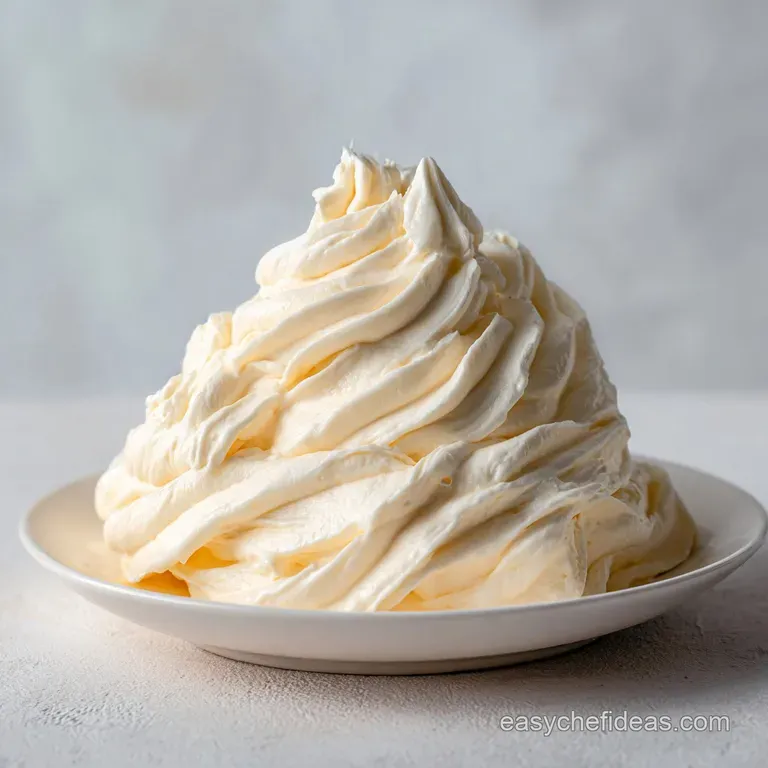
Let's crack on. Follow these steps exactly to avoid those annoying air bubbles that ruin a smooth cake side.
- Beat the softened butter on medium high speed for 3-5 minutes until the color shifts from yellow to a pale ivory and the texture is whipped and voluminous.
- Turn the mixer to the lowest setting. Gradually add the sifted powdered sugar one cup at a time. Note: This prevents a sugar cloud from taking over your kitchen.
- Once the sugar is mostly incorporated, increase the speed to medium and beat for 2 minutes.
- Add the vanilla extract, salt, and 3 tablespoons of heavy cream. Beat on medium high for another 2 minutes.
- If the frosting is too stiff, add the final tablespoon of heavy cream one teaspoon at a time until it reaches a velvety consistency.
- Switch to a paddle attachment or use a spatula and stir on the lowest speed for 1-2 minutes to remove large air bubbles for a smooth finish.
Chef Tip: If you want to add color, do it after step 6. Use gel colors rather than liquid to keep the consistency thick. I love using a soft pastel mint or a deep raspberry red for a seasonal look, topped with a pinch of edible gold leaf for a bit of shimmer.
Fixing Common Frosting Glitches
Even the best of us hit a snag. Usually, it's a temperature issue.
Why It's Too Runny
If the frosting is sliding off your cake, your butter was likely too warm, or you added too much cream. This happens often in summer months.
Dealing With Graininess
This usually comes from unsifted sugar or butter that wasn't whipped enough at the start. If it's grainy, you can try beating it on high for another minute to break up the particles.
| Problem | Root Cause | Solution |
|---|---|---|
| Curdled Look | Cold cream added to butter | Warm the bowl slightly and beat on high |
| Too Sweet | Too much sugar ratio | Add a pinch more salt or a squeeze of lemon |
| Air Bubbles | Over beating at the end | Stir by hand with a spatula for 2 mins |
Mistakes to Avoid:
- ✓ Never use melted butter; it will never hold its shape.
- ✓ Don't skip sifting the sugar, even if it looks "smooth" in the bag.
- ✓ Avoid adding all the cream at once; go teaspoon by teaspoon.
- ✓ Don't over mix after the air bubbles are gone, or you'll just put them back in.
Adjusting for Different Sizes
If you're just frosting a few cupcakes, you don't need 8 cups of icing.
Scaling Down: For a half batch, use 1 cup butter and 3 cups sugar. Reduce the beating time by about 20% since there's less mass in the bowl.
Scaling Up: When doubling, don't double the salt or vanilla exactly. Use about 1.5x the salt and vanilla to keep the flavor balanced. Work in batches if your mixer bowl is small to ensure everything gets aerated properly.
If you love this kind of sweetness, you should definitely try my Sourdough Cinnamon Rolls which use a similar cream based topping.
Busting Baking Misconceptions
There's a lot of noise out there about frosting. Let's clear a few things up.
"You must use a stand mixer." Not true. A handheld mixer works perfectly fine as long as you're willing to scrape the sides of the bowl every couple of minutes.
"Adding more sugar makes it more stable." Actually, too much sugar can make the frosting brittle or overly stiff, making it hard to spread without tearing your cake.
Storing Your Extra Frosting
Don't toss the leftovers! This stuff keeps surprisingly well.
Storage: Store in an airtight container in the fridge for up to 7 days. To use it again, let it sit at room temperature for 2 hours and then re whip it for 1 minute to bring back the fluffiness.
Freezing: You can freeze this for up to 3 months. Thaw it in the fridge overnight, then let it come to room temperature before whipping.
Zero Waste: If you have a tiny bit left, stir it into your morning oatmeal or use it as a dip for fresh strawberries.
The Best Cake Pairings
This frosting is a blank canvas. Because it's so neutral, it pairs with almost anything. For something truly decadent, try it on a dark chocolate cake or combine it with my Vanilla Buttercream for a tiered cake.
If you're looking for a lighter alternative for a summer party, you could swap some of the butter for a whipped cream base, but for those classic, sharp edged cakes, this buttercream is the only way to go. Trust me on this, the effort of sifting and whipping pays off the second you slice into that cake.
Recipe FAQs
What are the ingredients for buttercream frosting?
Unsalted butter, sifted powdered sugar, heavy cream, pure vanilla extract, and fine sea salt. These five ingredients provide the balance of sweetness, stability, and flavor.
How to make 3 ingredient buttercream?
Combine butter, powdered sugar, and heavy cream. While the full recipe uses vanilla and salt for depth, these three core ingredients create the basic structural sweetness.
What is the secret to good buttercream frosting?
Beat the softened butter for 3 5 minutes before adding sugar. This step is crucial because it shifts the color to a pale ivory and creates a whipped, voluminous texture.
What cakes pair best with this buttercream?
Classic vanilla or chocolate cakes are the best match. This frosting also pairs beautifully with a moist carrot cake for a rich, indulgent finish.
How to remove air bubbles for a smooth finish?
Stir on the lowest speed for 1 2 minutes. Use a paddle attachment or a spatula to push out the air pockets for a professional, velvety look.
How to store leftover buttercream?
Keep it in an airtight container in the fridge for 7 days. To reuse, let it sit at room temperature for 2 hours and re-whip for 1 minute to restore the fluffiness.
Is it true that buttercream cannot be frozen?
No, this is a common misconception. You can freeze buttercream for up to 3 months; simply thaw it in the fridge overnight before bringing it to room temperature to whip.
Buttercream Frosting in 10 Minutes: Professional and Fluffy