Herb Butter Lobster Tail Recipe
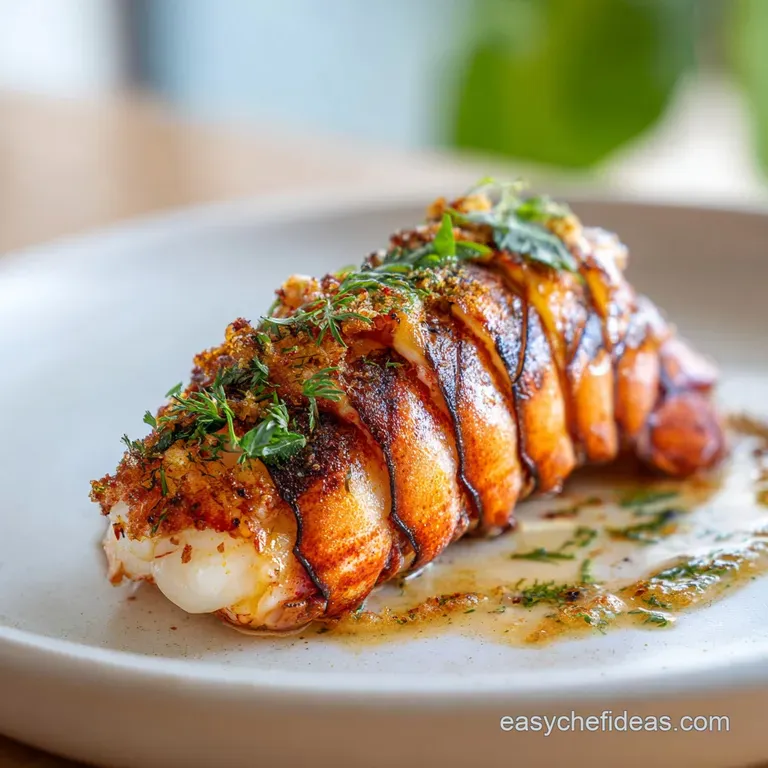
- Time: Active 12 minutes, Passive 8 minutes, Total 20 minutes
- Flavor/Texture Hook: Silky butter bathed meat with a firm, satisfying snap.
- Perfect for: Anniversary dinners, holiday celebrations, or a luxurious weekend treat.
- Master This Vibrant Butter Poached Lobster Tail Recipe
- The Science Behind Succulent Results
- Vital Recipe Specifications and Timing
- Components for a Nourishing Feast
- Essential Tools for Seafood Success
- Precise Steps From Prep Plate
- Strategies Avoiding Common Kitchen Disasters
- Smart Flavor Variations and Substitutions
- Methods for Keeping Leftovers Fresh
- Creative Visual Presentation and Plating
- Very High in Sodium
- Recipe FAQs
- 📝 Recipe Card
Master This Vibrant Butter Poached Lobster Tail Recipe
The kitchen was quiet until that first distinctive crack of the shell split the air, followed by the soft sizzle of grass fed butter meeting a warm pan. I remember the first time I tackled a lobster tail; I was terrified of overcooking those expensive gems and turning them into rubber bands.
But as the aroma of smoked paprika and garlic began to bloom in the oven, I realized that lobster isn't a test of skill it's an exercise in patience and respecting the ingredient. When you pull them out and see that vibrant white meat puffed up over the shell, it's a moment of pure culinary pride.
Lobster brings people together, bridging the gap between coastal traditions and our own kitchen tables. It’s about more than just luxury; it’s about the culture of sharing a meal that feels intentional and nourishing.
We aren't just making a "main dish" here; we’re creating a centerpiece that honors the sea’s bounty. This lobster tail recipe is designed to be approachable, ensuring every bite is velvety and infused with the warmth of dried oregano and fresh parsley.
Trust me, once you see how that lemon zest cuts through the richness of the butter, you'll never go back to the plain boiled version.
We often overcomplicate things that are naturally wonderful. By butterflying the tails, we allow the heat to reach the center of the meat while the shell acts as a thermal shield, keeping everything succulent. It's a technique that looks impressive but takes less time than boiling a pot of pasta.
Let’s dive into the mechanics of why this method works so well and how you can achieve that restaurant quality finish without the high end price tag or the stress of a professional kitchen.
The Science Behind Succulent Results
Protein Denaturation: High heat causes the lobster’s coiled proteins to unwind and bond together, creating a firm but tender texture if pulled at precisely 140°F (60°C).
Steam Insulation: The underside of the shell traps moisture against the baking sheet, creating a localized steam chamber that prevents the meat from drying out during the bake.
Maillard Reaction: While lobster is mostly water, the small amount of amino acids reacts with the milk solids in the grass fed butter to create a subtle, savory depth on the surface.
Osmotic Seasoning: Using sea salt allows the crystals to dissolve into the lobster’s natural juices, drawing the garlic and paprika flavors deeper into the muscle fibers.
Understanding Internal Steam Pressure
When we apply heat to a lobster tail, the moisture trapped within the muscle fibers begins to expand. Because the shell is rigid, it forces that steam inward, which is why undercooked lobster feels "slimy" the proteins haven't bonded yet.
However, if we cook it too long, the steam escapes entirely, leaving behind a tight, shrunken knot of protein. The butterfly technique is our solution; it exposes the top of the meat to direct heat for flavor while the bottom stays cushioned in a humid environment.
Mastering Heat Transfer Mechanics
The butter we use isn't just for flavor it's a heat conductor. Fat transfers energy more efficiently than air, so by coating the meat in a layer of melted grass fed butter, we ensure every crevice of the tail reaches the target temperature simultaneously. This prevents the thin "flipper" end from turning into jerky while the thick "body" end stays raw. It’s the same logic we use in our How To Cook recipe for stovetop methods, where the fat acts as the primary medium for thermal equilibrium.
| Tail Weight | Internal Target | Bake Time | Visual Texture |
|---|---|---|---|
| 4-5 oz | 140°F (60°C) | 7-9 mins | Opaque and firm |
| 6-8 oz | 142°F (61°C) | 10-12 mins | Bright white, slight curl |
| 10+ oz | 145°F (63°C) | 15-18 mins | Puffed meat, red shell |
Regardless of the size, the transition from translucent to opaque is your primary indicator. I always tell my friends to look for the "white pearl" effect. If the meat still looks a bit greyish or clear in the center, it needs another 60 seconds.
Lobster meat is very sensitive to carryover cooking, meaning it will continue to firm up for about 2 minutes after you pull it from the oven, so don't be afraid to pull it when it looks just done.
Vital Recipe Specifications and Timing
Cooking lobster is a game of precision, not endurance. Because we are working with 5 6 oz tails, the window of perfection is narrow. We want to maximize the "nourish" factor by keeping the nutrients intact through quick, over high heat exposure.
Using grass fed butter provides a higher smoke point and a richer profile of omega-3s compared to standard butter, which complements the lean protein of the seafood beautifully.
| Component | Science Role | Pro Secret |
|---|---|---|
| Lobster Meat | Structural Protein | Thaw in milk to remove "fishy" iodine scents |
| Salted Butter | Heat Conductor | Use grass fed for a deeper yellow, beta carotene hue |
| Smoked Paprika | Color & Depth | Bloom in the warm butter before brushing for more color |
| Lemon Juice | Protein Denaturant | Add only at the very end to prevent a "cooked" acid texture |
It’s fascinating how the dried oregano provides an earthy backbone that keeps the lobster from feeling too "one note" and sweet. In many Mediterranean cultures, seafood and oregano are inseparable, and that’s a bit of culinary wisdom we’re borrowing here.
The lemon, meanwhile, acts as a chemical "brightener," resetting your palate between each rich, buttery bite.
Components for a Nourishing Feast
Every ingredient in this recipe serves a purpose, from the structural integrity of the shell to the aromatic lift of the parsley. When sourcing, look for cold water lobster tails; they grow slower and have much sweeter, firmer meat than their warm water cousins.
- 4 Cold water lobster tails (5 6 oz each): Why this? Cold water varieties offer superior texture and sweetness compared to warm water spiny lobsters. (Substitute: Jumbo shrimp, though the cook time will drop to 4 minutes.)
- 1 tsp Sea salt: Why this? Fine grains dissolve quickly into the meat's moisture. (Substitute: Kosher salt.)
- 1/2 cup Grass fed salted butter, melted: Why this? Provides a richer, more velvety mouthfeel and better nutritional profile. (Substitute: Ghee for a higher smoke point.)
- 1 tsp Garlic powder: Why this? Distributes more evenly than fresh garlic in a quick bake environment. (Substitute: 2 cloves freshly grated garlic.)
- 1/2 tsp Smoked paprika: Why this? Adds a subtle wood fired aroma without a grill. (Substitute: Sweet paprika for less smoke.)
- 1 tbsp Fresh parsley, finely minced: Why this? Adds a necessary burst of chlorophyll and freshness. (Substitute: Fresh chives.)
- 1/2 tsp Dried oregano: Why this? Provides an earthy, Mediterranean aromatic layer. (Substitute: Dried thyme.)
- 1 Fresh lemon, halved: Why this? The acid balances the heavy fats of the butter. (Substitute: Lime for a tropical twist.)
| Original Ingredient | Substitute | Why It Works |
|---|---|---|
| Grass fed Butter | Clarified Butter (Ghee) | Removes milk solids. Note: Higher smoke point, slightly less creamy finish. |
| Smoked Paprika | Cayenne Pepper | Adds heat. Note: Will significantly change the flavor profile from smoky to spicy. |
| Fresh Parsley | Dried Parsley | Concentrated flavor. Note: Use only 1 tsp; lacks the "bright" visual of fresh. |
Selecting the right butter is a small choice that makes a massive impact. I used to think butter was just butter, but once you see the vibrant gold of grass fed varieties, you realize how much more flavor it carries from the pastures. It nourishes the dish in a way that processed oils simply can't.
Essential Tools for Seafood Success
You don't need a professional kitchen, but a few specific tools will make the "butterfly" process much safer and more efficient. I once tried to use a standard chef's knife to cut through a lobster shell, and it was a slippery disaster save your fingers and use shears.
- Kitchen Shears: Essential for cutting through the hard top shell without crushing the delicate meat underneath.
- Small Basting Brush: A silicone brush works best for getting the herb butter into the crevices of the meat.
- Rimmed Baking Sheet: To catch any butter drips and prevent flare ups in the oven.
- Instant Read Thermometer: This is your insurance policy against overcooking. Aim for 140°F (60°C).
- Small Saucepan: For melting the butter and blooming the spices.
Chef's Tip: Freeze your lobster tails for 10 minutes before cutting. This firms up the meat and shell just enough to make the "butterfly" cut much cleaner, preventing the meat from tearing.
Precise Steps From Prep Plate
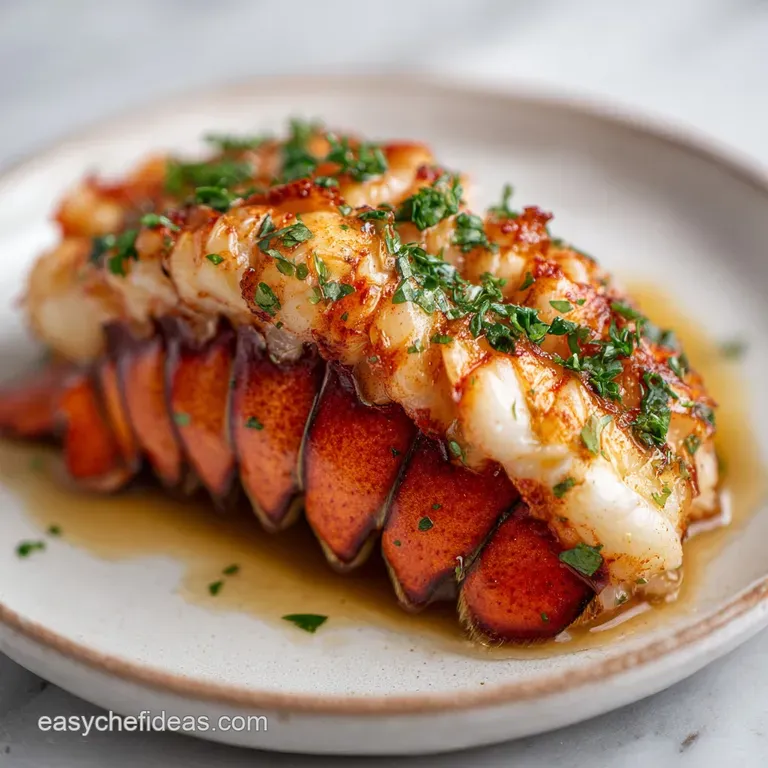
This is where the magic happens. We are going to build layers of flavor, starting with the physical preparation and ending with a final glaze that makes the tails shimmer.
1. Butterfly Technique Step One
Use your kitchen shears to cut down the center of the top shell, stopping just before the tail flippers. Be careful not to cut into the meat too deeply. Use your thumbs to gently pry the shell open, then lift the meat upward so it rests on top of the shell halves.
Note: This elevates the meat, allowing it to "roast" rather than just steam inside the shell.
2. Seasoning the Lobster Meat
In a small bowl, whisk together the melted grass fed butter, sea salt, garlic powder, smoked paprika, dried oregano, and half of the parsley. Rinse the lobster meat and pat it completely dry with paper towels. Dry meat is essential for the butter to adhere rather than sliding off.
3. Executing the High Heat
Preheat your oven to 400°F (200°C). Arrange the lobster tails on your rimmed baking sheet. Using your basting brush, generously coat the exposed lobster meat with about two thirds of the herb butter mixture.
Note: Saving some butter for later ensures a fresh flavor hit at the end.
4. Monitoring for Firm Texture
Slide the tray into the center rack of the oven. Bake for 8 minutes until the shells turn bright red and the meat is opaque. If you are using larger tails, check the internal temperature; it should hit 140°F (60°C).
5. Applying the Final Glaze
Remove the tails from the oven and immediately brush them with the remaining herb butter. Squeeze the fresh lemon juice over the hot meat you should hear a faint sizzle as the acid hits the fat. Garnish with the remaining fresh parsley and serve immediately while the butter is still velvety.
| Method | Time | Texture | Best For |
|---|---|---|---|
| Oven (400°F) | 8-10 mins | Tender & uniform | Beginners / Dinner parties |
| Grilling | 6-8 mins | Smoky & charred | Summer entertaining |
| Broiling | 5-7 mins | Crispy edges | Quick weeknight meals |
If you’re looking for a different texture profile, perhaps something more comforting and "slow cooked," you might enjoy the approach used in this Homemade Tuna Noodle recipe, which focuses on building a velvety sauce rather than a quick sear.
Strategies Avoiding Common Kitchen Disasters
The most common heartbreak with lobster is the "rubber band" effect. This happens when the heat is too low for too long, causing the proteins to tighten into a tough knot. Another issue is the "curl," where the tail snaps shut like a book, making it impossible to eat elegantly.
Preventing the Curled Tail
Lobster tails naturally want to curl when heat is applied. By butterflying them and pulling the meat above the shell, the weight of the meat and the rigid shell act as a counter balance.
If you're still worried, you can insert a wooden skewer lengthwise through the meat before cooking to keep it perfectly straight.
Fixing Excessive Saltiness
If you accidentally over salted the butter, don't panic. You can balance it by increasing the acidity. A double squeeze of lemon or a tiny splash of white wine vinegar can "mask" the salt by distracting your taste buds with brightness. Next time, remember that seafood has its own natural salinity.
| Problem | Root Cause | Solution |
|---|---|---|
| Rubbery meat | Overcooked / Temp too high | Pull at 140°F (60°C); use a thermometer. |
| Mushy texture | Undercooked or warm water lobster | Cook 1-2 mins longer; switch to cold water tails. |
| Meat sticks to shell | Not enough fat/butter | Brush butter under the meat before lifting it up. |
Common Mistakes Checklist ✓ Pat the lobster meat bone dry before adding butter (prevents the seasoning from sliding off). ✓ Thaw frozen tails completely in the fridge (never cook from frozen, or the outside will be tough while the inside is raw).
✓ Use kitchen shears, not a knife, to avoid jagged shell fragments in your food. ✓ Don't skip the "rest" let the lobster sit for 2 minutes so the juices redistribute.
Smart Flavor Variations and Substitutions
While the garlic paprika oregano trio is my go to, the beauty of lobster is its ability to absorb a wide range of cultural flavor profiles. You can easily adapt this to whatever is in your pantry.
Grilling for Smoky Flavor
If it’s a beautiful evening, take this lobster tail recipe outside! Preheat your grill to medium high. Place the butterflied tails meat side down for 2 minutes to get those beautiful char marks, then flip and finish on the shell side for another 4–5 minutes while basting with the herb butter. This adds a layer of "diversity" to the flavor that an oven just can't replicate.
Cajun Spiced Tail Variation
Swap the oregano and smoked paprika for 1 tablespoon of your favorite Cajun or Creole seasoning. This creates a bolder, spicier profile that pairs beautifully with corn on the cob and red potatoes. It’s a nod to the soulful seafood boils of the Gulf Coast, bringing a sense of "community" to your dinner table.
Scaling for Groups
- Down (1 portion): Use 2 tails. No need to change the butter ratio much; you'll just have extra delicious dipping sauce!
- Up (4-6 portions): You can fit up to 12 tails on a standard large baking sheet. Increase the salt and spices to 1.5x only too much spice can overwhelm the delicate sweetness of the lobster when cooked in bulk. Keep the butter at a 1:1 ratio.
- Baking Tip (Up): If the oven is crowded, rotate the pan halfway through the 8 minutes to ensure even browning.
Methods for Keeping Leftovers Fresh
Lobster is best enjoyed immediately, but if you have leftovers, they can be turned into a spectacular breakfast or lunch. Treat the cooked meat like gold it’s already been "nourished" by the butter, so don't let it go to waste.
- Fridge: Store in an airtight container for up to 2 days. Keep the extra butter sauce in a separate jar.
- Freezer: I don't recommend freezing cooked lobster in the shell, as it becomes very tough. Instead, remove the meat, chop it up, and freeze it in a bag with a bit of melted butter for up to 1 month. It’s perfect for a quick lobster roll later.
- Zero Waste Tip: Don't throw away those shells! Boil them with some onion, celery, and a bay leaf for 30 minutes to create a rich seafood stock. This stock is the secret base for my How to Make recipe, providing a deep, oceanic "culture" to any soup.
Creative Visual Presentation and Plating
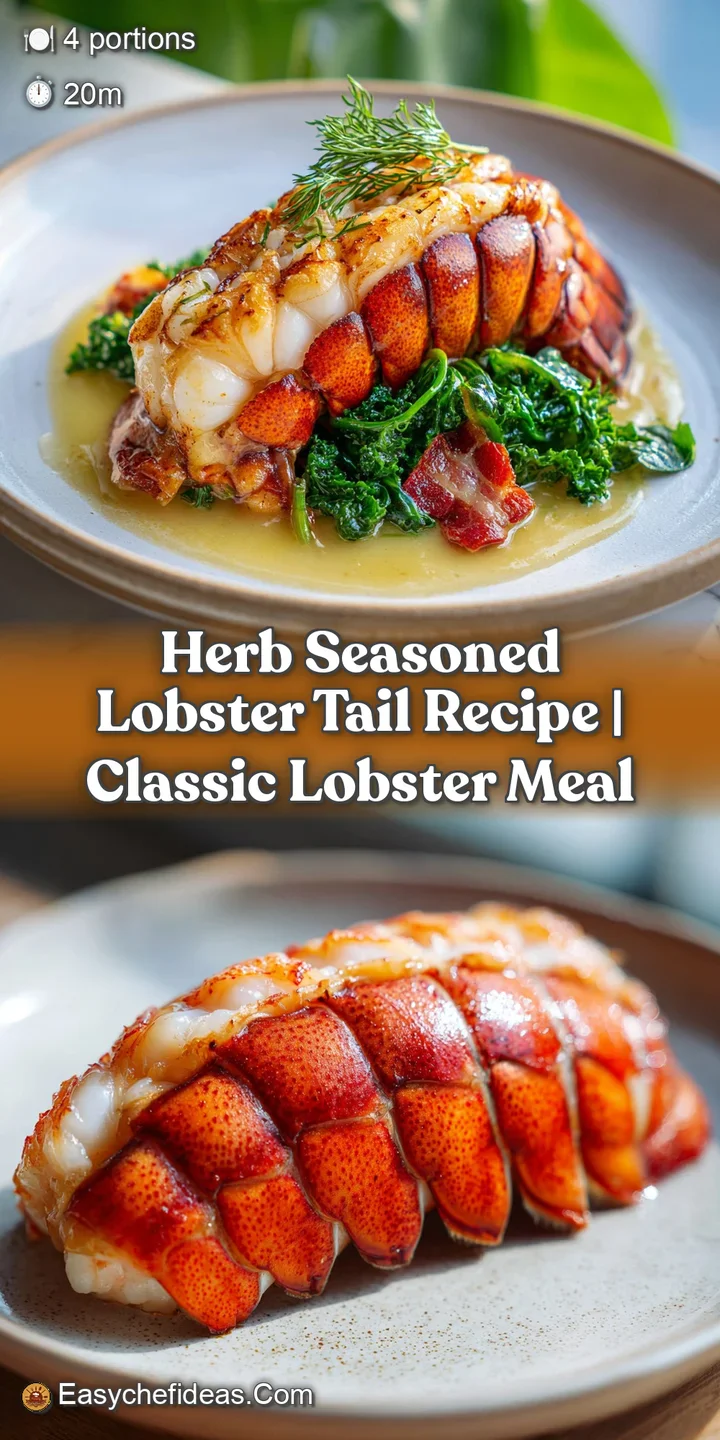
We eat with our eyes first, and lobster is the ultimate "wow" factor. To make it look like a high end steakhouse dish, focus on the contrast of colors. The bright red shell, the snowy white meat, and the vibrant green parsley need a neutral background think white or slate grey plates.
Classic Steakhouse Pairing Ideas
For a true "Surf & Turf" experience, serve these tails alongside a medium rare filet mignon. The richness of the grass fed butter on the lobster complements the savory crust of the steak. If you want to keep it strictly seafood, a side of Cod Fish recipe provides a flaky, mild contrast to the dense snap of the lobster.
Achieving the Bright Finish
Always serve with extra lemon wedges on the side. Some people love a heavy citrus hit, while others prefer just a hint. Placing a small ramekin of the leftover herb butter (warmed up!) next to the tail allows guests to dip each bite, ensuring the "velvety" texture lasts from the first forkful to the last.
- Searing meat does not 'seal in juices.' Moisture loss occurs regardless of a crust. The "sizzle" we hear in the oven is flavor being created through the Maillard reaction, not a physical seal.
- Boiling isn't the 'only' authentic way. While traditional in some regions, baking or poaching in butter actually preserves more of the lobster's natural sugars, which can wash away in a large pot of water.
- Green stuff inside is bad. That "green stuff" is actually the tomalley (the liver). While some consider it a delicacy, many prefer to rinse it away for a cleaner "pure" lobster flavor. It's a matter of preference, not safety!
Very High in Sodium
1463 mg of sodium per serving (64% of daily value)
The American Heart Association recommends limiting sodium intake to about 2,300mg per day for overall health.
Sodium Reduction Tips for Lobster Tails
-
Unsalted Butter Swap-25%
Replace the salted butter with unsalted butter. This simple swap can significantly reduce the sodium content, as butter contributes a notable amount. Add a pinch of sea salt to taste to control the sodium level.
-
Reduce Added Salt-15%
Cut the amount of sea salt in half or eliminate it entirely. Taste the dish after cooking and add a small amount of salt only if needed. Lobster has natural salinity, so you may not miss it.
-
Lemon Boost-10%
Enhance the flavor with more fresh lemon juice. The acidity of lemon can brighten the dish and reduce the need for salt to achieve a flavorful result. Consider adding lemon zest for additional flavor.
-
Fresh Herb Power-5%
Increase the amount of fresh parsley to amplify the flavors naturally. Fresh herbs add depth and complexity without any sodium, making the dish more satisfying.
-
Fresh Garlic-5%
Substitute garlic powder with fresh minced garlic. Fresh garlic offers a more robust flavor and avoids the added sodium that can sometimes be found in powdered seasonings.
-
Spice It Up Responsibly
Explore other sodium free spices and herbs, such as black pepper, red pepper flakes, or a blend of Italian herbs, to boost flavor without adding sodium. Be mindful of pre-mixed spice blends, as they sometimes contain salt.
Recipe FAQs
What's the best way to cook lobster tail?
Baking or broiling is best for tails. This method allows you to baste the meat with seasoned butter, which locks in moisture and adds intense flavor, resulting in a velvety texture.
Is it better to boil or bake lobster tail?
Bake them. Boiling can dilute the natural sweetness and risk turning the meat watery; baking (especially butterflied) maximizes flavor infusion and texture control.
What are common mistakes when cooking lobster tails?
Overcooking is the primary error. Use an instant read thermometer and pull the meat when it hits 140°F (60°C), as carryover heat will finish the cooking process perfectly.
How does Gordon Ramsay cook lobster tails?
He typically pan-roasts them in butter and herbs. This technique involves searing the meat side briefly before finishing in a hot oven, essentially poaching them in clarified fat for maximum flavor absorption.
Should I thaw frozen lobster tails completely before baking?
Yes, always thaw completely first. Cooking from frozen results in tough, unevenly cooked meat where the exterior is done long before the center reaches the proper temperature.
How do I keep the lobster tail meat from curling up during baking?
Butterfly the shell and lift the meat out. By splitting the top shell and resting the meat on top, you physically counteract the natural tightening mechanism of the muscle fibers.
Is it true that you should never use a knife to open the lobster shell?
No, kitchen shears are the preferred tool. While using a sharp knife is possible, shears provide safer, cleaner cuts through the hard shell without crushing the delicate meat underneath.
Herb Butter Lobster Tails
Ingredients:
Instructions:
Nutrition Facts:
| Calories | 688 kcal |
|---|---|
| Protein | 59.2 g |
| Fat | 48.8 g |
| Carbs | 2.4 g |
| Fiber | 0.6 g |
| Sugar | 0.5 g |
| Sodium | 1463 mg |
