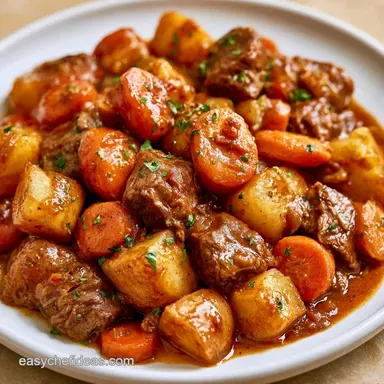
Old Fashioned Ground Beef Vegetable Stew: Savory
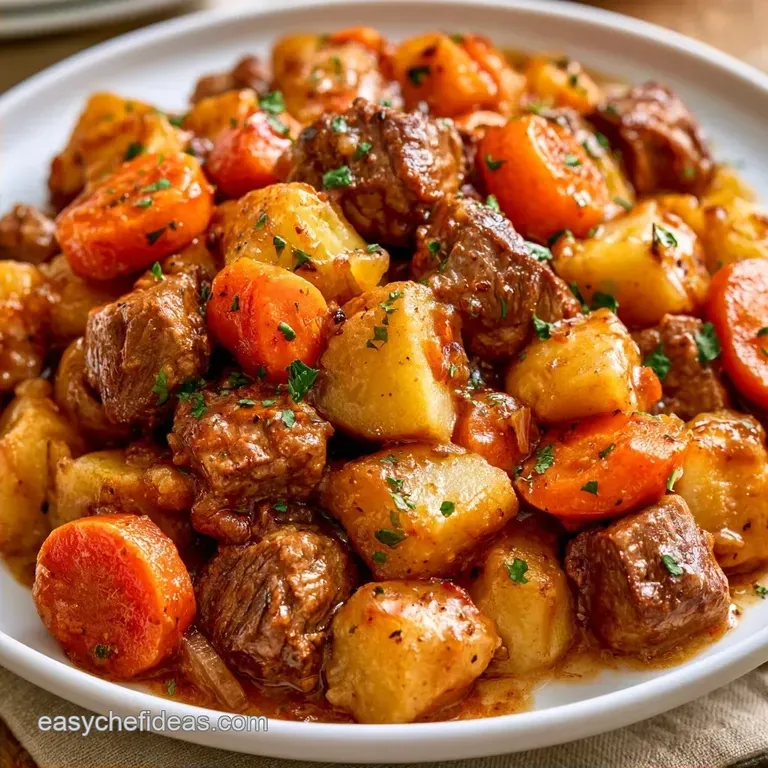
- Time: 15 min active + 40 min cook
- Flavor/Texture Hook: Savory mahogany broth with tender, buttery potatoes
- Perfect for: A cozy weeknight dinner that feels like a Sunday feast
- The Ground Beef Vegetable Stew Basics
- What Makes These Ingredients Work
- Ingredient Deep Dive
- Gear You Will Need
- Steps From Prep To Plate
- Avoiding Common Kitchen Disasters
- Creative Twists and Swaps
- Adjusting the Portion Size
- Kitchen Myths Debunked
- Keeping Your Stew Fresh
- Plating and Presentation Tips
- How to Actually Nail This
- High in Sodium
- Recipe FAQs
- 📝 Recipe Card
Have you ever wondered why some stews taste like they've been simmering since sunrise, whereas others taste like nothing more than salted water and boiled carrots? There's a common belief that you need a massive chuck roast and a full day of cooking to achieve a deep, savory essence.
However, the actual secret isn't the clock it's the surface area.
I spent years wasting my Saturdays waiting for pots to reduce, often ending up with meat that was either rubbery or mushy. That changed when I switched to mince. Properly searing ground beef creates those concentrated, caramelized browned bits that melt into the broth, building a rich foundation in just a few minutes.
This Ground Beef Vegetable Stew thrives on contrast. The depth of the beef balances the bright pop of frozen peas and the natural, earthy sweetness of the carrots. It's a nourishing one-pot meal for the entire family that actually fits into a busy Tuesday night routine.
The Ground Beef Vegetable Stew Basics
When you're making this, you'll notice it's more of a "Hamburger Soup" style than a thick gravy stew. It's designed to be hearty but pourable.
Plain label: Browning the beef. Letting the meat sit without stirring creates a crust that adds a dark, savory depth to the liquid. Plain label: Potato choice. Yukon Golds hold their shape better than Russets, so you get distinct cubes instead of a porridge.
| Feature | Fast Method (This Recipe) | Classic Chunk Stew |
|---|---|---|
| Prep Time | 15 minutes | 30-45 minutes |
| Cook Time | 40 minutes | 3-8 hours |
| Texture | Crumbled beef, tender veg | Shredded beef, soft veg |
| Best For | Weeknights | Slow Sundays |
What Makes These Ingredients Work
The beef provides the heavy lifting for the flavor. Because it's ground, it distributes the fat and salt more evenly throughout the pot.
The aromatic base of onion and garlic is standard, but the tomato paste is where the magic happens. Toasting it in the oil removes that raw, metallic tin taste and turns it into a concentrated savory paste.
For the garden blend, carrots and celery provide the classic mirepoix sweetness. Yukon Golds are the MVP here because they have a naturally buttery flavor that complements the beef broth. The frozen peas and corn go in at the very end.
If you boil them for 40 minutes, they turn gray and mushy, so we keep them bright and snappy.
Ingredient Deep Dive
- 1.5 lb ground beef Why this? Maximizes surface area for quicker browning (Sub: Ground turkey; increase paprika by 1 tsp)
- 1 tbsp olive oil Why this? Ideal for high temp searing (Sub: Avocado oil or butter)
- 1 medium yellow onion, diced Why this? Offers a mild, balanced sweetness (Sub: Shallots or white onion)
- 3 cloves garlic, minced Why this? Creates a bold aromatic foundation (Sub: 1 tsp garlic powder)
- 3 medium Yukon Gold potatoes, 1 inch cubes Why this? Retains structure and provides creaminess (Sub: Red potatoes)
- 3 large carrots, sliced rounds Why this? Natural earthy sweetness (Sub: Parsnips)
- 2 stalks celery, sliced Why this? Adds a savory, herbal quality (Sub: Bok choy stems)
- 1 cup frozen peas Why this? Pops of color and sweetness (Sub: Frozen edamame)
- 1 cup frozen corn Why this? Introduces a textural contrast (Sub: Drained canned corn)
- 6 cups beef broth, low sodium Why this? Allows for better salt management (Sub: Water and beef bouillon)
- 1 can (14.5 oz) diced tomatoes with juices Why this? Acidity balances the richness (Sub: Chopped fresh tomatoes)
- 2 tbsp tomato paste Why this? Boosts thickness and deep flavor (Sub: Blended extra diced tomatoes)
- 1 tsp dried thyme Why this? A standard herb for stews (Sub: Dried oregano)
- 1 tsp smoked paprika Why this? Imparts a touch of smoky campfire flavor (Sub: Sweet paprika)
- salt to taste
- black pepper to taste
Gear You Will Need
No professional gear is required; a few standard kitchen tools will do.
- Dutch oven or a heavy bottomed pot (essential for the sear)
- Sharp chef's knife
- Cutting board
- Wooden spoon or silicone spatula
- Measuring cups and spoons
Steps From Prep To Plate
Set your Dutch oven over medium high heat and warm the olive oil. Stir in the ground beef, breaking it up. Brown the meat without over stirring until the meat is a deep mahogany brown. Note: Constant stirring can cause the meat to steam rather than sear.
Mix in the garlic and diced onion. Sauté for 3-5 minutes until the onions are translucent.
Add the smoked paprika, dried thyme, and tomato paste. Let the paste toast for 2 minutes until it darkens in color to eliminate the raw flavor.
Stir in the diced tomatoes and beef broth, then add the celery, carrots, and potatoes. Once the liquid reaches a boil, drop the heat to low.
Put the lid on and simmer for 20-25 minutes until the potatoes are fork tender. They should be soft without breaking down.
Fold in the corn and frozen peas. Cook for another 3-5 minutes until they are bright and hot.
Sample the broth and season with black pepper and salt as necessary.
Take the pot off the burner and allow the stew to rest for 5 minutes before plating. This helps the flavors meld.
Avoiding Common Kitchen Disasters
If your broth seems too watery, don't worry. You can easily thicken it by crushing some of the cooked potato cubes against the edge of the pot and stirring them back in. The starch serves as a natural thickening agent.
Regarding the vegetables, timing is the most critical factor. Adding all the vegetables at once may result in hard carrots and mushy potatoes. Follow the sequence in the recipe to maintain a uniform texture.
For those who find the taste too "dense," a small amount of apple cider vinegar or a squeeze of fresh lemon just before serving brightens the flavor profile. These acidic notes balance the heartiness of the meat.
Correcting a Grainy Texture
This typically happens if the tomato paste wasn't properly browned or integrated. Be sure to whisk it well while searing.
Avoiding Mushy Vegetables
Cut your potatoes into precise 1 inch cubes. Tiniest pieces break down into the liquid too fast.
Improving a Tasteless Broth
Most dull stews are simply missing salt or acidity. Add a pinch of salt or a teaspoon of lemon juice.
| Problem | Root Cause | Solution |
|---|---|---|
| Liquid is too thin | Insufficient starch/reduction | Mash 2-3 potato cubes into the liquid |
| Meat looks grey/boiled | Moved too much during the sear | Let meat sit undisturbed for 3 mins |
| Vegetables are mushy | Over simmered | Check potato tenderness at 20 mins |
| Metallic flavor | Untoasted tomato paste | Toast paste for 2 mins before adding liquid |
Creative Twists and Swaps
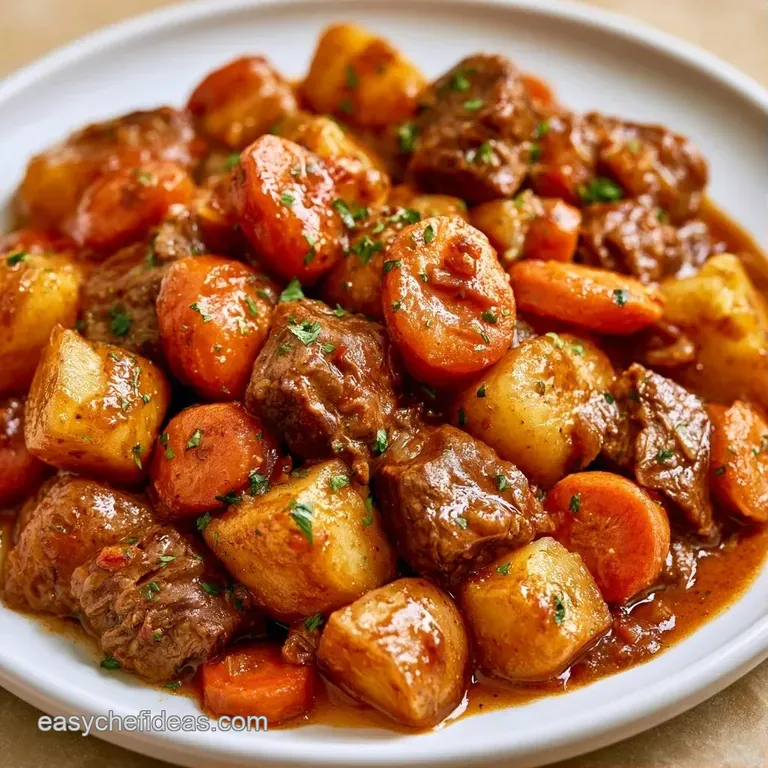
If you want to change the vibe of this Ground Beef Vegetable Stew, try these adjustments. For a more legume heavy version, you could look at a beef mince lentil stew for extra fiber.
For a low carb version: - Replace potatoes with cauliflower florets or turnips. - Use a bit more celery and carrots to keep the bulk. - Add the cauliflower in the last 15 minutes so it doesn't turn to mush.
For a smokier profile: - Swap the smoked paprika for a tablespoon of chipotle in adobo. - Add a drop of liquid smoke to the beef broth.
For a creamier texture: - Stir in 1/4 cup of heavy cream or a dollop of sour cream at the very end. This turns the mahogany broth into a rich, velvety base.
| Goal | Change | Impact |
|---|---|---|
| More Hearty | Add 1/2 cup pearl barley | Thicker broth, chewier texture |
| Lighter Version | Use 93% lean beef | Less oil, cleaner flavor |
| Extra Veggie | Add diced zucchini | Adds freshness, cook in last 10 mins |
Adjusting the Portion Size
Scaling this recipe is straightforward, but don't just multiply everything blindly.
Scaling Down (Half Batch): Use a smaller pot to prevent the liquid from evaporating too quickly. Reduce the simmering time by about 20% since there's less mass to heat up. If the recipe calls for an egg in a variation, beat one and use half.
Scaling Up (Double Batch): When doubling, be careful with the spices. I recommend only increasing the salt and smoked paprika to 1.5x the original amount, then tasting at the end. Liquids can be reduced by about 10% because you lose less to evaporation in a larger pot.
Work in batches when browning the beef so you don't crowd the pan and steam the meat.
Kitchen Myths Debunked
You might hear that you have to sear meat to "seal in the juices." This isn't actually true. Moisture loss happens regardless of whether you sear or not. The real reason we brown the beef is for the flavor. That crust creates a depth of taste that you just can't get from boiling.
Another myth is that you need to use bone in beef for a "real" stew. While bones add gelatin and body, ground beef provides enough fat and protein to create a satisfying mouthfeel. It's a smarter choice for a weeknight meal.
Keeping Your Stew Fresh
This Ground Beef Vegetable Stew tastes even better the next day. The flavors have more time to meld together, and the potatoes release a bit more starch, thickening the broth naturally.
In the Refrigerator: Keep it in a sealed container for up to 4 days. If the stew has thickened too much in the fridge, add a splash of water or broth when reheating.
In the Freezer: This freezes beautifully for up to 3 months. Just make sure it's completely cooled before freezing. I suggest using freezer safe bags and laying them flat to save space.
To Reheat Perfectly: Avoid the microwave if you can. Warm it in a pot over medium low heat. This prevents the potatoes from exploding and keeps the texture consistent. If you're craving something similar but lighter, my vegetable beef soup is a great alternative for meal prep.
Zero Waste Tip: Don't throw away your onion skins or carrot ends. Keep a bag in the freezer and use them to make a homemade veggie stock for your next batch of soup.
Plating and Presentation Tips
A stew can look like a brown blur if you aren't careful. To make it look as good as it tastes, focus on the colors.
Ladle the stew into wide, shallow bowls. This prevents the ingredients from sinking and allows the bright greens of the peas and yellow of the corn to sit on top.
The Finishing Garnish: Add a sprinkle of fresh chopped parsley or chives right before serving. The pop of green against the mahogany broth is a great visual contrast. A dollop of Greek yogurt or sour cream in the center adds a professional touch and a cool contrast to the heat.
The Perfect Pairing: Serve this with a thick slice of toasted sourdough or a piece of crusty rye bread. The bread is essential for mopping up the last bits of broth. If you want a side, a simple arugula salad with a lemon vinaigrette cuts through the richness of the beef.
How to Actually Nail This
The success of this dish comes down to two things: temperature and timing.
The Browning Factor By using ground beef, you're utilizing the Maillard reaction across a huge surface area. This is why you don't need to simmer for hours. The concentrated browned bits create an instant base that mimics the depth of a slow cooked roast.
Starch Balance The Yukon Gold potatoes are key. They release just enough starch to give the broth body without turning the whole pot into a mash. This keeps the "stew" identity rather than becoming a thick soup.
Decision Shortcut:
- For a thicker broth: mash 3 potato cubes and stir back in.
- For more brightness: add 1 tsp lemon juice at the end.
- For a heartier bite: add 1/2 cup of cooked barley or quinoa.
High in Sodium
840 mg 840 mg of sodium per serving (37% 37% of daily value)
The American Heart Association recommends a daily sodium limit of 2,300 mg, with an ideal limit of 1,500 mg for most adults to maintain heart health.
Tips to Reduce Sodium
-
Swap the Broth-30%
Replace the low-sodium beef broth with unsalted beef stock or water combined with a pinch of mushroom powder for deep umami flavor.
-
Skip Added Salt-25%
Omit the 'salt to taste' entirely and use a squeeze of fresh lemon juice or a teaspoon of apple cider vinegar at the end to brighten the flavors.
-
Rinse or Swap Tomatoes-20%
Use 'no salt added' diced tomatoes or rinse the canned tomatoes thoroughly before adding them to the pot.
-
Check Tomato Paste-10%
Ensure you are using no-salt added tomato paste to avoid hidden sodium in the concentrated base.
-
Boost Aromatics
Increase the dried thyme and smoked paprika, or add fresh parsley and bay leaves to provide rich flavor without adding any sodium.
Recipe FAQs
What common mistakes ruin a ground beef stew?
Stirring the meat too often prevents the deep mahogany brown sear.
Tip: Let the beef sit undisturbed for a few minutes to develop maximum flavor.
Which vegetables work best in this beef stew?
Potatoes, carrots, celery, peas, and corn provide a hearty, balanced texture.
Tip: Cut Yukon Gold potatoes into 1 inch cubes for consistent cooking.
How to keep the beef from tasting raw?
Toast the tomato paste for 2 minutes until it darkens in color.
Tip: This specific step removes the metallic taste from the paste.
Is it true that ground beef makes the stew too greasy?
Not true. Proper browning and skimming excess fat prevents greasiness.
Tip: Drain the pan before adding beef broth if you prefer a leaner result.
Can I use this searing method for other mince meat dishes?
Yes, mastering the sear technique here helps when making mince meat patties.
Tip: Using a Dutch oven ensures better heat distribution for the crust.
Why are my potatoes still hard after simmering?
Simmer for 20-25 minutes on low heat until they are fork tender.
Tip: Avoid high boiling, which can break the vegetables apart before they soften.
Ground Beef Vegetable Stew