Homemade Dumplings: Fluffy and Airy
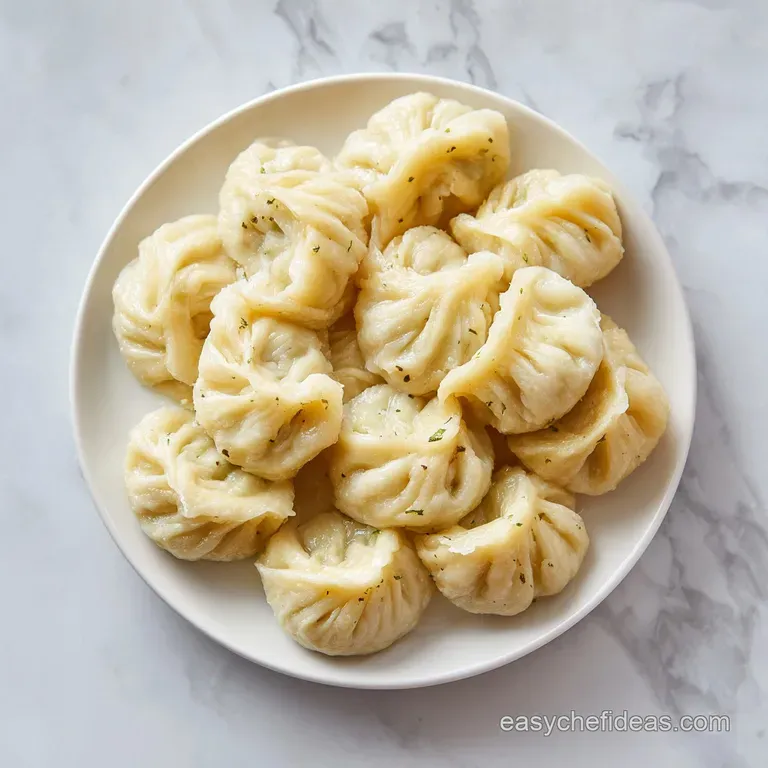
- Time: Active 5 minutes, Passive 15 minutes, Total 20 minutes
- Flavor/Texture Hook: Fluffy, herb flecked, and velvety
- Perfect for: Rainy Sunday dinners, family gatherings, or beginner friendly comfort food
- Perfecting the Fluffy Dumplings Recipe
- Essential Specs for Consistency
- Selecting High Quality Ingredients
- Necessary Tools for Success
- Precise Cooking Procedures
- Fixing Common Texture Problems
- Flavorful Adaptations and Substitutions
- Reliable Storage Guidelines
- Elegant Serving Ideas
- CRITICAL Sodium Alert
- Recipe FAQs
- 📝 Recipe Card
Perfecting the Fluffy Dumplings Recipe
There is a specific, sinking feeling that happens when you lift a pot lid and see a grey, leaden lump staring back at you instead of a fluffy cloud. I remember one chilly October evening when I tried to surprise my family with a pot of stew.
I had rushed the dough, guessed at the measurements, and kept lifting the lid to "check on them." The result? Dumplings that had the density of a golf ball and a raw, gummy core that was frankly impossible to eat.
It was a failure that stayed with me, mostly because I knew how much comfort a real dumpling is supposed to provide.
A truly successful dumplings recipe is about more than just mixing flour and water; it is about understanding the balance of moisture and air. In our global food community, we see this reflected in everything from the hearty suet dumplings of the UK to the delicate Polish Pierogies that nourish families during the holidays. This specific version is designed to solve the "toughness trap" by using melted butter for tenderness and a strict steaming rule that creates that iconic, velvet soft exterior.
When we cook like this, we are not just making fuel; we are building layers of flavor and tradition. By the time you drop that last spoonful of dough into the simmering stock, you are participating in a ritual of nourishment that spans cultures.
This recipe ensures that every person at your table gets a bite that is airy, light, and infused with the savory essence of the broth below.
Essential Specs for Consistency
Before we get our hands into the flour, we need to look at the numbers. Precision is the best friend of a home cook, especially when dealing with chemical leaveners like baking powder.
Because we are aiming for a specific hydration level, sticking to these measurements ensures the dough doesn't dissolve into the soup or turn into a brick.
The relationship between the simmering liquid and the dough is a delicate dance of thermodynamics. If the broth is too cold, the dumplings sink and stay dense; if it is a rolling boil, they break apart before they can set.
We want a gentle, steady simmer that provides enough heat to activate the leavening without the physical violence of large bubbles tearing the dough.
For Chemically Induced Lift
The "lift" in these dumplings comes from the interaction between the baking powder and the heat of the steam. This creates tiny pockets of carbon dioxide that expand, stretching the gluten gently to create a structure that is firm enough to hold its shape but soft enough to melt in your mouth.
The Science of the Sealed Steam
When you put the lid on the pot, you are creating a pressurized environment. This trapped steam is hotter than the liquid itself and cooks the dumplings from the top down at the same time the broth cooks them from the bottom up.
This dual action cooking is why the "no peek" rule is the most important part of the entire process.
| Method | Cook Time | Texture | Best For |
|---|---|---|---|
| Stovetop (Covered) | 15 minutes | Cloud like, moist, very soft | Traditional chicken and dumplings |
| Stovetop (Uncovered) | 20 minutes | Chewy, dense, biscuit like | Hearty beef stews or thick ragouts |
| Oven (Baked) | 25 minutes | Crispy top, doughy bottom | Cobbler style savory bakes |
When choosing between these methods, remember that the covered stovetop approach is the only way to get that authentic, silky finish. It relies on the moisture in the pot to keep the gluten from drying out, resulting in a texture that is remarkably velvety.
Selecting high-quality Ingredients
The beauty of this dish lies in its simplicity, but that means every component has to pull its weight. We are using all purpose flour for a middle of-the road protein content that provides structure without becoming tough.
The fat choice here melted butter is a departure from some older recipes that use cold lard, but it allows for a more even distribution of moisture throughout the shaggy dough.
When I think about the diversity of ingredients we use to nourish ourselves, I’m always struck by how a few pantry staples can create such a community favorite. Whether you are using heritage grains or standard flour, the goal remains the same: a tender crumb that absorbs the flavor of the chicken stock.
For the Cloud Like Dough
The dough is the star of the show. By using 180ml of whole milk, we provide the fat and hydration needed to keep the interior moist even after 15 minutes of steaming.
The addition of fresh parsley isn't just for color; it adds a bright, herbaceous note that cuts through the richness of the chicken stock.
Component Deep Dive
| Ingredient | Science Role | Pro Secret |
|---|---|---|
| All Purpose Flour | Provides the gluten framework | Don't pack the measuring cup; spoon and level for lightness |
| Baking Powder | Primary leavening agent | Ensure it's fresh (less than 6 months old) for maximum rise |
| Whole Milk | Hydrates flour and adds fat | Use room temperature milk to prevent the melted butter from seizing |
| Unsalted Butter | Shortens gluten strands | Melted butter creates a more uniform, velvety crumb than cold fat |
Chef Tip: If you want an even deeper flavor, whisk a pinch of garlic powder or a grating of fresh nutmeg into the dry flour. It adds a "hidden" layer of complexity that makes people ask for your secret.
Necessary Tools for Success
You don't need a kitchen full of high tech gadgets to master this dumplings recipe, but the right pot makes a massive difference. A heavy bottomed vessel, such as a cast iron Dutch oven (like a Le Creuset or Lodge), is ideal because it holds heat consistently.
This prevents the temperature of the stock from dropping too sharply when you add the room temperature dough.
The second most important tool is a lid that fits tightly. If your lid has a vent hole or doesn't sit flush, cover the pot with a layer of aluminum foil before putting the lid on to trap every drop of steam.
- Large Mixing Bowl: Gives you enough space to fold the ingredients without overworking the dough.
- Whisk: Essential for aerating the flour and baking powder before adding liquids.
- Cookie Scoop: A small 1 tablespoon scoop ensures every dumpling is the same size, so they all finish cooking at the exact same moment.
- Tight Fitting Lid: The engine that drives the steaming process.
Precise Cooking Procedures
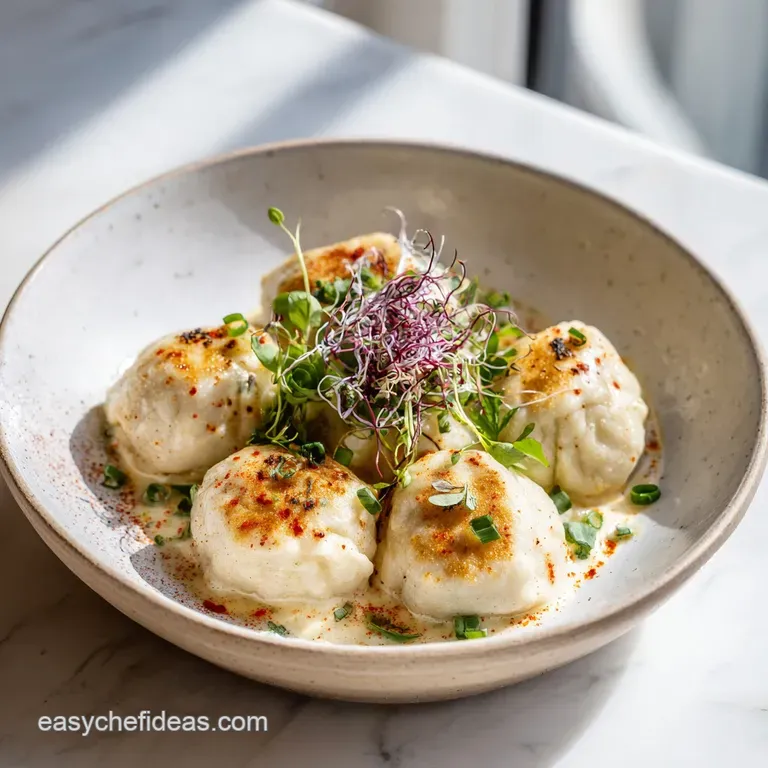
This is where the magic happens. The transition from a bowl of shaggy dough to a pot of floating clouds requires a gentle touch. When you add the milk and butter, you want to stop mixing the very second you no longer see white streaks of flour.
Every extra stir develops more gluten, and in the world of dumplings, too much gluten means a rubbery texture.
For the poaching liquid, we are looking for a base that is already rich in flavor. If you find your broth is looking a bit thin, you might consider how the techniques in a Chinese Vegetable Soup use aromatics to build depth. Here, our mirepoix of carrots, celery, and onion does that heavy lifting.
1. The Dry Foundation
In your large mixing bowl, whisk together the 250g all purpose flour, 15g baking powder, and 5g fine sea salt. Ensure the 5g of parsley is distributed so every dumpling gets a bit of green.
2. The Gentle Incorporation
Make a well in the center. Pour in the 180ml milk and 45g melted butter. Fold with a spatula just until the dough looks wet and shaggy. Stop before it looks smooth.
3. The Precision Drop
With the chicken stock and 750g of chicken thighs at a steady simmer, use two spoons to drop rounded tablespoons of dough onto the surface. Space them out slightly; they will expand.
4. The "No Peek" Finish
Immediately place the lid on the pot. Set a timer for 15 minutes. Do not lift the lid. Not even once. The loss of steam will cause the dumplings to collapse and become dense.
| Step | Action | Visual Cue |
|---|---|---|
| Prep | Whisk dry ingredients | Flour looks light and aerated |
| Mix | Fold in liquids | Shaggy dough with no dry flour visible |
| Cook | Simmer covered | Steam escaping the sides of the lid slightly |
| Finish | Rest 2 minutes | Dumplings look matte and "puffy" |
Fixing Common Texture Problems
If things don't go according to plan, don't worry. Most dumpling issues can be traced back to temperature or agitation. If your dumplings are disintegrating, it usually means the broth was boiling too hard, acting like a physical hammer against the soft dough.
If they are raw in the middle, they were likely dropped in too large of a clump, or the lid was lifted, dropping the internal temperature.
We want to nourish our family with the best version of this dish, so paying attention to the "why" behind the failure helps us grow as cooks. A common mistake I once made was adding the dumplings to a pot that was overcrowded; they couldn't expand, so they fused together into one giant, doughy mass.
To Fix Dumplings That Dissolve
If you notice the dough is breaking apart into the soup, turn the heat down immediately. You can't "save" the ones that have dissolved, but they will actually act as a thickener for the broth, making it extra creamy. For the next batch, ensure the dough is slightly drier.
To Fix a Raw or Doughy Center
If the timer goes off and the centers are still wet, put the lid back on and give them another 3 to 5 minutes. This usually happens if the chicken thighs were cold when added, which lowered the overall temperature of the pot.
| Problem | Root Cause | Solution |
|---|---|---|
| Dense/Hard | Overmixing the dough | Fold only until streaks disappear; use a light hand |
| Soggy/Gummy | Lid was lifted too early | Keep the lid sealed for the full 15 minutes to trap heat |
| Dissolving | Broth boiling too vigorously | Maintain a gentle simmer where bubbles just barely break the surface |
Common Mistakes Checklist
- ✓ Using old baking powder that has lost its chemical potency.
- ✓ Boiling the stock too hard, which physically tears the dumplings apart.
- ✓ Lifting the lid to check progress, which ruins the steam pressure.
- ✓ Overworking the dough until it becomes smooth and elastic.
- ✓ Crowding the pot so the dumplings have no room to double in size.
Flavorful Adaptations and Substitutions
One of the reasons this dumplings recipe is so beloved is how easily it adapts to different dietary needs and flavor profiles. While the classic version uses whole milk and butter, you can swap these out to suit your pantry. The key is maintaining the fat to liquid ratio so the texture remains consistent.
When we talk about the culture of cooking, we talk about making the recipe our own. I've seen versions of this dish that use sourdough discard for a tangy kick, or even some that incorporate finely shredded cheese for a savory, gooey interior.
| Original Ingredient | Substitute | Why It Works |
|---|---|---|
| Whole Milk (180ml) | Buttermilk (180ml) | Adds a pleasant tang and reacts with baking powder for extra lift |
| Unsalted Butter (45g) | Lard or Shortening (45g) | Creates a very traditional, flaky texture. Note: Lacks the buttery flavor |
| Fresh Parsley (5g) | Fresh Dill or Chives (5g) | Changes the flavor profile to be more bright or oniony |
If you want a vegetarian dumpling, simply swap the chicken stock for a rich mushroom or vegetable broth and replace the chicken thighs with hearty chunks of roasted cauliflower or pearl onions. The dumplings themselves are naturally vegetarian friendly!
Decision Shortcut
- If you want a richer broth: Stir in a tablespoon of heavy cream or a pat of butter right before serving.
- If you want "slickers" (flat dumplings): Omit the baking powder and roll the dough thin before cutting into squares.
- If you want an herbal punch: Double the parsley and add 2g of fresh thyme to the dry ingredients.
Reliable Storage Guidelines
Dumplings are always best served immediately, as they tend to continue absorbing the broth as they sit. If you have leftovers, the dumplings will become much denser and heavier the next day. However, they are still quite tasty as a quick lunch.
Store the leftovers in an airtight container in the fridge for up to 3 days. To reheat, I recommend removing the dumplings from the soup and heating the broth first. Once the broth is hot, gently drop the dumplings back in just to warm through.
Using a microwave often makes them rubbery, so the stovetop is your friend here.
For zero waste cooking, don't throw away the celery tops or onion skins. I keep a bag in my freezer for these scraps and use them to make the next batch of chicken stock. It's a simple way to honor the ingredients and build more flavor for the next time you crave this meal.
- Fridge: 3 days in a sealed container.
- Freezer: Not recommended for the cooked dumplings (they turn mushy), but the chicken stew base freezes perfectly for 3 months.
- Zero Waste: Use leftover parsley stems in the mirepoix for extra fragrance.
Elegant Serving Ideas
When it comes to the community aspect of food, the presentation is the final layer of care. I love serving this family style, right out of the Dutch oven. There is something so inviting about a steaming pot in the center of the table with those white clouds floating on top.
It invites everyone to dig in and nourish themselves.
For a bit of contrast, I often serve this with a crisp, acidic side dish like a vinegar based slaw or a simple green salad with a lemon vinaigrette. The brightness of the salad cuts through the velvety richness of the dumplings and the savory chicken.
If you are hosting a dinner, you can garnish the individual bowls with a fresh crack of black pepper and a few extra leaves of parsley. It signals to your guests that this wasn't just a "quick meal," but a thoughtfully prepared dish that honors the traditions of home cooking.
No matter how you serve it, the goal is the same: to create a moment of warmth and connection over a bowl of something truly handmade.
CRITICAL Sodium Alert
1420 mg 1420 mg (62% 62%)
The American Heart Association recommends limiting sodium intake to less than 2,300mg per day.
Tips to Reduce Sodium
-
Choose Low-Sodium Stock-30%
Replace the 1.5 liters of chicken stock with low-sodium or no-salt added chicken stock. This is the biggest sodium contributor in your recipe.
-
Halve the Added Salt-25%
Reduce the 5g of fine sea salt to 2.5g. You can always add a pinch of salt at the table if needed.
-
Boost Flavor with Herbs
Maximize the use of fresh parsley and consider adding other fresh or dried herbs like thyme, rosemary, or bay leaves to enhance flavor without sodium.
-
Flavor Vegetables Naturally-5%
Sauté the diced carrots, celery, and onion with unsalted butter or a splash of water instead of relying on salted ingredients for their initial flavor development.
Recipe FAQs
What are the ingredients for dumplings?
Use 250g all-purpose flour, 15g baking powder, 5g fine sea salt, 180ml whole milk, and 45g melted unsalted butter. You can optionally add 5g of finely chopped fresh parsley for extra flavor.
How to make a simple dumpling with flour?
Whisk your dry ingredients, then fold in the milk and butter until just combined. Stop mixing as soon as the flour streaks disappear to keep the dough shaggy and light, as overworking it will result in tough dumplings.
What is the secret to making good dumplings?
Keep the lid on your pot at all times during the 15-minute simmer. This traps the steam required for the dumplings to rise and cook through; if you enjoyed the precision needed for this rise, you will appreciate the similar technique required for our creamy chicken gnocchi soup.
How to make a dumpling mix?
Combine your flour, baking powder, and salt in a large bowl and whisk thoroughly. Distributing the leavening agent evenly ensures the mix is ready for the liquid ingredients whenever you are ready to cook.
Is it true I must boil the stock vigorously to cook the dough?
No, this is a common misconception. A steady simmer is essential because a rolling boil will physically tear the dumplings apart before they have a chance to set.
How to fix dumplings that are too dense?
Check your baking powder potency before starting your next batch. If the powder is old, it will not produce the gas necessary to create a fluffy texture, regardless of how gently you handle the dough.
How to prevent dumplings from sticking together in the pot?
Drop them into the simmering stock with enough space for them to double in size. Crowding the pot prevents proper steam circulation and causes the dough portions to fuse into a single mass.
Fluffy Homemade Dumplings
Ingredients:
Instructions:
Nutrition Facts:
| Calories | 525 kcal |
|---|---|
| Protein | 39.8 g |
| Fat | 17.4 g |
| Carbs | 49.4 g |
| Fiber | 2.4 g |
| Sugar | 3.1 g |
| Sodium | 1420 mg |
