Creamy Garlic Parmesan Chicken Thighs: 30-Minute Meal
- Time: 10 min active + 20 min cook
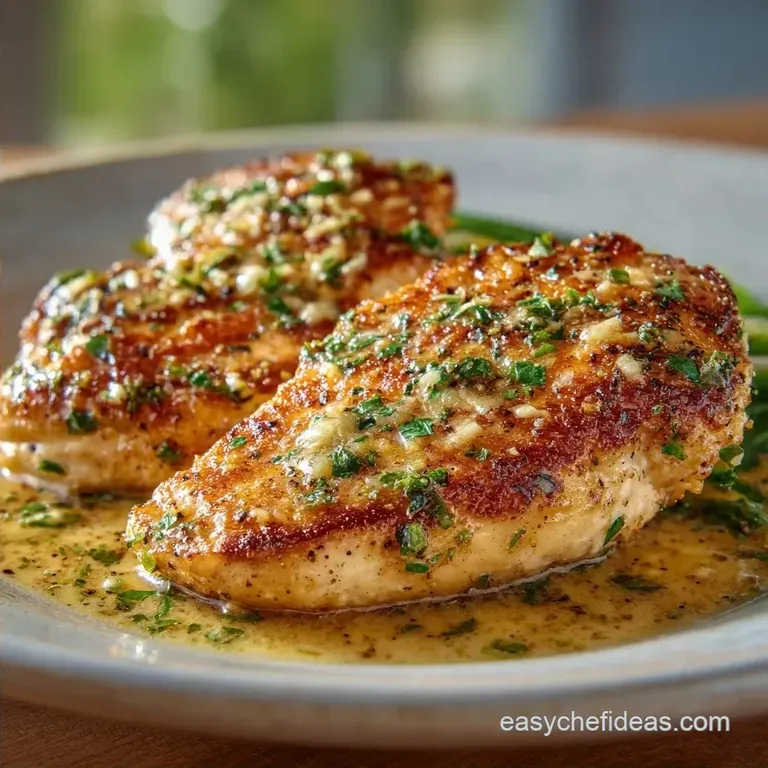
- Flavor/Texture Hook: Mahogany crust with a silky, garlic infused cream
- Perfect for: A low stress weeknight dinner that feels fancy
The sound of chicken thighs hitting a ripping hot skillet is honestly my favorite part of the day. That aggressive sizzle tells you immediately that you're about to get a proper crust, not just grey, steamed meat.
I remember the first time I tried making something like this, I crowded the pan and ended up with a sad, boiled mess. Now, I treat the searing process like a ritual.
This dish isn't just about the calories, though. It's a bit of a cultural hybrid, taking the soul of an Italian Sunday dinner and stripping away the three hour simmer time. It's about that feeling of community and nourishment, where the smell of garlic and toasted cheese fills the whole house and makes everyone actually want to sit at the table together.
When you make these Parmesan Chicken Thighs, you're building layers of flavor. We start with the earthy heat of smoked paprika, move into the nutty depth of browned butter, and finish with the sharp, salty bite of Parmesan.
It's simple, but when you do it in this order, it tastes like something you'd pay 30 bucks for at a bistro.
Why These Parmesan Chicken Thighs Work
If you've ever had a cream sauce break or chicken that tastes bland despite all the seasoning, it's usually because of the order of operations. Here is the logic behind the method:
- The Fond Factor: When we sear the chicken, brown bits (called fond) stick to the pan. This is pure flavor. By deglazing with butter and cream, we pull those roasted chicken notes right back into the sauce.
- Fat on-Fat Balance: Chicken thighs are naturally fatty, and heavy cream is rich. To stop this from feeling like a grease bomb, we add lemon juice at the end. The acid cuts through the fat, brightening the whole profile.
- Cheese Stability: Adding Parmesan at the very end prevents the sauce from becoming grainy. If you boil cheese too hard, the proteins clump, but whisking it into a gentle simmer keeps it velvety.
- Moisture Retention: Thighs are far more forgiving than breasts. The higher fat content means they stay juicy even when we push them for that deep mahogany color.
| Method | Time | Texture | Best For |
|---|---|---|---|
| Stovetop (Our way) | 30 mins | Crispy edges, silky sauce | Fast weeknights |
| Oven Baked | 45 mins | Uniformly tender, softer crust | Large crowds |
| Air Fryer | 25 mins | Very crispy, no pan sauce | low-fat needs |
Component Analysis
I don't call this "chemistry" because we're in a kitchen, not a lab, but knowing what your ingredients are actually doing helps you fix things on the fly.
| Ingredient | Science Role | Pro Secret |
|---|---|---|
| Chicken Thighs | Protein & Fat Base | Pat them bone dry to ensure a better sear |
| Heavy Cream | Emulsifier/Body | Don't use low-fat; the sauce will separate |
| Parmesan Cheese | Umami & Thickener | Grate it yourself; pre shredded has starch |
| Lemon Juice | Acidic Balance | Add it last to keep the flavor bright |
Shopping List Breakdown
Grab these items from the store. I've listed the exact amounts we need, but I've also added some options if you're missing something.
- 1.5 lb boneless, skinless chicken thighsWhy this? More flavor and moisture than breasts (Substitute: Boneless skin on thighs for more crisp)
- 1 tsp salt (Substitute: Kosher salt for better control)
- 1/2 tsp black pepper (Substitute: White pepper for a milder heat)
- 1 tsp smoked paprikaWhy this? Adds a woody, outdoor grill flavor (Substitute: Sweet paprika for less smokiness)
- 2 tbsp olive oil (Substitute: Avocado oil for higher smoke point)
- 3 tbsp unsalted butterWhy this? Creates a nutty base for the sauce (Substitute: Ghee for a deeper taste)
- 4 cloves garlic, minced (Substitute: 1 tsp garlic powder if you're in a rush)
- 1 cup heavy creamWhy this? Provides the velvety thickness (Substitute: Full fat coconut milk for dairy-free, though it changes the taste)
- 3/4 cup Parmesan cheese, grated (Substitute: Pecorino Romano for a saltier, sharper kick)
- 1 tsp dried oregano (Substitute: Dried basil or Italian seasoning)
- 2 tbsp fresh parsley, chopped (Substitute: Fresh chives)
- 1 tbsp lemon juiceWhy this? Cuts the richness of the cream (Substitute: A splash of dry white wine)
How to Make It
Let's crack on. Make sure your pan is hot before the chicken hits the oil, or you'll just be simmering the meat in its own juices.
- Prep the meat. Pat the chicken thighs dry with paper towels and season both sides with salt, pepper, and paprika. Note: Dry meat browns faster.
- Sear the chicken. Heat olive oil in a 12 inch skillet over medium high heat. Sear chicken for 5–7 minutes per side until a deep mahogany crust forms and the internal temperature reaches 165°F (74°C).
- Rest the protein. Remove chicken and set aside on a plate. Note: This lets the juices redistribute.
- Build the base. Lower the heat to medium. Melt the butter in the same pan, scraping up the browned bits from the bottom.
- Sauté aromatics. Stir in the minced garlic and cook for 1 minute until it smells fragrant but isn't brown.
- Simmer the cream. Whisk in the heavy cream and dried oregano. Bring to a gentle simmer for 3–4 minutes until the sauce thickens slightly.
- Emulsify the cheese. Stir in the Parmesan cheese and lemon juice, whisking constantly until the sauce is velvety and smooth.
- Combine and finish. Return the chicken and any accumulated juices to the pan, spooning the sauce over the meat.
- Final touch. Garnish with fresh parsley and serve.
Avoiding Kitchen Disasters
Even for seasoned cooks, cream sauces can be temperamental. If you're worried about the sauce, check out my Creamy Tuscan Garlic Sauce for a similar logic on how to handle heavy cream.
Troubleshooting Common Issues

| Issue | Solution |
|---|---|
| Why Your Sauce Separated | This usually happens if the heat is too high or if you used a low-fat substitute. |
| Why Your Chicken is Rubbery | Overcooking is the enemy. While thighs are hearty, pushing them way past 165°F can make the fibers tighten up. Use a meat thermometer to pull them at the exact right moment. |
| Why The Sauce Is Grainy | If the Parmesan wasn't whisked in quickly or if it was pre shredded (which contains cellulose/starch), it might not melt smoothly. Always grate your own cheese for the best results. |
Common Mistakes Checklist
- ✓ Patting chicken dry before seasoning
- ✓ Avoiding the urge to flip the meat too often
- ✓ Using a medium heat for the garlic to prevent burning
- ✓ Whisking the cheese in slowly, not dumping it in
- ✓ Resting the chicken before adding it back to the sauce
Adjusting the Portion Size
Scaling this recipe isn't as simple as doubling everything. If you do, you might end up with a pan full of steamed meat instead of seared chicken.
Scaling Down (Half Batch) Use a smaller skillet (about 8-10 inches). You can reduce the cooking time by about 20% because the pan heats up faster with less meat. For the egg or thickeners (if you add them), just beat one and use half.
Scaling Up (Double or Triple) Don't try to sear 3 lbs of chicken in one pan. Work in batches. Sear half, move them to a plate, then sear the rest. When it comes to the sauce, only increase salt and spices to 1.5x too much dried oregano can become bitter in large quantities.
Reduce the total liquid by about 10% since you'll have less evaporation in a crowded pan.
If you're feeding a huge crowd, you might consider a different method entirely. For example, my Crockpot Tuscan Chicken is a better bet for 8+ people since the slow cooker handles bulk much better than a skillet.
Debunking Kitchen Myths
Myth: You must sear meat to "seal in the juices." Truth: Searing doesn't create a waterproof seal. Moisture loss happens regardless of how you start the cook. However, the crust adds a massive amount of flavor through browning.
Myth: Boneless thighs are always "less authentic." Truth: In a home kitchen, boneless thighs are often preferred for this recipe because they cook faster and are easier to coat in sauce. The bone adds flavor, but the convenience of boneless usually wins for weeknight meals.
Myth: You can use any cheese for a cream sauce. Truth: Not all cheeses emulsify. Some will clump or oil off immediately. Parmesan is ideal because of its specific fat to protein ratio.
Storage Guidelines
If you have leftovers, store them in an airtight container in the fridge for up to 4 days. The sauce will thicken significantly as it cools this is normal.
Reheating Tips Don't microwave these on high, or the cream sauce will break and look curdled. Instead, put them in a small pan over low heat and add a tablespoon of water or milk. This loosens the sauce and brings back that velvety texture.
Zero Waste Ideas If you used bone in thighs and have the bones left over, don't toss them! Toss them in a pot with water, a carrot, and an onion for a quick, rich chicken stock.
If you have leftover sauce, it makes a killer base for a pasta dish just toss it with some fettuccine and a handful of spinach.
Serving Suggestions
These Parmesan Chicken Thighs are rich, so you want sides that provide contrast. Something bright or earthy works best to balance the heaviness of the cream.
The Best Pairings I love serving this over a bed of garlicky sautéed spinach or roasted asparagus. The bitterness of the greens cuts through the cheese perfectly. If you want something heartier, a side of mashed potatoes or wild rice is the way to go.
The sauce is the star here, so choose a side that can soak up every last drop.
Adding a Vegetable Twist You can actually cook broccoli or peas right in the sauce at the very end. Just toss them in after step 6 and let them simmer for 3 minutes. It turns the dish into a one pan meal that's much more balanced.
Switching the Protein While we love thighs, you can use boneless breasts if you must. Just be careful they cook much faster and dry out easily. I recommend searing them for only 4-5 minutes per side and ensuring they don't sit in the simmering sauce for too long.
Making it Low Carb This recipe is already quite low carb, but to make it strictly keto, avoid serving it with pasta or potatoes. Instead, serve it over cauliflower mash or zoodles. The heavy cream and Parmesan are keto friendly staples, so you don't have to sacrifice any flavor.
High in Sodium
875 mg 875 mg of sodium per serving (38% 38% of daily value)
The American Heart Association recommends a limit of 2,300 mg of sodium per day for most adults to maintain heart health.
Tips to Reduce Sodium
-
Eliminate Added Salt-25%
Reduce or completely omit the 1 tsp of salt; the Parmesan cheese already provides a significant amount of sodium and savory flavor.
-
Reduce Parmesan Cheese-15%
Use half the amount of grated Parmesan cheese or substitute it with a low-sodium variety to lower the overall salt content.
-
Increase Acidic Brightness-10%
Add an extra tablespoon of lemon juice to enhance the perceived saltiness and brighten the sauce without adding sodium.
-
Enhance with Aromatics
Double the amount of fresh parsley and dried oregano to add depth and complexity to the dish's flavor profile.
Recipe FAQs
Can I use chicken thighs for chicken parmesan?
Yes, thighs are often preferred. They remain juicier and more tender than breasts, making them harder to overcook.
What are common mistakes when making parmesan chicken?
Using pre-shredded cheese and overcooking the meat. Pre-shredded cheese contains starches that make the sauce grainy, and cooking thighs past 165°F makes them rubbery.
What is the best cream for chicken thighs?
Heavy cream is the gold standard. Its high fat content prevents the sauce from separating and creates a velvety texture.
What's the secret to a great chicken parmesan?
Searing the meat until a deep mahogany crust forms. This creates essential depth of flavor. This dish pairs beautifully with a side of roasted tomato soup.
How to make creamy tuscan garlic chicken at home?
Sauté minced garlic in butter, whisk in heavy cream and oregano, then stir in Parmesan and lemon juice. Return seared chicken thighs to the pan to coat them in the finished sauce.
How to cook keto chicken with a creamy garlic sauce?
Follow this recipe exactly. Since it uses heavy cream, butter, and Parmesan without added flours or sugars, it is naturally keto friendly.
Is it true that the sauce will always break when reheating?
No, this is a common misconception. You can prevent curdling by reheating the chicken in a pan over low heat with a tablespoon of water to loosen the sauce.
Parmesan Chicken Thighs in 30 Minutes