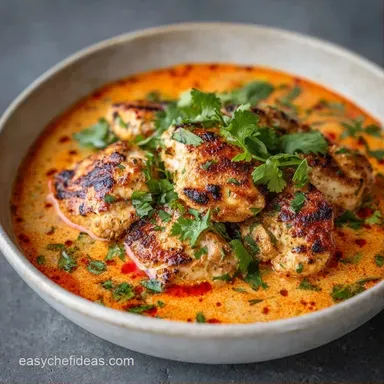
Better-Than-Restaurant Chicken Thigh Tikka Masala
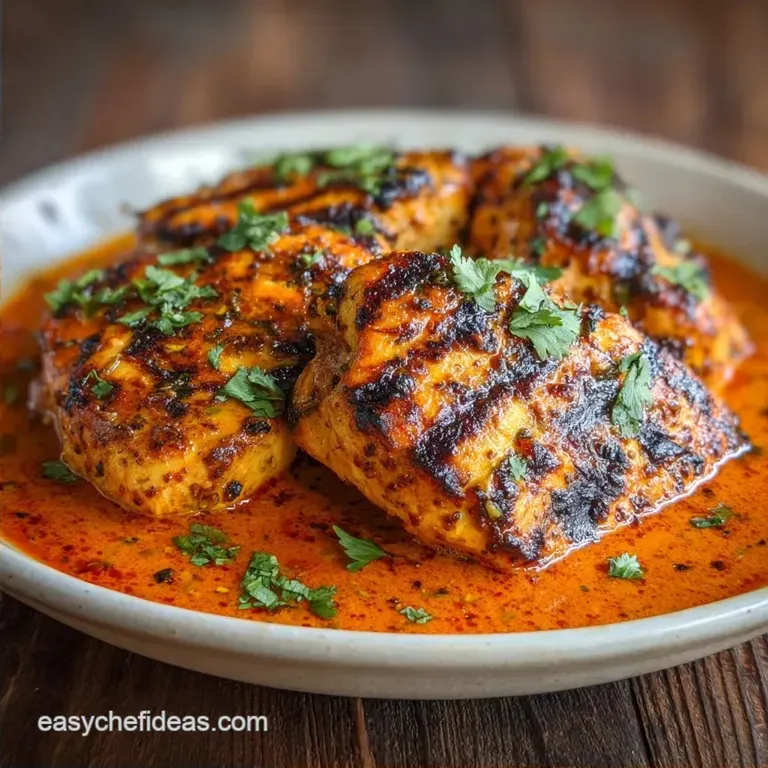
- Time: 15 min active + 30 min marinating + 30 min cooking
- Flavor/Texture Hook: Charred mahogany chicken in a velvety, spiced cream sauce
- Perfect for: Weeknight dinner that feels like a treat or impressive meal prep
- Easy Chicken Tikka Masala
- The Secret to Tender Meat
- Component Analysis
- Essential Pantry Ingredients
- Required Kitchen Gear
- Step by Step Cooking
- Solving Common Sauce Issues
- Troubleshooting Common Issues
- Adapting the Recipe
- Truths About Tikka Masala
- Saving and Reheating Leftovers
- Best Side Dish Pairings
- Critical Sodium Level
- Recipe FAQs
- 📝 Recipe Card
Easy Chicken Tikka Masala
The smell of charred chicken hitting a hot pan is something you just can't beat. I remember the first time I tried making this at home, I completely skipped the lemon juice in the marinade.
I thought, "it's just a squeeze, who cares?" The result was a dish that tasted fine but felt flat, lacking that bright, zippy contrast that cuts through the heavy cream. It taught me that in Indian cooking, the balance of acid and fat is everything.
When you get this right, the contrast is wild. You have the smoky, slightly burnt edges of the chicken clashing with the silky, mild sweetness of the tomato cream sauce. It's that push and pull between the heat of the cayenne and the cooling effect of the yogurt that makes this dish so addictive.
If you're looking for a meal that feels like a warm hug, this Chicken Tikka Masala is it. We're using chicken thighs because they don't dry out, and we're taking a few extra minutes to let the sauce reduce until it's glossy. Trust me, don't rush the simmer.
The Secret to Tender Meat
I used to wonder why restaurant chicken felt so much softer than my home versions. It turns out the marinade isn't just for flavor, it's actually doing some heavy lifting to change the texture of the meat.
Lactic Acid Breakdown: The calcium and lactic acid in full fat yogurt gently break down the protein fibers in the chicken. This prevents the meat from tightening up and becoming rubbery when it hits the high heat of the skillet.
Enzymatic Tenderizing: The ginger and garlic paste contains enzymes that further soften the muscle fibers. When combined with the lemon juice, it creates a brine that lets the spices penetrate deeper into the meat.
Fat Shielding: Using thighs instead of breasts provides a natural fat buffer. This fat protects the protein from the intense heat needed to get those charred, mahogany edges.
Flavor Infusion: Marinating for at least 30 minutes allows the salt to draw the spices into the meat. According to Serious Eats, this process ensures the flavor is baked in, not just sitting on the surface.
| Method | Time | Texture | Best For |
|---|---|---|---|
| Stovetop | 30 mins | Charred & Velvety | Maximum flavor control |
| Oven Baked | 45 mins | Evenly Roasted | Large batches / Less cleanup |
| Instant Pot | 20 mins | Very Tender | Speed and convenience |
Component Analysis
I've spent a lot of time figuring out which ingredients are non negotiable and which ones you can mess with. Here is what's actually happening in the pan.
| Ingredient | Science Role | Pro Secret |
|---|---|---|
| Full fat Yogurt | Tenderizer | Use Greek yogurt for a thicker, more clingy marinade |
| Ghee | over High heat Fat | Sautéing onions in ghee adds a nutty depth butter can't match |
| Heavy Cream | Emulsifier | Stir in at the very end to prevent curdling from the acidity |
| Tomato Sauce | Acid Base | Simmer until the oil separates for a concentrated flavor |
Essential Pantry Ingredients
Don't bother with low-fat substitutes here. This is a rich dish, and trying to "lighten" it usually just ruins the texture of the sauce.
- Boneless, skinless chicken thighs (1.5 lbs, cut into 1 inch chunks) Why this? Higher fat content keeps the meat juicy during searing
- Full fat plain yogurt (1/2 cup) Why this? Lactic acid tenderizes the meat
- Lemon juice (1 tbsp)
- Ginger garlic paste (2 tbsp) Why this? Provides a sharp, aromatic base
- Garam masala (2 tsp)
- Turmeric powder (1 tsp)
- Cumin powder (1 tsp)
- Cayenne pepper (1/2 tsp)
- Salt (1.5 tsp)
- Ghee (2 tbsp) Why this? Higher smoke point than butter
- Large onion (1, finely diced)
- Tomato sauce (15 oz)
- Heavy cream (1 cup) Why this? Creates the signature velvety mouthfeel
- Sugar (1 tbsp) Why this? Balances the acidity of the tomato sauce
- Smoked paprika (1 tsp)
- Fresh cilantro (for garnish)
Ingredient Swaps
| Original Ingredient | Substitute | Why It Works |
|---|---|---|
| Ghee (2 tbsp) | Unsalted Butter (2 tbsp) | Similar flavor, but Note: burns faster, so lower your heat |
| Heavy Cream (1 cup) | Full fat Coconut Milk (1 cup) | Same richness. Note: Adds a slight coconut taste, making it dairy-free |
| Tomato Sauce (15 oz) | Tomato Puree (15 oz) | Very similar. Note: Puree is often thicker, might need a splash of water |
| Chicken Thighs | Chicken Breast | Leaner option. Note: Much easier to overcook; reduce sear time by 1 min |
Required Kitchen Gear
You don't need a tandoor oven to make a great Thigh Tikka Masala, but a few specific tools help.
I highly recommend a cast iron skillet. It holds heat way better than stainless steel or non stick, which is how you get those dark, charred edges on the chicken without overcooking the center. If you don't have one, a heavy bottomed stainless steel pan will do.
You'll also need a whisk for the marinade to ensure there are no clumps of turmeric or cumin, and a sturdy spatula for scraping the brown bits (the fond) off the bottom of the pan after searing. Those bits are where the deep, savory flavor lives.
Step by step Cooking
Right then, let's get into it. This is a three phase process: the soak, the sear, and the simmer.
Phase 1: The Flavor Infusion
- Whisk the marinade. In a large bowl, combine the yogurt, lemon juice, 1 tbsp of the ginger garlic paste, 1 tsp garam masala, turmeric, cumin, and cayenne pepper. Note: Whisk until completely smooth so the spices don't clump.
- Coat the chicken. Fold in the chicken chunks until every piece is heavily coated. Cover and let it marinate for at least 30 minutes. Note: You can do this up to 24 hours in advance for a deeper flavor.
Phase 2: Achieving the Restaurant Char
- Heat the skillet. Get your cast iron skillet over medium high heat with a drizzle of oil.
- Sear in batches. Add the chicken in batches, making sure not to crowd the pan. Cook 3–4 minutes per side until the edges are charred and mahogany colored. Remove the chicken and set it aside on a plate. Note: If you crowd the pan, the chicken will steam instead of sear.
Phase 3: Building the Velvety Sauce
- Sauté the aromatics. Lower the heat to medium. Melt the ghee and add the diced onions. Stir until translucent and golden.
- Fry the paste. Stir in the remaining 1 tbsp of ginger garlic paste and fry for 1 minute until it smells fragrant and slightly browned.
- Simmer the base. Pour in the tomato sauce, 1 tsp garam masala, smoked paprika, and salt. Let it simmer for 8–10 minutes until the sauce thickens and you see small bubbles of oil separating from the tomato.
- Finish the sauce. Stir in the heavy cream and sugar. Return the charred chicken to the pan.
- Final simmer. Simmer for another 5 minutes until the sauce is glossy and the chicken is fully cooked through.
- Garnish. Top with fresh cilantro right before serving.
Solving Common Sauce Issues
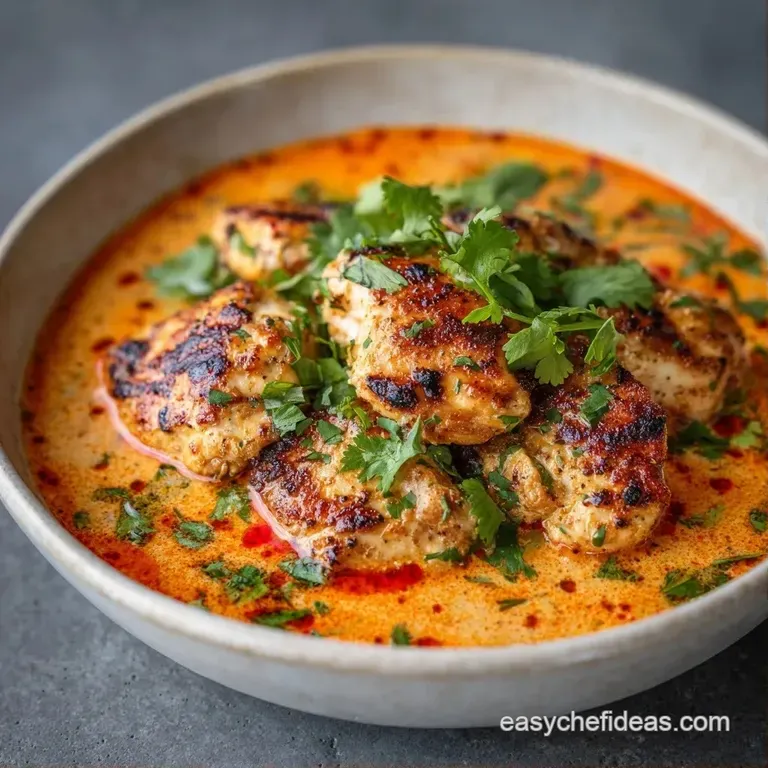
Even with a solid recipe, things can go sideways. Usually, it's a matter of temperature or timing.
Troubleshooting Common Issues
| Issue | Solution |
|---|---|
| Why Your Sauce Separated | If you see the cream curdling into tiny white clumps, it's usually because the heat was too high when the cream went in. |
| Why Your Sauce Is Too Sour | Tomato sauce varies wildly in acidity. If your Chicken Tikka Masala tastes too sharp or sour, you likely need a bit more sugar or a tiny pinch of baking soda to neutralize the pH. |
| Why Your Chicken Is Rubbery | This happens if you overcook the chicken during the searing phase or if you don't use thighs. The high heat of the skillet is for color, not for fully cooking the meat. Troubleshooting Guide |
Common Mistakes Checklist
- ✓ Did you sear in batches? Crowding the pan prevents the mahogany char.
- ✓ Did you let the sauce "split"? You want to see that oil separation before adding cream.
- ✓ Did you use full fat dairy? low-fat yogurt often curdles and lacks the richness.
- ✓ Is the heat too high for the cream? Lower the temp before stirring in the heavy cream.
- ✓ Did you marinate long enough?30 minutes is the bare minimum for tenderness.
Adapting the Recipe
Depending on who you're feeding, you might need to change the scale or the method.
Scaling Down (for 2 people) Use 0.75 lbs of chicken and halve the sauce ingredients. Use a smaller skillet to keep the sauce from evaporating too quickly. Reduce the final simmer time by about 20% since there is less mass in the pan.
For the egg or thickener, if a recipe calls for a whole egg, beat it first and use half.
Scaling Up (for a party) If you're doubling or tripling this, don't just triple the salt and cayenne. Start with 1.5x the spices and taste as you go. Work in batches for the searing this is non negotiable, or you'll end up with boiled chicken.
Reduce the total liquid (tomato sauce/cream) by about 10% because larger pots retain more moisture.
Alternative Methods If you want a different approach, you can try an Oven Baked Chicken Tikka Masala. Roast the marinated chicken on a sheet pan at 400°F (200°C) for 15-20 minutes before adding them to the stovetop sauce.
This is great for when you don't want to stand over the stove. For those with a pressure cooker, an Instant Pot Chicken Thigh Tikka Masala can be made by sautéing the aromatics and then pressure cooking the chicken and sauce together for 10 minutes, though you lose the charred flavor.
Decision Shortcut
- If you want a deep, smoky flavor → Use a cast iron skillet.
- If you're in a rush → Try the Instant Pot method.
- If you're cooking for a crowd → Oven roast the chicken first.
Truths About Tikka Masala
There are a few things people always say about this dish that aren't actually true.
The "Seal in Juices" Myth Many people think searing the chicken "seals in the juices." It doesn't. Moisture loss happens regardless of how you start. The sear is purely for the flavor and the visual appeal of those mahogany edges.
The "Cream Only for Texture" Myth Some think the cream is just there to make it thick. In reality, the fat in the cream carries the fat soluble flavors of the garam masala and turmeric, making the spices taste more rounded and less "sharp" on the tongue.
Saving and Reheating Leftovers
This dish actually tastes better the next day because the spices have more time to meld.
Storage Guidelines Keep your leftovers in an airtight container in the fridge for up to 4 days. If you're freezing it, this recipe holds up beautifully for 3 months. Just make sure it's completely cooled before it goes into the freezer to avoid ice crystals.
The Best Way to Reheat Avoid the microwave if you can; it often splits the cream and makes the chicken rubbery. Instead, put it in a small pot over low heat. Add a splash of water or a tablespoon of heavy cream to loosen the sauce back up. Stir gently so you don't break the chicken chunks.
Zero Waste Tips Don't throw away the onion skins or the ends of the ginger and garlic. Toss them into a freezer bag and use them to make a vegetable stock later. If you have leftover marinade in the bowl, don't use it on the cooked chicken instead, simmer it in a separate pan until it's thick and use it as a glaze for roasted carrots.
Best Side Dish Pairings
Because the sauce is so rich, you need sides that can either soak up the gravy or provide a fresh, acidic contrast.
The obvious choice is fluffy basmati rice, which acts like a sponge for the masala sauce. If you want something with a bit more chew, a side of homemade masala dosa provides a wonderful fermented tang that cuts right through the heavy cream.
For those who prefer something lighter, a simple cucumber raita (yogurt, cucumber, and mint) is a great way to cool down the palate if you've gone heavy on the cayenne. A side of charred broccoli or sautéed spinach also adds a bit of earthy bitterness that balances the sweetness of the tomato and sugar.
This Chicken Tikka Masala is all about the balance of rich and bright. Once you've got the hang of the sear and the simmer, it becomes a staple in any home kitchen. Right then, get your skillet hot and let's get cooking!
Critical Sodium Level
1150 mg 1,150 mg of sodium per serving (50% 50% of daily value)
The American Heart Association recommends a daily sodium limit of no more than 2,300 mg for most adults to reduce the risk of cardiovascular disease.
Tips to Reduce Sodium
-
Cut Added Salt-25%
Reduce the added salt from 1.5 tsp to 1/2 tsp or omit it entirely, relying on the other spices for flavor.
-
Low-Sodium Tomato Sauce-20%
Replace the standard tomato sauce with a no-salt added variety to significantly drop the base sodium level.
-
Fresh Aromatics-10%
Swap the store-bought ginger garlic paste for freshly minced ginger and garlic to avoid the hidden salt often found in processed pastes.
-
Enhance with Fresh Herbs
Increase the amount of fresh cilantro and lemon juice to provide a bright, zesty flavor that compensates for less salt.
Recipe FAQs
Is it true that chicken breasts work just as well as thighs?
No, this is a common misconception. Thighs stay juicy and tender during the searing and simmering process, whereas breasts often become dry and rubbery.
How to marinate chicken thighs for chicken tikka masala?
Whisk together yogurt, lemon juice, ginger garlic paste, garam masala, turmeric, cumin, and cayenne pepper. Fold in the chicken chunks and let them sit for at least 30 minutes to absorb the flavors.
Are chicken thighs the best choice for this curry?
Yes, they are the ideal cut. Their higher fat content prevents them from toughening during the simmer, ensuring a succulent result.
Why is my tikka masala sauce too sour?
Add a small amount of extra sugar. Tomato sauce acidity varies by brand, so a bit more sugar helps neutralize the sharpness and balance the flavor.
How to prevent the heavy cream from curdling?
Lower the heat to medium before stirring in the cream. Applying heavy cream to a boiling sauce can cause it to separate into tiny white clumps.
Why did my chicken turn out rubbery?
Reduce your searing time. Ensure you only sear for 3 4 minutes per side to get a mahogany char without overcooking the meat before it hits the sauce.
What should I serve with Chicken Tikka Masala?
Pair it with basmati rice or warm bread. This dish is best enjoyed with homemade naan to scoop up the rich, glossy sauce.
Creamy Chicken Tikka Masala