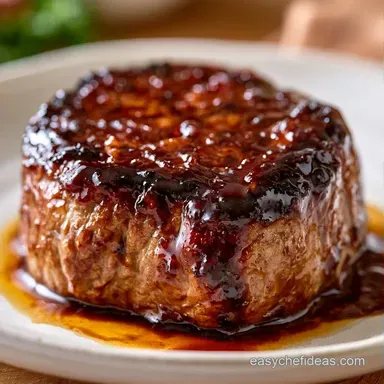
Brown Sugar Filet: Glazed and Caramelized
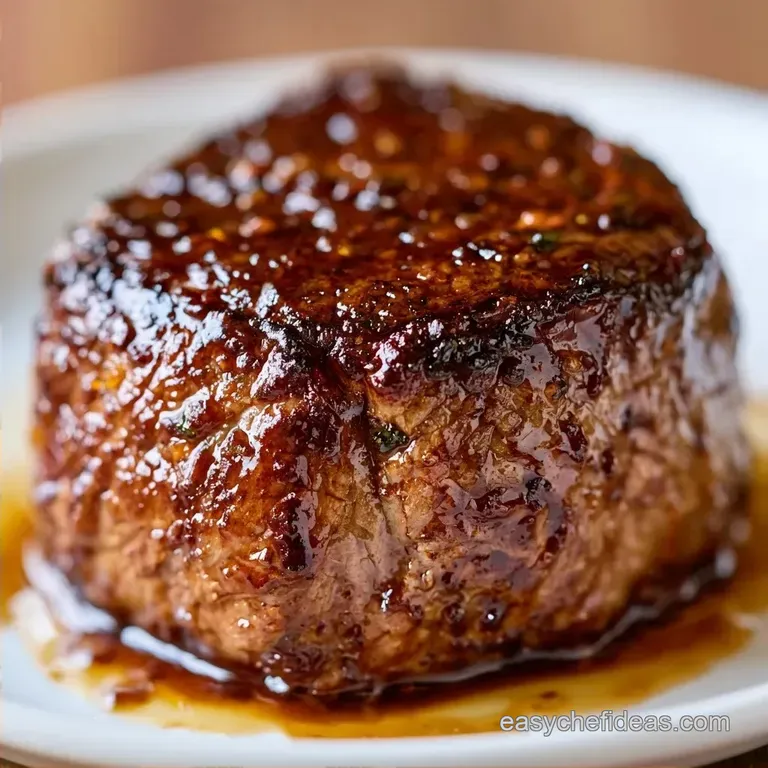
- Time: 10 min active + 40 min marinating = Total 62 mins
- Flavor/Texture Hook: Glossy, shattered sugar crust with a velvety center
- Perfect for: Date nights or celebrating a win without spending 4 hours in the kitchen
That first crackle when the meat hits the hot cast iron is the sound of victory. I remember the first time I tried a sugar based glaze on a high end cut, and I absolutely scorched it.
The pan was too hot, the sugar turned into bitter charcoal in seconds, and I spent the rest of the night eating a very expensive piece of burnt carbon.
But once I figured out the heat management, everything changed. The magic happens when the sugar doesn't just burn, but transforms into a sticky, mahogany lacquer. This Brown Sugar Filet is all about that contrast, where the salty soy sauce cuts through the sweetness to nourish the palate.
You're going to get a steak that looks like it came from a professional kitchen, but it's actually a very simple process. We're building flavors in stages, starting with a deep marinade and finishing with a luxurious butter baste. It's a quick win that feels incredibly indulgent.
Brown Sugar Filet: The Sweet Sear
The key here is how we layer the flavors. We don't just throw sugar on a steak; we create a brine like marinade that penetrates the meat. This ensures the interior is seasoned while the exterior handles the heavy lifting of the caramelization.
Right then, let's talk about the actual process. Because we're using a lean cut like filet mignon, we have to be careful not to overcook the center. The sugar acts as a shield, creating a crust that locks in the feel of the meat while adding a complex, sweet and salty profile.
Trust me on this, the resting period is non negotiable. If you cut into this Brown Sugar Filet the moment it leaves the pan, all that velvety juice will run across your plate, leaving the meat dry. Give it ten minutes, and the fibers will relax, keeping the center tender.
The Secret to the Crust
The reason this works isn't magic, it's just a bit of kitchen logic. Here is how the flavors and textures actually happen:
- Sugar Caramelization: The brown sugar melts and bonds with the proteins, creating a dark, glossy shell.
- Umami Synergy: Soy and Worcestershire sauces provide glutamates that deepen the natural beefiness.
- Fat Saturation: Basting with butter at the end adds a nutty layer and helps conduct heat evenly.
- Acid Balance: A splash of lemon juice at the end cuts through the richness, brightening the whole dish.
Since we are dealing with high heat and sugar, the method of cooking changes the result. You can't just treat it like a plain ribeye.
| Method | Time | Texture | Best For |
|---|---|---|---|
| Cast Iron | 12 mins | Shattered crust | Maximum flavor |
| Outdoor Grill | 15 mins | Smoky & charred | Summer parties |
| Oven Finish | 20 mins | Consistent edge | Extra thick cuts |
Looking at this, the cast iron is the way to go for that specific lacquer finish. It holds the heat better than almost anything else, which is vital for that "steakhouse" result.
Ingredient Role Breakdown
To really get this right, you have to understand what each part of the marinade is doing. It's not just a random mix of pantry staples; it's a calculated balance.
| Ingredient | Science Role | Pro Secret |
|---|---|---|
| Brown Sugar | Glaze Agent | Use dark brown sugar for a deeper, molasses like taste |
| Soy Sauce | Salt/Umami | Low sodium version prevents the steak from tasting like a salt lick |
| Unsalted Butter | Emulsifier | Cold butter creates a thicker foam for better basting |
| Lemon Juice | PH Balancer | Added at the very end to "wake up" the heavy fats |
The Shopping List
Grab these ingredients. Honestly, don't even bother with low-fat substitutes here, as the fat is what carries the flavor.
- 2 lb filet mignon Why this? Lean, tender, and holds the glaze beautifully
- 1/4 cup brown sugar Why this? Provides the caramelization and sweetness
- 2 tbsp soy sauce Why this? Adds salt and an earthy depth
- 2 tbsp Worcestershire sauce Why this? Adds tangy, fermented complexity
- 1 tbsp olive oil Why this? Prevents sticking and conducts heat
- 2 cloves garlic, minced Why this? Pungent aromatic base
- 1 tsp coarse black pepper Why this? Sharp heat to contrast the sugar
- 1/2 tsp salt Why this? Enhances all other flavors
- 2 tbsp unsalted butter Why this? For the velvety finishing baste
- 1 tbsp fresh lemon juice Why this? Brightness to cut the richness
- 1 sprig fresh rosemary or thyme Why this? Woody aroma for a classic finish
If you're missing something, don't panic. You can swap the soy sauce for coconut aminos if you're avoiding soy, though it's slightly sweeter. For the herbs, if you don't have fresh rosemary, a pinch of dried thyme works, but it won't have that same fresh, foresty scent.
Making the Steak
Let's crack on with the actual cooking. Make sure your meat is patted dry, or you'll steam the steak instead of searing it. According to Serious Eats, surface moisture is the enemy of a great crust.
Preparing the Meat
- Pat dry the filets using paper towels to remove all surface moisture. Note: Dry meat sears faster
- In a small bowl, whisk together brown sugar, soy sauce, Worcestershire sauce, olive oil, minced garlic, pepper, and salt until sugar is mostly dissolved.
- Coat the steaks in the marinade and let them rest at room temperature for at least 30 minutes.
Searing for the Crust
- Heat a cast iron skillet or heavy bottomed stainless steel pan over medium high heat until a drop of water evaporates instantly.
- Place the filets in the pan, pressing down lightly; sear for 3-5 minutes per side until a dark, glossy crust forms.
Mastering the Finish
- Lower heat to medium and add butter and herbs; spoon the foaming butter over the steaks continuously for the final 2 minutes of cooking.
- Remove steaks from the pan when the internal temperature reaches 130°F (54°C) for medium rare. Note: Temperature is the only way to be sure
- Transfer steaks to a warm plate, pour remaining pan juices over them, and let rest for 5-10 minutes before slicing.
Chef's Tip: To get a more intense flavor, try adding a teaspoon of instant espresso powder to the marinade. It doesn't make the steak taste like coffee, but it makes the beefiness feel deeper and more "expensive."
Fixing Common Issues
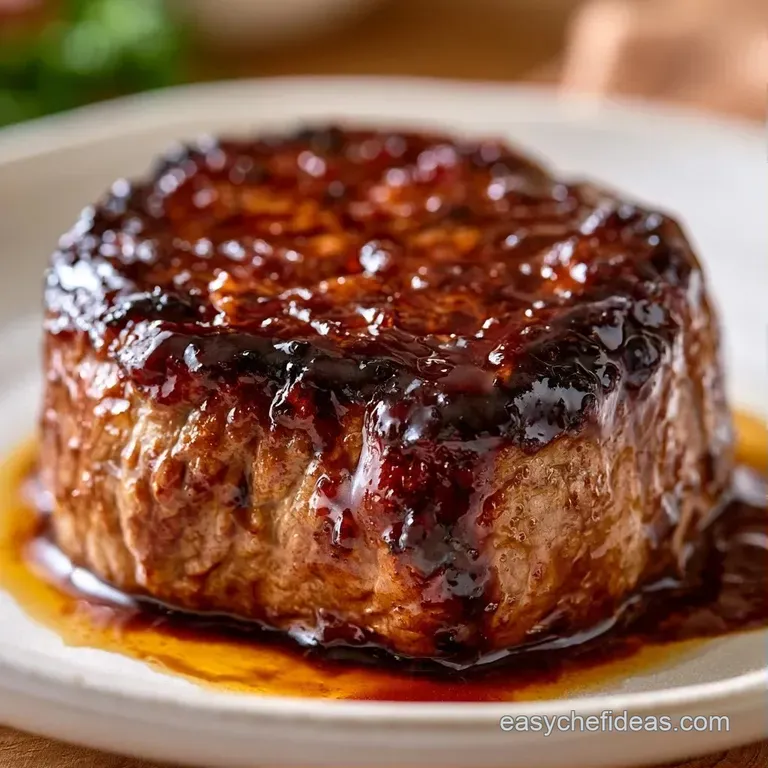
The biggest struggle with this Brown Sugar Filet is the sugar. Because sugar burns at a lower temperature than meat sears, you have to be mindful of the heat. If you see the glaze turning black instead of dark brown, pull the pan off the heat for 10 seconds.
Troubleshooting Common Issues
| Issue | Solution |
|---|---|
| Why Your Steak Is Burnt | If the crust is bitter and black, your pan was likely too hot. Sugar goes from caramelized to carbonized very quickly. Lower the heat and use a bit more butter to buffer the temperature. |
| Why Your Steak Is Grey | A grey band around the edge means the meat was too cold when it hit the pan. This prevents the sear from happening quickly enough, causing the meat to cook through before the crust forms. |
| Why Your Steak Is Dry | This usually happens when people skip the rest or overcook past 135°F. The fibers tighten up and squeeze out the juices. |
- ✓ Use a meat thermometer for 130°F accuracy.
- ✓ Pat the meat bone dry before marinating.
- ✓ Use a heavy pan to maintain consistent heat.
- ✓ Don't move the steak constantly; let the crust set.
Adjusting Portion Sizes
If you're cooking for a crowd or just yourself, you can scale this easily. However, don't just multiply everything linearly, or you'll end up with a salt bomb.
For smaller portions (1 lb), keep the marinade the same but reduce the butter to 1 tbsp. You'll need a smaller pan so the butter doesn't just spread out and burn.
For larger batches (4 lb+), work in batches. If you crowd the pan, the temperature will drop, the meat will release juices, and you'll end up boiling your Brown Sugar Filet instead of searing it. Increase the marinade by 1.5x, but don't double the salt.
If you're looking for a budget friendly version of this, you can use a different cut.
| Premium Cut | Budget Alternative | Impact | Savings |
|---|---|---|---|
| Filet Mignon | Sirloin | Chewier texture | High |
| Filet Mignon | Ribeye | More fat, richer taste | Medium |
| Filet Mignon | Top Sirloin | Leaner, less tender | High |
Busting Steak Beliefs
You've probably heard that searing meat "seals in the juices." This is actually a myth. Moisture loss happens regardless of how you sear the meat. The crust is actually for flavor and texture, not for trapping liquid inside.
Another one is that you should salt meat right before cooking. For this recipe, the marinade does the work. The salt in the soy and Worcestershire penetrates the meat over those 30 minutes, seasoning it deeply rather than just on the surface.
Storage and Scraps
If you have leftovers, store them in an airtight container in the fridge for up to 3 days. To reheat, avoid the microwave, which will turn the steak into rubber. Instead, put it in a pan over low heat with a knob of butter for 2 minutes.
For the freezer, wrap the cooked steak in foil and then a freezer bag for up to 2 months. Thaw it in the fridge overnight before reheating.
Don't throw away the pan drippings! That leftover glaze is liquid gold. I often whisk it into a quick pan sauce with a splash of red wine or beef broth. If you're making a full meal, this richness pairs great with a Sourdough Garlic Bread to soak up the extra sauce.
Best Side Pairings
Because this Brown Sugar Filet is so rich and sweet, you need sides that offer acidity or bitterness to balance the plate. A sharp arugula salad with lemon vinaigrette or roasted Brussels sprouts with a balsamic glaze are great choices.
For something more filling, a side of Homemade Baked Beans adds a smoky, savory element that complements the brown sugar glaze. If you want to keep it light, steamed asparagus with a pinch of sea salt provides a clean, fresh contrast to the velvety steak.
Right then, you're all set. Just remember: heat the pan, trust the thermometer, and for the love of all things tasty, let that meat rest. Enjoy!
Recipe FAQs
What does brown sugar do to steak?
It creates a caramelized, glossy crust. The sugar reacts with the heat to form a dark, sweet exterior that balances the savory soy and Worcestershire sauces.
How to make the brown sugar glaze?
Whisk brown sugar, soy sauce, Worcestershire sauce, olive oil, minced garlic, pepper, and salt. If you loved the sweet savory balance here, see how we use a similar flavor profile in our sweet and sour sauce.
How to get a shiny, glossy glaze on the steak?
Sear the filets for 3 5 minutes per side on medium high heat. This process caramelizes the sugar and creates a reflective, dark finish on the meat.
Why is my steak burnt or bitter?
Your pan was likely too hot. Sugar transitions from caramelized to carbonized very quickly, so lower the heat and add more butter to buffer the temperature.
Why is there a grey band around my steak?
The meat was too cold when it hit the pan. This prevents a quick sear, causing the meat to cook through before the crust can form.
How to reheat leftover steak?
Heat in a pan over low heat with butter for 2 minutes. Avoid the microwave, as it will turn the meat rubbery.
How to prevent the steak from drying out?
Rest the meat for 5 10 minutes before slicing. Skipping this period or cooking the internal temperature past 130°F for medium rare often results in dry steak.
Brown Sugar Filet Steak