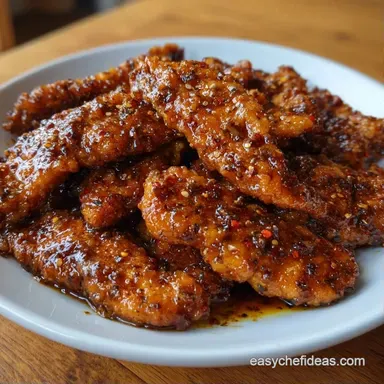
Black Pepper Chicken Stir Fry: Tender and Glossy
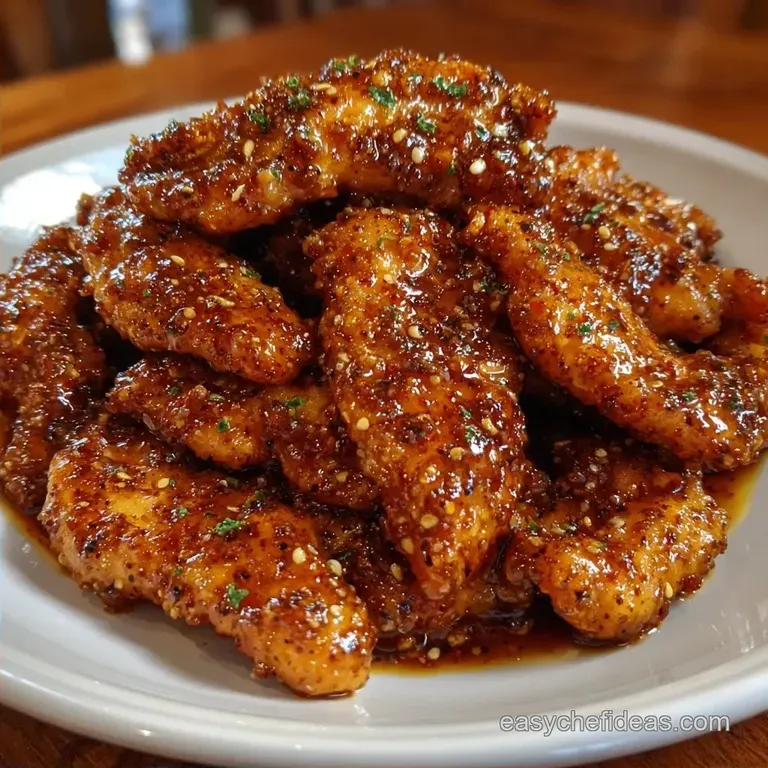
- Time: 15 min active + 12 min cooking
- Flavor/Texture Hook: Velvety chicken with a sharp, peppery bite
- Perfect for: Fast weeknight dinners or high protein meal prep
- Black Pepper Chicken Stir Fry
- The Secret to Silky Meat
- Essential Recipe Specs
- Essential Flavor Components
- The Required Gear
- Step-by-Step Cooking Guide
- Solving Common Cooking Errors
- Troubleshooting Common Issues
- Tasty Twists and Swaps
- Adjusting the Portions
- Debunking Stir Fry Myths
- Keeping and Reheating Leftovers
- Best Side Dish Ideas
- High in Sodium
- Recipe FAQs
- 📝 Recipe Card
The first thing that hits you isn't the heat, but that sharp, woody crack of toasted black pepper hitting a searing hot pan. It's a smell that fills every corner of the kitchen, instantly making the house feel cozy and alive.
I remember the first time I tried making this for a group of friends, I used pre ground pepper from a shaker. It tasted like dusty cardboard and had zero punch. I almost gave up on the dish entirely.
But then I discovered the magic of coarsely ground peppercorns. The difference is night and day. When you use coarse pepper, you get these little bursts of heat that cut through the savory soy and oyster sauce. This Black Pepper Chicken Stir Fry isn't just a meal, it's a lesson in how a single ingredient, handled correctly, can change the entire profile of a dish.
You can expect a meal where the chicken is silky, the vegetables still have a satisfying shatter when you bite into them, and the sauce is thick enough to coat every single piece without pooling at the bottom of the plate. It's honest, hearty food that nourishes the soul and respects the ingredients.
Black Pepper Chicken Stir Fry
The beauty of this dish lies in its simplicity and the diversity of flavors. We're blending the deep umami of oyster sauce with the rustic heat of black pepper. It's a combination often found in Cantonese style cooking, where the goal is to highlight the natural freshness of the vegetables while giving the meat a protective, velvety layer.
When you're cooking this, don't rush the searing process. That golden brown crust on the chicken is where the depth comes from. If you crowd the pan, the meat will steam instead of sear, and you'll lose that essential charred flavor. Trust the sizzle and give the chicken room to breathe.
Whether you're serving this over a bed of steamed rice or pairing it with Homemade Dumplings for a full feast, the key is the timing. Everything happens fast once the heat is on, so having your sauce mixed and your veggies chopped is the only way to survive the process without stress.
The Secret to Silky Meat
I used to wonder why restaurant chicken always felt so smooth, while mine felt like chewing on a rubber band. It turns out there's a specific technique called "velveting" that makes all the difference.
Cornstarch Shield: The starch creates a physical barrier around the meat, locking in juices and preventing the protein from tightening up too much.
Soy Salt Brine: The soy sauce in the marinade slightly breaks down the muscle fibers, which allows the chicken to remain tender even under high heat.
Over High heat Searing: Fast cooking prevents the interior from overcooking while the outside gets that beautiful, caramelized color.
Sugar Balance: The brown sugar doesn't just add sweetness, it helps the sauce thicken and stick to the chicken in a glossy layer.
| Method | Time | Texture | Best For |
|---|---|---|---|
| Stovetop | 12 min | Velvety & Sizzled | Fast weeknights |
| oven-roasted | 25 min | Tender & Uniform | Large crowds |
Essential Recipe Specs
To get this right, you need to be precise with your prep. Stir frying is more about the preparation than the actual cooking. If you start chopping while the oil is heating, you've already lost the battle.
The total time is a lean 27 minutes. This includes 15 minutes of prep and a 12 minute cook time. Most of that prep is simply slicing the chicken and whisking the sauce. The 10 minute marination period is a non negotiable step if you want that silky texture.
The yield is 4 generous servings. If you're meal prepping for the week, this holds up incredibly well, though the broccoli might lose a bit of its shatter after a few days in the fridge.
Essential Flavor Components
Understanding what each ingredient does helps you adjust the recipe on the fly. For instance, if you find it too spicy, you can bump up the brown sugar. If it needs more depth, a splash more oyster sauce does the trick.
| Ingredient | Science Role | Pro Secret |
|---|---|---|
| Cornstarch | Texture Agent | Use just enough to coat, not a thick paste |
| Coarse Black Pepper | Flavor Driver | Toast the pepper in oil for 10 seconds first |
| Oyster Sauce | Umami Base | Look for brands with a thick, syrupy consistency |
| Brown Sugar | Glaze Stabilizer | Dark brown sugar adds a hint of molasses |
Right then, let's look at the actual list. I've included some substitutes because I know not everyone has oyster sauce sitting in the pantry.
- 1 lb chicken breast, thinly sliced into bite sized strips Why this? Lean protein that absorbs the marinade well
- Substitute: Chicken thighs (same amount). Note: Richer flavor but higher fat.
- 1 tbsp soy sauce (for marinade) Why this? Adds salt and depth
- Substitute: Tamari. Note: gluten-free option with similar saltiness.
- 1 tbsp cornstarch Why this? Essential for the velveting effect
- Substitute: Arrowroot powder. Note: Gives a slightly clearer glaze.
- 1 tbsp vegetable oil Why this? High smoke point for searing
- Substitute: Grapeseed oil. Note: Very neutral flavor and high heat.
- 1/4 cup chicken stock Why this? Thins the sauce without losing flavor
- Substitute: Water. Note: Lacks depth, add a pinch of salt.
- 2 tbsp soy sauce (for sauce) Why this? Core savory element
- Substitute: Coconut aminos. Note: Sweeter and lower sodium.
- 1 tbsp oyster sauce Why this? Provides the characteristic glossy thickness
- Substitute: Hoisin sauce. Note: Much sweeter, reduce brown sugar.
- 1 tbsp brown sugar Why this? Balances the pepper's heat
- Substitute: Honey. Note: Thicker and more floral notes.
- 1 tbsp coarsely ground black pepper Why this? The star of the show
- Substitute: Fine pepper. Note: Much more aggressive, use 2 tsp instead.
- 1 tsp sesame oil Why this? Adds a toasted, nutty aroma
- Substitute: Toasted peanut oil. Note: Similar nuttiness.
- 1 large onion, sliced into wedges Why this? Adds sweetness and bulk
- Substitute: Shallots. Note: More refined, sweeter flavor.
- 1 large bell pepper, sliced Why this? Provides color and a fresh crunch
- Substitute: Snap peas. Note: Adds a different, snappier texture.
- 1 cup broccoli florets Why this? Absorbs the sauce in the crevices
- Substitute: Bok choy. Note: Softer, more watery leaf.
- 3 cloves garlic, minced Why this? Essential aromatic base
- Substitute: Garlic powder. Note: Use 1 tsp; lacks the fresh zing.
- 1 tsp fresh ginger, grated Why this? Adds a bright, spicy contrast
- Substitute: Ground ginger. Note: Use 1/2 tsp; less pungent.
The Required Gear
You don't need a professional kitchen to nail this, but a few tools make it easier. While a wok is the traditional choice, a large non stick skillet works just fine as long as you don't overload it.
A sharp chef's knife is your best friend here. Slicing the chicken against the grain is the secret to making it tender. If you cut with the grain, you're just creating long, chewy fibers that no amount of cornstarch can fix.
I also recommend a stainless steel whisk for the sauce. It ensures the brown sugar and cornstarch are fully dissolved, so you don't end up with weird gritty clumps in your final glaze.
Step-by-step Cooking Guide
Follow these steps closely. The timing is tight, so have your ingredients in small bowls ready to go. According to Serious Eats, maintaining high heat is the key to preventing the vegetables from stewing in their own liquid.
Phase 1: Prep and Marinate
Whisk together 1 tablespoon soy sauce and 1 tablespoon cornstarch in a bowl. Toss in the chicken strips until well coated and let marinate for 10 minutes. Note: This is the "velveting" stage that ensures the meat doesn't toughen.
Phase 2: Searing the Protein
Heat vegetable oil over medium high heat in a non stick skillet or wok. Add chicken in a single layer and sear without moving for 2 minutes, until a golden brown crust forms, then stir fry for another 2 minutes until cooked through.
Remove chicken from the pan and set aside. Note: If the pan isn't sizzling, wait another minute before adding the meat.
Phase 3: The Aromatics and Veggies
In the same pan, add the sliced onion, bell pepper, and broccoli. Sauté for 3-4 minutes until the colors are bright and the onion is translucent. Stir in minced garlic and grated ginger, cooking for 30 seconds until the aroma becomes pungent and fragrant.
Phase 4: The Final Glaze
Return the cooked chicken to the pan. Pour in the mixture of chicken stock, soy sauce, oyster sauce, brown sugar, black pepper, and sesame oil. Toss constantly for 1-2 minutes until the sauce reduces into a thick, glossy coating that clings to the chicken and vegetables.
Chef's Note: If you want an extra punch of flavor, add a teaspoon of butter at the very end. It emulsifies with the sauce and creates a velvety finish that rivals any restaurant.
Solving Common Cooking Errors
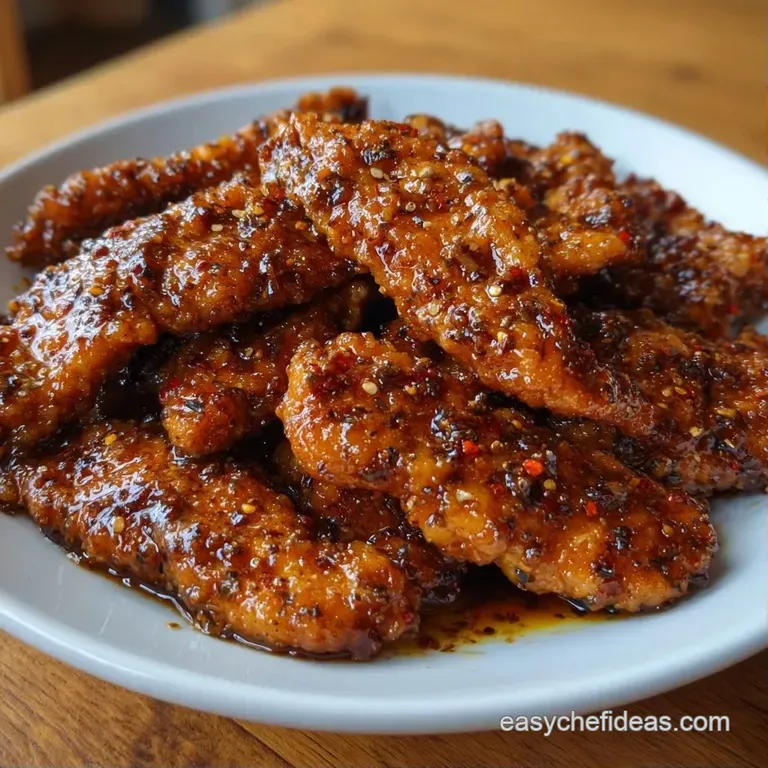
Even the best of us hit a snag sometimes. Most stir fry issues come down to temperature control or overcrowding the pan.
Troubleshooting Common Issues
| Issue | Solution |
|---|---|
| Why Your Chicken is Rubbery | If you overcook the chicken or don't let it marinate, the proteins tighten up. |
| Why Your Sauce is Too Thin | This usually happens if the sauce didn't reduce enough or if you used too much chicken stock. |
| Why Your Veggies are Soggy | Soggy vegetables happen when there's too much moisture in the pan, often caused by overcrowding. |
Common Mistakes Checklist
- ✓ Did you slice the chicken against the grain?
- ✓ Did you let the chicken sear undisturbed for 2 minutes?
- ✓ Is the pepper coarsely ground rather than fine powder?
- ✓ Did you remove the chicken before sautéing the veggies?
- ✓ Did you whisk the sauce thoroughly to remove sugar clumps?
Tasty Twists and Swaps
This recipe is a great canvas for creativity. If you're feeling adventurous, you can shift the flavor profile slightly while keeping the core technique the same.
For a spicy kick, add some sliced Thai bird's eye chilies along with the garlic and ginger. This gives the dish a sharper, more immediate heat that complements the slow burn of the black pepper.
If you prefer a low sodium version, use coconut aminos and a low sodium soy sauce, though you might need to add a pinch of salt to keep the flavors popping.
If you want a plant based swap, extra firm tofu works beautifully. Just press the tofu to remove excess water, cube it, and toss it in the same cornstarch soy marinade. Note that tofu doesn't need as much cooking time as chicken, so sear it until golden and then set it aside.
For those who love carbs, this is incredible as a Black Pepper Chicken Stir Fry with Noodles. Simply boil some thick udon or wide rice noodles, and toss them into the pan during the final glazing phase. The noodles soak up that peppery sauce, making the dish feel much more substantial.
Adjusting the Portions
When you're scaling this recipe, you can't just multiply everything by two and expect it to work. The physics of the pan change when you add more volume.
Scaling Down (1/2 Batch) Use a smaller skillet to keep the heat concentrated. Reduce the cooking time for the vegetables by about 20% since they'll heat through faster in a smaller pile. For the marinade, whisk one egg separately and use half to keep the consistency right.
Scaling Up (2x-4x Batch) This is the most important rule: work in batches. If you put 4 lbs of chicken in one pan, the temperature will drop, the meat will release juices, and you'll end up boiling the chicken instead of searing it.
Cook the chicken in three separate rounds, remove them, then do the same with the vegetables.
When combining everything for the final glaze, only increase the salt and spices to about 1.5x instead of 2x. Liquids can be scaled linearly, but salt and pepper can become overwhelming very quickly in larger volumes.
Debunking Stir Fry Myths
There are a few things people tell you about stir frying that just aren't true. Let's set the record straight.
Myth: You must have a wok to get "Wok Hei" While a wok helps, you can get a similar result in a cast iron skillet or a high-quality non stick pan. The "breath of the wok" is really just the result of high heat and constant motion, both of which are possible in a skillet.
Myth: Searing meat seals in the juices Searing doesn't actually create a waterproof seal. Moisture loss happens throughout the cooking process. However, searing creates a complex layer of flavor through browning, which makes the meat taste better even if some moisture is lost.
Myth: You should add cornstarch to the oil Never do this. Cornstarch will burn almost instantly in hot oil, leaving you with bitter black specks. Always mix your starch into a cold liquid marinade or sauce before it hits the pan.
Keeping and Reheating Leftovers
Stir fries are fantastic for meal prep, but they can go from velvety to mushy if not stored correctly.
Storage Guidelines Store the leftovers in an airtight glass container in the fridge for up to 3 days. If you're freezing it, you can keep it for up to 2 months. Note that the broccoli may lose some of its structural integrity after freezing and thawing.
The Reheating Secret To avoid the "microwave mush" effect, reheat the dish in a skillet over medium heat with a tiny splash of water or chicken stock. This loosens the glaze and brings back the sizzle. If you must use a microwave, use a lower power setting and stir every 60 seconds.
Zero Waste Tips Don't toss your broccoli stems! Peel the tough outer skin, slice the tender inner core into thin rounds, and toss them in with the other vegetables. They have a wonderful crunch that's often better than the florets themselves.
Any leftover marinade can be simmered in a small pot until thickened and used as a glaze for roasted carrots.
Best Side Dish Ideas
While this dish is a star on its own, it loves a supporting cast. The sharpness of the pepper needs something to balance it out.
The classic pairing is, of course, steamed jasmine rice. The neutral, floral notes of the rice provide a resting place for your palate between the bold, peppery bites. If you want something more indulgent, try serving it alongside a Creamy Tuscan Garlic Sauce drizzled over some sautéed spinach for a rich, fusion style contrast.
For those looking for a lighter option, a side of smashed cucumber salad with rice vinegar and sesame oil provides a cooling, acidic crunch that cuts right through the richness of the oyster sauce.
If you're hosting a dinner party, a few sides of steamed bok choy with a hint of ginger and garlic will keep the meal feeling fresh and balanced.
High in Sodium
1080 mg 1,080 mg of sodium per serving (47% 47% of daily value)
The American Heart Association recommends a daily limit of no more than 2,300 mg of sodium to maintain heart health and reduce the risk of hypertension.
Tips to Reduce Sodium
-
Swap the Stock-30%
Replace regular chicken stock with low-sodium or no-salt added chicken stock to cut a significant portion of the salt.
-
Low-Sodium Soy Sauce-20%
Substitute standard soy sauce with low-sodium soy sauce or coconut aminos in both the marinade and the sauce.
-
Modify Oyster Sauce-20%
Use a reduced sodium oyster sauce or replace a portion of it with a touch of tomato paste and a drop of honey for similar richness.
-
Enhance Aromatics
Increase the amount of fresh ginger and minced garlic to provide a bold flavor profile that reduces the craving for salt.
Recipe FAQs
How to prevent the chicken from becoming rubbery?
Marinate the chicken for 10 minutes and avoid overcooking. The soy sauce and cornstarch create a protective coating that keeps the meat tender during high heat frying.
Why is my stir fry sauce too thin?
Reduce the sauce for an additional minute or use slightly less chicken stock. The mixture must simmer until the cornstarch activates and creates a thick, glossy coating.
How to keep the vegetables crisp instead of soggy?
Sauté vegetables in a single layer and avoid overcrowding the pan. Overcrowding releases excess moisture, which steams the produce instead of searing it.
Is it true that I must slice the chicken with the grain for tenderness?
No, this is a common misconception. Slicing against the grain is essential to break up the muscle fibers, ensuring each bite is tender.
How to adapt this recipe for salt and pepper chicken?
Increase the black pepper and reduce the brown sugar. If you enjoyed the flavor layering technique here, see how the same principle works in this homemade seasoning blend.
How to get a professional sear on the chicken?
Let the chicken sear undisturbed for 2 minutes. Moving the meat too early prevents the development of a brown crust and rich flavor.
Can I substitute chicken breast with chicken thighs?
Yes, chicken thighs work perfectly. They contain more fat than breasts, making them more juicy and less likely to dry out during the stir fry process.
Black Pepper Chicken Stir Fry