Viral Homemade Doner Kebab Recipe
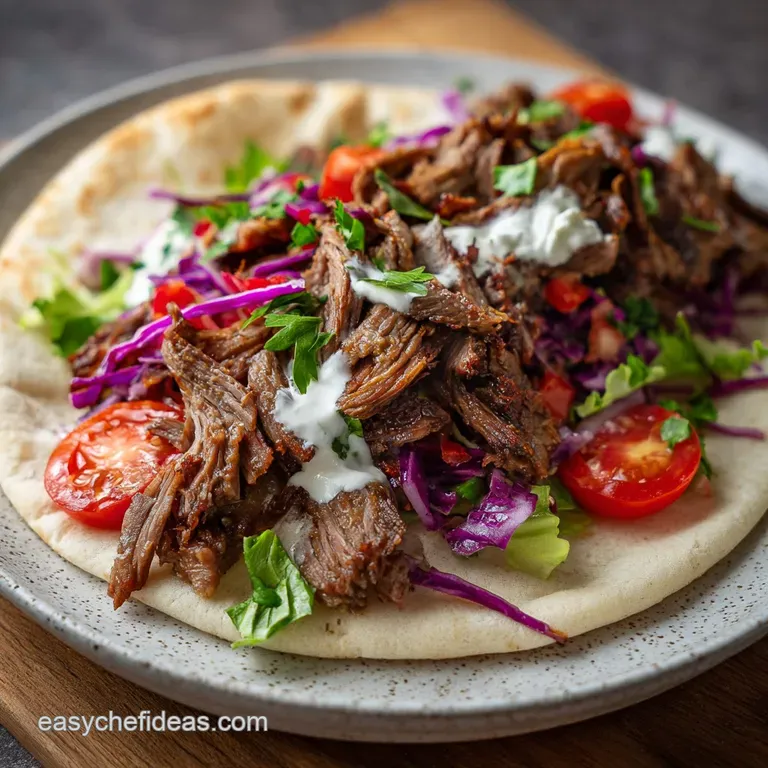
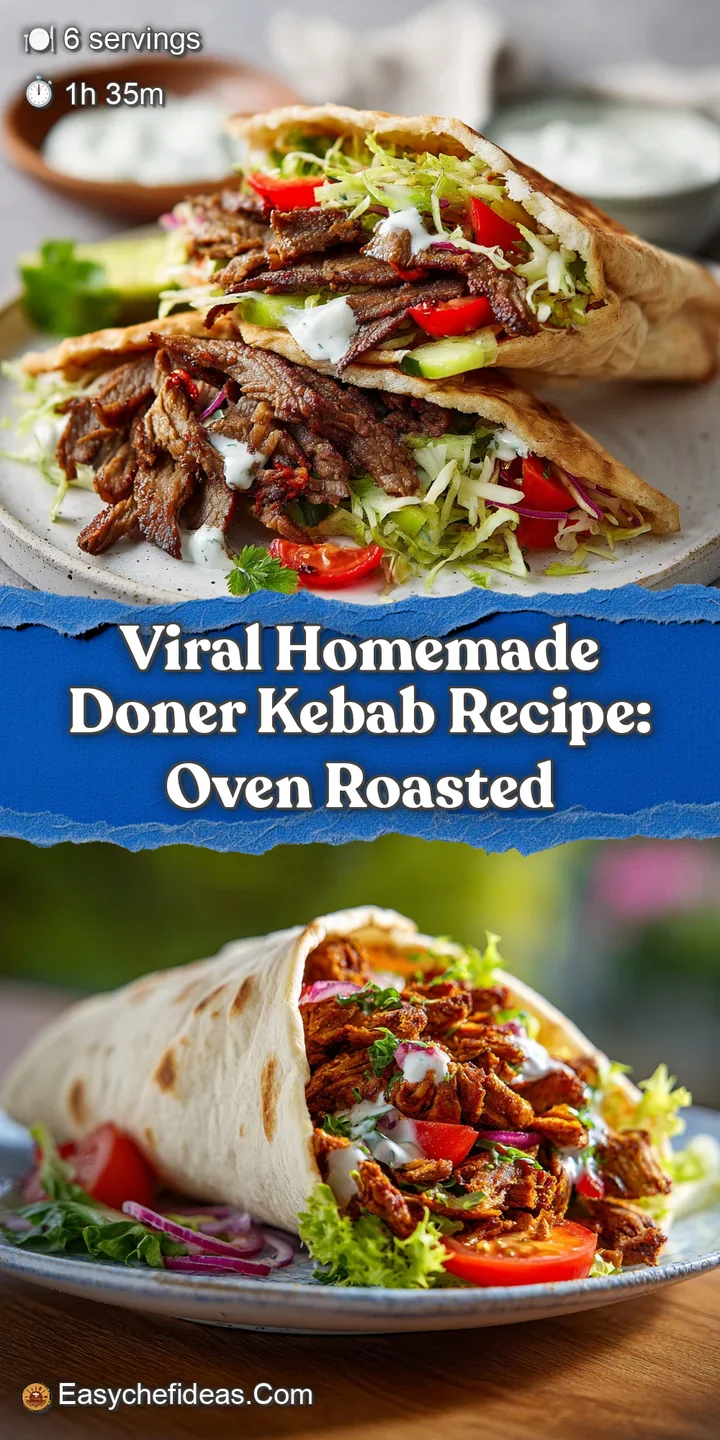
- Time: Active 20 minutes, Passive 1 hours 15 mins, Total 1 hours 35 mins
- Flavor/Texture Hook: Velvety, spiced meat with charred, crispy edges
- Perfect for: Weekend family feasts or impressive meal prep
- Reimagining the Viral Homemade Doner Kebab Recipe
- Science Behind the Succulent Texture
- Components for Your Homemade Masterpiece
- Tools Needed for Kebab Success
- From Prep to Savory Plate
- Solving Common Doner Kebab Issues
- Customizing Flavors for Your Table
- Myths About Homemade Kebab
- Freshness Tips and Leftover Ideas
- Perfect Pairings for Your Feast
- High in Sodium
- Recipe FAQs
- 📝 Recipe Card
Reimagining the Viral Homemade Doner Kebab Recipe
Picture this: it’s 11 PM, the air is crisp, and the irresistible, heavy scent of roasting lamb fat and earthy cumin wafts from the corner shop. We’ve all been there, standing in line for that perfectly shaved, salty, savory goodness.
For years, I thought that specific texture the way the meat holds together in thin, supple ribbons was a professional secret involving massive vertical spits and industrial heaters. My early attempts at home were basically just long, sad meatloafs that crumbled the moment a knife touched them.
It was frustrating, but I knew there had to be a way to nourish that kebab craving in my own kitchen.
Then I stumbled upon the technique that changed everything. It’s not just about the spices; it’s about the physics of the meat itself. By treating the ground meat more like a sausage dough than a burger patty, and using the "parchment paper compression" trick, the result is a revelation.
When you pull that tightly wrapped cylinder out of the oven, the aroma of smoked paprika and toasted coriander is so intense it practically coats the walls. It’s a sensory trip back to those late night city streets, but with the quality and care of home cooking.
The first time I served this to friends, the room went silent. You know that silence the one where everyone is too busy inhaling their food to speak? We piled the thinly sliced meat onto warm flatbreads, drizzled it with that sharp garlic yogurt, and it felt like a true celebration of culture and flavor.
This isn't just a meal; it’s about bringing that diverse, vibrant street food energy into our homes to nourish our favorite people. Trust me on this, once you nail the texture, you’ll never look at a takeaway menu the same way again.
Science Behind the Succulent Texture
To get this right, we have to look at how meat behaves under pressure and heat. It’s a fascinating bit of kitchen chemistry that turns humble ground meat into something extraordinary.
- Protein Emulsification: Kneading the meat with salt breaks down the muscle fibers (myosin), allowing them to link together into a tight, springy matrix that doesn't crumble when sliced.
- Onion Osmosis: The enzymes in the onion paste act as a natural tenderizer, while the moisture helps the beef and lamb proteins slide together more easily during the mixing phase.
- Fat Distribution: Using a 20% fat ratio ensures that as the collagen melts, it bakes back into the meat, creating a velvety mouthfeel rather than a dry, grainy one.
- Thermal Compression: Tight wrapping in parchment paper and foil forces the expanding meat to densify, mimicking the weight of a traditional vertical kebab stack.
| Method | Time | Texture | Best For |
|---|---|---|---|
| Oven Roast | 1 hours 15 mins | Dense, uniform, juicy | Large groups and authentic thin slices |
| Stovetop Sear | 15 minutes | Loose, crispy, charred | Quick weeknight cravings (use loose meat) |
| Air Fryer | 45 minutes | Extra crispy exterior | Small batches with intense "shatter" edges |
The Oven Roast method is the gold standard for the Viral Homemade Doner Kebab Recipe because it provides the heat penetration needed for that signature shaveable consistency.
Components for Your Homemade Masterpiece
Choosing the right elements is where the culture of the dish truly shines. We aren't just throwing things in a bowl; we are building layers of flavor.
| Component | Science Role | Pro Secret |
|---|---|---|
| 20% Fat Meat | Provides moisture and "glue" | Mix lamb and beef for the most authentic flavor profile |
| Drained Onion Paste | Tenderizes without adding excess water | Squeeze the paste in a cloth to prevent a soggy, steamed texture |
| Fine Sea Salt | Extracts myosin for binding | Weigh your salt precisely to ensure the meat "sets" properly |
| Greek Yogurt | Acids soften the protein | Always use full fat for a silky, rich sauce finish |
The Essential Ingredient List
- 500g ground lamb (20% fat) Why this? Essential for that specific, savory takeaway aroma.
- 500g ground beef (20% fat) Why this? Adds structure and a robust meaty base.
- 1 large white onion, processed to paste and drained
- 4 cloves garlic, minced
- 2 tsp fine sea salt
- 1 tsp black pepper
- 2 tsp smoked paprika
- 1 tsp ground cumin
- 1 tsp ground coriander
- 1 tsp dried oregano
- 0.5 tsp cayenne pepper
- 200g full fat Greek yogurt
- 2 cloves garlic, grated (for sauce)
- 1 tsp lemon juice
- 1 tbsp fresh parsley, finely chopped
- 1 pinch salt
Ingredient Swaps
| Original Ingredient | Substitute | Why It Works |
|---|---|---|
| Ground Lamb | Ground Dark Turkey | High fat content keeps it moist. Note: Lacks traditional gamey flavor. |
| Smoked Paprika | Liquid Smoke (3 drops) | Provides that "charcoal grill" scent without the red color. |
| Greek Yogurt | Labneh | Even thicker and more tart. Note: Harder to drizzle, better as a dollop. |
Adding a side of spiced rice can make this a full meal, much like the base of a good Murgh Curry Recipe where the grains soak up all those incredible meat juices.
Tools Needed for Kebab Success
You don't need a rotating spit, but a few specific items will make your life a lot easier and the results much better.
- Food Processor: This is non negotiable for getting the onion to a paste and "whipping" the meat mixture into an emulsified state. A standard model like a Cuisinart works perfectly.
- Parchment Paper: This creates the initial barrier that keeps the juices close to the meat.
- Heavy Duty Aluminum Foil: You need this for the second layer of wrapping to ensure the roll stays tight and doesn't burst under the pressure of the steam.
- Baking Tray with Rack: Elevating the meat allows the hot air to circulate 360 degrees, ensuring even cooking.
- Instant Read Thermometer: To ensure the center reaches the safe and succulent 75°C mark.
From Prep to Savory Plate
Let’s get into the process. Remember, the goal here is to transform individual grains of meat into a solid, cohesive block of flavor.
- Process the onion. Pulse the onion until it’s a total slurry. Note: This releases the juices that tenderize the meat.
- Drain the liquid. Place the onion paste in a fine mesh sieve or cheesecloth and squeeze hard. Stop when no more liquid drips.
- Whip the meat. Combine the beef, lamb, onion, and all spices in a stand mixer or food processor. Process for 2-3 mins until the meat looks like a pale, sticky paste.
- Check the aroma. At this stage, you should smell the sharp, earthy punch of cumin and coriander filling the room. It should smell "finished" even while raw.
- Shape the cylinder. Plonk the meat onto a large sheet of parchment paper and form it into a tight log, about 10cm thick.
- The Compression Roll. Roll the parchment paper tightly around the meat, twisting the ends like a candy wrapper. Repeat this with two layers of foil, making it as tight as physically possible.
- The Controlled Roast. Place on a wire rack over a tray. Bake at 160°C for 1 hours 15 mins until the internal temperature hits 75°C.
- Rest the meat. This is vital. Let it sit in its wrapper for at least 15 minutes. Note: This allows the juices to redistribute so they don't flood out when you cut it.
- The Searing Finish. Unwrap the log. The smell of rendered lamb fat hitting the air will be savory and heavy. Slice the meat as thinly as possible with a very sharp knife.
- Crisp it up. Quickly sear the slices in a hot pan for 30 seconds per side until the edges shatter when bitten.
For a complete experience, don't forget the sauce. Mix the yogurt, grated garlic, lemon juice, and parsley. The cooling, bright scent of lemon and parsley in the yogurt provides the perfect contrast to the rich meat. If you have leftovers, they go amazingly well with a dash of Homemade Ketchup recipe for a weird but delicious fusion snack.
Solving Common Doner Kebab Issues
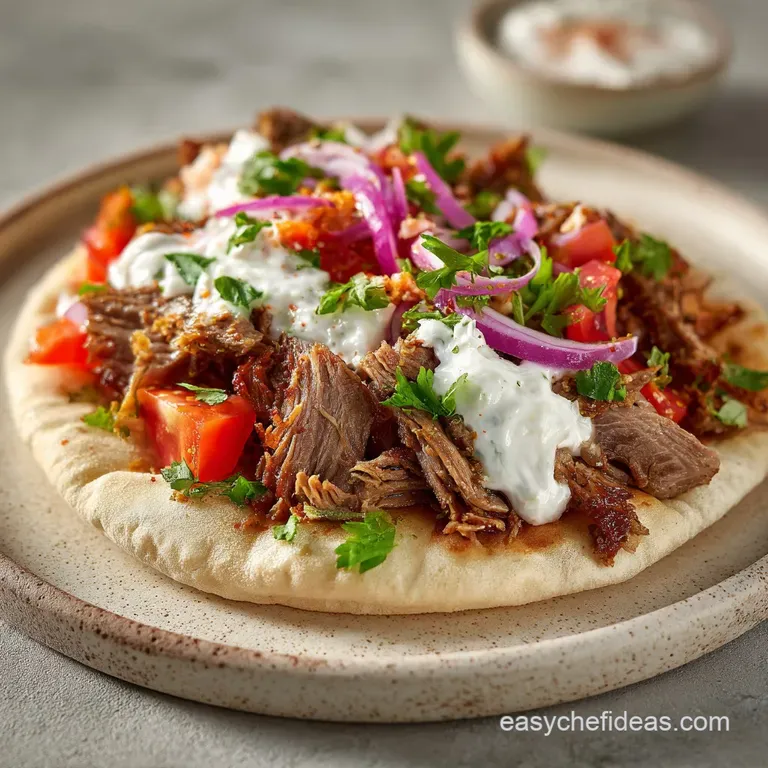
Even with a viral recipe, things can go sideways. Don't panic; it's usually a quick fix.
Why Your Kebab Is Crumbly
If your meat falls apart into "ground beef" chunks when you slice it, you didn't knead it enough. The proteins need to be physically beaten to create the bond. Next time, use a stand mixer with a paddle attachment and let it go until the mixture is tacky and holds its shape on a spoon.
Why Your Kebab Is Dry
Dryness usually comes from using meat that is too lean. If you used 5% or 10% fat beef, there isn't enough lubrication to keep the "loaf" moist. Another culprit is skipping the resting period. If you cut it hot, all the moisture escapes instantly.
| Problem | Root Cause | Solution |
|---|---|---|
| Meat is spongy | Too much onion liquid left in | Squeeze onion paste until it is almost bone dry before adding. |
| Gray, dull exterior | No final sear | Always fry the individual slices in a pan before serving to develop the Maillard reaction. |
| Overly salty | Salt not distributed | Mix the spices into the onion paste first to ensure even seasoning throughout the meat. |
Common Mistakes Checklist
- ✓ Never use extra lean meat; you need the 20% fat for the "melt in-mouth" texture.
- ✓ Don't skip the food processor step; hand mixing won't achieve the necessary emulsification.
- ✓ Wrap the foil tightly; a loose wrap leads to a crumbly, steamed texture rather than a dense roast.
- ✓ Let the meat rest for the full 15 minutes before unwrapping to lock in the juices.
- ✓ Always sear the thin slices in a pan right before serving for that "takeaway" crunch.
Customizing Flavors for Your Table
The beauty of the Viral Homemade Doner Kebab Recipe is how easily it adapts to your dietary needs or flavor preferences.
Scaling the RecipeScaling Down (½ batch): Use a smaller loaf tin to help hold the shape if you aren't confident in your wrapping. Reduce the cook time by about 20 minutes, but always check the internal temperature.
Scaling Up (2x batch): Do not just double the salt; use 1.5x the salt and spices to avoid an overpowering flavor. Cook two separate logs rather than one giant one to ensure the center cooks through before the outside dries out.
- The "Green" Kebab
- Add a cup of finely chopped fresh mint and cilantro to the meat mixture for a brighter, more Mediterranean vibe.
- Spicy Kick
- Double the cayenne pepper and add a tablespoon of Turkish red pepper paste (Biber Salçası) to the mix for a deep, lingering heat.
- Healthy Swap
- Use the air fryer for the final crisping stage. It uses less oil than a frying pan and gets the edges incredibly brittle and tasty.
Myths About Homemade Kebab
There are a lot of misconceptions floating around about how to get "authentic" results at home. Let's clear those up.
"You need a vertical rotisserie for the right texture." Actually, you just need compression. The vertical spit uses gravity and the weight of the meat to densify the stack. At home, the parchment and foil wrap does the exact same job by containing the meat as it expands.
"The red color in takeaway meat is from the meat quality." In most cases, that deep red hue comes from large amounts of paprika or even food coloring. Our recipe uses smoked paprika to get that color naturally, along with a rich, smoky flavor profile.
"Boiling the meat log first makes it juicier." This is a myth that often leads to rubbery meat. Roasting at a steady 160°C allows the fat to render slowly and baste the meat from the inside out, which is far superior for flavor development.
Freshness Tips and Leftover Ideas
Managing your leftovers is the best way to ensure nothing goes to waste while keeping the spirit of the dish alive.
Storage GuidelinesFridge: Store the cooked log (or slices) in an airtight container for up to 3 days. Keep it whole if possible to retain moisture. Freezer: This recipe freezes beautifully.
Slice the meat while cold, lay the slices on a tray to freeze individually, then bag them up. They’ll stay fresh for up to 2 months.
- The Fat Skimmings
- If you have rendered fat left in the roasting tray, don't toss it! Use it to roast potatoes the next day; the lamb and beef fat infused with spices makes for the best spuds you've ever had.
- The Crusty Ends
- The end pieces of the log can be a bit saltier or drier. Chop them finely and toss them into an omelet or a breakfast hash for a protein packed start to the day.
- Leftover Salad
- If you have a small amount of meat left, toss it into a cold pasta salad with plenty of lemon and herbs. It adds a wonderful savory depth to a light lunch.
Perfect Pairings for Your Feast
To truly nourish your guests, you need to surround the Doner meat with vibrant, fresh sides that cut through the richness of the lamb and beef.
- The Bread: Warm, pillowy pita or Turkish pide is the classic choice. Lightly toast them so they are soft enough to wrap but sturdy enough to hold the juices.
- The Crunch: A quick pickle of red cabbage with vinegar and salt provides a sharp, acidic crunch that balances the fat of the meat perfectly.
- The Freshness: A simple salad of diced cucumbers, tomatoes, and red onions with a heavy dusting of sumac adds a floral, tart note.
- The Heat: If you like it spicy, a side of pickled chillies or a dollop of harissa paste will take the flavors to a whole new level.
- For a traditional feel
- Serve with buttered rice pilaf and grilled long green peppers.
- For a modern twist
- Stuff the meat into a toasted brioche bun with slaw and plenty of garlic sauce.
- For a lighter meal
- Serve the meat over a huge bed of dark leafy greens with extra lemon juice and a sprinkle of feta cheese.
Making this Viral Homemade Doner Kebab Recipe is a journey through flavor and technique that brings people together. It’s about the culture of sharing a big, messy, delicious meal that feels like it has a story to tell. Enjoy the process, enjoy the sizzle, and most importantly, enjoy the look on everyone's faces when they take that first bite!
High in Sodium
848 mg mg of sodium per serving (37% % of daily value)
The American Heart Association recommends limiting sodium intake to about 2,300mg per day.
Tips to Reduce Sodium in This Recipe
-
Reduce Added Salt-25%
The recipe includes 2 tsp of fine sea salt in the meat mixture and a pinch in the sauce. Reduce the salt in the meat mixture by half (1 tsp) and omit the salt in the yogurt sauce entirely. You can always add salt to taste later.
-
Skip Salted Onion Paste-15%
Ensure that the processed onion paste is made from fresh onions only and doesn't have salt added to it during processing. If you buy pre-made onion paste, it likely contains a lot of salt.
-
Choose Lower Sodium Meat-10%
While ground lamb and beef aren't inherently high in sodium, some processed ground meats can have added salt. Look for options labeled 'no salt added' or 'reduced sodium' to ensure the meat itself isn't contributing excessive sodium.
-
Boost Flavor with Lemon-5%
Increase the lemon juice in the yogurt sauce from 1 tsp to 2 tsp. The acidity will enhance the flavor and reduce the need for salt.
-
Experiment with Herbs & Spices
The recipe already uses a good blend of spices. Consider adding a pinch more of the smoked paprika, cumin, coriander, oregano, or cayenne pepper to enhance the flavor profile without adding sodium.
-
Fresh Garlic-5%
Use very fresh garlic and ensure that it hasn't been pre-salted. Many pre-prepared garlic products contain salt.
Recipe FAQs
Is it necessary to use both ground lamb and beef for this recipe?
No, but it is highly recommended. The blend provides the optimal savory depth, as lamb offers traditional flavor while beef contributes structural integrity to the final log.
How to achieve the dense, shaveable texture without a vertical spit?
Wrap the mixture extremely tightly in parchment paper, followed by two layers of heavy duty foil. This compression mimics the weight of a commercial vertical cooker, forcing the proteins to bind tightly during the bake.
Why did my homemade doner meat crumble when I tried to slice it?
False. You did not achieve protein emulsification. The meat must be processed until it becomes tacky and paste like; this activates the myosin proteins which act as the binding "glue" for the final roast.
How to stop the onion paste from making the meat mixture too watery?
Process the onion until it is a complete slurry, then squeeze out all the excess liquid using a cheesecloth. Adding too much moisture will steam the meat instead of roasting it, ruining the texture.
Can I substitute the ground meat with ground chicken?
Yes, you can substitute ground dark turkey, but skip chicken breast. Dark turkey has a higher fat content necessary for moisture retention, similar to how fat content is crucial for achieving the perfect chew in our Homemade Boba Balls recipe.
What temperature should the internal meat log reach for safe eating?
Cook until the center registers 75°C (167°F) using an instant read thermometer. This temperature ensures the meat is safe while still retaining enough moisture to be tender after resting.
What is the best way to serve leftover doner meat for maximum flavor?
Thinly slice the cold meat and sear the edges quickly in a hot, dry pan. This reintroduces the crispy, charred exterior that defines the takeaway flavor profile.
Viral Doner Kebab Recipe
Ingredients:
Instructions:
Nutrition Facts:
| Calories | 415 kcal |
|---|---|
| Protein | 32.1 g |
| Fat | 29.2 g |
| Carbs | 4.8 g |
| Fiber | 0.9 g |
| Sugar | 2.6 g |
| Sodium | 848 mg |
