Chicken and Broccoli Stir Fry the Velvety Restaurantquality Takeout Cure
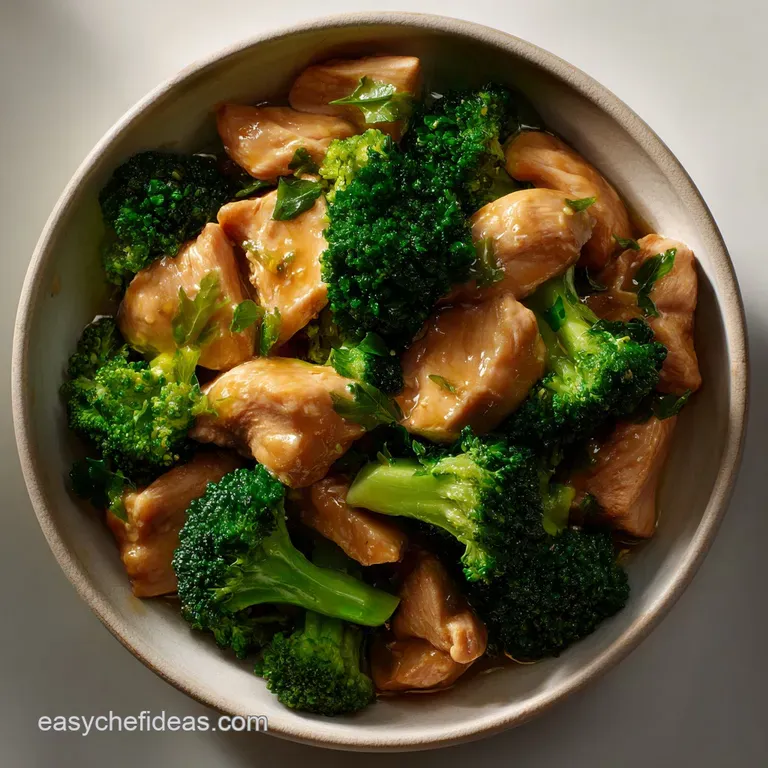
Beyond the Takeout Carton: Mastering Restaurant Quality Stir Fry
I’m going to be completely honest with you. Most of the time, when you order Chicken and Broccoli, you are paying for sadness. I mean, the flavour is usually fine, but that texture? The chicken is always chalky and rubbery, and the broccoli is either flabby or crunchy (there is no in-between). We deserve better.
We deserve that glossy, deeply savoury sauce and chicken so tender it practically melts.
I spent years trying to replicate that high end Chinese American texture at home and failing miserably. I thought I just needed better pans. Nope. I thought I needed more oil. Wrong again. What I actually needed was a tiny, magic trick straight out of a professional Chinese kitchen.
Why Traditional Chicken and Broccoli Often Falls Short
It comes down to two issues: the heat and the protein prep. In a standard home kitchen, your stove just doesn't produce the ferocious, roaring heat that a restaurant wok burner does. When you throw plain chicken into a slightly too cool pan, it immediately releases its moisture. It steams.
It never browns, and the proteins seize up, resulting in that sad, chewy texture we all hate.
Then there’s the broccoli. If you toss raw broccoli florets in with the chicken, they take too long to cook. By the time they’re tender, your chicken is bone dry and your garlic is burnt. This recipe solves both problems. It’s brilliant.
The Secret Sauce: Understanding the Velveting Technique
Okay, let’s talk velveting. This is the single most important technique you will learn for achieving truly succulent stir fry chicken, hands down. We are essentially giving the chicken a protective, silky coating before it hits the heat. This method is called ‘velveting’ (or chao ji ).
The magic ingredient here? Baking soda. I know! Sounds weird. But that small amount of baking soda raises the pH level of the chicken, essentially breaking down the protein fibers slightly.
Combine that with a binding agent like cornstarch and an acid like rice wine, and you create a marinade that locks the moisture in. When that velveted chicken hits the super hot wok, it cooks fast, stays juicy, and gains that signature silky exterior.
You absolutely must try this with chicken tenders and broccoli next time you make this dish.
Preparation Time vs. Flavor Payoff
Yes, this recipe requires a minimum 30-minute marinade time. I know you’re thinking, “But I wanted fast weeknight food!” And I get that. But think of this 30 minutes as passive flavour building.
You throw the sliced chicken into the fridge, and while it's resting, you prep your sauce, blanch your broccoli, and maybe finish folding the laundry. The actual cooking only takes about 15 minutes. It’s worth the upfront time investment, I promise.
Trust me, the difference between plain chicken breast and velveted chicken breast is night and day.
Building the Flavor Base: Components of the Ultimate Stir Fry
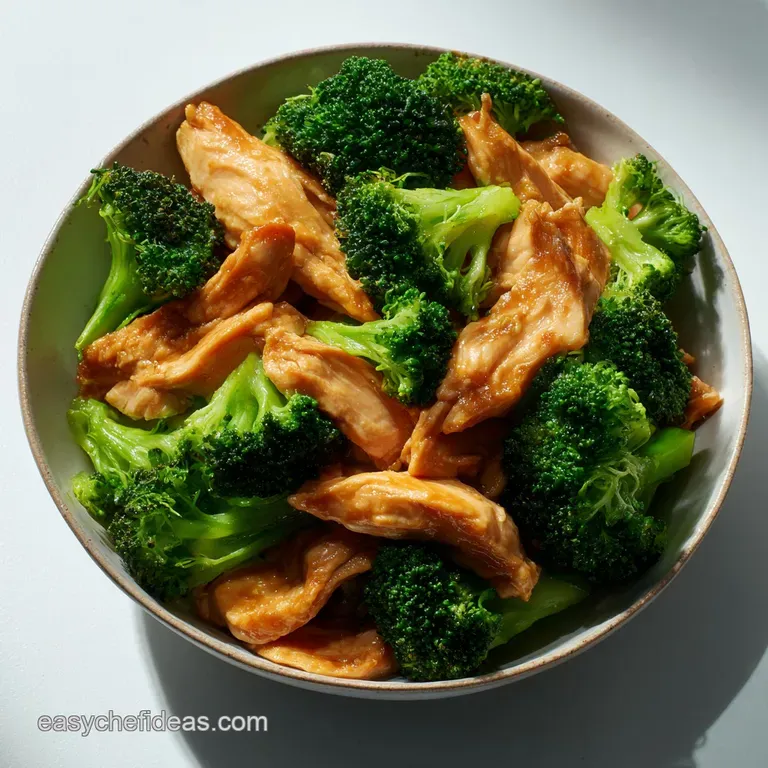
The Essential Chinese Pantry Staples for Umami Depth
You don't need a massive, confusing Asian market haul to nail this flavour profile. You need a few key players that bring the umami depth.
- Oyster Sauce: This is the body and richness of the sauce. It’s thick, salty, and slightly sweet. If you are vegetarian, grab a high-quality mushroom stir fry sauce instead; the flavour is a great analogue.
- Shaoxing Rice Wine: This is the aromatic layer. Don’t skip the cooking wine it adds a complexity that soy sauce alone can’t achieve. (If you’re stuck, dry sherry works in a pinch!)
- Low Sodium Stock: We are already adding soy sauce and oyster sauce, so using low-sodium stock gives us control over the final salt level.
Sourcing the Best Cut for Melt-In-Your Mouth Chicken
Most takeout joints use chicken breast because it cooks quickly and is lean (hello, Lean And Green Chicken Tenders). We are using breast here, but because we are velveting it, we don't have to worry about it drying out.
However, if you are a beginner, or just prefer a richer flavour, consider chicken thighs. They are harder to overcook, naturally juicier, and slice beautifully. Either way, make sure you slice the meat against the grain; this shortens the muscle fibers, making it easier to chew and more tender.
This simple step makes a huge difference.
Required Equipment for High Heat Success
You need speed and surface area.
- A Wok: If you have one, use it. The shape of the wok is designed specifically for stir frying (the heat gradient allows you to move items up the sides to keep them warm while focusing heat on the bottom).
- A Heavy Bottomed Skillet: If you don't have a wok (and honestly, most people don't), grab the largest, heaviest skillet you own. Cast iron or stainless steel is ideal. Avoid thin, nonstick pans; they don’t retain heat well enough and will definitely lead to soggy chicken. You need heat retention, baby!
Related Recipes Worth Trying
- Ultimate Comfort Rich Beef Tomato and Acini Di Pepe Soup Recipe — Proper put your feet up food This deeply rich Beef Tomato and Acini Di Pepe Soup is the Ultimate Comfort Bowl Easy to make and bursting with authentic flavour
- Sunny Chicken Tzatziki Bowl Speedy Fresh Mediterranean Delight — This homemade Greek Chicken Tzatziki Bowl delivers cracking flavour with zero faff Learn the secret to creamy nonsoggy tzatziki and perfectly tender Yogurt...
- Effortless Red White and Blue Trifle Recipe with Mascarpone Cream — The ultimate Red White and Blue Trifle dessert Using a stable mascarpone cream and soaked Angel Food cake this showstopper is silky vibrant and incredibly...
step-by-step Guide to the Perfect Chicken and Broccoli
Stage One: Preparing and Resting the Velveted Chicken
The first step is critical: slice your 2 lbs of chicken breast thinly (about 1/4 inch thickness) and get it DRY. Pat it down with a paper towel. Then, into the bowl with the cornstarch, soy, rice wine, and yes, that tiny bit of baking soda. Mix it all until it's sticky and tacky. It shouldn't look wet or sloppy.
Cover it and hide it in the fridge for 30 minutes. Don't rush this.
Blanching the Broccoli for Crisp Tender Results
This is how we ensure that vibrant green colour and the perfect al dente bite. We are talking about 90 seconds, tops, in rolling salted water. Seriously. When that minute is up, drain the florets immediately and shock them in an ice bath.
CRUCIAL WARNING: The ice bath stops the cooking dead in its tracks. If you skip this, the residual heat will continue to soften the broccoli, and you’ll lose that lovely, crisp texture we are aiming for.
Make sure they are totally dry before they go into the wok, otherwise, they will spit oil everywhere.
The High Intensity Wok Toss: Integrating the Sauce
Get your wok screaming hot. If it’s not slightly smoking when you add the oil, it’s not ready. We’re going to quickly sear the chicken (in batches, if needed) until it’s lightly golden and almost done. Pull it out and set it aside immediately.
Don’t worry about cooking it through entirely; it will finish in the sauce.
Next, add your fresh oil, then your garlic and ginger. Thirty seconds. That is all they need. Any longer, and they turn bitter. Now pour in your perfectly balanced sauce mixture (stock, oyster sauce, sugar, etc.). Let it come to a simmer.
Achieving That Signature Glossy Finish
This is where we turn a runny sauce into a beautiful, thick glaze. You made that cornstarch slurry earlier, right? Give it a good whisk again (cornstarch settles quickly). Pour it slowly into the simmering sauce while stirring. You will see the change almost instantly.
It transforms into a beautifully thick, glossy coat. Once it reaches the thickness of single cream, stop adding the slurry.
Now, throw the blanched broccoli and the velveted chicken back into the wok. Toss and coat for about 60 seconds. Everything should be gleaming and hot. Turn off the heat. Drizzle with sesame oil that’s your last, aromatic note and serve immediately over hot rice.
Pro Tips, Pairings, and Future Meal Prep Strategies
Serving Suggestions and Carbohydrate Pairings
For a classic pairing, you cannot beat fluffy, fragrant steamed jasmine rice. It's the perfect, neutral base for soaking up that glossy sauce. If you’re tracking macros (or just love fiber), brown rice is a great, chewy alternative.
For something a little different, try serving your Chicken Tenderloin and Broccoli over crispy pan-fried noodles or even mixing it with a simple side of quick pickled carrots to add some acidity and crunch.
Troubleshooting Common Stir Fry Mistakes
| Problem | Likely Cause | Fix Next Time |
|---|---|---|
| Soggy Chicken | Wok was too crowded or not hot enough. | Sear the chicken in smaller batches using high heat. |
| Thin, Watery Sauce | Not enough cornstarch slurry added, or sauce boiled too briefly. | Add more slurry (pre-mixed with water!) and simmer until thickened. |
| Broccoli is Tough | Didn't blanch long enough, or skipped blanching entirely. | Blanch for the full 90 seconds and ensure the florets are uniform. |
Scaling Up for Larger Family Meals (Prep Ahead Tips)
If you're making this for six or eight people, do not try to stir fry all the chicken and broccoli together. You will fail (I speak from experience).
The rule of large scale stir frying is batching . Prep all your ingredients ahead of time (slice, velvet, blanch, sauce mixed). Then, when you cook:
- Cook the chicken in 2-3 batches, removing each batch to a plate.
- Make the sauce once, incorporating the slurry.
- Add all the chicken and all the broccoli back in at the end to coat and heat through. This preserves the texture and keeps the wok temperature high.
Storage and Reheating Guidelines for Maximum Freshness
Chicken and broccoli stir fry makes surprisingly good leftovers. Because the chicken was velveted, it doesn't dry out as much as plain chicken does when microwaved. Store leftovers in an airtight container in the fridge for up to 3 days.
To reheat for maximum flavour, the microwave is fine, but truly, the best method is to toss the leftovers in a hot skillet with a tiny splash of water or stock. This creates steam, preventing the meat from drying out and reviving that glossy sheen on the sauce. Enjoy!
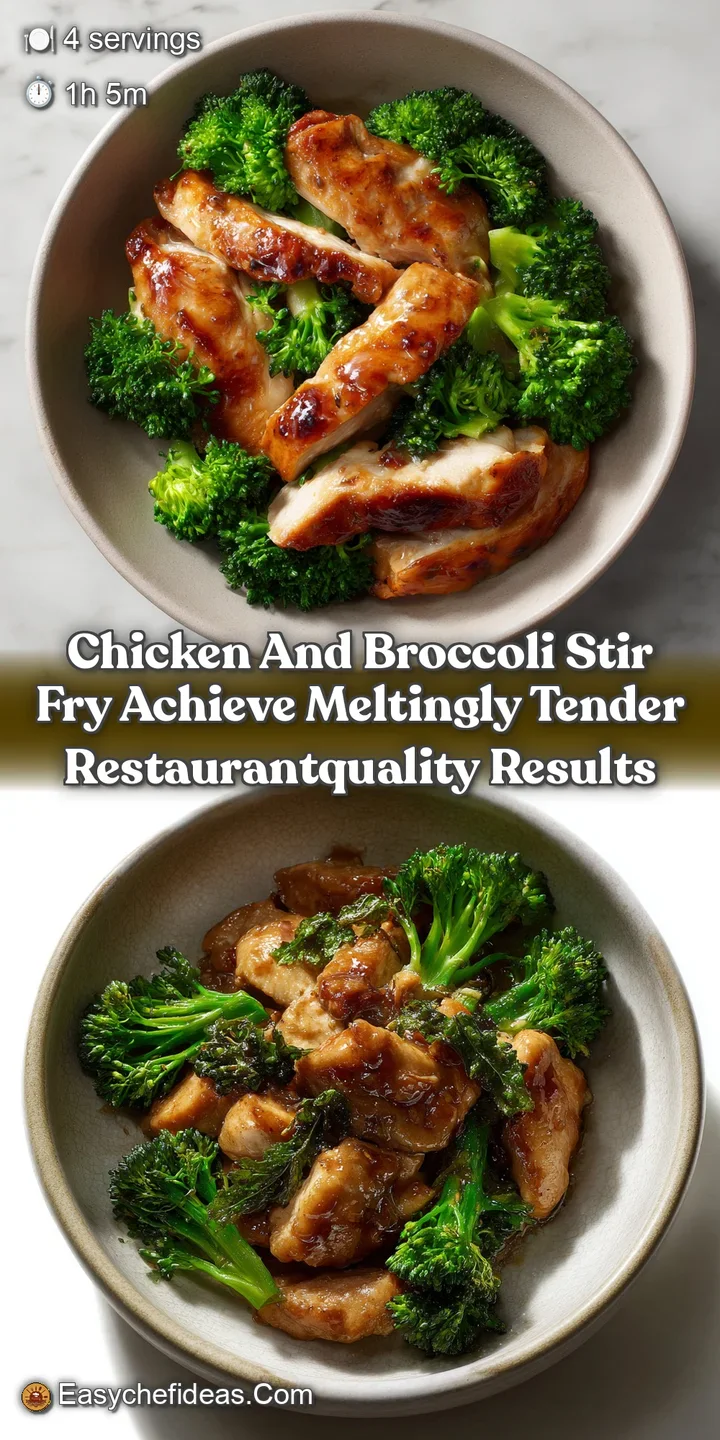
Recipe FAQs
I usually end up with dry chicken. What is the black magic behind 'velveting'?
The ‘velveting’ technique uses a tiny amount of baking soda to chemically tenderise the chicken protein, while the cornstarch marinade seals in the moisture during the quick stir fry, ensuring every piece is meltingly tender rather than rubbery a proper game changer!
Is this homemade Chicken and Broccoli much healthier than ordering a takeaway?
Absolutely, it’s chalk and cheese! When you make it yourself, you control the amount of oil and crucially, the high sodium ingredients, allowing you to create a much cleaner, fresher tasting version free of hidden sugars and excessive additives.
My sauce often turns out too thin or too gloopy. What’s the secret to a perfect, glossy consistency?
The key is the cornstarch slurry: ensure you mix the starch with cold water before adding it, and introduce it slowly to the sauce only once it’s at a rapid, rolling simmer; if it ends up too thick, simply splash in a little extra stock or water to adjust the consistency.
How do I keep the broccoli that beautiful, vibrant green colour? Mine always goes a bit sad and dull.
The non-negotiable step is the blanching: boiling the broccoli for just 60-90 seconds until bright green, then immediately plunging it into an ice bath stops the cooking process dead and locks in that cheerful, jewel toned colour.
Can I prep the chicken or the sauce ahead of time, and how long do leftovers keep?
You can make the stir fry sauce three days ahead and keep it chilled, and the velvety chicken marinade needs at least 30 minutes, but it can be left for up to 2 hours; leftovers keep beautifully in an airtight container for 3 days, reheated quickly in the wok.
Velvety Chicken And Broccoli Stirfry
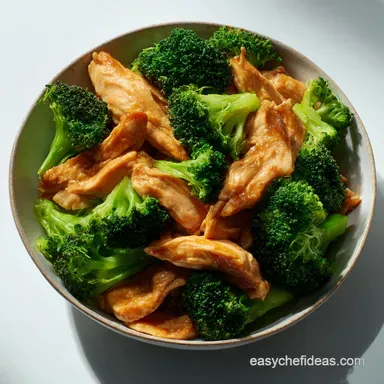
Ingredients:
Instructions:
Nutrition Facts:
| Calories | 2659 kcal |
|---|---|
| Protein | 21.5 g |
| Fat | 20.3 g |
| Carbs | 93.7 g |
| Fiber | 0.2 g |
| Sodium | 231 mg |
