Macaroni and Cheese: the Governors Baked Comfort
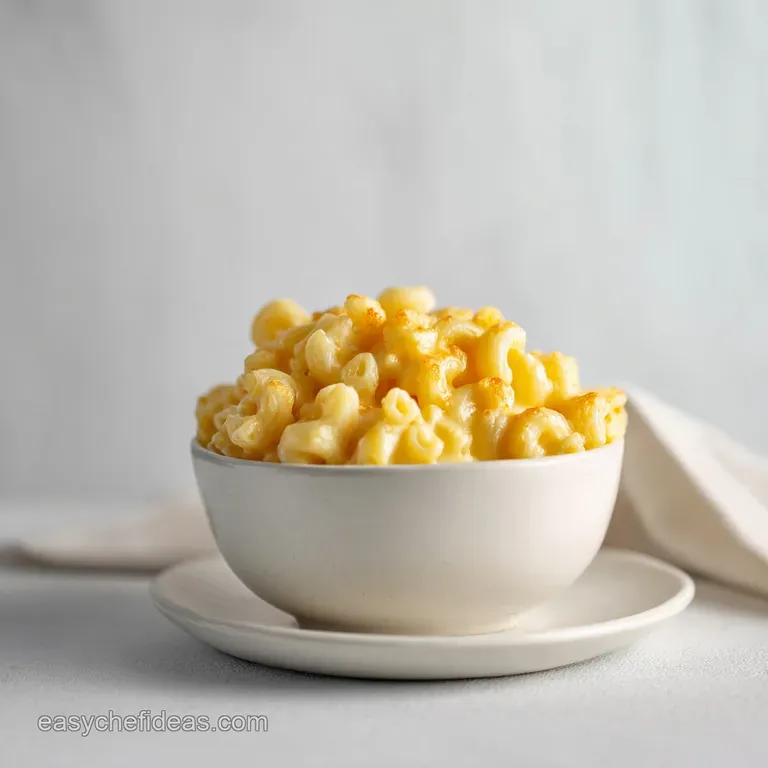
- The Governor’s Gold Standard: Achieving Velvety Comfort
- The Science of Supreme Comfort: Why This Recipe Excels
- Core Ingredients and Expert Substitutions
- The Method: A Step-by-Step Guide to Baked Macaroni and Cheese
- How to Make Macaroni and Cheese Step-by-Step
- Troubleshooting and Advanced Chef's Secrets
- Practical Preservation: Storing and Reheating
- Pairing Perfection: What to Serve Alongside This Comfort Dish
- Recipe FAQs
- 📝 Recipe Card
The Governor’s Gold Standard: Achieving Velvety Comfort
When I talk about Macaroni and Cheese , I don't mean that sad, neon orange box stuff from our student days. I mean the kind that smells like a Sunday afternoon and hugs you from the inside out.
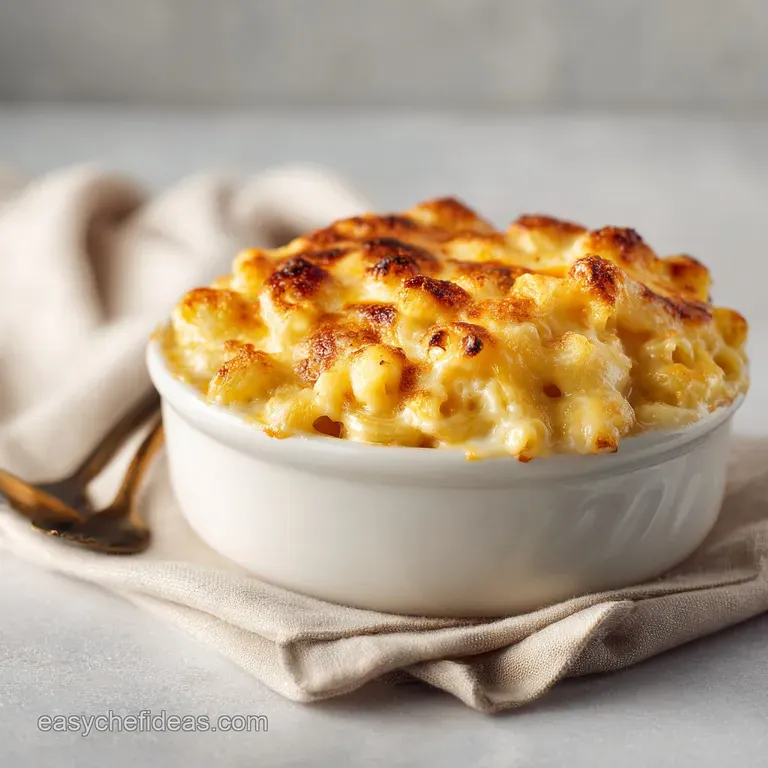
The steam rising off the baking dish carries notes of nutty Gruyère and sharp Cheddar, making your eyes roll back in pure delight. This is that proper, baked, deeply golden crusted classic it’s the ultimate comfort food, period.
We all need a reliable, easy win in the kitchen, right? This homemade Macaroni and Cheese recipe is the perfect blend of satisfying technique and pure, affordable goodness.
It requires simple pantry staples but delivers a flavor complexity that makes everyone think you worked way harder than you actually did. It’s perfect for those chilly nights when only true comfort will do.
After years of trial and error (and more than a few grainy, split sauces don't ask), I finally nailed the ratio and technique. So, put on your apron, grab your whisk, and let's conquer the creamy kingdom of baked Macaroni and Cheese .
Trust me, once you master this, you’ll never go back to the packet again.
The Science of Supreme Comfort: Why This Recipe Excels
I used to think the secret to the best Macaroni and Cheese was just dumping tons of cheese in. Wrong! The real magic lies in the sauce structure —specifically, how we build the Mornay base.
This recipe shines because we approach it scientifically, ensuring stability and maximum creaminess without ever feeling heavy or greasy.
The Quest for the Perfect Cheese Pull and Creaminess
This isn’t just creamy; it’s velvety . We achieve this by using the specific combination of cheeses: Sharp Cheddar gives the necessary salty punch, while Gruyère introduces a nutty, earthy depth and unparalleled meltability.
That little bit of Parmesan provides a vital umami boost and helps develop that amazing crust when baking. It’s about balance, not just quantity, making this the best homemade Macaroni and Cheese .
Béchamel vs. Mornay: Understanding the Sophisticated Sauce Base
The base of our creamy mac is a Béchamel, which is just butter, flour, and milk thickened into a white sauce. When we introduce cheese, it graduates to the Mornay class. This is non-negotiable for superior baked Macaroni and Cheese .
The Mornay sauce coats the pasta evenly, ensuring every single elbow is enveloped in smooth, glossy deliciousness, rather than just sitting in a pool of liquid.
Equipment Checklist: Essential Tools for Baking Success
You don’t need much, but a heavy bottomed saucepan is your best friend here. It distributes heat evenly, which is crucial for making the roux without burning it.
| Tool | Why We Need It |
|---|---|
| Heavy Bottomed Saucepan | Prevents scorching the roux and milk, ensuring smooth thickening. |
| Sturdy Whisk | Essential for incorporating the cold milk into the hot roux without lumps. |
| 9x13 Casserole Dish | Provides enough surface area for the pasta to bake evenly and develop a crust. |
The Importance of the Roux: Controlling Consistency
The roux is simply equal parts fat (butter) and flour, cooked together. It’s the invisible framework that holds all the liquid and cheese together. The goal is a pale, nutty smelling roux, not a brown one.
Cook it for exactly two minutes after the flour is incorporated; this eliminates the raw, pasty flour taste and ensures a stable sauce for your Macaroni and Cheese .
Melting Mastery: Integrating Gruyère and Cheddar
We use room temperature, freshly grated cheese, and we add it off the heat . This is the biggest rookie mistake: adding cheese to a boiling sauce causes the milk proteins to seize and the fat to separate, resulting in grainy, sad sauce.
By turning the heat off, we allow the residual heat to melt the cheese slowly and beautifully into the Mornay, giving us the perfect creamy texture for our baked Macaroni and Cheese casserole.
Tempering the Mustard: Adding Depth Without Dominance
We add just a teaspoon of dry English mustard powder or Dijon, if that’s what you have. This isn't meant to make the dish taste spicy. Its sole job is to enhance and amplify the savory, salty notes of the Cheddar and Gruyère.
Think of it as a flavor enhancer for the best creamy mac and cheese recipe. It adds a background complexity that makes people ask, "What is that amazing flavor?"
Core Ingredients and Expert Substitutions
To make this outstanding homemade Macaroni and Cheese , sourcing fresh ingredients is key. But life happens, and sometimes you need a quick swap.
| Ingredient | Role | Expert Substitution |
|---|---|---|
| Macaroni Elbows | Holds the sauce perfectly. | Small shells (conchiglie) or Cavatappi pasta. |
| Whole Milk | Essential liquid for Béchamel richness. | 2% milk, or half and half for extra luxury. Avoid skim. |
| Gruyère | Nutty flavor, incredible melt. | Emmental, mature Monterey Jack, or Havarti. |
| Sharp Cheddar | The primary flavor punch. | Extra mature white Cheddar or smoked Gouda for smokiness. |
| Mustard Powder | Flavor enhancer for cheese. | 1 tsp Worcestershire sauce (adds similar umami depth). |
| Panko Breadcrumbs | Provides maximum crunchy topping. | Crushed buttery Ritz crackers or simple day-old white breadcrumbs. |
The Method: A step-by-step Guide to Baked Macaroni and Cheese
Selecting the Pasta Shape: Elbows, Shells, or Cavatappi?
While classic elbows are traditional for a baked Macaroni and Cheese , I am a huge fan of Cavatappi. Its spiral shape is brilliant for trapping the rich Mornay sauce inside every curve. Small or medium shells also work beautifully, cupping the sauce like little boats.
The Cheese Blend: Balancing Sharpness and Nutty Flavor
As mentioned, we’re balancing sharp, salty, and nutty. Don't skip the fresh grating step! Seriously, pre-shredded cheese will ruin the texture of this perfect easy macaroni and cheese recipe.
Dairy Choices: Whole Milk vs. Heavy Cream for Texture
Whole milk is the gold standard because it has enough fat to enrich the sauce without making it taste like pure butter, unlike heavy cream. If you use heavy cream, you risk making the dish too rich and possibly heavy; stick to whole milk for stability and velvetiness.
Building a Better Crumb: Achieving the Perfect Crunchy Topping
Skip the dried breadcrumbs and reach for Panko. Panko crumbs are large, airy, and absorb the melted butter like a sponge, ensuring a light, crispy texture that doesn’t turn dense or soggy during baking.
This crunchy topping is the perfect contrast to the creamy interior of our Macaroni and Cheese .
Step 1: Preparing the Al Dente Pasta
Bring a large pot of water to a rolling boil and season it heavily with salt it should taste like the sea. Cook the macaroni 1 to 2 minutes less than the package says. Drain it immediately and toss it with a tiny nub of butter to prevent clumping.
This ensures that when the Macaroni and Cheese hits the oven, the pasta won’t turn to mush.
Step 2: Whisking the Silky Mornay Sauce
Whisking is crucial here. Start with the butter and flour for the roux, cook until pale blonde, and then slowly introduce the warmed whole milk while whisking like a maniac. It prevents lumps every single time. Cook until it’s thick enough to cling to the back of a spoon, and then season.
How to Make Macaroni and Cheese step-by-step
Preparation Steps
- Oven Prep: Preheat your oven to 400°F (200°C). Grease a 9x13 inch baking dish generously with butter.
- Grate and Combine: Grate all the cheeses (Cheddar, Gruyère, Parmesan) and mix them in a bowl. Reserve one-quarter of this blend for the topping later.
- Pasta Prep: Cook 450g of macaroni until al dente . Drain, and set aside while you make the sauce.
Cooking Process
- Roux Foundation ( 2 mins): In a heavy saucepan, melt 115g butter over medium heat. Add 115g flour and whisk constantly for 2 minutes. The roux should smell slightly nutty.
- Béchamel Build (5- 8 mins): Slowly pour the 4 cups of warm milk into the roux, whisking rapidly until fully incorporated and lump free. Bring to a gentle simmer, reduce the heat, and cook until the sauce is thick.
- Seasoning: Remove the pan from the heat. Stir in the salt, pepper, nutmeg, and mustard powder.
- Mornay Magic: Add ¾ of the mixed cheese to the Béchamel. Stir gently until it melts completely and the sauce is glossy and smooth. Crucial: Never add cheese to a boiling sauce!
- Assembly: Pour the Mornay sauce over the prepared pasta. Stir gently until every piece is coated. Transfer the glorious mixture to the buttered baking dish.
- Topping Time: Sprinkle the reserved ¼ cheese blend over the pasta. In a small bowl, combine the Panko, 2 tbsp melted butter, and smoked paprika. Sprinkle this evenly over the cheese layer.
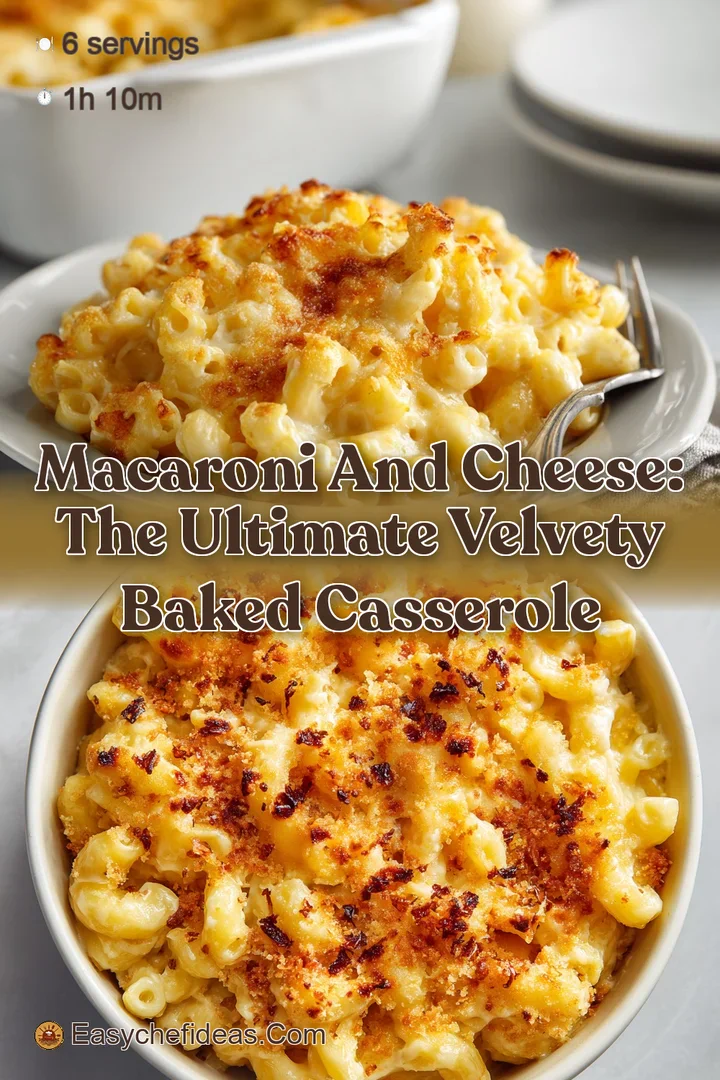
- Bake and Rest: Bake for 25 minutes until the top is golden and the edges are bubbling. Remove and let the baked Macaroni and Cheese rest for 10 minutes before serving. That rest time sets the sauce beautifully.
Expert Tips for Success
- Use Warm Milk: Adding slightly warmed milk (microwaved for 30 seconds) to the hot roux makes it easier to prevent lumps and incorporates faster.
- Nutmeg is Non-Negotiable: That tiny pinch of nutmeg is the secret ingredient in French Béchamel and really elevates the flavor profile of the Macaroni and Cheese.
- Taste As You Go: The saltiness will depend on your cheese. Taste the Mornay before you add it to the pasta and adjust the salt accordingly.
Common Mistakes to Avoid
1. Using Cold Milk: This causes the roux to seize up instantly, making a very lumpy sauce. Use warm or room temperature milk.
2. Adding Cheese While Boiling: This is a guaranteed recipe for a grainy, separated sauce. Always take the Béchamel off the heat before adding the cheese.
3. Skipping the Rest: Taking the Macaroni and Cheese straight from the oven to the plate results in a runny, sloppy mess. The 10 minute rest allows the starches to reabsorb liquid and the sauce to solidify, yielding that perfect scoopable texture.
Troubleshooting and Advanced Chef's Secrets
Preventing Graininess: Handling Cheese Separation
If your sauce starts to look slightly grainy or oily (separation), it means the heat was too high when the cheese was added. The quick fix? Add a splash (1 2 tablespoons) of whole milk or heavy cream and whisk vigorously off the heat.
The added fat and liquid can sometimes bring the emulsion back together, saving your beloved homemade mac and cheese.
Avoiding a Runny Sauce: The Correct Roux Ratio
If your sauce is too thin, it’s usually because you didn’t cook the roux long enough or you didn’t use enough flour/butter for the amount of milk. For every cup of milk, you need 1 tablespoon each of butter and flour.
If you find the sauce runny after adding the cheese, you can try mixing a teaspoon of cornstarch with a tablespoon of cold water, whisking it into the simmering sauce, and cooking for 30 seconds until it thickens.
Seasoning Adjustments: Balancing Salt and Mustard Heat
Remember that the saltiness comes largely from the cheese itself, especially the Parmesan. Be cautious with added salt until after the cheese is melted and fully incorporated into the Mornay.
The mustard powder should be a background hum, not a dominant flavor; if you find it too sharp, a tiny pinch of sugar can balance the flavor. This attention to detail transforms an ordinary baked mac and cheese into something spectacular.
Chef's Note: For a smoky variation on this easy Macaroni and Cheese, try substituting the Parmesan in the topping with a smoked sea salt, or mixing the Cheddar with some smoked Gouda. It adds serious depth.
Practical Preservation: Storing and Reheating
This incredible Macaroni and Cheese is often so good, you won't have leftovers. But if you do, here’s how to handle them properly.
Safe Refrigeration and Longevity of Leftovers
Store fully cooled Macaroni and Cheese in an airtight container in the refrigerator for up to 3 to 4 days. Because it’s a baked casserole, it holds its structure well. For dinner tonight, I might pair this with a tangy Grilled Cheese Burrito: Ultimate Crispy Crusted Recipe on the side for a massive comfort food feast.
Best Method for Reheating Creamy Pasta
Reheating baked pasta can dry it out. The best method is to reheat small portions in a saucepan on the stovetop over low heat. Add a tablespoon or two of milk (or even better, a splash of heavy cream) to the saucepan and stir until it becomes creamy again.
If you must use the microwave, cover it tightly with a damp paper towel to trap moisture.
Freezing Macaroni and Cheese: Tips for Minimal Texture Change
But does it freeze well? You bet. For best results, freeze the assembled, unbaked casserole. Cover it tightly with two layers of foil. It will last up to 3 months. When ready to eat, thaw it in the fridge overnight and bake as directed, adding an extra 10- 15 minutes to the baking time since it starts cold.
Freezing the finished Macaroni and Cheese can sometimes cause the sauce to separate upon thawing, so unbaked is the way to go.
Pairing Perfection: What to Serve Alongside This Comfort Dish
Macaroni and Cheese is rich and heavy, so the ideal side dishes should be crisp, acidic, and light to cut through the fat. I think a light, tart salad is the only way to go.
- Simple Green Salad: Mixed greens with a bright lemon vinaigrette and finely sliced radish.
- Pickled Goods: Anything pickled onions, jalapeños, or even some sharp bread and butter pickles. That acidity is a welcome contrast.
- Protein Companion: For a richer meal, a side of soft yolk poached eggs and sausage is divine. If you want a truly gourmet option, check out my guide on Sausage and Balls: Chefs Gourmet Recipe for Soft Yolk Eggs .
This ultimate creamy mac and cheese recipe delivers on flavor, texture, and comfort every time. Once you achieve this level of velvety excellence, you’ll understand why proper homemade Macaroni and Cheese is truly the gold standard of comfort food.
Recipe FAQs
Why did my cheese sauce turn grainy or oily?
A grainy or split sauce is often the result of adding the cheese too quickly or overheating the sauce after the cheese has been incorporated. Always remove the Béchamel base from the heat before stirring in the cheese slowly, allowing it to melt using residual warmth.
Also, avoid using pre-shredded cheeses, as the anti caking agents can prevent a smooth emulsion.
Why does my baked mac and cheese come out dry?
Dryness is caused by the pasta absorbing too much moisture while baking. To counteract this, ensure your Mornay sauce is slightly runnier than you think it should be before mixing in the macaroni.
Additionally, cover the dish with foil for the first 20 minutes of baking to lock in steam and moisture, removing the foil only for the final browning.
Can I substitute the cheeses, and which ones melt best?
Absolutely; you can achieve excellent results by using other good melting cheeses like Fontina, Monterey Jack, or Smoked Gouda. The key is using cheeses high in moisture and fat, as low-fat varieties often separate and become stringy when subjected to high heat.
Ensure you maintain a balance of sharpness and creaminess for flavor.
How far in advance can I prepare this dish?
You can prepare the sauce and mix it with the macaroni up to 24 hours in advance. Store the unbaked mixture, tightly covered, in the refrigerator; however, you should anticipate needing to add a quarter cup of extra milk or cream before baking, as the pasta will absorb significant liquid while chilling.
Allow the dish to come closer to room temperature before placing it in a hot oven.
Can I make this recipe gluten-free?
This recipe is easily adaptable to be gluten-free by swapping the traditional flour for a 1:1 gluten-free baking blend when making the roux (the base of the Béchamel). Ensure you whisk the gluten-free roux for an extra minute or two to cook out any residual flour taste.
You must also substitute the standard elbow macaroni for a gluten-free pasta variety.
Why is it necessary to undercook the pasta before mixing?
The macaroni must be cooked to a firm al dente stage about 2 minutes less than the package instructions because it continues to cook and absorb the sauce throughout the baking process. If the pasta is fully cooked beforehand, it will become mushy and over swollen after its time in the oven.
This technique ensures a perfectly textured finished dish.
What is the best way to store and reheat leftovers?
Leftovers should be stored in an airtight container in the refrigerator for up to four days. To reheat, place a serving in a baking dish or saucepan and stir in a splash of milk or heavy cream before warming it gently in the oven or on the stovetop.
This moisture addition restores the sauce’s smooth, creamy consistency, preventing it from tasting dried out.
Velvety Baked Macaroni And Cheese
Ingredients:
Instructions:
Nutrition Facts:
| Calories | 426 kcal |
|---|---|
| Protein | 22.0 g |
| Fat | 25.0 g |
| Carbs | 27.0 g |
