The Best Lasagna Recipe Easy
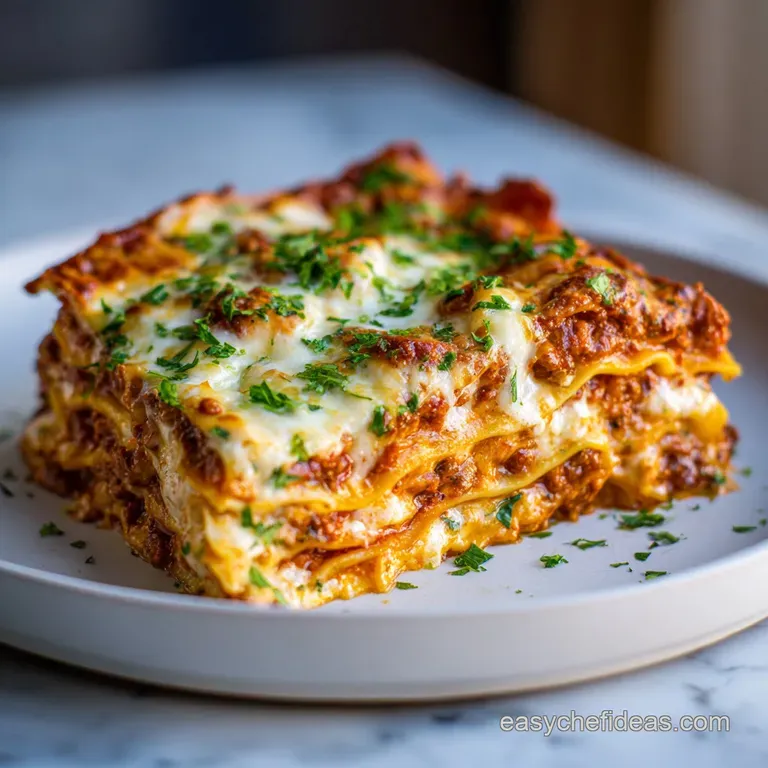
- Time: Active 45 minutes, Passive 1 hours 15 mins, Total 2 hours
- Flavor/Texture Hook: Velvety ricotta meets the shatter crisp mozzarella crust.
- Perfect for: Sunday family gatherings or community potlucks.
- Achieving the Best Lasagna Recipe Through Bold Textures and Flavors
- Why This Hearty Pasta Dish Works Every Single Time
- Essential Vital Statistics for Your Weekend Kitchen Cooking Session
- The Core Components That Create a Rich Umami Foundation
- The Essential Heavy Duty Equipment for Your Perfect Pasta
- The Strategic Layering Sequence for a Strategic Masterpiece
- Fixing Common Sogginess and Structural Issues in Your Bake
- Simple Scaling for Any Crowd
- Debunking Popular Pasta Myths
- Preservation Secrets for Keeping Your Pasta Layers Fresh
- Bright and Tangy Serving Suggestions for a Balanced Meal
- High in Sodium
- Recipe FAQs
- 📝 Recipe Card
Achieving the Best Lasagna Recipe Through Bold Textures and Flavors
The sizzle of sweet Italian sausage hitting a hot Dutch oven is a sound that instantly brings me back to my first kitchen apartment. I remember standing there, eyes stinging from a mountain of diced onions, wondering if the effort was actually worth it.
I had tried dozens of versions, but they always ended up as a puddle of red water on the plate or a dry, brick like stack of noodles that lacked any real soul. It was a frustrating cycle of trial and error that nearly made me give up on Italian classics altogether.
But everything changed when I stopped treating the sauce and cheese as separate entities and started thinking about them as a structural partnership. I learned that the water content in your ricotta matters just as much as the fat in your beef.
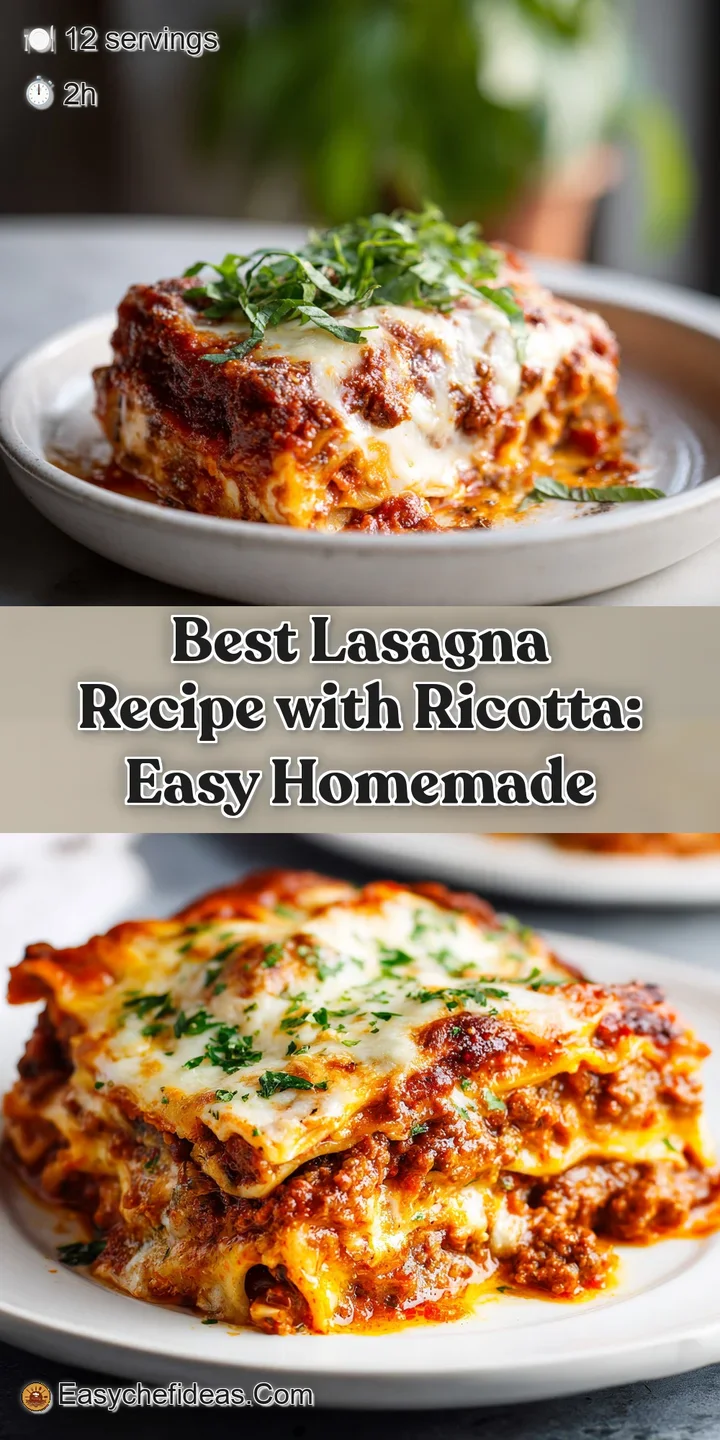
Now, when I pull this pan out of the oven, the aroma of toasted garlic and bubbling mozzarella fills the room, and the first slice comes out perfectly clean, showing every beautiful, distinct layer. This isn't just a meal; it's a way to nourish your community and share a piece of culture that feels like a warm hug.
Why This Hearty Pasta Dish Works Every Single Time
The magic of this dish comes down to a few basic principles of kitchen physics that transform simple ingredients into something extraordinary. When we look at a Lasagna Bolognese A recipe, we see how the slow reduction of meat creates a dense, flavorful base that supports the weight of the noodles. In this version, we lean into the contrast between the rich, fatty meats and the acidic brightness of the tomatoes to keep the palate engaged.
- Protein Denaturation: Adding a lightly beaten egg to the ricotta ensures the cheese layer sets firmly during the bake rather than weeping liquid.
- The Maillard Reaction: Searing the beef chuck and sausage until mahogany brown creates complex flavor compounds that raw meat simply can't offer.
- Starch Hydration: Using standard noodles cooked just under al dente allows them to soak up the "sauce tax" (the excess tomato liquid) while finishing in the oven.
- Fat Emulsification: The dry red wine helps bridge the gap between the fat in the meat and the water in the tomatoes, creating a silky, cohesive ragu.
| Thickness of Layer | Internal Temp | Rest Time | Visual Cue |
|---|---|---|---|
| 1/2 inch meat sauce | 165°F | 15 minutes | Bubbles are slow and thick |
| 1/3 inch cheese mix | 165°F | 15 minutes | Edges pull away from pan |
| Single noodle layer | 165°F | 15 minutes | Top cheese is deeply bronzed |
Giving the dish that crucial 15 minutes of rest time is the difference between a clean slice and a messy pile of pasta. As the temperature drops slightly, the starches and proteins bind together, locking the moisture into the noodles instead of letting it run across the tray.
Essential Vital Statistics for Your Weekend Kitchen Cooking Session
Before we get our hands messy, let's look at what makes these specific components work together. We aren't just tossing things in a pan; we're selecting elements that provide a diversity of texture and a deep sense of nourishment.
| Component | Science Role | Pro Secret |
|---|---|---|
| Beef Chuck (80/20) | Provides structural fat and "chew" | Don't drain all the fat; it carries the oregano flavor |
| Whole Milk Ricotta | Adds moisture and creamy contrast | Drain in cheesecloth for 30 mins to prevent sogginess |
| Crushed Tomatoes | The acidic solvent for meat proteins | Use San Marzano style for lower acidity and more sweetness |
Chef Tip: To get that restaurant quality crust, freeze your fresh mozzarella for 10 minutes before shredding. This prevents it from turning into a mushy mess in the grater and helps it melt into distinct, stretchy pools of gold.
The Core Components That Create a Rich Umami Foundation
Each ingredient in the best lasagna recipe has a specific job to do. We use a blend of meats to ensure the flavor isn't one note, and we treat the cheese with as much respect as the sauce.
- 1 lb ground beef chuck (80/20): Why this? The fat content provides the necessary richness to flavor the pasta layers. (Sub: Ground turkey, but increase the olive oil by 1 tbsp).
- 1 lb sweet Italian sausage: Why this? Adds fennel and herb notes that standard beef lacks. (Sub: Spicy Italian sausage for a kick).
- 1 large yellow onion: Why this? Provides a sweet, aromatic base once caramelized. (Sub: Shallots for a more delicate flavor).
- 56 oz crushed tomatoes: Why this? Offers the perfect surface area for the meat to cling to. (Sub: Whole peeled tomatoes crushed by hand).
- 15 oz whole milk ricotta: Why this? Creates the signature velvety texture between layers. (Sub: Small curd cottage cheese, pulsed in a blender).
- 1 lb fresh mozzarella: Why this? High moisture content leads to a superior melt and pull. (Sub: Low moisture provolone for a sharper bite).
| Original Ingredient | Substitute | Why It Works |
|---|---|---|
| Dry Red Wine (0.5 cup) | Beef Stock + 1 tsp Vinegar | Replicates the acidity and depth. Note: Lacks the fruity tannins of wine. |
| Ricotta Cheese | Mascarpone | Much richer and creamier. Note: Increases calories significantly and is less traditional. |
| Ground Nutmeg | Ground Mace | Similar warm, spicy profile. Note: Mace is slightly more pungent and savory. |
If you decide to use the cottage cheese swap, make sure you drain it well. While it works, the texture is naturally wetter, which can lead to a slight loss of structural integrity if you aren't careful with your bake time.
The Essential Heavy Duty Equipment for Your Perfect Pasta
You don't need a professional kitchen, but a few specific tools will make your life significantly easier. I've made the mistake of using a shallow glass dish before, only to have the sauce bubble over and burn onto the bottom of my oven. Never again.
First, you need a deep 9x13 inch baking dish. If yours is shallow, you'll need to place a rimmed baking sheet on the rack below to catch the drips. A heavy bottomed Dutch oven (like a Le Creuset) is non negotiable for the sauce.
The thick walls distribute heat evenly, preventing the tomato paste from scorching during the long simmer.
Finally,, a microplane is your best friend here. Grating that fresh nutmeg and the Parmesan Reggiano right before use releases essential oils that pre grated versions lost months ago. It adds a bright, floral note to the ricotta that cuts through the heavy fat of the beef.
The Strategic Layering Sequence for a Strategic Masterpiece
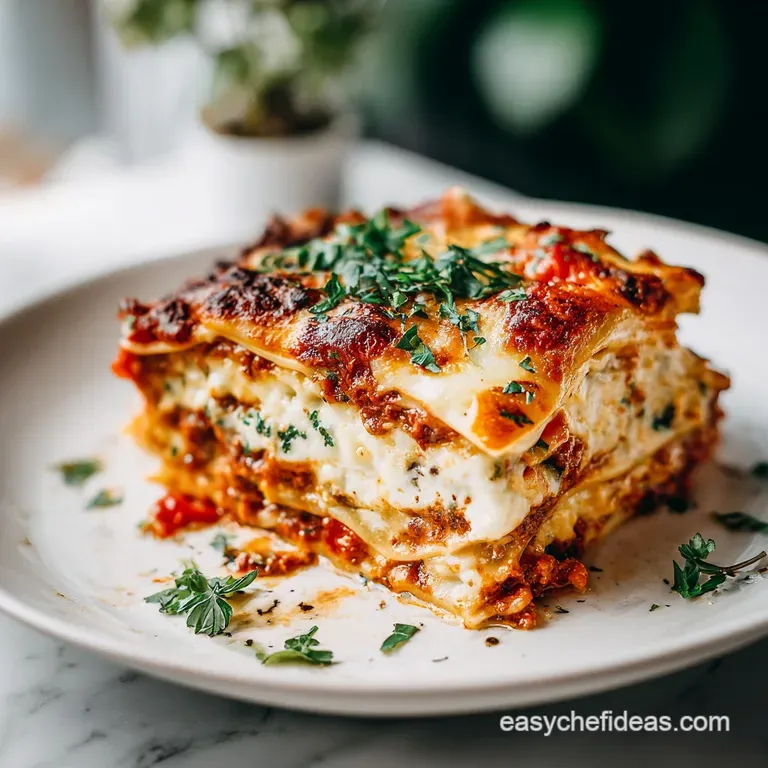
Right then, let's crack on. This is where the magic happens. Don't rush the meat browning; we want deep color, not gray meat.
1. Mahogany Base Development
Brown the beef and sausage in your Dutch oven over medium high heat. Use a wooden spoon to break the meat into small crumbles. Once the fat has rendered and the meat is deeply browned, add the onion and garlic. Cook until the onions are translucent and fragrant.
Stir in the tomato paste and cook for 2 mins to "toast" it before deglazing with the red wine.
2. Fortifying the Cheese Blend
In a medium bowl, combine the drained ricotta, the lightly beaten egg, half of the parsley, and the ground nutmeg. Stir in 0.5 cup of the Parmesan Reggiano. This mixture should be thick and hold its shape. Note: The egg is vital here; it acts as a binder that keeps the cheese from liquifying under the heat.
3. Precision Layering Sequence
Spread 1 cup of the meat sauce on the bottom of your 9x13 dish. Note: This prevents the bottom noodles from sticking and ensures they cook through. Arrange a layer of noodles over the sauce, followed by a third of the ricotta mixture, a third of the mozzarella, and another layer of sauce. Repeat this twice more.
4. High Heat Finish
For the final layer, place the remaining noodles, cover with the last of the sauce, and sprinkle the remaining mozzarella and Parmesan on top. Bake at 375°F (190°C) for 45 minutes covered with foil, then uncover and bake for another 15 minutes until the cheese is bubbling and has charred brown spots.
Fixing Common Sogginess and Structural Issues in Your Bake
We've all been there you cut into a lasagna and it's basically a soup. It's heartbreaking after two hours of work. Usually, this comes down to either the noodles or the cheese moisture.
1. Soupy Center Syndrome
If your lasagna is swimming in liquid, it’s usually because the sauce wasn't reduced enough or the ricotta was too wet. Tomatoes release a lot of water as they cook. You want your ragu to be thick enough that a spoon leaves a trail in the bottom of the pot.
Also, if you use "no boil" noodles, they require more liquid, but standard noodles need a drier environment.
2. Crunchy Corner Noodles
This happens when the edges of the pasta aren't fully submerged in sauce. The dry heat of the oven "toasts" the pasta instead of steaming it. To fix this, ensure your sauce reaches every single millimeter of the noodle edges during assembly.
I like to use a pastry brush to paint the edges with a little extra sauce if I'm worried.
| Problem | Root Cause | Solution |
|---|---|---|
| Greasy surface | Sausage fat not drained | Blot the top with a paper towel or use leaner meat. |
| Rubbery cheese | Pre shredded cheese used | Use fresh mozzarella; pre shredded has cellulose anti clumping agents. |
| Bland flavor | Lack of salt in pasta water | Season the noodle water like the sea; it's your only chance to salt the pasta. |
Common Mistakes Checklist
- ✓ Boiled the noodles for the full package time (they should be slightly underdone).
- ✓ Forgot to let the lasagna rest for at least 15 minutes before slicing.
- ✓ Overcrowded the meat during browning, causing it to steam rather than sear.
- ✓ Used low-fat ricotta (it's often filled with gums that don't melt well).
- ✓ Skimped on the nutmeg; it's the secret to that "authentic" flavor profile.
Simple Scaling for Any Crowd
When I'm cooking for a smaller group, I usually still make the full batch and just split it into two 8x8 inch pans. It's much easier to freeze one for later than it is to try and halve a 1 lb box of noodles and a can of tomatoes.
If you are doubling this for a big community event, remember that the sauce will take significantly longer to reduce. Don't just double the time; watch the consistency. For the spices like red pepper flakes and oregano, start with 1.5x the amount and taste.
Spices don't always scale linearly, and you can easily overpower the dish. When baking two pans at once, rotate them halfway through to ensure the oven's hot spots don't burn one while the other stays pale.
Debunking Popular Pasta Myths
One common myth is that you must use "no boil" noodles for an easy homemade lasagna recipe. While they are convenient, they often have a grainy texture. Standard noodles, boiled for just 6 minutes, provide a much better "bite" and structural integrity.
Another myth is that you shouldn't use wine if kids are eating. The alcohol boils off within minutes of simmering, leaving behind only the deep, complex acids that make the sauce taste like it's been cooking for days.
Finally,, some say you shouldn't put egg in the ricotta. While some traditional Italian versions use a Béchamel instead, if you are using ricotta, the egg is mandatory for American style lasagna. Without it, the cheese simply melts into the sauce, and you lose those beautiful white stripes in your cross section.
Preservation Secrets for Keeping Your Pasta Layers Fresh
Lasagna is one of those rare dishes that actually tastes better the next day. The flavors have time to mingle, and the structure firms up even more.
- Storage: Keep leftovers in an airtight container in the fridge for up to 4 days.
- Freezing: You can freeze the entire assembled, unbaked lasagna for up to 3 months. Wrap it tightly in plastic wrap, then a double layer of heavy duty foil. Thaw in the fridge for 24 hours before baking.
- Reheating: Use the oven! Microwaves make the noodles rubbery. Place a slice in a small dish with a teaspoon of water, cover with foil, and bake at 350°F (180°C) until hot.
- Zero Waste: If you have leftover meat sauce, it makes an incredible topping for polenta the next day. Leftover ricotta can be whisked into pancake batter for a fluffy, high protein breakfast.
Bright and Tangy Serving Suggestions for a Balanced Meal
Because this dish is so rich and decadent, you need something bright to cut through the fat. A simple arugula salad with a sharp lemon vinaigrette is my go to. The peppery bite of the greens acts as a perfect foil to the sweet sausage and creamy cheese.
1. The Acidic Counterpart
A classic Smoky Tinga Chicken recipe might be for another night, but the principle of using acidity remains. Serve your lasagna with balsamic glazed roasted Brussels sprouts or a quick cucumber salad to keep the meal feeling fresh.
2. The Classic Pairing
You can't go wrong with garlic bread, but try making it with a baguette instead of a soft loaf. The extra crunch provides a nice textural contrast to the soft pasta. If you're looking for another project, check out The Homemade Lasagna recipe for a version that uses white sauce instead of ricotta for an even silkier finish.
Lasagna is about more than just the ingredients; it's about the time spent in the kitchen and the joy of sharing something handmade. Whether you're feeding a family of four or a whole neighborhood, this recipe is designed to be the centerpiece of a meal that nourishes both the body and the spirit.
Enjoy the process, don't sweat the small stuff, and always, always save the crispy corner piece for yourself.
High in Sodium
1085 mg mg of sodium per serving (47% of daily value)
The American Heart Association recommends limiting sodium intake to no more than 2,300mg per day for most adults. Reducing sodium can help lower blood pressure and improve heart health.
Sodium Reduction Tips for Lasagna
-
Swap Sausage-25%
Replace the sweet Italian sausage with low-sodium or sodium free sausage. Many brands offer reduced sodium options that don't compromise on flavor.
-
Choose No-Salt Added Tomatoes-20%
Opt for no-salt added crushed tomatoes. This simple swap can significantly reduce the sodium content of your sauce without sacrificing taste.
-
Reduce Parmesan Cheese-15%
Parmesan Reggiano cheese contributes a significant amount of sodium. Use half the amount of Parmesan, and consider a lower sodium cheese alternative or nutritional yeast to maintain a cheesy flavor.
-
Rinse Ricotta Cheese-10%
Rinsing the ricotta cheese before draining can help to remove some of the excess sodium. Just place the ricotta in a strainer and gently rinse under cool water for a few seconds before draining.
-
Leaner Ground Beef-5%
Using a leaner ground beef, such as 93/7, can slightly reduce the overall sodium content by reducing the amount of fat that can hold onto salt during cooking.
-
Herb Power
Boost flavor with fresh herbs like basil, oregano, and thyme, and spices like garlic powder, onion powder, and black pepper. These can help you reduce the need for salt.
Recipe FAQs
What is the secret to a good lasagna?
Draining the ricotta and resting the finished bake. Excess moisture creates soupiness; draining the ricotta for 30 minutes prevents this. Letting it rest for 15 minutes after baking allows the starches to reabsorb juices, setting the structure.
What are some common lasagna mistakes to avoid?
Do not use pre-shredded mozzarella and skip resting time. Pre-shredded cheese contains anti caking agents that hinder a smooth melt, leading to a tougher top layer. Resting is non-negotiable for a clean slice.
What to add to lasagna to make it taste better?
Add freshly grated nutmeg to your ricotta mixture and use a blend of meats. Nutmeg brightens the dairy layer, cutting through richness. Mixing beef chuck with Italian sausage adds necessary depth beyond just beef flavor.
Is ricotta cheese or cottage cheese better in lasagna?
Ricotta cheese is better for authenticity and texture. While cottage cheese can be substituted if pulsed smooth, ricotta naturally has a finer, creamier structure. If you master the sauce reduction technique here, the ricotta will shine.
How do I ensure the layers don't turn into a soupy mess?
Thicken your meat sauce until it leaves a clear trail when stirred. The sauce must be dense enough to account for the liquid released by the noodles during baking. For a firmer cheese set, incorporate a lightly beaten egg into your ricotta mixture.
Why are my corner noodles crunchy?
The noodles on the edge were not fully submerged in sauce during assembly. The exposed pasta dries out and burns instead of steaming. Ensure your sauce reaches the pan walls for every noodle layer to prevent dry edges.
Can I make this recipe ahead of time?
Yes, assemble the entire dish up to 24 hours in advance. Cover tightly with plastic wrap and refrigerate. When ready to bake, add about 15 minutes to the covered baking time since it's starting cold.
Ultimate Lasagna Recipe
Ingredients:
Instructions:
Nutrition Facts:
| Calories | 609 kcal |
|---|---|
| Protein | 34.8 g |
| Fat | 33.2 g |
| Carbs | 42.5 g |
| Fiber | 3.8 g |
| Sugar | 7.2 g |
| Sodium | 1085 mg |
