Scalloped Potatoes: the Ultimate Creamy, Restaurant-Quality Recipe
- The Ultimate Creamy Scalloped Potatoes: A Sunday Lunch Classic
- The Culinary Science Behind This Creamy Perfection
- Essential Components for Ultimate Scalloped Potatoes
- How to Construct Your Creamy Potato Gratin
- Pro Tips and Troubleshooting Your Scalloped Potatoes
- make-ahead, Storage, and Freezing Guide
- What to Serve With Creamy Potato Gratin
- Recipe FAQs
- 📝 Recipe Card
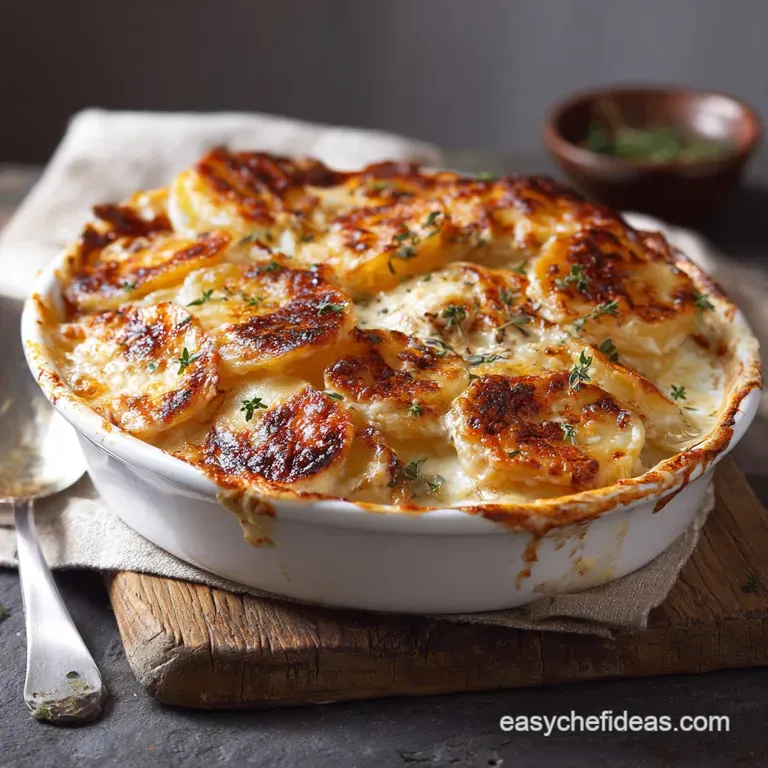
The Ultimate Creamy Scalloped Potatoes: A Sunday Lunch Classic
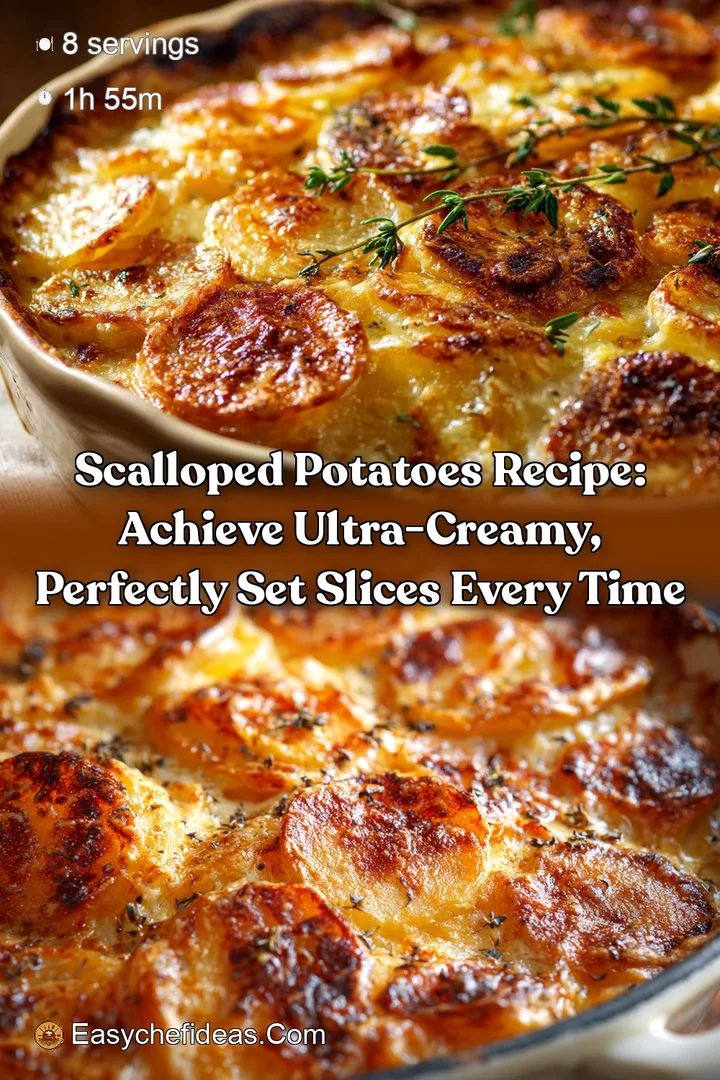
When that perfect dish of creamy, thinly sliced scalloped potatoes hits the table, the world stops for a second. You immediately smell the creamy, savory perfume of caramelized dairy and that subtle hint of nutmeg and garlic. The sight of that bubbling, golden brown crust promising velvety tenderness underneath?
Pure heaven.
Look, this isn't a 15 minute meal, but the ingredient list is shockingly simple and budget friendly, making it a dependable side. It’s the ultimate comfort food for a crowd, demanding only your time and patience, not complicated techniques.
This is the scalloped potatoes recipe easy enough for a weeknight but fancy enough for a holiday table.
We are ditching the bland, runny versions right now, okay? This specific method focuses on building flavor through aromatic infusion and ensuring the potatoes cook evenly every single time.
Let’s dive into how we achieve the best scalloped potatoes —silky, rich, and utterly non-negotiable for Sunday dinner.
The Culinary Science Behind This Creamy Perfection
This recipe is all about quality ingredients and slow cooked magic. We are building flavor from the ground up, starting with aromatics that perfume the cream before it even hits the oven. Forget those dry, floury messes; this method ensures a perfectly set, ultra creamy slice every single time.
The Defining Difference: Cream vs. Roux Thickened Sauce
Many older, traditional recipes skip the roux and just pour cream over the potatoes, relying solely on the potato starch to thicken. That method often leads to a grainy, broken sauce because the cream curdles under high heat before the starch kicks in. We use a small, simple Béchamel base (butter, flour, milk) to stabilize the sauce immediately, ensuring the luxurious, silky texture we are aiming for. This is what separates a good side dish from a sublime Scalloped Potato Gratin: The Ultimate Creamy Gruyère Recipe experience.
The Secret to Perfect Potato Thickness and Uniformity
Uniformity is the single most important factor in this whole process. If your slices vary wildly in thickness, some potatoes will be mushy while others remain frustratingly hard. Get a mandoline slicer.
Seriously, I spent years hacking away with a knife until I finally invested in one; it changed everything and is crucial for achieving uniform 1/8 inch slices.
Why We Use Gruyère (The Flavor Boost)
While the traditional French Gratin Dauphinoise uses only cream, adding a hard, nutty cheese like Gruyère is a total game changer for flavor depth. It melts beautifully without oiling out, providing that savory, earthy backdrop.
If you are going to use scalloped potatoes with cheese , Gruyère provides the most sophisticated result its slightly funky nuttiness is unparalleled.
Achieving Maximum Potato Tenderness
The key here is the low, slow cook time, particularly the initial 50 minutes covered tightly with foil. This traps steam and moisture, essentially poaching the potatoes in the cream sauce.
You are giving the starch molecules ample time to swell and soften without the edges drying out or the cream boiling over.
Preventing the Sauce from Breaking or Curdling
The biggest culprit for a broken sauce is usually adding cold dairy to a hot roux, or simply cooking the cream at too high a temperature. Make sure your milk and cream are gently warmed before they go into the sauce mixture.
This temperature matching is a small step, but it drastically reduces the chance of separation and guarantees a smooth sauce.
The Maillard Reaction: Browning the Top Crust
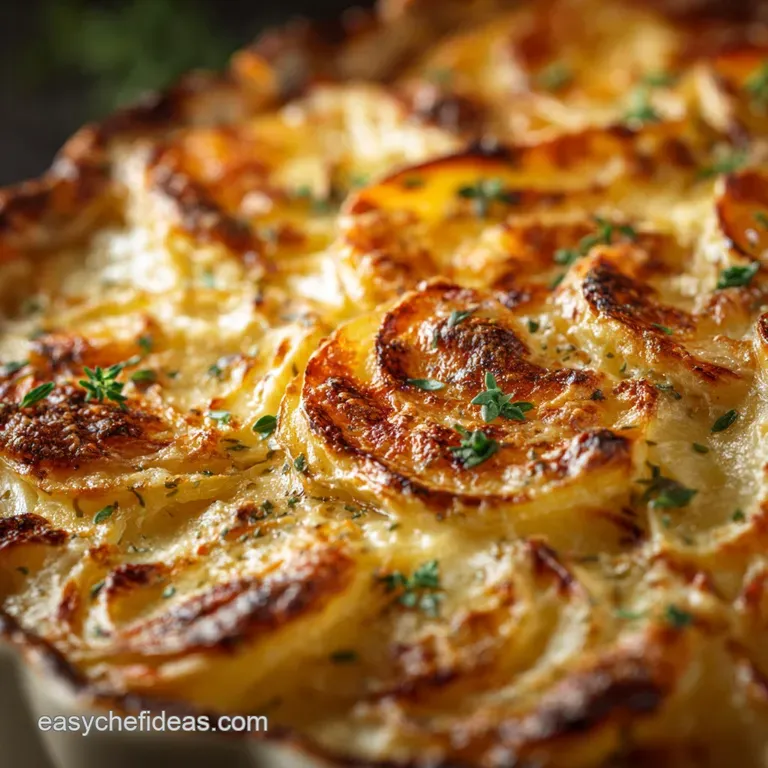
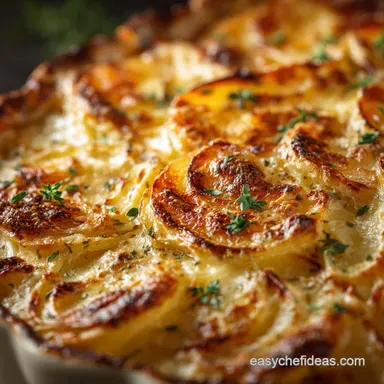
Once the potatoes are tender, we pull the foil and crank the oven heat for the final 25 minutes. This over high heat blast achieves the Maillard reaction that magical chemical change that creates the golden brown, bubbly crust.
That necessary contrast between the crispy top and the meltingly soft interior is what makes the creamy scalloped potatoes recipe so utterly addictive.
Essential Components for Ultimate Scalloped Potatoes
Choosing the Best Potatoes (Russet vs. Yukon Gold)
I generally lean toward Yukon Gold because they hold their shape slightly better and possess a natural butteriness that complements the cream. However, Russets are also excellent; they release more starch, which helps naturally thicken the sauce even more than the roux does.
Quick tip: Don't use waxy varieties like new potatoes. They remain too firm and won't absorb the delicious cream properly.
Dairy Decisions: Heavy Cream vs. Half and Half
This is comfort food, so we stick to heavy cream (sometimes called double cream). It provides the necessary fat content to coat the starch and create the velvetiest texture imaginable. If you absolutely must lighten it up, perhaps try my recipe for Skinny Scalloped Potato Gratin: Ultra Creamy low-fat Comfort Side another day. Otherwise, use full fat; you deserve it.
Aromatic Foundations: Shallots and Garlic
We build the flavor base by gently sweating shallots first, then adding the garlic right at the end of the sauté time. This crucial step avoids burning the garlic, which makes everything bitter and nasty.
These subtle aromatics infuse the butter and flour mixture, adding a depth that plain cream sauce simply cannot achieve.
Recommended Ingredient Substitutions and Swaps
Sometimes life throws you a curveball and you don't have Gruyère, right? No worries. Here are the swaps that actually work without ruining the whole dish.
| Ingredient | Swap/Substitution | Notes |
|---|---|---|
| Gruyère Cheese | Sharp Emmental or Mature Cheddar | Choose a hard, low-moisture cheese for the best melting performance. |
| Shallots | Yellow Onion (use half the amount) | Shallots are milder; use less onion to avoid overwhelming the delicate cream flavor. |
| Fresh Thyme | Dried Rosemary (1/2 tsp) or Dried Sage (1/4 tsp) | Use sparingly, as dried herbs are far stronger than fresh herbs. |
| Heavy Cream | Full Fat Canned Coconut Milk | This is an excellent dairy-free option; the coconut flavor is surprisingly mild once baked. |
How to Construct Your Creamy Potato Gratin
Chef's Note: Remember to preheat your oven and position the rack in the middle position. We want the heat to circulate evenly for a consistent bake.
Step 1: Infusing the Cream (The Critical Flavor Step)
The most important step for flavor starts before you even assemble the layers. After making your roux, slowly whisk in the warm milk and cream. Bring this mixture to a gentle simmer with the aromatics, seasoning it aggressively.
Remember, those raw potatoes absorb an insane amount of salt during cooking, so the sauce should taste slightly over seasoned now. I always grate my nutmeg right into the sauce at the end; it makes a huge difference in savoriness.
Step 2: Layering Technique for Even Cooking
Start your layering by overlapping the potato slices slightly, ensuring the surface is covered as uniformly as possible. We are aiming for three perfect layers total. Think about stacking dominoes, covering the whole surface of the prepared baking dish this prevents gaps that can dry out the precious cream sauce.
Step 3: Seasoning Between Every Layer
This is my personal secret to creating the best scalloped potatoes . While the bulk of the seasoning goes into the cream sauce, always finish the top of each potato layer with a tiny sprinkle of salt and pepper before adding the cream.
This ensures the potatoes themselves are seasoned, not just the liquid coating them.
Step 4: Oven Temperature and Timing Calibration
Stick rigidly to the two-stage cooking process: low and covered, then high and uncovered. The low heat (350°F / 175°C) ensures slow cooking without the cream boiling over, and the foil traps the moisture, essentially steaming the potatoes. Don't rush the process!
Check for tenderness with a fork before removing the foil for the final browning stage.
Pro Tips and Troubleshooting Your Scalloped Potatoes
Fixing Undercooked Potatoes Mid-Bake
Oh, the horror of cutting into the center and hitting resistance! If your knife won't slide easily after 70 minutes, cover the dish tightly again and drop the oven temperature back to 350°F (175°C). Give it another 10 to 15 minutes of slow steaming.
High heat will only crisp the top and dry out the edges; only time and moisture will soften those stubborn potatoes.
Avoiding the Grainy Sauce Pitfall
Graininess almost always stems from separated dairy or cooking the cream too quickly. Use full fat dairy, ensure you build a proper roux to stabilize the sauce, and most importantly: Never boil the cream vigorously. If you see large, rolling bubbles, turn the heat way down.
The Importance of Resting Time After Baking
I made this mistake so many times early on, slicing straight into the hot dish only to watch a cream tsunami flood the serving platter. Resting for 15 minutes allows the starch to gelatinize fully, and the sauce cools just enough to set firm.
It's truly essential for achieving clean, photo worthy slices that hold their shape.
make-ahead, Storage, and Freezing Guide
Can You Assemble Scalloped Potatoes Ahead of Time?
Absolutely! This is a fantastic make-ahead recipe, perfect for big dinners. You can assemble the whole dish up to 24 hours in advance, cover it tightly, and store it in the fridge. Warning: Potatoes can discolor slightly when raw.
To prevent this, add about 1/2 teaspoon of lemon juice to the cream sauce, which helps slow the oxidation process before baking.
Reheating Leftovers Without Drying Them Out
Leftovers are fantastic, lasting 3 to 4 days refrigerated. To reheat, scoop individual portions into an oven safe dish, cover it with foil, and warm at 325°F (160°C) until heated through (about 20 minutes).
Adding a tiny splash of milk or cream to the side of the container helps reintroduce moisture and keep the edges soft.
Proper Freezing Techniques (Baked vs. Unbaked)
Scalloped potatoes freeze surprisingly well, especially if they are fully baked first. Let the dish cool entirely after baking, then portion it into small, freezer safe, airtight containers. They will last up to 3 months.
When reheating from frozen, thaw them overnight in the fridge first, then reheat covered with foil; this minimizes the chance of the sauce going grainy.
What to Serve With Creamy Potato Gratin
This dish is so intensely satisfying, it needs strong, savory flavors or simple, bright greens alongside it. It’s the classic side dish for a large roast, of course.
We love serving this with simple steamed tenderstem broccoli or quick blanched green beans tossed in lemon and sea salt to cut through the richness. If you are looking for other potato side inspiration, you might enjoy my tips for Garlic Mashed Potatoes: The Ultimate Creamy, Flavor Packed Side Dish — a great alternative if you want to skip the slicing step!
Recipe FAQs
What is the best type of potato for scalloped potatoes?
Waxy to medium starch potatoes, like Yukon Golds, are highly recommended because they hold their shape beautifully during the long bake and provide a naturally creamy texture. Avoid high starch Russets, as they can release too much starch into the sauce, making the final dish overly thick and gluey.
Why are my scalloped potatoes still hard after the specified cooking time?
This common issue is generally due to slicing the potatoes too thickly; they should ideally be cut to about 1/8th of an inch, which allows them to fully absorb the heat and sauce. If you notice the top browning too quickly, cover the dish tightly with foil and continue baking until a paring knife easily slides through the center.
My cream sauce separated or curdled during baking. How can I prevent this?
Sauce separation usually occurs when dairy is overheated or if the cream has a low-fat content. Always use heavy cream or whole milk for the richest and most stable sauce base, and ensure you do not bring the sauce to a rolling boil before layering it with the potatoes.
Can I assemble scalloped potatoes ahead of time?
Yes, you can assemble the entire dish, including the sauce, up to 24 hours in advance and store it tightly covered in the refrigerator. However, chilling the raw potatoes in the sauce may cause them to slightly stiffen, so allow the casserole to sit at room temperature for at least 30 minutes before baking to ensure even cooking.
Can I substitute a different cheese for Gruyère?
Absolutely; while Gruyère offers a nutty complexity, you can easily substitute it with other excellent melting cheeses. Good alternatives include aged white cheddar, Fontina, or Comte, all of which provide excellent flavor and a creamy melt without becoming oily.
Is it possible to freeze leftover scalloped potatoes?
Freezing is generally not recommended, as the delicate structure of the cream sauce and the high water content of the potatoes are compromised by the freezing process. Upon thawing, the sauce will often break or become watery, and the potatoes will take on a grainy, mealy texture.
How can I adapt this recipe to be dairy-free?
To make this dish dairy-free, substitute the heavy cream with full fat canned coconut milk or a high-quality cashew cream blend for richness, although this will introduce a slight flavor variation.
You must also replace the butter with a vegan butter stick and omit the Gruyère or use a high melting vegan cheese substitute.
Ultimate Creamy Scalloped Potatoes
Ingredients:
Instructions:
Nutrition Facts:
| Calories | 830 kcal |
|---|---|
| Protein | 33.8 g |
| Fat | 25.2 g |
| Carbs | 117.1 g |
