The Ultimate Cantonese Wonton Soup Silky Wrappers and Aromatic Broth
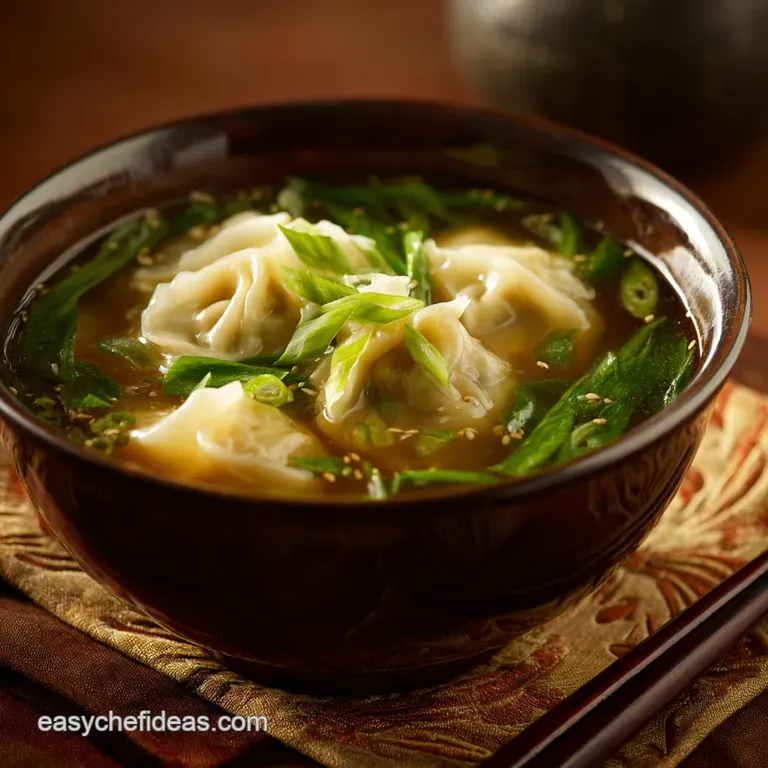
- The Art of Authentic Cantonese Wonton Soup
- A Culinary Hug: Why This Recipe Stands Above the Rest
- Gathering Your Culinary Toolkit and Core Ingredients
- Achieving the Ideal Filling Consistency
- Mastering the Savoury Pork and Prawn Filling
- The Simple Art of Wrapping Wonton Soup Dumplings
- Simmering the Gold Standard Wonton Broth and Final Assembly
- Frequently Asked Questions About This Wonton Soup Recipe
- Flavor Tweaks and Adaptations for Your Perfect Bowl
- Recipe FAQs
- 📝 Recipe Card
The Art of Authentic Cantonese Wonton Soup
A proper bowl of Wonton Soup is the quintessential example of Cantonese culinary philosophy, balancing subtle complexity with pure, clean flavors. True excellence lies in the perfect harmony between the delicate, savoury filling and the crystal clear, aromatic broth.
Forget the dense, store-bought versions; our focus is on creating a sublime experience where every element shines, making this a true testament to Homemade Wonton Soup.
This dish, originating in the southern province of Guangdong, relies heavily on textural contrast and freshness. We aim for a wrapper that is silky smooth offering minimal resistance and a filling that provides a satisfying snap.
Mastering this balance transforms the meal from simple soup into a profound comfort dish.
A Culinary Hug: Why This Recipe Stands Above the Rest
This specific Wonton Soup Recipe is superior because we prioritize traditional techniques often skipped in quick preparations, ensuring unmatched flavor depth. We take the time to properly chill the filling and clarify the broth, which are small steps that make a huge difference in the final product.
The result is a vibrant, deeply satisfying bowl of Won Ton Soup that truly feels like a warm culinary embrace.
Our approach demystifies the process, proving that achieving restaurant quality texture and flavor is entirely possible at home. By utilizing high-quality Wonton Soup Ingredients and focusing on precision during the mixing phase, we guarantee a succulent filling that remains tender inside a perfectly cooked wrapper.
This careful method ensures that every spoonful is rich in umami without being overly heavy.
Why The Broth is the Star (The Secret to Umami Depth)
The magic of truly great Wonton Soup lies fundamentally in its broth, which acts as the gentle carrier for the dumplings. We achieve phenomenal umami depth by gently infusing quality chicken stock with smashed aromatics like ginger and garlic, avoiding a hard boil.
This slow steeping process extracts maximum flavor components from the stock base and ensures the resulting liquid remains brilliantly clear. The clarity is a hallmark of a high-quality Wonton Soup Broth Recipe and is essential for a beautiful presentation.
Identifying the Perfect Wonton Wrapper Texture
Authentic Cantonese wontons demand a specific wrapper: thin, pliable, and made specifically with egg, resulting in that wonderfully silky "slip" when cooked. You must avoid thicker, doughier wrappers typically reserved for potstickers or ravioli, as those detract from the light, delicate filling.
The ideal wrapper should become almost translucent after a brief boil, maintaining structure while offering minimal floury resistance.
Essential Tools for Streamlined Dumpling Assembly
Efficient assembly requires a clean, organized workspace set up like a small, practical production line. A large cutting board lined with parchment paper is crucial for holding the finished wontons without them sticking to the surface.
Plus,, preparing a small ramekin of egg white for sealing and keeping a damp cloth over the unused wrappers prevents premature drying.
Here are the critical tools needed for smooth assembly:
- Parchment lined tray (for finished wontons)
- Small rubber spatula (for mixing the filling)
- Small ramekin (for the egg white wash)
Gathering Your Culinary Toolkit and Core Ingredients
Before beginning the assembly of this Easy Wonton Soup Recipe, gather all Wonton Soup Ingredients while ensuring the meat and prawns are thoroughly chilled. Chilliness is crucial for both food safety and texture, especially when working with the ground pork filling.
Having all components measured and ready minimizes friction during the folding stage, which is the most time intensive part of the recipe.
We also confirm the need for specific flavor enhancers like traditional Shaoxing rice wine and fresh, paper thin wonton wrappers. Preparation is everything in Cantonese cooking, and success is highly dependent on having the right foundation ingredients at hand.
The broth backbone needs only a few key aromatics and a robust, low-sodium chicken stock to start.
Achieving the Ideal Filling Consistency
Achieving the characteristic bouncy, springy texture known as Q in Chinese culinary terms requires careful technique during the blending process. The goal is to transform the ground meat and prawns into a sticky, cohesive paste rather than a crumbly mix.
This structural integrity is essential because it ensures the filling holds its shape and maintains a tender, juicy quality once cooked in the hot broth.
Breakdown of Ingredients for the Silky Filling
The classic Cantonese filling relies on the balance of cold, medium fat ground pork and sweet, bouncy prawns for maximum textural pleasure. Key seasonings include a dash of sugar and light soy sauce to perfectly highlight the seafood's natural sweetness and inherent savoriness.
The unexpected addition of finely chopped water chestnuts provides a necessary, clean crunch against the smooth protein base.
Building the Aromatic Broth Base (Stock Selection)
The foundation of our Easy Wonton Soup Recipe must be excellent stock; therefore, choose a high-quality, low-sodium chicken stock to prevent a metallic taste. Using low-sodium liquid is essential because it allows us to control the final seasoning precisely with soy sauce and white pepper.
This approach ensures the delicate flavors of the ginger and garlic infusion are the stars, not excessive salt.
Sourcing and Preparing the Key Aromatics (Ginger, Shallots, etc.)
The success of both the filling and the broth depends entirely on the freshness of your chosen aromatics. For the broth, simply slice unpeeled ginger and lightly smash the garlic cloves to maximize their surface area during the gentle infusion process.
Conversely, the filling demands finely grated fresh ginger and the perfectly minced white parts of spring onions to distribute flavour evenly throughout the dense, sticky mixture.
The Importance of Hydration and Binding Agents
Cornstarch serves as the absolutely critical binding agent, helping the protein adhere during the vigorous mixing required to develop the filling's texture. On top of that,, incorporating a tiny amount of ice-cold water or stock during the mixing step is essential for achieving a supremely moist, tender interior.
This hydration technique ensures the filling remains juicy throughout the cooking process, avoiding a common dry or crumbly result.
Related Recipes Worth Trying
- The Best Swamp Soup With Turnip Greens Recipe Rustic Dinner — Elevate rustic Swamp Soup With Turnip Greens using smoked ham hock for a deeply savoury hearty homemade soup dinner Ready to try this classic
- Mums Old Fashioned Vegetable Beef Soup Recipe Hearty Tender — Need a truly comforting meal This Old Fashioned Vegetable Beef Soup recipe delivers tender beef and rich broth Guaranteed to warm you up Find the full...
- The Sunday Best Vegetable Beef Soup Recipe Classic Hearty — Get the ultimate easy vegetable beef soup recipe This classic hearty soup is forktender and perfect for a chilly afternoon Get the simple steps now
Mastering the Savoury Pork and Prawn Filling
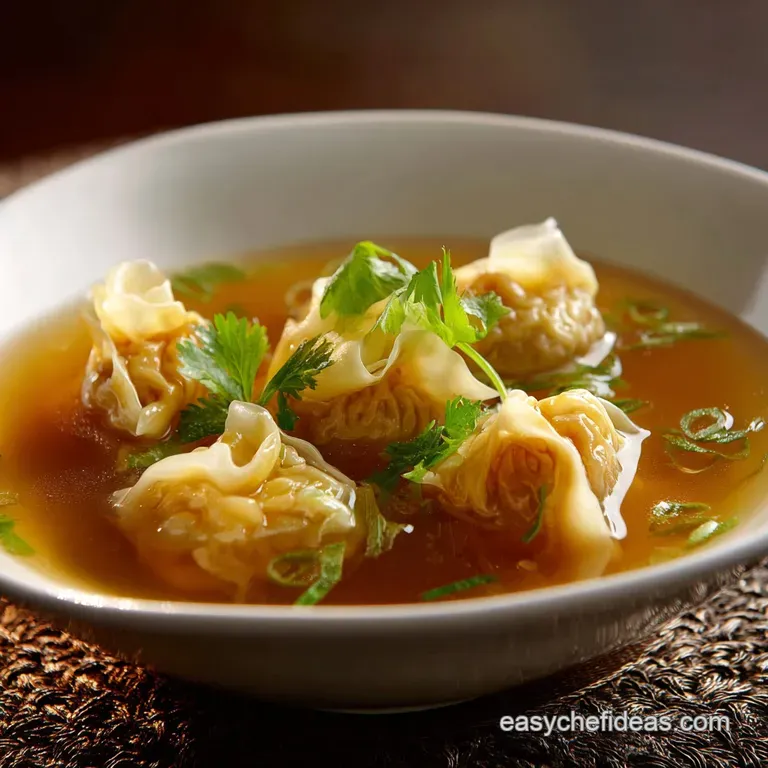
Mastering the filling is all about temperature control and muscular effort to develop the proteins. Start by ensuring both the pork and prawns are fridge cold, which helps prevent fat separation during mixing.
The technique involves seasoning thoroughly and then mixing vigorously to create a cohesive paste that is ready for wrapping.
The Simple Art of Wrapping Wonton Soup Dumplings
Wonton folding, while repetitive, is a simple art that requires only a little practice to master the process quickly. The classic purse shape is simple and highly effective, creating a beautiful presentation while ensuring the wrapper fully encloses the filling.
Remember to seal all edges tightly using the egg white wash to prevent any leaks during boiling, which would severely compromise the clarity of the broth.
Simmering the Gold Standard Wonton Broth and Final Assembly
We are now ready for the final cooking phases, which involve infusing, straining, and seasoning the broth to achieve that gold standard clarity. The final assembly must be swift, combining the piping hot broth with the freshly cooked, silky wontons and blanched greens.
This ensures maximum heat and textural contrast upon serving.
Preparing the Prawns and Mincing the Pork Properly
For the best textural contrast, the pork must be minced very finely and kept exceptionally cold throughout the entire process. The prawns should be roughly chopped rather than completely minced to retain distinct, bouncy pieces that provide a lovely snap when bitten.
Always ensure you press out any excess moisture from the prawns before incorporating them into the meat mixture to guarantee a perfect binding consistency.
The Technique for Mixing and Developing the Paste (One Direction Stirring)
The most crucial technical step for the filling is mixing in one direction only for at least three to four minutes until the paste appears sticky and pulls away cleanly from the sides of the bowl. This dedicated, directional stirring develops the essential myosin proteins, creating the necessary binding and elasticity.
The result is a filling that holds its shape perfectly during boiling and possesses that satisfying, bouncy mouthfeel.
step-by-step Wonton Folding Guide (The Simple Purse Method)
Start the folding process by placing a conservative teaspoon of filling exactly in the centre of the square wrapper, keeping the wide edges completely clean. Brush two adjacent edges with the egg white and fold diagonally to form a large triangle, taking care to press out any trapped air pockets around the filling.
Finally, lightly brush one of the triangle’s outer corners with egg wash, bring the two bottom points together, and pinch them firmly to create the classic shape.
Immediate Cooking vs. Preparing for Later Storage
While immediate cooking guarantees the freshest and most vibrant flavor, these wontons are excellent candidates for batch preparation. If you are preparing them for a future Lazy Wonton Soup meal, immediately place the finished dumplings on a floured, parchment lined tray, ensuring they do not touch.
Once they are frozen rock solid, you can safely transfer them to an airtight container for up to three months of convenient future enjoyment.
Perfecting the Broth Seasoning Before the Boil
After straining the infused stock, it is vital that you taste the broth before adding the final, concentrated seasonings like soy sauce and rice wine. The initial infusion should already be subtly flavorful, which allows the added liquid seasonings to bring the savoury, salty notes into perfect balance.
Since the filling itself contains salt and soy sauce, the clear broth should be seasoned assertively but carefully to avoid overall saltiness.
Cooking the Wontons and Assembling the Final Bowl
Always cook the wontons separately in a large pot of rapidly boiling water; this prevents starchy residue from leaking out and clouding your meticulously prepared clear broth. Once they float to the surface and the wrapper looks translucent (which takes 3– 5 minutes), transfer them directly into the preheated serving bowls alongside the blanched greens.
To finish, gently ladle the piping hot, clear Wonton Soup Broth Recipe over the top and garnish generously for immediate service.
Frequently Asked Questions About This Wonton Soup Recipe
Q: Can I use vegetable stock instead of chicken stock for the broth? A: You certainly can use vegetable stock, but be aware that it will lack the inherent depth and mouthfeel that chicken stock provides, requiring more aggressive seasoning.
Try fortifying the vegetable stock with dried mushrooms to increase the umami levels.
Q: Why did my filling turn out tough? A: A tough filling is usually a result of using meat that wasn't cold enough, or skipping the crucial step of mixing the paste vigorously in one direction to properly bind the proteins.
Always ensure your ingredients are chilled, and don't skimp on the mixing time.
Q: How can I speed up this recipe for a weeknight meal? A: To create a quick Lazy Wonton Soup, prepare and freeze the wontons ahead of time, then simply pull them out and drop them directly into boiling water when you need them.
The broth can also be prepared and refrigerated several days in advance, making assembly incredibly fast.
Flavor Tweaks and Adaptations for Your Perfect Bowl
Customizing your Wonton Soup experience allows you to cater the dish perfectly to your preferences or dietary needs. Whether you seek to add heat, require a gluten-free option, or simply want to maximize the visual presentation, a few simple tweaks can elevate the outcome.
Achieving your perfect bowl is about subtle adjustments to both flavour and texture.
How to Freeze Wontons Without Them Sticking Together
The key to perfect freezing is employing the essential flash freeze method right after folding the dumplings. Arrange the uncooked wontons on a baking sheet dusted heavily with cornstarch or rice flour, ensuring that absolutely none of them are touching each other.
Place this entire tray into the freezer until they are completely frozen solid; only then can you transfer them to a freezer bag or container without fear of them fusing into an unusable mass.
Addressing Common Issues: Split Wrappers and Tough Filling
Split wrappers are most frequently caused by either overfilling the wrapper or by allowing the edges to dry out before you seal them securely. Use a minimal amount of filling, and remember to keep unused wrappers covered with a damp cloth while you work your way through the stack.
A tough or dry filling results from poor protein binding; ensure you incorporate the cold liquid and mix consistently in one direction until the paste is sticky.
Nutritional Information and Serving Suggestions
This beautiful Homemade Wonton Soup is surprisingly light in Wonton Soup Calories compared to heavier Chinese takeout options, making it a fantastic, guilt free meal. A generous bowl, rich in lean protein from the pork and prawns, is estimated to contain between 320 to 380 calories, making it a well balanced and satisfying lunch or dinner.
Serve the wontons alongside blanched leafy greens like choi sum to boost the fiber and essential nutrients in the final dish.
Vegetarian and gluten-free Wrapper Substitutions
For a delicious vegetarian take on this classic, substitute the pork and prawn filling with a savoury mixture of finely minced shiitake mushrooms, firm tofu, and some crunchy water chestnuts.
If you are dealing with gluten intolerance, you can seek out specialty gluten-free rice based spring roll wrappers, although you must handle these alternatives very carefully as they are significantly more fragile than traditional egg wonton wrappers.
Garnishes That Elevate the Experience (Chives, Chili Oil, Pickled Greens)
Never underestimate the dramatic power of a final, elegant garnish when serving your traditional Won Ton Soup. A generous scattering of thinly sliced fresh spring onions (the green parts) adds an immediate, necessary burst of freshness and aroma to the bowl.
For those seeking heat, a careful drizzle of homemade chili oil introduces deep color and layered complexity, while a side of tangy pickled mustard greens offers a wonderful, acidic contrast to the rich pork filling.
Recipe FAQs
Can I make and freeze the wontons ahead of time so I can just chuck them in the soup later?
Absolutely! Raw, frozen wontons are a lifesaver for busy weeknights, saving you an absolute age on assembly. Freeze them flat on a baking tray until solid like rock solid then transfer them to a freezer bag; they will keep happily for up to three months, cooking time will just need an extra minute or two.
I followed the recipe, but my broth isn't crystal clear what gives?
That's a classic hiccup! The secret to a proper, clear Cantonese Wonton Soup broth is gentle simmering never a rolling boil and crucially, always cook the wontons separately in plain water to prevent starchy residue from clouding your lovely soup base.
I don't eat pork; is there a good replacement for the filling?
Of course. You can swap the pork entirely for ground chicken or turkey, though these are leaner meats, so you might need to compensate with an extra teaspoon of sesame oil or even a dash of cream for moisture and richness.
How long can I keep the leftover soup in the fridge, and will the wontons go soggy?
Leftover soup is safe to keep for about 3 days, but you're spot on about the soggy factor wontons soak up broth like a thirsty sponge! For optimal texture, always store the broth and the cooked wontons separately, combining them only when you are ready to reheat and serve.
I can't find Shaoxing rice wine anywhere is it essential for the authentic flavour?
While Shaoxing adds a deeply authentic, malty note it's truly the bee's knees for depth you can use dry sherry or Japanese cooking sake as a perfectly acceptable alternative if you're in a real pickle and can't source the real deal.
Ultimate Cantonese Wonton Soup Recipe
Ingredients:
Instructions:
Nutrition Facts:
| Calories | 1991 kcal |
|---|---|
| Protein | 35.3 g |
| Fat | 31.1 g |
| Carbs | 38.0 g |
| Fiber | 3.4 g |
| Sugar | 1.1 g |
| Sodium | 470 mg |
