The Ultimate Homemade Boba Chewy Tapioca Pearls and 5 Essential Bubble Tea Flavours
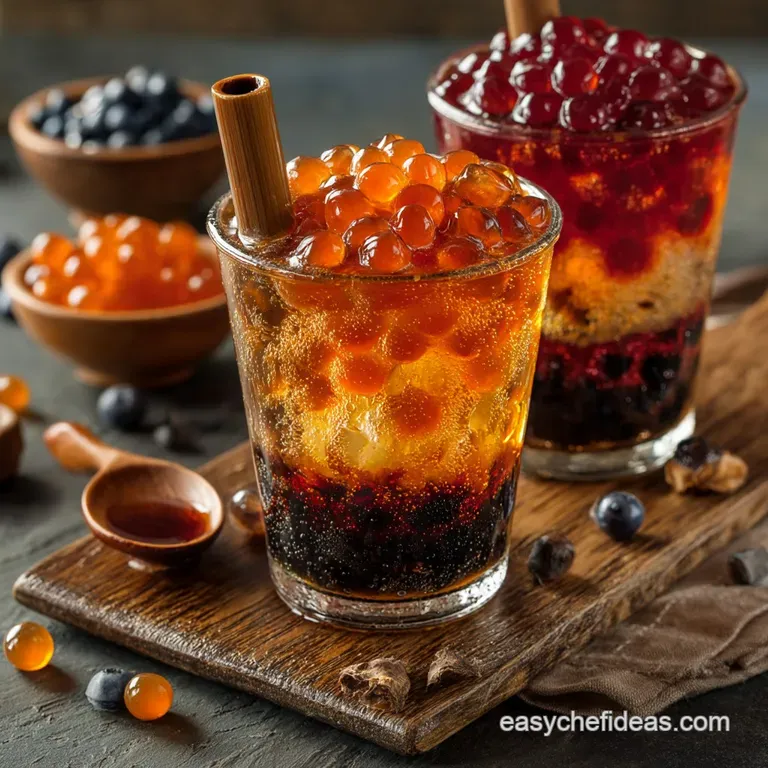
- Mastering the Art of Chewy Perfection: Why DIY Boba Is Better
- Decoding the Two-Part Recipe: Boba Pearls and Bubble Tea Flavors
- Sourcing Your Starch: The Critical Components for Homemade Pearls
- Ingredients for the 5 Essential Bubble Tea Flavors
- Step-by-Step: Crafting the Tapioca Dough and Rolling the Pearls
- Cooking the Boba: From Hard Pearl to Soft Perfection
- Assembling Your Ultimate Boba Pearls and Bubble Tea Flavors
- Advanced Tips and Tricks for Next-Level Boba
- Health Metrics and Variations
- Recipe FAQs
- 📝 Recipe Card
Mastering the Art of Chewy Perfection: Why DIY Boba Is Better
For dedicated fans of this delightful beverage, there is no substitute for the deeply satisfying chewiness of freshly made tapioca pearls. While store-bought, instant varieties offer convenience, learning How To Make Boba Pearls At Home provides total control over texture, size, and sweetness delivering a final product exponentially superior to anything pre-packaged.
Embracing the challenge of creating Homemade Boba Pearls allows you to tailor the classic Boba Pearls and Bubble Tea Flavors precisely to your palate, guaranteeing the perfect combination of springy pearls and richly flavoured tea every time.
This comprehensive guide details the Boba Pearls Recipe that will transform your kitchen into the ultimate tea shop.
Decoding the Two-Part Recipe: Boba Pearls and Bubble Tea Flavors
The beauty of bubble tea lies in the symbiotic relationship between two core elements: the dark, chewy tapioca balls and the deeply brewed, often creamy, liquid base. Success hinges on mastering both components independently.
The pearls require precise temperature control to achieve the right consistency, while the tea bases demand strong brewing to stand up to the sweetness of the syrup soak and the creaminess of the milk or purées.
The 'QQ' Secret: Understanding the Perfect Texture
The defining characteristic of superior bubble tea is the "QQ" factor, a term borrowed from Taiwanese cuisine meaning delightfully chewy, bouncy, and resilient. A great boba pearl should offer slight resistance when bitten, quickly springing back into shape without being hard, chalky, or disintegrating into mush.
Achieving this perfect consistency is the goal of our Best Boba Recipe and depends entirely on the correct handling of the tapioca starch during the initial mixing phase.
A Quick History of Bubble Tea's Global Rise
Originating in Taiwan during the 1980s, bubble tea was initially a simple marriage of black tea, milk, and ice. The addition of the signature tapioca balls which resemble large bubbles when cooked cemented its unique identity.
What began as a local Taiwanese treat quickly became a global culinary phenomenon, spawning countless flavor variations and cementing its status as an iconic street food beverage worldwide.
Essential Equipment for Seamless Boba Production
While the ingredients are simple, precise execution demands a few specific tools. A digital kitchen scale is highly recommended for accurately measuring the tapioca starch and liquids, as dough making is sensitive to ratios.
You will need a large saucepan for boiling the finished pearls and a smaller saucepan specifically for preparing the crucial 'scalding liquid' that activates the dough. A fine mesh sieve is necessary for draining and rinsing the cooked pearls and for sifting excess starch from the raw boba.
The Time Commitment: Preparation vs. Enjoyment
While the reward is immediate, preparing boba from scratch is a medium difficulty endeavor that requires patience. Expect approximately 60 minutes of active prep time, which includes mixing the dough, kneading, and rolling the pearls.
The cooking phase takes about 25 minutes (boiling and simmering), followed by a mandatory minimum 30-minute soak in the brown sugar syrup. Plan for a total of nearly two hours from start to serving, though the kneading and rolling process can be a fun, hands-on activity.
Sourcing Your Starch: The Critical Components for Homemade Pearls
The foundation of truly great Homemade Boba Balls relies on three simple ingredients: tapioca starch, dark brown sugar, and boiling water. The brown sugar not only adds sweetness but provides the necessary rich, caramel colour that makes the pearls visually appealing before they even touch the syrup soak.
Ingredients for the 5 Essential Bubble Tea Flavors
Once the pearls are perfected, attention shifts to crafting the five iconic tea bases: Classic Milk, Taro, Mango, Matcha, and Thai Iced Tea. These bases utilize strong brewed black tea (Assam or Ceylon), strong green tea (Jasmine or Sencha), milk or creamer, and targeted flavor additions like purées or spice mixes.
Why Specific Tapioca Starch is Non-Negotiable
To successfully Make Boba At Home , you must use pure tapioca starch, often labeled as tapioca flour. This starch is derived from the cassava root and has a unique composition that allows it to gelatinize when exposed to extreme heat, creating the elastic, chewy texture that defines boba.
Crucially, do not attempt to substitute this ingredient with cornstarch, potato starch, or regular wheat flour; these starches behave entirely differently under heat and will result in a crumbly, unworkable dough.
Preparing the Dough Base: Sugar and Water Ratios
For a reliable, pliable dough, the ratio is paramount: 200g (1 ½ cups) of tapioca starch requires 100g (½ cup) of dark brown sugar and 120ml (½ cup) of boiling water.
The mixture of the hot water and sugar creates the necessary 'scalding liquid' that partially cooks the starch upon contact, initiating the gelatinization process needed for kneading.
Troubleshooting Common Starch Substitutions
If you attempt a substitution like cornstarch or flour, the resulting mixture will either dissolve upon cooking or, more likely, crumble during the kneading phase. Tapioca is unique in that it requires near boiling water to achieve the sticky, putty like consistency necessary to form resilient spheres.
Investing in the correct tapioca starch ensures success with the Boba Bubbles Recipe .
Building the Perfect Classic Black Milk Tea Base
The core of traditional bubble tea relies on a robust tea base. Brew 500ml (2 cups) of strong black tea, such as Assam or Ceylon, and allow it to cool completely. The strong brew ensures the tea flavour is not overpowered by the subsequent additions of 480ml (2 cups) of whole milk or creamer and the accompanying sweet boba syrup.
A touch of simple syrup can be added to the base if additional sweetness is desired before the boba is incorporated.
Sweet & Sour: The Refreshing Fruit Tea Components
When preparing fruit based variations, the base shifts to strong green tea, typically Jasmine or Sencha, brewed and chilled. For refreshing options like the Mango flavor, combine chilled green tea with 60ml (¼ cup) of mango purée and simple syrup to taste.
The natural slight bitterness of the green tea balances the sweetness of the fruit and the brown sugar soaked boba.
Related Recipes Worth Trying
- Essential Roasted Tomatillo Salsa Verde Deeply Flavourful and Seriously Simple — Unlock deep smoky flavour with this foolproof Roasted Tomatillo Salsa Verde Unlike shopbought versions roasting delivers a thick complex sauce perfect for...
- The Golden Crown Perfectly Crispy Baked Cauliflower Steaks — Want truly crispy baked cauliflower steaks This easy recipe uses Panko and lemon zest for a satisfying crust perfect for weeknight meals Get the secret
- Sweet and Moist Honey Cornbread Recipe Easy Cast Iron Bake — Forget dry cornbread This easy Honey Cornbread Recipe bakes up sweet unbelievably moist and perfectly golden ideal for your next Sunday dinner Get the...
step-by-step: Crafting the Tapioca Dough and Rolling the Pearls
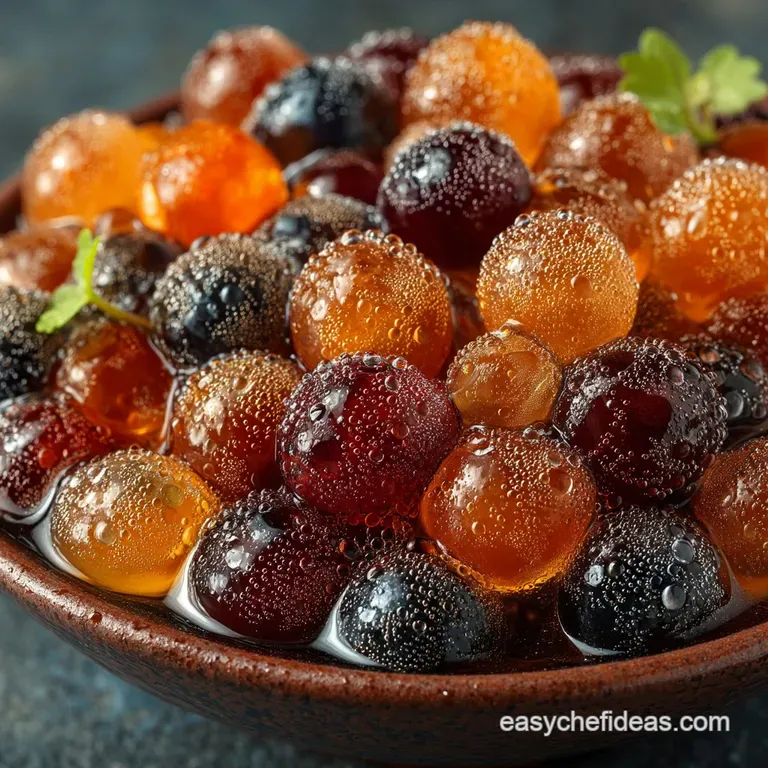
To start the Homemade Boba Pearls process, the dough must be made swiftly and accurately. First, combine the brown sugar and boiling water in a small saucepan and heat until the sugar is fully dissolved and the mixture is boiling rapidly this is the scalding liquid.
Next, place the tapioca starch in a large bowl. Pour the scalding liquid immediately over the starch and stir vigorously with a heatproof spatula. A shaggy, uneven dough will form quickly. This is where speed matters; the mixture must be worked while hot.
Once the initial mixing is complete, turn the dough out onto a lightly starched surface. Knead the dough for 5– 8 minutes until it achieves a smooth, uniform texture, similar to firm putty. Keep any portions you are not immediately working with covered to prevent premature drying.
Divide the smooth dough into four sections. Roll one section into a thin rope, approximately 1 cm (½ inch) thick. Use a knife to cut the rope into small 1 cm cubes, and roll each cube between your palms to form a small, perfect sphere.
Cooking the Boba: From Hard Pearl to Soft Perfection
The cooking process is a three part method that transitions the hard, raw tapioca into the soft, 'QQ' texture we crave. First, bring a large pot of water to a rolling boil. Gently drop the raw pearls into the water, stirring immediately to prevent them from sticking to the bottom of the pan.
Once the pearls float to the surface (which takes about 3– 5 minutes), reduce the heat to a medium low simmer. Continue to cook, partially covered, for 15– 18 minutes.
Finally, turn off the heat, cover the pot completely, and allow the boba to rest in the residual hot water for exactly 10 minutes. This resting period finishes the cooking without risk of over boiling.
Assembling Your Ultimate Boba Pearls and Bubble Tea Flavors
The final stage of this detailed Boba Pearls Recipe involves rinsing the pearls, soaking them in the signature brown sugar syrup, and constructing the drinks.
The Scalding Water Technique (Creating the Starter Dough)
The success of your dough starts with the rapid heating of the sugar and water. Combining 100g of brown sugar with 120ml of water and bringing it to a rapid boil ensures the liquid is hot enough to partially gelatinize the tapioca starch when mixed.
This initial cooking step is what binds the starch and allows the subsequent kneading to create a cohesive, workable ball.
Kneading and Shaping: Achieving Uniform Boba Size
Consistent pearl size is key to uniform cooking. After the 5– 8 minutes of rigorous kneading, roll the dough into slender ropes. Cutting these ropes into 1 cm cubes provides a manageable base for hand rolling.
Maintaining this size ensures that every pearl will cook through simultaneously during the simmering stage.
Preventing Sticking: The Resting and Dusting Process
Because tapioca starch is naturally sticky when moist, resting the pearls and using ample dry starch is critical. Dust the tray heavily before placing the finished raw pearls down.
Before cooking, use a sieve to shake off the excess starch; this prevents the water from becoming excessively cloudy during the boil, which can lead to mushy results.
The Boil, Simmer, and Rest Method
Following the 15 18 minute simmer, the 10-minute rest is often the most overlooked step in achieving the perfect texture. By covering the pot and removing it from the heat, the pearls continue to steam gently, finishing the gelatinization in the centre without risking overcooked, broken exteriors.
After the rest, drain the pearls and rinse them thoroughly under cold water to stop the cooking process immediately and remove any residual surface starch.
Creating the Signature Brown Sugar Syrup Soak
This soak provides the sweet, molasses flavour that beautifully complements the tea. Combine 200g (1 cup) of packed brown sugar and 240ml (1 cup) of water in a small saucepan. Heat until the sugar dissolves and the liquid thickens slightly about five minutes. Transfer the cooled, drained boba into this syrup.
They should soak for a minimum of 30 minutes, allowing them to absorb the rich flavor and color.
Recipe 1 & 2: Traditional Milk Tea and Thai Tea
To assemble, start by scooping 3 to 4 tablespoons of the soaked boba and a spoonful of syrup into a tall glass. For Traditional Milk Tea, fill the glass with one cup of chilled, strong black tea, and add half a cup of whole milk or creamer, stirring well over ice.
For Thai Tea, use a similar black tea base but steep it with a specific spice mix including Star Anise and Cardamom for that classic red hue and aromatic depth, then combine with milk and ice.
Advanced Tips and Tricks for Next Level Boba
To elevate your Homemade Boba Balls , remember that the freshness window is short. For optimal chewiness, enjoy the cooked and soaked pearls within four hours of preparation.
If you need to make them ahead, focus on freezing the raw, heavily dusted pearls instead of refrigerating the cooked ones. Always taste test your pearls during the simmering stage; cut one open the centre should be translucent, not opaque white.
If you see white, simmer for another few minutes until the interior is uniform and clear.
Health Metrics and Variations
Making your own boba allows unprecedented control over sweetness, which is often the biggest nutritional hurdle in commercial drinks.
Reheating Boba: Maintaining Freshness and Chewiness
Cooked boba should ideally be eaten immediately. If you have leftovers, storing them in the refrigerator causes the tapioca starch to harden rapidly. To attempt to revive them, you can warm them briefly in the microwave with a spoonful of the syrup or flash boil them in fresh simple syrup for one minute, though they will never return to their original 'QQ' texture.
Troubleshooting: Why Your Pearls Dissolved or Went Hard
If your pearls dissolved during cooking, the water was likely too hot, or the simmering time was too long, causing them to break down. Conversely, if the pearls have a hard, chalky white centre, they were not cooked long enough, or the initial scalding liquid was not hot enough to properly bind the dough.
Precision in timing is key to the Best Boba Recipe .
Calorie and Sugar Analysis of Homemade vs. store-bought Boba
A typical 12 oz serving of Boba Pearls and Bubble Tea Flavors using whole milk and four tablespoons of homemade pearls runs approximately 300 to 400 kcal. While still a treat, this offers significantly better sugar control than many commercial versions, which often utilize high fructose corn syrup and pre-sweetened powders, pushing calorie counts well over 500 kcal per serving.
Creative Variations: Adding Color and Flavor to the Pearls (E.g., Matcha Boba)
You can easily customize your boba before cooking. Simply add 1 tablespoon of flavouring powder (such as high-quality matcha powder, cocoa powder, or instant coffee powder) directly to the dry tapioca starch before incorporating the scalding liquid.
This results in uniquely flavored and coloured pearls, like delicious Matcha Boba, which offer an extra layer of complexity to your drink.
Optimal Storage Guidelines for Uncooked Tapioca Dough
If you have leftover dough or wish to prepare a large batch of raw pearls, do not refrigerate the dough, as it will dry out and harden quickly. Instead, roll all your Boba Bubbles Recipe pearls, dust them heavily with tapioca starch, and place them on a tray in the freezer until solid.
Once frozen, transfer them to an airtight container. They can be cooked directly from frozen, though they may require an extra 5– 8 minutes of simmering time.
Recipe FAQs
My tapioca dough fell apart when I tried to knead it did I mess up the temperature?
Absolutely! The temperature of the water is the single most important factor, especially for beginners. If the dough crumbles into dry bits, it means the water wasn't hot enough to properly gelatinise the starch. You must use genuinely boiling water for that initial scald.
If you find yourself in a spot of bother, add just a drop or two more boiling water until the dough holds together like firm putty; kneading quickly is the game changer here.
Can I make a big batch of boba pearls and keep them in the fridge for later?
Unfortunately, cooked boba is rather like a tricky guest it needs to be consumed quickly! Once cooled and stored in the fridge, the starch hardens (retrogradation), turning those delightfully chewy pearls into hard, chalky bullets.
For the ideal ‘QQ’ texture, only cook what you plan to eat within four hours. If you want to prep ahead, shape the raw pearls, dust them heavily with starch, and freeze them uncooked. Simply drop the frozen pearls straight into boiling water when you fancy a cuppa.
This recipe for Boba Pearls and Bubble Tea Flavors looks a bit sugary how can I make it healthier or less sweet?
That’s a common concern, as the pearls and syrup carry most of the sugar load. To dial back the sweetness without losing the essential flavour, reduce the amount of brown sugar you use in the soaking syrup, or swap it out for an alternative sweetener like maple syrup or honey.
Crucially, in the final assembly stage, rely on unsweetened milk alternatives and omit the extra simple syrup entirely, letting the boba soak provide the main sweet hit.
I can’t find tapioca starch easily; can I use cornflour or regular plain flour instead?
Please don't! Tapioca starch (often labelled tapioca flour) has unique properties that allow it to become elastic and translucent when boiled, which is essential for that perfect chew.
Cornflour, plain flour, or even potato starch will behave completely differently, resulting in a gloopy mess or a paste, not bouncy pearls. If you really can’t get hold of tapioca, your best bet is to look for pre-made instant boba packs, though they won't quite match the quality of homemade.
Beyond the five classics, what other fun flavour combinations work well with homemade boba?
The beauty of making your own boba is the endless scope for flavour variations! Seasonal fruit purées are brilliant try a fresh strawberry milk tea base or a tropical peach and oolong combination.
For something richer, consider a strong, chilled espresso shot mixed with milk and condensed milk for a Vietnamese coffee bubble tea. You could even incorporate warming spices by using a strongly steeped traditional Chai as your base.
Ultimate Boba Pearls Bubble Tea Guide
Ingredients:
Instructions:
Nutrition Facts:
| Calories | 494 kcal |
|---|---|
| Protein | 2.7 g |
| Fat | 4.1 g |
| Carbs | 56.9 g |
| Fiber | 0.3 g |
| Sodium | 137 mg |
