Easy Cheese Sauce Recipe
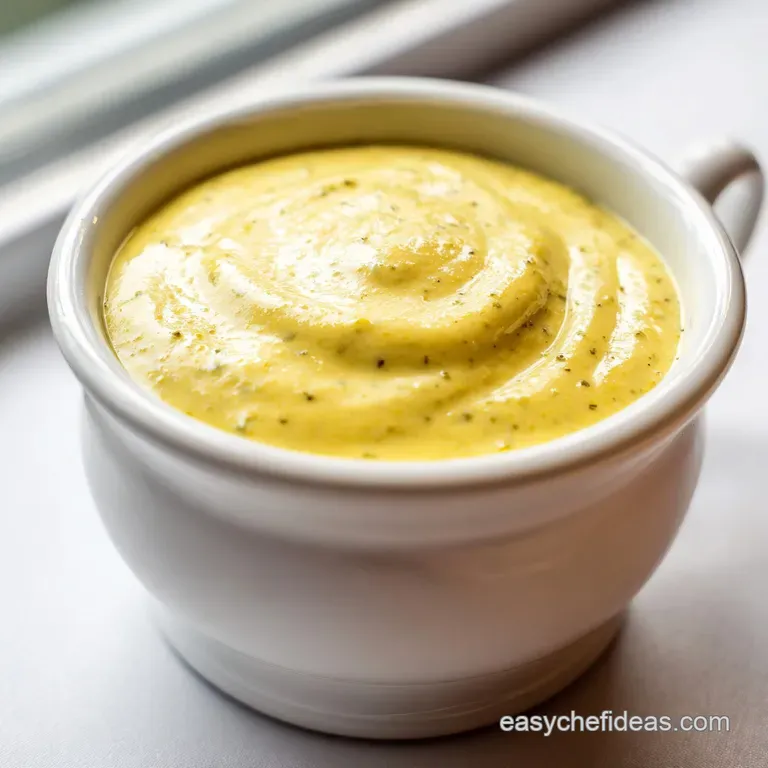
- Time: Active 5 minutes, Passive 10 minutes, Total 15 minutes
- Flavor/Texture Hook: Tangy, sharp, and velvety
- Perfect for: Nourishing weeknight dinners or picky eater-friendly gatherings
- Why This Nourishing Technique Works
- Essential Specs for Substantial Results
- Deep Dive into Flavor Components
- Essential Tools for Velvety Results
- Executing the Key Cooking Steps
- Solving Common Kitchen Texture Disasters
- Adaptations for Every Dietary Lifestyle
- Storing and Reheating Your Sauce
- Presentation Tips for Beautiful Plates
- Recipe FAQs
- 📝 Recipe Card
Why This Nourishing Technique Works
The physics of a stable Cheese Sauce relies on preventing the protein strands in the dairy from tightening and squeezing out the fat. When we use the right stabilizers, we create a microscopic mesh that keeps everything in suspension.
- The Starch Barrier: Cornstarch acts as a physical buffer, coating the cheese proteins so they cannot clump together into a grainy texture when heated.
- Emulsion Stability: The naturally occurring lecithins and proteins in Greek yogurt help bridge the gap between water and fat, creating a more resilient bond.
- Controlled Temperature: By using a cold slurry first, we ensure the starch granules swell evenly without forming lumps that ruin the mouthfeel.
- Lactic Acid Balance: The slight acidity from the Greek yogurt doesn't just nourish the gut; it helps break down the cheese proteins more effectively for a smoother melt.
| Method | Time | Texture | Best For |
|---|---|---|---|
| Cornstarch Slurry | 10 mins | Translucent, clean, silky | High protein broccoli topping |
| Traditional Roux | 20 mins | Opaque, heavy, buttery | Casseroles and heavy bakes |
| Sodium Citrate | 5 mins | Ultra liquid, processed feel | Modernist dip or nacho sauce |
This comparison highlights why our cornstarch based approach is superior for those seeking a lighter yet deeply flavorful outcome. While a roux offers richness, it often masks the sharp culture of the cheddar we want to highlight in this sauce for broccoli.
Essential Specs for Substantial Results
When we talk about nourishing our families, the details matter. This isn't a "fast food" style topping; it's a carefully balanced component designed to provide both satisfaction and nutrients. Similar to the logic behind my Cottage Cheese Alfredo recipe, we are focusing on maximizing protein without sacrificing that decadent mouthfeel we all crave.
| Ingredient | Science Role | Pro Secret |
|---|---|---|
| 2% Milk | Liquid base/solvent | Warm it slowly to avoid scorching the delicate proteins. |
| Extra Sharp Cheddar | Fat and flavor source | Always grate from a block to avoid anti clumping starches. |
| Cornstarch | Thickening agent | Mix with stone cold water to prevent instant clumping. |
| Greek Yogurt | Emulsifier and tang | Add at the very end to preserve the probiotic structure. |
Using high-quality, freshly grated cheddar is non negotiable here. Pre shredded bags are coated in potato starch or cellulose, which creates a gritty film that no amount of whisking can fix. Trust me, the three minutes of grating is worth the sublime result.
Deep Dive into Flavor Components
To build a truly layered flavor profile, we need to look beyond just the cheese. Each spice serves a specific purpose in creating a well rounded sauce.
- 1.5 cups 2% milk: Provides the creamy foundation. Why this? Offers a balance of richness and manageable fat content.
- 1 tbsp cornstarch: Our primary stabilizer. Why this? Creates a glossier finish than flour based thickeners.
- 1 tbsp cold water: For the slurry.
- 6 oz extra sharp cheddar cheese: The star of the show. Why this? Extra sharp provides the most punch against the milk.
- 2 tbsp Greek yogurt: For acidity and body. Why this? Adds a luxurious thickness and a boost of protein.
- 0.5 tsp dry mustard powder: A classic flavor enhancer. Why this? Mustard actually helps emulsify the fats in the cheese.
- 0.25 tsp garlic powder: Adds a subtle savory depth.
- 0.25 tsp smoked paprika: For a whisper of wood fired aroma.
- Salt and fresh cracked pepper: To brighten all the other elements.
If you find yourself missing an ingredient, don't worry the beauty of this cheesy broccoli sauce is its flexibility. You can swap the milk for a whole milk version for more decadence, or even a light cream if you're feeling fancy.
Essential Tools for Velvety Results
You don't need a high end kitchen to produce a professional grade sauce for broccoli. However, the right tools make the process more enjoyable and the result more consistent.
- Heavy bottomed saucepan: This prevents hot spots that can scorch the milk.
- Balloon whisk: Essential for keeping the cornstarch in motion and incorporating the cheese.
- Box grater: A simple tool that ensures your cheese is the perfect size for melting.
- Small ramekin: For mixing your slurry before it hits the pot.
Chef Tip: Freeze your block of cheddar for 10 minutes before grating. It makes the cheese firmer, preventing it from mashing against the grater and giving you clean, distinct shreds that melt more evenly.
Executing the Key Cooking Steps
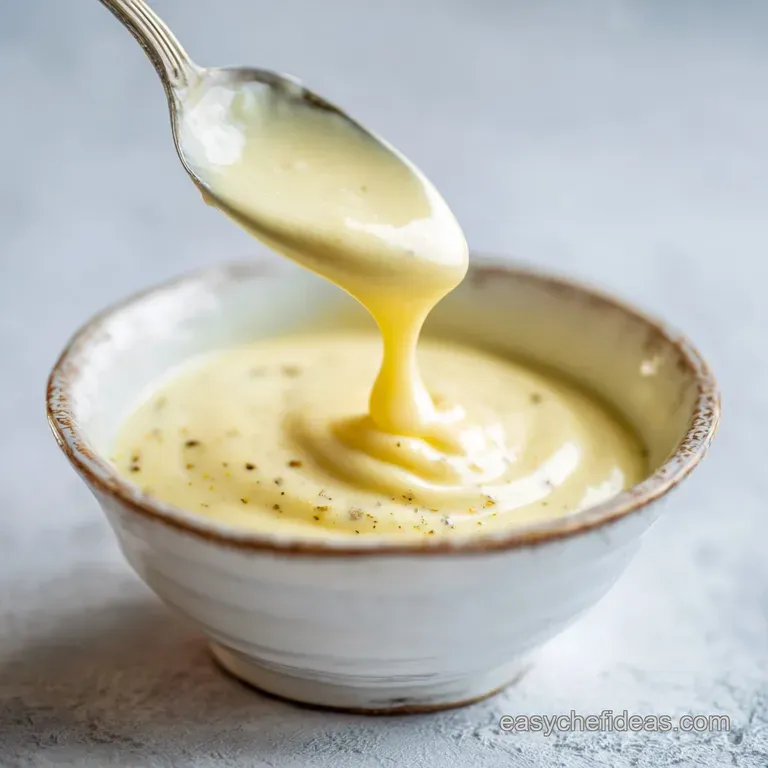
The process is rhythmic and sensory. Pay attention to the change in aroma as the spices bloom in the warm milk.
- Prepare the slurry. Whisk 1 tbsp cornstarch and 1 tbsp cold water in a small bowl until completely smooth. Note: This ensures no lumps form later.
- Heat the milk. Pour 1.5 cups 2% milk into your saucepan over medium heat.
- Season the base. Stir in the 0.5 tsp dry mustard, 0.25 tsp garlic powder, and 0.25 tsp smoked paprika.
- Thicken the liquid. Once the milk starts to steam (about 74°C), slowly whisk in the cornstarch slurry.
- Simmer and stir. Cook for 2 minutes until the liquid coats the back of a spoon.
- Reduce the heat. Turn the stove to the lowest setting. Note: Excess heat will cause the cheese to "break" and become oily.
- Incorporate the cheese. Add the 6 oz of grated cheddar in three separate batches, whisking constantly.
- Whisk until glossy. Continue stirring until the sauce is smooth and vibrant.
- Add the yogurt. Remove from heat and fold in 2 tbsp Greek yogurt.
- Final seasoning. Taste and add salt and cracked pepper as needed.
When you add the cheese, you'll notice the aroma shift from purely milky to a complex, sharp scent that fills the room. This is the moment the emulsion happens the liquid will transform from a thin soup into a heavy, luscious coating.
Solving Common Kitchen Texture Disasters
Even the best cooks run into trouble sometimes. Understanding the "why" behind a failed sauce is the first step toward fixing it and becoming a more confident member of the cooking community.
Why Your Sauce Turned Grainy
If your broccoli cheese sauce recipe looks curdled or sandy, it's usually because the heat was too high. When cheese proteins get too hot, they shrink and tighten, squeezing out the fat and water. To fix this, you can try adding a splash of warm milk and whisking vigorously off the heat.
Fixing a Broken, Oily Mess
A "broken" sauce happens when the fat separates from the liquid. This often occurs if you use pre shredded cheese or if the sauce was held at a simmer for too long. A teaspoon of lemon juice or a little more Greek yogurt can sometimes act as a rescue emulsifier to pull the sauce back together.
| Problem | Root Cause | Solution |
|---|---|---|
| Thin Sauce | Not enough starch or undercooked slurry | Simmer for 1 more minute or add a tiny bit more slurry. |
| Lumpy Texture | Slurry added to hot milk too fast | Pour through a fine mesh sieve and whisk again. |
| Bland Flavor | Lack of acidity or salt | Add a pinch more dry mustard or a drop of vinegar. |
Common Mistakes Checklist ✓ Never let the sauce reach a rolling boil once the cheese is added. ✓ Avoid pre shredded cheese; the cellulose prevents a smooth melt. ✓ Ensure your cornstarch slurry is fully mixed before adding it to the pot.
✓ Don't skip the dry mustard; it provides an essential sharp contrast. ✓ Use a whisk, not a spoon, to ensure the fat stays emulsified.
Adaptations for Every Dietary Lifestyle
We want everyone to enjoy the comfort of a homemade cheese sauce for broccoli, regardless of their dietary choices. While the original recipe is built for a balance of flavor and nourishment, these swaps can help you tailor it to your specific needs.
| Original Ingredient | Substitute | Why It Works |
|---|---|---|
| 2% Milk | Unsweetened Soy Milk | High protein content helps with emulsion. Note: Flavor will be slightly nuttier. |
| Sharp Cheddar | Nutritional Yeast (1/2 cup) | Provides a cheesy, umami flavor. Note: Result is less creamy, more liquid. |
| Greek Yogurt | Silken Tofu (blended) | Adds thickness and protein. Note: Less tangy than yogurt. |
If you are looking for more ways to incorporate these textures into your routine, you might enjoy exploring a different profile like my Garlic Parmesan Sauce recipe, which uses a similar thickening technique but with a more Mediterranean flair.
Storing and Reheating Your Sauce
This sauce keeps remarkably well, making it a great option for meal prep. Store it in an airtight glass container in the fridge for up to 4 days. You’ll notice it firms up significantly as it cools this is completely normal due to the starch and protein content.
To reheat, do not use the microwave on high power, as it will likely break the emulsion and leave you with an oily puddle. Instead, place the sauce in a small pan with a tablespoon of milk. Heat it over the lowest possible setting, whisking constantly until it regains its velvety glow.
Zero Waste Tip: If you have leftover sauce that isn't quite enough for another meal, don't toss it! Use the dregs to whisk into scrambled eggs for a luxurious breakfast, or stir it into a soup base for an instant boost of creaminess and depth.
Presentation Tips for Beautiful Plates
The visual appeal of a dish is part of the nourish factor. When serving this over steamed or roasted florets, don't just dump it on top. Use a small ladle to create a controlled drizzle, letting the sauce pool slightly at the base of the vegetables.
For a true "wow" factor, sprinkle a tiny pinch of extra smoked paprika or some toasted breadcrumbs over the top. The contrast between the bright green broccoli and the deep orange gold of the cheesy broccoli sauce is naturally appetizing. If you're hosting a larger gathering, this sauce is the ideal companion to a Broccoli Casserole recipe, providing an extra layer of moisture and sharp flavor that ties the whole meal together.
Mastering this simple cheese sauce for broccoli is a skill that will serve you for years. It’s a testament to the fact that with a little science and a lot of heart, we can turn humble ingredients into something truly sublime.
Enjoy the process, share it with your community, and let the aroma of melting cheese fill your home with warmth.

Recipe FAQs
What is the best sauce to put on broccoli?
A classic, slightly tangy cheese sauce is ideal. Its richness perfectly balances the slight bitterness of the broccoli, and the thickness allows it to cling well to the florets.
What is the best cheese to put on broccoli?
Use an extra sharp, aged cheddar for the best flavor impact. Aged cheeses have lower moisture and melt beautifully when paired with the right stabilizer, delivering a strong, savory punch.
How to make basic cheese sauce?
Whisk cornstarch into cold milk to create a slurry before heating. Slowly warm the milk mixture until thickened, then remove from heat and whisk in freshly grated cheese in batches until fully emulsified.
What is the secret ingredient in cheese sauce?
A dash of dry mustard powder is the culinary secret. It significantly enhances the perceived cheese flavor and acts as a natural emulsifier to help keep the fat suspended.
Is it true you must use a roux (flour and butter) to thicken cheese sauce?
No, this is a common misconception. A cornstarch slurry achieves a glossier, cleaner finish that is also lower in fat than a traditional roux based sauce, similar to how we manage stability in many quick sauces.
How do I stop my cheese sauce from becoming grainy or oily?
Remove the sauce from the heat before adding the cheese. High, direct heat tightens the cheese proteins, squeezing out the fat and causing graininess; incorporating the cheese off the heat ensures a smooth melt.
Can I substitute Greek yogurt for heavy cream in a cheese sauce recipe?
Yes, you can substitute Greek yogurt, especially for a tangier profile. It adds protein and acidity which helps stabilize the sauce, much like the tang used to balance richness in our Fish Florentine Recipe.
Smooth High Protein Cheese Sauce
Ingredients:
Instructions:
Nutrition Facts:
| Calories | 154 kcal |
|---|---|
| Protein | 9.6 g |
| Fat | 10.6 g |
| Carbs | 4.8 g |
| Fiber | 0.1 g |
| Sugar | 3.1 g |
| Sodium | 218 mg |
