Smoked Turkey Recipe: Juicy & Brined
- Time: Active 45 minutes, Passive 28 hours, Total 28 hours 45 mins
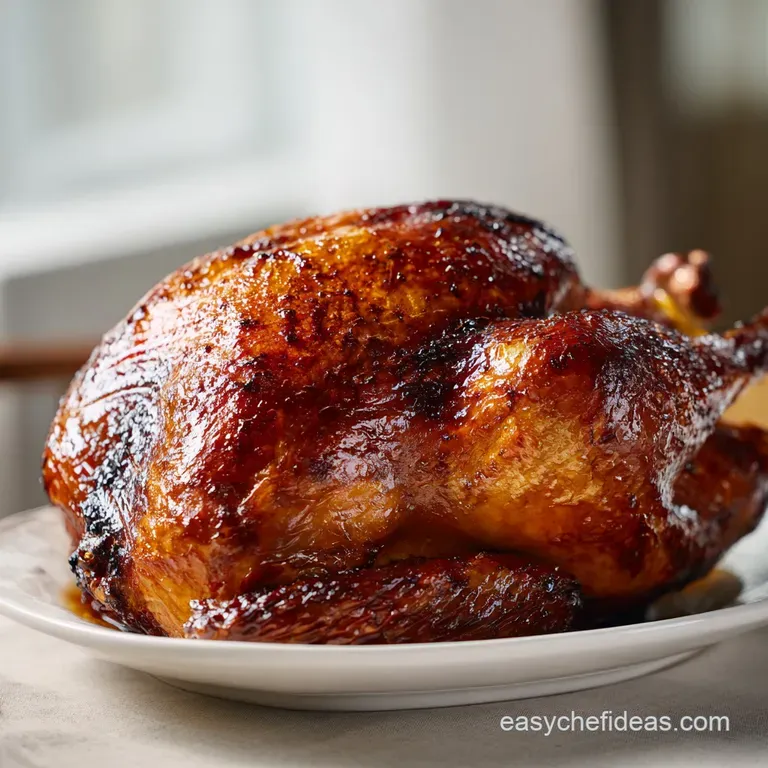
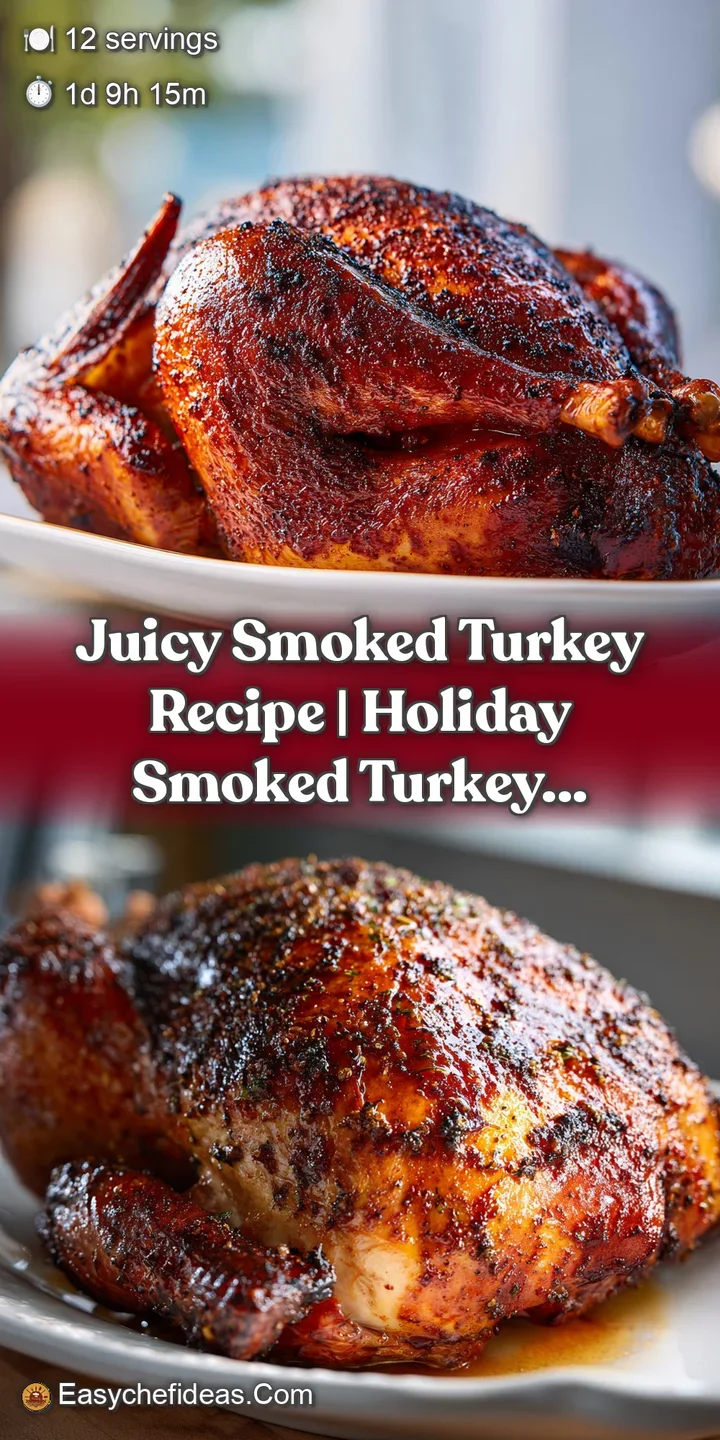
- Flavor/Texture Hook: Smoky, mahogany hued skin with an intensely succulent, herb infused interior.
- Perfect for: Holiday centerpieces, large family gatherings, or meal prep for the ultimate sandwiches.
- The Only Smoked Turkey Recipe You Need
- The Science of Juicy Smoke
- Timing and Temperature Checkpoints
- Selecting High Quality Ingredients
- Tools for a Perfect Smoke
- Mastering the Cooking Process
- Solving Common Smoking Problems
- Flavor Variations and Substitutions
- Storage and Waste Prevention
- Best Sides for Turkey
- Dispelling Common Smoking Myths
- Critical in Sodium
- Smoked Turkey Recipe FAQs
- 📝 Recipe Card
The Only Smoked Turkey Recipe You Need
I still remember the first time I hauled a massive bird out to my pellet grill. It was a crisp November morning, and the air smelled like damp leaves and wood smoke. I was a nervous wreck, honestly.
I kept thinking about every dry, stringy turkey I'd ever eaten at a holiday dinner and prayed this wouldn't be another one of those "pass the gravy just to swallow it" situations. But then, about four hours in, the aroma hit me - a mix of rosemary, garlic, and that deep, sweet scent of smoldering fruitwood.
When I finally carved into it, the juices didn't just drip; they practically sprayed across the cutting board. It was a revelation. This smoked turkey recipe isn't just about cooking meat; it's about nourishing your community with something that took time, patience, and a bit of kitchen science.
We’re moving past the basic roast and into a world where every bite carries the history of the brine and the patience of the smoke. Trust me, once you go this route, the oven starts to feel a bit lonely.
This bird is all about layers. We start with a deep penetrating brine that seasons the meat all the way to the bone, followed by a dry rub that focuses on skin texture. Most people forget that smoking is a dry heat process, which can lead to rubbery skin if you aren't careful.
We're going to use a few pro tricks - like baking powder and over high heat finishing - to make sure your results are nothing short of legendary. You'll get that beautiful mahogany color that looks like a magazine cover, but with a flavor that’s pure home cooked love.
The Science of Juicy Smoke
Building a better bird requires understanding how heat and moisture interact over several hours. When we use a pellet grill smoked turkey recipe, we are essentially creating a convection environment where the smoke acts as a seasoning.
But smoke alone can't save a dry bird, which is why the preparation phase is just as vital as the wood you choose.
- The Diffusion Effect: Salt in the brine physically alters the muscle proteins, allowing them to hold onto 10% more moisture during the cooking process.
- Alkaline Skin Dehydration: Adding baking powder to the rub raises the pH level on the skin, breaking down peptide bonds so the skin crisps up and shatters rather than stretching like plastic.
- The over High heat Finish: Increasing the temperature at the very end triggers the Maillard reaction, rapidly browning the sugars and fats for a complex, savory crust.
| Cooking Method | Total Time | Texture Outcome | Best For |
|---|---|---|---|
| Traditional Roast | 3 hours | Soft skin, mild flavor | Quick holiday prep |
| Low Slow Smoke | 4-5 hours | Smoky, tender, red ring | Deep flavor seekers |
| Spatchcock Smoke | 2 hours | Even cooking, very crisp | Large crowds/saving time |
If you are looking for a shorter commitment, you might want to look into the turkey cook time recipe for a standard oven approach. However, for those of us obsessed with that backyard aroma, sticking with the smoker is the only way to go. It transforms a standard meal into an event that nourishes both the body and the spirit of the gathering.
Timing and Temperature Checkpoints
To ensure your easy smoked turkey recipe turns out perfectly, you need to hit these three precision checkpoints. Smoking is less about the clock and more about the internal state of the meat.
- Grill Stability: Hold your smoker at a steady 225°F for the first three hours to allow maximum smoke penetration.
- The Pull Temp: Remove the bird from the heat exactly when the thickest part of the breast hits 160°F; carryover cooking will bring it to the safe 165°F.
- The Rest Period: Allow at least 30 minutes of resting time before carving to let the internal juices redistribute into the fibers.
| Component | Science Role | Pro Secret |
|---|---|---|
| Kosher Salt | Denatures proteins | Use Diamond Crystal for better coverage |
| Coconut Sugar | Promotes browning | Adds earthy sweetness without burning fast |
| Baking Powder | Skin texture | Makes skin shatter crisp via pH shift |
| Avocado Oil | Fat conductivity | High smoke point prevents acrid flavors |
Choosing the right wood is also part of the science. I usually go with a blend of apple and hickory. Apple gives that delicate sweetness that loves poultry, while hickory provides the "punch" that lets you know it’s been smoked.
If you use too much heavy wood like mesquite, you risk making the bird taste like a campfire, which isn't exactly what we're going for during a nice dinner.
Selecting high-quality Ingredients
For this juicy smoked turkey recipe, quality matters more than quantity. Every item in the brine and the rub serves a specific purpose in building those flavor layers.
- 13 lb whole turkey: Thawed completely. Why this? Smaller birds smoke more evenly and stay much juicier than giant ones.
- 2 gallons cold filtered water: The base for your brine.
- 1 cup kosher salt: For deep seasoning and moisture retention. Why this? Essential for the osmosis process that keeps meat tender.
- 1/2 cup coconut sugar: For a hint of caramelization.
- 4 cloves garlic, smashed: Provides a foundational aromatic layer.
- 3 stalks rosemary, bruised: Adds a piney, woodsy scent to the meat.
- 1 tbsp black peppercorns: For a subtle, biting heat.
- 1/4 cup avocado oil: To bind the spices to the skin.
- 2 tbsp smoked paprika: For that iconic mahogany color.
- 1 tbsp garlic powder & 1 tbsp onion powder: Concentrated savory notes.
- 1 tsp ground sage: The classic "holiday" flavor profile.
- 1 tbsp baking powder: The secret weapon for skin that shatters.
| Original Ingredient | Substitute | Why It Works |
|---|---|---|
| Coconut Sugar | Brown Sugar | Similar molasses content. Note: Slightly sweeter finish. |
| Avocado Oil | Ghee (Melted) | High smoke point and adds a rich, buttery depth. |
| Rosemary | Thyme | Both are resinous herbs that withstand long cook times. |
When you are prepping your bird, make sure it is completely thawed. I’ve made the mistake of trying to brine a half frozen turkey, and it just doesn't work. The salt can't penetrate the ice, and you end up with a bird that is seasoned on the outside but bland in the middle.
Give yourself plenty of time nourishing food cannot be rushed.
Tools for a Perfect Smoke
Having the right gear makes this process much smoother. You don't need a thousand dollar setup, but a few specific items are non negotiable for the best smoked turkey recipes.
Chef's Tip: Freeze your butter for 10 minutes then grate it over the breast skin under the rub if you want an extra rich, "self basting" bird.
First, you'll need a reliable pellet grill (a Traeger or Pit Boss works great). These are fantastic because they hold a consistent temperature, which is the biggest hurdle when smoking a large protein. You'll also need a large food grade bucket or a heavy duty brining bag.
I’ve used a clean 5 gallon bucket from the hardware store in a pinch, but make sure it’s BPA free.
A high-quality digital meat thermometer is your best friend here. Don't rely on those plastic pop up timers that come in the turkey; those things are notoriously inaccurate and usually lead to overcooked, dry meat.
You want a probe that you can leave in the bird so you can monitor the internal temp without opening the lid of the smoker. Every time you peek, you lose heat and smoke, adding 15 minutes to your cook time.
Mastering the Cooking Process
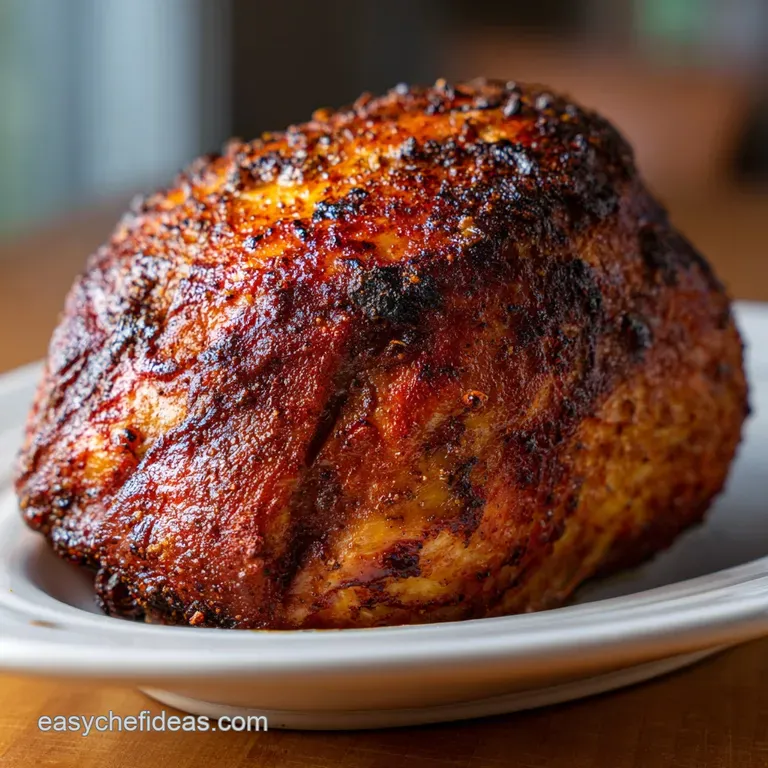
This is where the magic happens. Follow these steps closely, especially the drying phase, as that is what separates a good turkey from a legendary one.
- Prepare the brine. Dissolve 1 cup kosher salt and 1/2 cup coconut sugar in 2 gallons of water. Add 4 cloves garlic, 3 stalks rosemary, and 1 tbsp peppercorns.
- Submerge the bird. Place the 13 lb turkey in the brine. Note: Ensure it is fully submerged; use a heavy plate to weigh it down if needed.
- Brine for 24 hours. Keep the bird in the refrigerator. Wait until the salt has fully penetrated the muscle fibers.
- Dry the skin. Remove from brine, pat dry with paper towels, and let sit uncovered in the fridge for 4 hours. Note: This step is vital for crispy skin.
- Apply the fat. Rub the entire bird with 1/4 cup avocado oil. Ensure every crevice is coated to help the spices stick.
- Season the bird. Mix the paprika, garlic powder, onion powder, sage, and baking powder. Sprinkle liberally over the turkey.
- Preheat the smoker. Set your pellet grill to 225°F until a steady stream of thin blue smoke appears.
- Start the smoke. Place the turkey on the grates. Smoke for 3 hours until the skin begins to turn a light golden brown.
- Increase the heat. Turn the grill up to 350°F. Continue cooking until the internal breast temperature reaches 160°F.
- Rest the meat. Remove from the grill and let it rest on a cutting board for 30 minutes until the juices settle and the temp hits 165°F.
The 24 Hour Brining Ritual
Brining is a commitment, but it’s the difference between a dry bird and one that is dripping with flavor. The water and salt move into the meat through osmosis, seasoning it from the inside out. Don't rush this. If you only brine for 4 hours, you're only seasoning the surface.
Drying for Crispy Skin
The biggest complaint with a smoked turkey recipe is "rubber skin." This happens because of moisture. By letting the bird air dry in the fridge after the brine, you allow the skin to tighten and the moisture to evaporate. This sets the stage for the baking powder to work its magic and create that crunch we all crave.
Applying the Dry Rub
When applying your spices, be aggressive. A 13 pound bird can handle a lot of seasoning. The baking powder in the rub is the secret to a professional finish; it reacts with the turkey's natural juices to create tiny bubbles that increase the surface area, making the skin exceptionally crispy.
Solving Common Smoking Problems
Even with the best plan, things can go sideways. The key is to stay calm and have a fix ready. Whether it's the weather affecting your grill temp or a bird that's cooking too fast, most issues are easily managed.
Why Your Turkey Skin Is Rubbery
This is almost always caused by low heat or excess moisture. If the skin feels soft and chewy rather than crisp, it didn't get enough heat at the end of the cook to render the fat. You can easily fix this by bumping the heat up in the final 45 minutes.
Avoiding Dry Breast Meat
The breast meat is leaner than the legs and thighs, so it finishes faster. If you find the breast is hitting 160°F but the legs are still at 150°F, you can "shield" the breast with a small piece of aluminum foil to slow down its cooking while the rest of the bird catches up.
| Problem | Root Cause | Solution |
|---|---|---|
| Skin is too dark | Sugar in rub burning | Tent with foil and lower heat by 25°F |
| Meat is pink/red | Smoke reaction (Myoglobin) | Check temp; if it's 165°F, it's safe and smoky |
| Bitter smoke taste | Poor airflow/dirty fire | Ensure "blue smoke" only; clean out old ash |
Right then, let's look at some preventative measures to keep things running smoothly. Smoking a bird is a long haul flight, not a sprint.
Common Mistakes Checklist:
- ✓ Never use a frozen bird; ensure it is thawed for at least 3 days in the fridge.
- ✓ Don't skip the rest period; slicing too early lets all the juice escape onto the board.
- ✓ Clean your grill's fire pot before starting; ash buildup causes temp swings.
- ✓ Keep the lid closed; every "peek" adds significant time to the total cook.
- ✓ Use a water pan in the smoker to maintain a humid environment and prevent drying.
Flavor Variations and Substitutions
While the classic herb and garlic profile is a winner, you can easily adapt this smoked turkey recipe to fit your family's preferences. It's all about how you want to nourish your guests.
For a citrus heavy profile, add orange peels and lemon halves to the brine. This adds a bright, acidic note that cuts through the richness of the smoke. If you want a bit of heat, swap the smoked paprika for chipotle powder or add some cayenne to the dry rub.
This creates a "Southwest" style bird that is incredible when served with cornbread stuffing.
If you are looking for a keto friendly version, simply omit the coconut sugar. The bird won't brown quite as deeply, but the flavor will still be intense and savory. You can also try a smoked spatchcock turkey recipe by removing the backbone, which allows the bird to lay flat and cook in nearly half the time with even more skin exposure for crisping.
Storage and Waste Prevention
Leftover smoked turkey is a gift that keeps on giving. You can store the carved meat in an airtight container in the fridge for up to 4 days. If you won't get through it all, it freezes beautifully for up to 3 months. I like to freeze it in 1 pound portions so I can grab exactly what I need for a quick lunch.
Don't you dare throw away that carcass! The smoked bones make the most incredible stock you've ever tasted. Simmer the bones with some celery, carrots, and onions for a few hours. The resulting liquid is liquid gold perfect for a smoky ramen base or a hearty turkey noodle soup.
This zero waste approach ensures every bit of the bird goes toward nourishing your household.
If you find yourself with just a few slices left, they are the star of an Open Faced Turkey Melt recipe. The smokiness of the meat pairs perfectly with melted swiss and a bit of sharp mustard.
Best Sides for Turkey
A smoked bird needs sides that can stand up to its bold flavor. Think about textures: you want something creamy to contrast the crispy skin and something bright to cut through the smoke.
I often serve this with a Mediterranean flair. Believe it or not, the smoky notes of the turkey are a fantastic companion to a Classic Moussaka Recipe. The cinnamon and eggplant in the moussaka bring out the earthy sage and rosemary in the turkey rub.
If you prefer traditional sides, go with a sharp cranberry sauce and a heavy on-the butter mashed potato. The goal is to create a plate with diversity in flavor and texture, ensuring every forkful is a different experience.
Whether it's a holiday or just a Sunday dinner, this recipe turns a meal into a celebration of culture and community.
| Method | Time | Texture | Best For |
|---|---|---|---|
| High Heat Finish | 45 mins | Shatter crisp | Achieving "pro" results |
| Butter Basting | Every 30 mins | Velvety, rich | Extra indulgence |
| Beer Can Style | 4 hours | Vertical, moist | Smaller pellet grills |
Dispelling Common Smoking Myths
One big myth is that you need to soak your wood pellets. Please, don't do this! In a pellet grill, the wood is compressed sawdust; soaking them will just turn your fuel into a mushy mess and potentially ruin your auger. Keep your pellets dry for a clean, consistent burn.
Another misconception is that searing meat "seals in juices." It doesn't. Moisture loss happens regardless of a crust. What the "sear" (or in our case, the over high heat finish) actually does is create the Maillard reaction.
This creates hundreds of new flavor compounds that weren't there before, making the meat taste more complex and savory.
Finally, some people think you have to spritz the bird every 20 minutes to keep it moist. While a light spray of apple juice can help with color, every time you open that lid, you are dropping the temperature and drying out the air inside the smoker.
Trust your brine and your thermometer they are doing the heavy lifting for you!
Critical in Sodium
1380 mg mg of sodium per serving (60% % of daily value)
American Heart Association recommends limiting sodium intake to about 2,300mg per day.
Tips to Reduce Sodium in Your Turkey Brine & Rub
-
Reduce Kosher Salt-25%
The brine uses a large amount of kosher salt. Reduce the amount of salt in the brine from 1 cup to 3/4 cup. This significantly lowers sodium content without sacrificing flavor.
-
Omit Baking Powder-10%
Baking powder contains sodium. Since it is only 1 tbsp, consider removing it entirely. It is not vital to the recipe's success, and removing it will reduce sodium.
-
Dilute the Brine-10%
After brining, rinse the turkey thoroughly with cold water before roasting. This removes excess surface salt that the turkey absorbed.
-
Spice it Up, Not Salt it Up!
Use fresh herbs and spices to enhance the flavor of your turkey without adding sodium. Consider adding more smoked paprika, garlic, and onion powder to the rub to compensate for less salt.
Smoked Turkey Recipe FAQs
What is the best way to cook a smoked turkey?
Low and slow smoking is best. Maintain a stable temperature around 225°F for the first phase to maximize smoke flavor penetration before increasing the heat for the final crisping.
How long does it take to smoke a turkey?
Expect 4 to 5 hours total cook time for a 12-14 pound bird. This is highly dependent on your smoker's temperature consistency, so always prioritize hitting your target internal temperature over the clock.
How long to smoke a 14-pound turkey at 250 degrees?
Estimate approximately 4.5 hours, pulling the breast at 160°F. Smoke for about 3 hours at 225°F for maximum smoke absorption, then increase the temperature to 350°F until the internal temperature is reached.
How do you cook a turkey that's already been smoked?
Reheat gently in the oven or covered on the grill at 300°F until warmed through. Since it is already cooked, rapid heating will dry it out; use a small amount of broth to keep it moist during reheating.
Is it true that I must use a water pan in the smoker?
No, this is not mandatory, but highly recommended. A water pan maintains a humid environment, which prevents the surface moisture from evaporating too quickly and helps keep the meat from drying out before it's done.
Why is my smoked turkey skin rubbery instead of crisp?
The skin was likely too moist entering the final phase of cooking. Ensure you pat the bird completely dry after brining and finishing with the baking powder rub sets up the skin to shatter properly when the heat is increased.
Can I skip the 24-hour brine for this recipe?
No, skipping the brine dramatically reduces moisture retention. The salt in the brine physically alters the muscle fibers to hold more water, which is crucial for success in a dry environment like a smoker; if you need a faster meal, consider mastering the turkey cook time recipe for an oven roast.
Smoked Turkey Recipe Guide
Ingredients:
Instructions:
Nutrition Facts:
| Calories | 518 kcal |
|---|---|
| Protein | 68.4 g |
| Fat | 24.8 g |
| Carbs | 2.1 g |
| Fiber | 0.4 g |
| Sugar | 1.2 g |
| Sodium | 1380 mg |
