Homemade Tomato Soup: Roasted Fresh Tomatoes
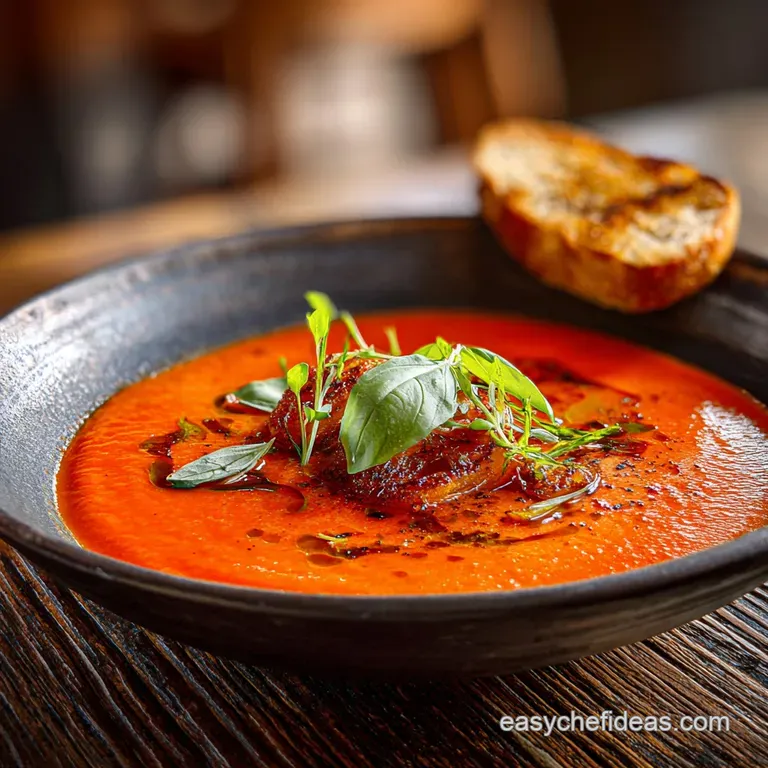
- Time: Active 15 minutes, Passive 45 minutes, Total 1 hour
- Flavor/Texture Hook: Velvety, smoky sweet, and herb forward
- Perfect for: Weekend meal prep or a cozy rainy day dinner
- Why This Slow Roasted Base Works
- Crucial Specs for Your Soup Batch
- The Elements of Pure Umami Flavor
- Tools for a Silky Texture
- Step by Step Roasting Guide
- Fixing Common Tomato Soup Mishaps
- Creative Twists and Ingredient Swaps
- Storing Your Soup for Later
- Perfect Pairings for Every Bowl
- Myths About Tomato Soup
- Scaling the Recipe
- Recipe FAQs
- 📝 Recipe Card
Why This Slow Roasted Base Works
The secret to a world class homemade tomato soup isn't in the spices, it's in the chemistry of the oven. When we roast at high heat, we aren't just cooking the tomatoes, we are transforming them through specific scientific processes that a stovetop simmer can't replicate.
- Maillard Magic: High heat triggers a reaction between amino acids and reducing sugars, creating hundreds of new flavor compounds that taste nutty and toasted.
- Lycopene Bioavailability: Roasting breaks down the thick cell walls of the tomatoes, making the healthy lycopene easier for your body to absorb while concentrating the liquid.
- Garlic Confit Effect: Slicing the top off the garlic head and roasting it in olive oil turns the cloves into a mellow, buttery paste, removing the harsh bite of raw garlic.
- Acid Neutralization: The natural sugars in the onions caramelize at 400°F, providing a built in sweetness that balances the tomato acidity without needing piles of white sugar.
| Method | Time | Texture | Best For |
|---|---|---|---|
| Oven Roast | 45 minutes | Deep, smoky, and thick | Maximum flavor depth |
| Stovetop | 30 minutes | Bright, fresh, and thin | Quick weeknight meals |
| Slow Cooker | 6 hours | Very mellow and blended | Set it and forget it |
Choosing the right method depends on how much time you have, but for that signature "roasted" profile, the oven is your best friend. If you’re looking for other ways to use fresh produce, you might love this Garden Tomato Sauce recipe which uses a similar over high heat technique to concentrate sweetness.
Crucial Specs for Your Soup Batch
Before you start chopping, let's look at the numbers. Precision is what separates a good cook from a great one. You want to make sure your oven is actually hitting 400°F before the tray goes in, otherwise, you'll steam the tomatoes instead of roasting them.
- Roasting Temperature: 400°F (200°C) is the sweet spot for browning without burning.
- The Weight Rule: 3 lbs of tomatoes will look like a lot on the tray, but they lose about 30% of their volume as water evaporates.
- Internal Garlic Check: The garlic is done when a knife slides into a center clove like it's soft butter.
- Simmering Target: Never let the soup reach a rolling boil after adding the cream, as this can cause the dairy to split.
| Fresh Tomatoes | Canned Shortcut | Flavor Impact |
|---|---|---|
| Fresh Roma | Whole Peeled Canned | Fresh has more "bright" notes; canned is more acidic |
| Roasted Garlic | Garlic Powder | Roasted is sweet/mellow; powder is sharp/salty |
| Heavy Cream | Whole Milk | Cream provides a velvety mouthfeel; milk can be watery |
The Elements of Pure Umami Flavor
To make the best homemade tomato soup, you need to understand your components. We aren't just throwing things in a blender; we are layering textures and tastes. Each ingredient in our list serves a functional purpose in the final bowl.
| Ingredient | Science Role | Pro Secret |
|---|---|---|
| Roma Tomatoes | High pectin content | Use the "ugly" overripe ones for the highest sugar levels |
| Parmesan Rind | Glutamic acid source | Don't discard it; the rind adds "meatiness" without meat |
| Balsamic Vinegar | PH Balancer | Add it at the very end to wake up the duller, cooked flavors |
| Extra Virgin Olive Oil | Flavor Carrier | Fat carries the fat soluble vitamins and aromatics to your palate |
Maximizing the Maillard Reaction
To get those dark, flavorful spots, you must pat your tomatoes dry with a paper towel after halving them. Moisture is the enemy of browning. If the tomatoes are too wet, they will sit in a pool of water in the oven and turn mushy rather than caramelized.
Spreading them out so they don't touch is another trick I learned the hard way. Crowding the pan leads to steaming, and we want a beautiful sizzle.
Utilizing Natural Emulsifiers
The 1 cup of fresh basil leaves isn't just for garnish. When you blend the basil into the hot soup, the natural oils emulsify with the olive oil and heavy cream. This creates a more stable, silky texture that won't separate as the soup cools.
It also turns the soup a gorgeous, vibrant orange red that looks incredible in the bowl.
Tools for a Silky Texture
You don't need a professional kitchen, but a few specific tools make the process of making homemade tomato soup much smoother. I personally swear by an immersion blender (often called a "stick blender").
It allows you to blend the soup right in the pot, which means fewer dishes and less chance of splashing hot liquid all over your counter.
If you prefer an absolutely "seedless" and perfectly smooth texture, a high speed stand mixer such as a Vitamix is the way to go. Just be careful when blending hot liquids in a closed pitcher; the steam builds up pressure quickly.
Always remove the center plastic piece of the lid and cover it with a folded kitchen towel to let the steam escape safely. A heavy bottomed pot, like a Dutch oven (Lodge or Le Creuset), is also vital for even heat distribution during the simmering phase.
step-by-step Roasting Guide
- Preheat and Prep. Set your oven to 400°F. Line a large baking sheet with parchment paper to catch all those precious juices.
- Arrange the Vegetables. Place the 3 lbs of halved tomatoes, quartered yellow onion, and the head of garlic (top sliced off) on the tray. Note: Keep the garlic cut side up so the oil can seep into the cloves.
- Season Heavily. Drizzle with 3 tbsp Extra Virgin Olive Oil. Sprinkle 1 tsp Sea Salt, 0.5 tsp Cracked Black Pepper, and 1 tsp Dried Oregano over everything.
- Roast until Blistered. Slide the tray into the oven for 45 minutes until the tomato skins are wrinkled and slightly charred.
- Extract the Garlic. Let the tray cool for 5 minutes. Squeeze the roasted garlic cloves out of their skins directly into a large pot. They should pop out like toothpaste.
- Transfer the Goods. Scrape all the tomatoes, onions, and every drop of juice from the tray into the pot.
- Add the Liquid. Pour in 2 cups of high-quality broth and drop in the Parmesan rind. Note: Using a Liquid Gold My recipe for the broth will add incredible depth here.
- Simmer for Depth. Bring to a gentle bubble over medium heat for 10 minutes until the flavors meld and the aroma is irresistible.
- The Big Blend. Remove the Parmesan rind. Add the 1 cup of fresh basil and use an immersion blender to process until the soup is velvety and vibrant.
- Final Touches. Stir in 0.5 cup heavy cream and 1 tbsp balsamic vinegar. Taste and add a pinch more salt if needed.
Chef's Tip: If you want an even deeper flavor, grate a little bit of fresh nutmeg into the soup along with the cream. It enhances the sweetness of the tomatoes in a way that's hard to pin down but makes everyone ask for your secret.
Fixing Common Tomato Soup Mishaps
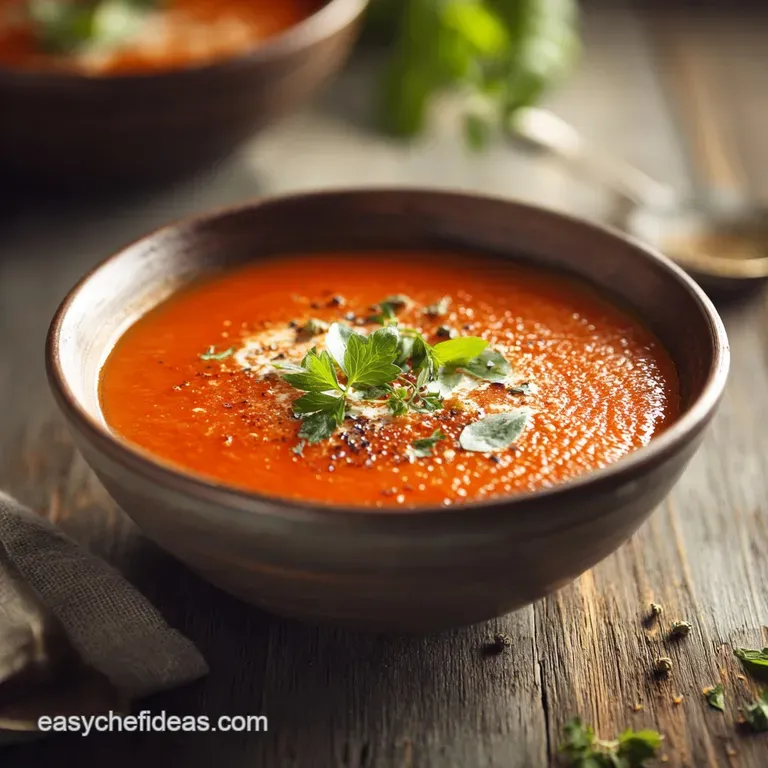
Even with the best ingredients, things can go sideways. The most common issue people face with homemade tomato soup is the texture or the balance of acidity. Don't panic if your soup tastes a bit sharp or looks a little thin.
Managing Excessive Acidity
If your tomatoes weren't quite ripe enough, the soup might taste a bit sour or metallic. This is where the "sweet/savory" contrast comes in. A tiny pinch of baking soda can neutralize the acid, but be careful too much will ruin the flavor.
A better fix is usually a teaspoon of honey or a little more heavy cream to mellow out the sharp edges.
Fixing a Thin Consistency
If your soup feels more like a broth than a meal, you might have had very watery tomatoes. You can simmer it uncovered for another 15 minutes to reduce the liquid, or you can blend in a piece of toasted sourdough bread.
The starches in the bread act as a natural thickener without changing the flavor profile.
| Problem | Root Cause | Solution |
|---|---|---|
| Soup is too sour | Underripe tomatoes or too much vinegar | Add 1 tsp honey or a pinch of baking soda |
| Grainy texture | Garlic wasn't roasted long enough | Pass the soup through a fine mesh sieve |
| Bitter aftertaste | Burnt dried herbs or garlic | Add a splash of heavy cream to mask the bitterness |
Common Mistakes Checklist:
- ✓ Pat tomatoes dry before roasting to ensure they caramelize instead of steam.
- ✓ Don't skip the Parmesan rind; it provides essential salt and body.
- ✓ Squeeze the garlic cloves thoroughly; don't let those golden nuggets go to waste.
- ✓ Add the fresh basil at the very end of blending to keep the color bright and the flavor punchy.
- ✓ Let the soup cool slightly before putting it in a stand blender to prevent "lid explosions."
Creative Twists and Ingredient Swaps
One of the best things about a homemade tomato soup is how easy it is to adapt to different diets or flavor preferences. You can take the base and move it toward a Mediterranean vibe or keep it classic.
- Make it Vegan: Swap the heavy cream for full fat coconut milk and use nutritional yeast instead of the Parmesan rind. Why this? Coconut milk provides the same creamy fat content but adds a very subtle nutty note.
- Add a Protein Kick: Stir in a can of rinsed white cannellini beans before blending. They disappear into the texture but add a massive amount of fiber and protein.
- Give it Heat: Roast a red bell pepper and a de seeded jalapeño along with the tomatoes for a spicy, smoky version.
| Original Ingredient | Substitute | Why It Works |
|---|---|---|
| Heavy Cream | Full fat Coconut Milk | Similar fat content. Note: Adds a slight tropical hint great with the basil. |
| Roma Tomatoes | Canned San Marzano | High sugar and low seed count. Note: Best if fresh tomatoes are out of season. |
| Balsamic Vinegar | Red Wine Vinegar | High acidity levels. Note: Lacks the sweetness of balsamic, so add a pinch of sugar. |
If you are a fan of bold, garlic forward sauces, you should definitely try the KnockYourSocksOff Romesco Sauce recipe. It uses a similar roasted vegetable base that is absolutely addictive.
Storing Your Soup for Later
This homemade tomato soup actually tastes better the next day after the flavors have had a chance to marry in the fridge. I always make a double batch for this exact reason.
- Fridge: Store in an airtight container for up to 4 days. The soup will thicken as it cools, so you may need a splash of broth when reheating.
- Freezer: This soup freezes beautifully for up to 3 months. However, if you plan to freeze it, I recommend leaving the heavy cream out. Add the cream fresh when you reheat the soup to prevent the texture from becoming grainy.
- Reheating: Warm it over low heat on the stovetop, stirring occasionally. Avoid the microwave if possible, as it can heat unevenly and cause the cream to separate.
- Zero Waste Tip: Don't throw away the tomato skins if you choose to peel them! You can dehydrate them in a low oven and grind them into a "tomato powder" to season popcorn or roasted potatoes. Also, those onion skins and garlic ends should go straight into your freezer bag for your next batch of homemade stock.
Perfect Pairings for Every Bowl
A bowl of homemade tomato soup is a canvas for toppings. While the classic grilled cheese is the undisputed champion, there is a whole world of diversity when it comes to serving this dish.
If you want to keep it light, a handful of homemade sourdough croutons provides that essential "shatter" of texture against the velvety soup. I also love drizzling a little extra virgin olive oil and a few cracks of black pepper right before serving to give it a professional finish. For a more substantial meal, serve this alongside some Greek Chicken Gyros recipe — the cool tzatziki and warm soup are a match made in heaven.
Serving Size Calculator
| Servings | Tomato Amount | Broth Needed | Cook Time |
|---|---|---|---|
| 2 People | 1 lb | 0.75 cups | 45 minutes |
| 6 People | 3 lbs | 2 cups | 45 minutes |
| 12 People | 6 lbs | 4 cups | 1 hour |
Flavor Profile Map
- Sweet: The natural sugars in roasted Roma tomatoes and caramelized onions.
- Savory: The deep umami from the Parmesan rind and roasted garlic.
- Bright: The fresh basil and the zing of balsamic vinegar added at the finish.
- Rich: That luxurious mouthfeel from the heavy cream and olive oil.
Myths About Tomato Soup
There are a few "old wives' tales" in the kitchen that I used to believe until I started testing things for myself. Let's clear the air so you can cook with confidence.
- "You must peel the tomatoes first." This is a huge waste of time. When you roast them and use a high powered blender, the skins completely break down and actually add fiber and color to the soup. If you use an immersion blender, you might have tiny flecks, but they are delicious.
- "Canned tomatoes are always inferior." Not true! If it’s the middle of winter and the fresh tomatoes at the store look pale and hard, a high-quality canned San Marzano tomato will actually yield a better homemade tomato soup than "fake" fresh ones.
- "Adding sugar is the only way to cut acidity." While sugar works, the balsamic vinegar and roasted onions we use in this recipe do the same job while adding much more depth and character.
Scaling the Recipe
- Downsizing (1/2 batch): Use a smaller roasting pan so the juices don't evaporate too quickly. Reduce the broth to 1 cup but keep the garlic at half a head trust me, you want the garlic.
- Upsizing (2x batch): You will likely need two roasting pans. Don't crowd them! If you put too many tomatoes on one tray, they will steam. When simmering, reduce the broth by about 10% because a larger volume of soup evaporates less water proportionally.
- Baking Adjustment: If you are making a massive batch for a party, you can roast the vegetables at a slightly lower temp (375°F) for 15 minutes longer to ensure everything cooks through evenly without the edges burning before the centers are soft.
Cooking this soup is more than just making a meal; it's about the process of transforming simple, earth grown ingredients into something that nourishes your community. Whether you're feeding a family of six or just prepping for a quiet week, this homemade tomato soup is a reminder that the best flavors usually come from a little bit of heat and a lot of patience.
Enjoy every spoonful!

Recipe FAQs
How to make tomato soup at home easily?
Roast the tomatoes and garlic at 400°F until blistered. Toss halved tomatoes, an olive oil-drizzled garlic head, salt, and pepper on a sheet pan. Roast for 45 minutes, then simmer with broth and a Parmesan rind before blending until smooth.
What are the three core ingredients in a classic homemade tomato soup?
Tomatoes, broth, and heavy cream. While aromatics like garlic and onion are crucial for depth, these three form the essential structure: the acidic base, the cooking liquid, and the creamy finish.
What are common mistakes made when preparing homemade tomato soup?
Overcrowding the roasting pan is the main pitfall. When tomatoes touch too much, they steam instead of caramelizing, resulting in a less intense, flatter flavor profile. Spread vegetables in a single layer to maximize browning.
How to make the perfect, velvety tomato soup?
Blend in fresh basil at the very end of the process. The basil's oils emulsify with the added cream and olive oil, creating a smoother mouthfeel and locking in a vibrant color that dulls if cooked too long.
Is it necessary to peel the tomatoes before roasting for the best texture?
No, peeling is unnecessary if you use a powerful blender. Roasting softens the skins significantly, and when blended, they break down completely, actually contributing body and fiber to the final product.
How do I balance the acidity if my soup tastes too sharp after blending?
Add a very small amount of sweetener or fat. A teaspoon of honey or, better yet, a splash more heavy cream will mellow the sharp edges without making the soup taste overtly sweet. This balance technique is also key when preparing a dipping sauce like our Boom Boom Sauce recipe.
Can I use milk instead of heavy cream for a lighter version?
Yes, but expect a thinner final texture. Milk has a much lower fat content than cream, meaning your soup won't achieve the same luxurious, coating mouthfeel. If you mastered the stable blending technique here, the same principles help keep dressings from separating.
Roasted Tomato Soup Recipe
Ingredients:
Instructions:
Nutrition Facts:
| Calories | 217 calories |
|---|---|
| Protein | 4.8g |
| Fat | 15g |
| Carbs | 19g |
| Fiber | 3.8g |
| Sugar | 10.6g |
| Sodium | 516mg |
