Steak and Cheese Sandwiches: the Elevated Ribeye Provolone Roll
- Elevating the Classic: Why Our Ribeye and Provolone Roll Stands Apart
- The Science of Sizzle: Achieving Peak Flavor in Steak and Cheese Sandwiches
- The Essential Components: Ingredients for the Elevated Steak Roll
- Executing the Sandwich: Step-by-Step Guide to Assembling Your Steak and Cheese
- Troubleshooting Your Steak and Cheese Sandwiches: Expert Technique Refinements
- Preparation & Preservation: Storing and Reheating Steak Rolls
- Perfect Pairings: What to Serve Alongside Your Hearty Steak and Cheese Roll
- Recipe FAQs
- 📝 Recipe Card
Elevating the Classic: Why Our Ribeye and Provolone Roll Stands Apart
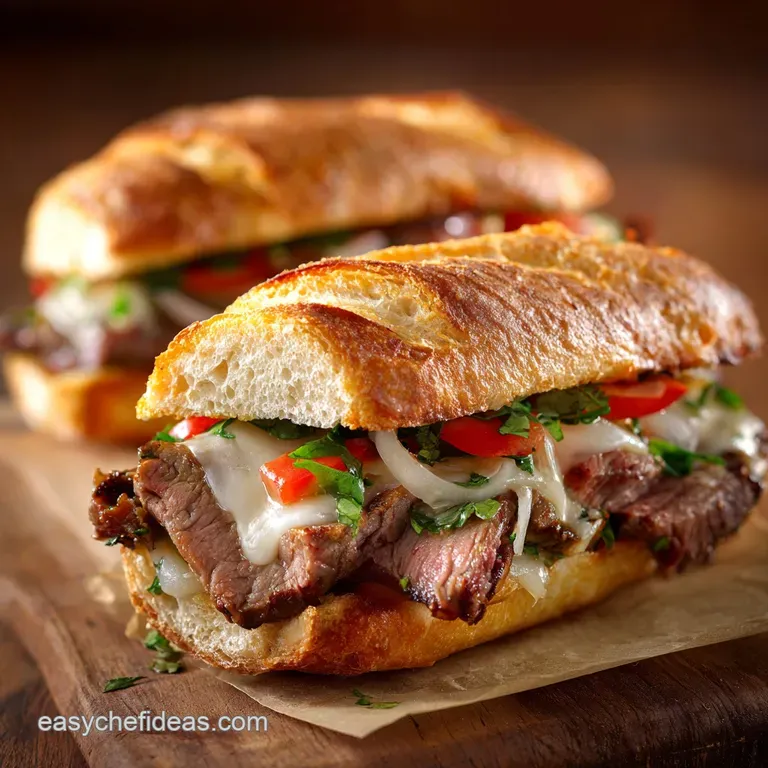
When that Ribeye hits the hot griddle, the whole kitchen immediately smells expensive. That is the true magic of a perfect steak and cheese sandwich, isn't it? It’s pure, gooey, meaty decadence wrapped in a soft roll, and honestly, the texture contrast between the crusty bread and the molten centre is everything.
Forget the sad, dry versions you usually grab when you’re desperate. This elevated version isn't difficult at all; it’s just smart . If you follow my simple prep trick freezing the steak slightly you can pull this glorious meal together faster than ordering delivery, and the flavor payoff is absolutely worth the minor effort.
We are officially done with soggy bottoms and rubbery, grey meat. I have cooked approximately one million of these, learning every crucial technical step, and now I'm sharing the true secrets to achieving that perfect, melty Provolone blanket. Let's crack on and make a sandwich that deserves a standing ovation.
The Science of Sizzle: Achieving Peak Flavor in Steak and Cheese Sandwiches
The Philosophy of the Perfect Steak Roll
The goal here is harmony. We want the richness of the steak and the sweetness of the deeply caramelized onions and earthy mushrooms to work together, not against each other. Too much liquid? Disaster. Too much chewing? Failure.
Trust me, achieving the perfect steak and cheese sandwich is all about texture control.
Defining the Components: Steak, Cheese, and the Roll
Think of it like a three legged stool: The steak needs to be rich and tender, the cheese needs maximum melt and tang, and the roll must be structurally sound yet soft enough to yield to the pressure of the filling. If one element fails, the whole thing collapses.
We are using Ribeye because its marbling guarantees incredible flavor, which is a non-negotiable factor.
A Brief History of Iconic Steak and Cheese Sandwiches
While my version leans heavily into premium ingredients like Ribeye, the core idea shaved steak and melted cheese on a torpedo roll has been around forever. I once made the mistake of trying to use thinly sliced cold cuts and calling it a "steak sandwich" during a party, which was embarrassing and sad.
This recipe respects the classic structure while demanding better ingredients.
Maillard Reaction Mastery: The Key to Caramelized Steak Edges
The Maillard Reaction is just a fancy term for why browned food tastes good. We want a high heat for the steak so that the surface caramelizes quickly, creating those crisp, nutty edges before the inside overcooks.
If you overcrowd the pan, the temperature drops, and you essentially stew the meat, robbing you of that vital textural difference.
The Perfect Melt: Why Provolone is Superior
Provolone is great because it gives a sharp, tangy bite that cuts through the richness of the Ribeye. Yes, American cheese is the melt champion, but Provolone adds complexity. If you want maximum goo, White American cheese is the traditional way to go, but I love the depth that a good sharp Provolone brings to the party.
Moisture Control: Preventing a Soggy Roll Catastrophe
This is where amateur cooks fail. The steak, even if properly seared, releases juice. The onions are moist. If you just dump that hot mixture into a cold roll, the bread turns instantly spongy. The fix? Always toast the inside of the roll first.
This creates a barrier, giving you a crucial five extra minutes of structural integrity before serving.
Chef's Note: Slicing the Ribeye against the grain is mandatory. If you slice with the grain, even the thin slices will feel chewy. Always check the grain direction before you freeze the cut.
The Essential Components: Ingredients for the Elevated Steak Roll
I've streamlined this ingredient list over years of testing. Everything here serves a distinct purpose, but if you need a quick swap, here’s how we handle substitutions.
Selecting the Ideal Cut: Why Ribeye Marbling Matters
Ribeye is the king for a reason. It has the perfect fat content woven throughout the muscle. That fat renders down during the quick, over high heat sear, basting the meat and adding unbelievable depth.
Mastering the Thin Slice: Preparation of the Ribeye
Seriously, take 30 minutes to partially freeze that steak. This small step is the most important part of the preparation. Trying to slice raw, floppy meat thinly is a recipe for frustration and uneven chunks. You want ribbons, not cubes!
Bread Selection: Choosing the Right Foundation Roll
We need a soft but sturdy roll. An Italian hoagie roll is perfect because it’s crusty on the outside but pillowy inside. Avoid anything too airy (like a croissant) or anything too dense (like a baguette).
Cheese Deep Dive: Provolone vs. Sharp Alternatives
While Provolone is my top pick for its flavor, the key is the slicing. Use thin slices or shredded cheese, not thick chunks. This ensures you get that fast, beautiful blanket melt we are aiming for.
| Ingredient | My Top Pick | Viable Substitution |
|---|---|---|
| Steak Cut | Boneless Ribeye | Flank Steak (sliced thin and against the grain) |
| Cheese | Sliced Provolone | White American Cheese or Monterey Jack |
| Rolls | Italian Hoagie Rolls | French Rolls (slightly firmer, but works) or Torpedo Rolls |
| Fat | Unsalted Butter/Neutral Oil | Clarified Butter (Ghee) for higher smoke point |
Executing the Sandwich: step-by-step Guide to Assembling Your Steak and Cheese

Stage 1: Achieving Deep Caramelization of the Onions
Melt the butter over medium heat. Add the sliced yellow onions and mushrooms, stirring frequently. We are looking for deep, golden colour, not just transparency; this takes 8 to 10 minutes, so don't rush it.
Cook them down until they are incredibly sweet and soft, then remove them and scrape the pan clean before you move on.
Stage 2: over High heat Searing and Chopping the Ribeye
Now, turn the heat up to high almost smoking hot. Add the neutral oil, then throw in the thinly sliced Ribeye. It should sizzle violently. Cook this extremely fast, 1 minute per side maximum, until it's just browned. Return the caramelized onions and mushrooms to the pan.
Use your metal spatulas to roughly chop and mix everything right there on the hot surface.
Stage 3: Incorporating the Vegetables and Mixing the Steak
Ensure the steak, onions, and mushrooms are fully integrated. I like to let them sit together for about 30 seconds after mixing to allow the remaining heat to infuse the vegetables with the meaty flavour. Season again lightly with a final pinch of salt and pepper; remember, the cheese will add salinity.
Stage 4: The Cheese Blanket and Roll Steaming Technique
Divide your mixture into four long piles, matching the length of your toasted rolls. Place two slices of Provolone evenly over each pile. This next part is crucial: pour about a tablespoon of water around the edge of the mixture (not directly onto the cheese) and immediately cover the entire area with a lid or inverted metal bowl.
The trapped steam melts the cheese perfectly in about 45 seconds, transforming it into a glistening blanket. Scoop the entire cheesy pile directly into your prepared, toasted roll.
Troubleshooting Your Steak and Cheese Sandwiches: Expert Technique Refinements
Temperature Control: The Secret to Even Steak Cooking
Your pan must be screaming hot before the steak hits the surface. If you see grey liquid bubbling around your meat instead of a sizzle, your heat is too low, and the meat is stewing in its own juices. You need searing heat to achieve a crust.
Avoiding the Gravy Effect (Too Much Liquid)
If your pan accumulates too much liquid during the onion/mushroom phase, spoon it out before adding the steak. That liquid will absolutely lead to a soggy mess. This is one of the biggest rookie errors.
If your steak happens to release a lot of juice (usually because the slices were too thick), drain it quickly before adding the cheese.
When to Add Seasoning for Maximum Impact
Season the raw steak lightly, but save the majority of your salt and pepper until the end, after you’ve combined the meat and vegetables. Since the cheese is salty, tasting the mix at the end ensures perfect balance.
Preparation & Preservation: Storing and Reheating Steak Rolls
Best Practices for Prepping Steak Ahead of Time
You can absolutely prep the mixture in advance. Cook the steak, onions, and mushrooms completely, then let the mixture cool completely before storing it in an airtight container in the fridge. It keeps well for 3 days. Do not, however, add the cheese or the roll until serving time.
Reheating Day-Old Steak and Cheese Without Drying Out
The key here is low and slow heat. Reheat the steak mixture (without the roll) in a covered skillet over medium low heat until warmed through. The microwave will dry it out and make it tough. Add the cheese and steam dome after the filling is warm, then load it into a freshly toasted roll.
Freezing Component Parts (Steak Mixture vs. Completed Roll)
Do not freeze the finished sandwich; the roll will turn to mush. You can freeze the cooked steak and vegetable mixture. Flash freeze it flat in a freezer bag, then seal and store for up to 2 months. To reheat, thaw overnight in the fridge and follow the reheating steps above.
Perfect Pairings: What to Serve Alongside Your Hearty Steak and Cheese Roll
These rich, glorious [Delicious Sandwiches] need simple companions. You don't want to overpower the star.
I love serving this alongside a simple, crunchy side, maybe a little creamy slaw, or if I’m feeling fancy, a bowl of rich, warming soup. For example, the sharpness of my Broccoli Cheese and Potato Soup: Velvety Cheddar Chowder Recipe offers a fantastic contrast to the rich steak and cheese.
If you’re the type who dips everything, make sure you have a proper, homemade condiment. Ditch the store-bought stuff and try making my Homemade Ketchup: Silky Smooth, Spiced, and Better Than Heinz . It's amazing with the Ribeye.
Recipe FAQs
Why is my steak chewy instead of meltingly tender?
Chewy steak is usually the result of slicing too thickly or cooking the meat with the grain. Always slice the Ribeye very thinly (ideally when partially frozen) and ensure you are cutting directly across the grain for maximum tenderness.
Also, cook the meat very quickly over high heat in small batches to avoid steaming it, which toughens the exterior.
I don't have Provolone; what is the best alternative cheese for this sandwich?
While Provolone offers a classic sharpness and excellent melting quality, there are great alternatives. For a creamier, milder sandwich, American cheese or Monterey Jack are fantastic substitutes that melt quickly.
If you want a truly authentic Philly experience, you could opt for Cheez Whiz, which is surprisingly popular for its easy, smooth melt.
How do I prevent the hoagie roll from getting soggy once the filling is added?
Sogginess occurs when the hot, greasy steak filling saturates the bread. To create a necessary moisture barrier, slice the rolls open and lightly toast the interiors in a dry skillet or under the broiler until just golden brown.
Alternatively, you can brush the insides lightly with melted butter or oil and toast them for added richness.
Can I use a cheaper cut of beef, like Sirloin or Flank Steak, instead of Ribeye?
Yes, but you will need to adjust your preparation; leaner cuts require even more careful slicing to ensure tenderness. If using Sirloin or Flank, make sure to trim all excess fat and silverskin, and be diligent about slicing paper thin across the grain.
Remember that Ribeye’s high fat content is key to the deep flavor profile of this elevated roll.
What is the easiest way to slice the steak incredibly thin at home?
The culinary expert’s trick is to partially freeze the meat for 30 to 45 minutes before slicing; it should be firm but not solid. This allows you to achieve deli thin slices with a sharp chef's knife, ensuring the beef cooks instantly and remains tender on the griddle.
Always slice across the grain for the best results.
Can I prepare the steak and onion mixture ahead of time, and how should I store it?
You can definitely prepare the cooked steak and caramelized onion mixture ahead of time and store it in an airtight container in the refrigerator for up to three days. When reheating, use a skillet over medium heat, adding a splash of beef broth if the mixture seems dry, then add the cheese right before serving.
Do not store assembled sandwiches, as the bread will degrade.
Can this recipe be adapted for a vegetarian diet?
Absolutely, you can substitute the beef with thinly shaved seitan or firm portobello mushroom caps to mimic the texture. Ensure the substitute is cooked over high heat to achieve crispy edges similar to the steak. For the cheese, use a high-quality vegan provolone alternative or a thick cashew based cheese sauce.
Ribeye Steak And Cheese Sandwiches Roll
Ingredients:
Instructions:
Nutrition Facts:
| Calories | 475 kcal |
|---|---|
| Protein | 31.0 g |
| Fat | 25.0 g |
| Carbs | 29.0 g |
