Cooking Filet Mignon in Oven
- Time: Active 10 minutes, Passive 10 minutes, Total 20 minutes
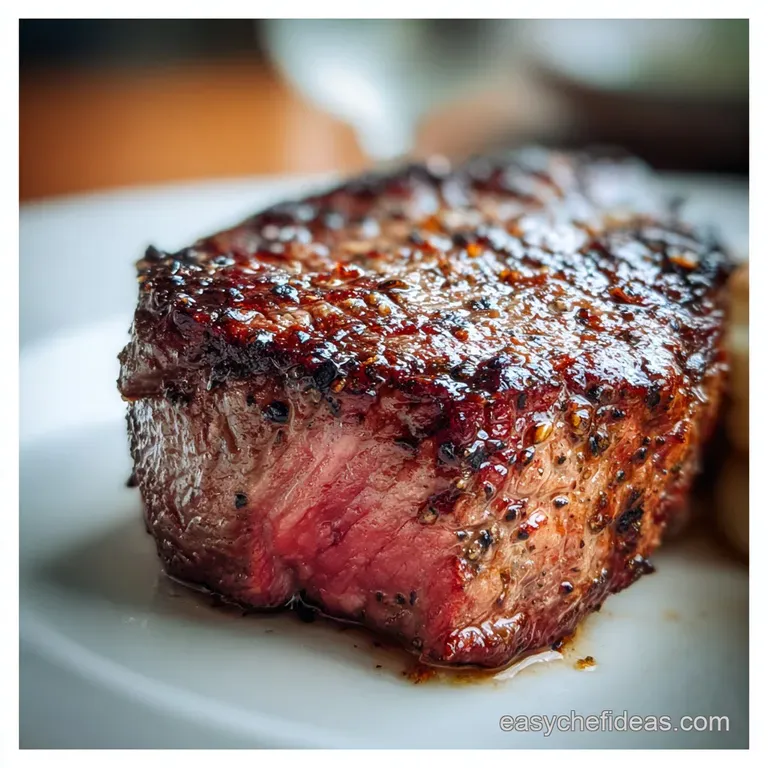
- Flavor/Texture Hook: Velvety center with a salt crusted, buttery exterior
- Perfect for: Anniversary dinners or celebratory weekend meals
- Mastering the Art of Cooking Filet Mignon in Oven
- The Physics of the Perfect Sear
- The Anatomy of a Superior Steak
- Essential Kitchen Tools for Steak Success
- The Step by Step Searing Method
- Solving Common Kitchen Steak Struggles
- Adjusting the Recipe for More Guests
- Gourmet Flavor Variations and Ingredient Swaps
- Proper Storage and Minimizing Kitchen Waste
- Serving Suggestions
- Critical High in Sodium
- Recipe FAQs
- 📝 Recipe Card
Mastering the Art of Cooking Filet Mignon in Oven
Picture this: the kitchen is quiet, the dim lights are on, and the only sound is the rhythmic, aggressive sizzle of beef hitting a white hot cast iron pan. That aroma - a mix of toasted butter, earthy thyme, and the primal scent of browning meat - fills the room instantly. I remember the first time I tried this.
I was so nervous about ruining an expensive cut of meat that I practically hovered over the pan with a stopwatch. I overcooked it, of course, because I was looking at the clock instead of the meat.
Now, after years of trial and error, I've realized that the secret isn't in some fancy restaurant gadget. It's about managing heat and moisture. When you get that crust right, it creates a "shatter" effect when your knife slides through, revealing a perfectly pink, silky center.
We’re moving away from the grey, rubbery steaks of the past. Today, we're focusing on how flavor builds in layers, from the initial salt brine to the final aromatic butter baste. It’s about nourishing your soul with a meal that feels like a warm hug from a world class chef.
This process is surprisingly straightforward once you respect the chemistry of the steak. We aren't just heating meat, we're transforming it. By the time we're done, you'll have a steak that rivals any high end steakhouse, right in your own kitchen.
Let's get into why this method is the gold standard for home cooks who want professional results without the professional stress.
The Physics of the Perfect Sear
The Maillard Reaction: High heat triggers a chemical dance between amino acids and reducing sugars, creating hundreds of new flavor compounds and that characteristic brown crust.
Carryover Cooking: Internal energy continues to vibrate even after the meat is removed from the heat, raising the core temperature by about 3 to 5 degrees during the rest.
Surface Evaporation: Pre salting draws out moisture, which then reabsorbs as a concentrated brine, ensuring the surface is dry enough to sear rather than steam.
| Thickness | Internal Temp | Rest Time | Visual Cue |
|---|---|---|---|
| 3.8 cm | 54°C (Medium Rare) | 5 minutes | Warm red center |
| 4.5 cm | 57°C (Medium) | 7 minutes | Pink throughout |
| 5 cm | 63°C (Medium Well) | 8 minutes | Slight pink trace |
This quick decision table helps you gauge exactly when to pull your steak based on the thickness of those 1.5 to 2 inch center cut filets. Since we use metric measurements here, remember that a 3.8 cm steak is roughly that 1.5 inch sweet spot we're looking for.
The Anatomy of a Superior Steak
Understanding your components is half the battle when you're preparing a meal this special. For the best results, I always recommend looking for center cut filets that have consistent thickness. This ensures they cook at the same rate, preventing one person from having a rare steak while the other has medium well.
| Ingredient | Science Role | Pro Secret |
|---|---|---|
| Filet Mignon | Low connective tissue | Bring to room temperature for 30 mins to ensure even heat penetration. |
| Kosher Salt | Protein denaturant | Use coarse grains to create a "crust" that doesn't dissolve instantly into the meat. |
| Avocado Oil | High smoke point | Allows for a 260°C sear without the oil breaking down and tasting bitter. |
| Unsalted Butter | Emulsification | Add only at the end to prevent the milk solids from burning during the over high heat phase. |
- 2 center cut filet mignon steaks
- 6
- Substitute
- Ribeye (adds more fat/marbling but changes the lean profile).
- 1.5 tsp Kosher salt
- Essential for that brine effect. Why this? Flaky texture sticks better to the meat surface.
- Substitute
- Sea salt (use slightly less if the grain is very fine).
- 1 tsp coarsely cracked black pepper
- For a pungent, spicy bite.
- Substitute
- White pepper (milder, more floral).
- 1 tbsp avocado or grapeseed oil
- You need a high smoke point.
- Substitute
- Ghee (clarified butter).
- 2 tbsp unsalted butter
- For that velvety finish.
- Substitute
- Vegan butter (ensure it has a high fat content).
- 3 cloves garlic
- Smashed to release oils.
- 2 sprigs fresh thyme or rosemary
- For those classic steakhouse aromatics.
Essential Kitchen Tools for Steak Success
The right equipment acts as an extension of your hands. While you can technically use a stainless steel pan, a heavy bottomed cast iron skillet is the undisputed champion here. It holds heat like a battery, meaning when you drop that cold ish meat into the pan, the temperature doesn't plummet.
This is the only way to get that dark, mahogany crust we're chasing.
You also need a reliable meat thermometer. I used to try the "finger poke" test, but honestly, unless you're a line cook who does 50 steaks a night, it's guesswork. A digital instant read thermometer takes the anxiety out of the equation.
Finally,, a pair of long, sturdy tongs will give you the control you need to sear the sides of the steak without splashing hot oil everywhere.
The Steakhouse Reverse Method
While we are doing a traditional sear to oven method, the equipment remains the same. The cast iron pan goes from the stovetop directly into the oven, so make sure your handle is oven safe!
The Reliable Meat Thermometer
Check the temperature by inserting the probe into the thickest part of the steak from the side. This gives you the most accurate reading of the core.
The step-by-step Searing Method
- Dry the beef. Pat the 2 filet mignon steaks completely dry with paper towels. Note: Moisture is the enemy of a good sear.
- Season aggressively. Rub the 1.5 tsp Kosher salt and 1 tsp black pepper onto all sides, including the edges.
- Preheat the oven. Set your oven to 200°C (400°F).
- Heat the pan. Place the cast iron skillet over high heat and add 1 tbsp avocado oil until it starts to shimmer and wisps of smoke appear.
- Sear the first side. Place steaks in the pan and cook for 2 to 3 minutes until a deep brown crust forms and the meat releases easily.
- Flip and baste. Turn the steaks over, then immediately add 2 tbsp butter, 3 garlic cloves, and 2 sprigs of thyme.
- Transfer to oven. Move the entire pan into the oven and cook for 4 to 6 minutes until the internal temperature hits 52°C for medium rare.
- The final rest. Remove steaks from the pan and place them on a warm plate.
- Tents with foil. Loosely cover with foil and let them rest for 5 to 10 minutes until the juices redistribute and the meat relaxes.
This technique is very similar to what you'd find in my How to Cook recipe, where we focus on that rich, herb infused butter.
Solving Common Kitchen Steak Struggles
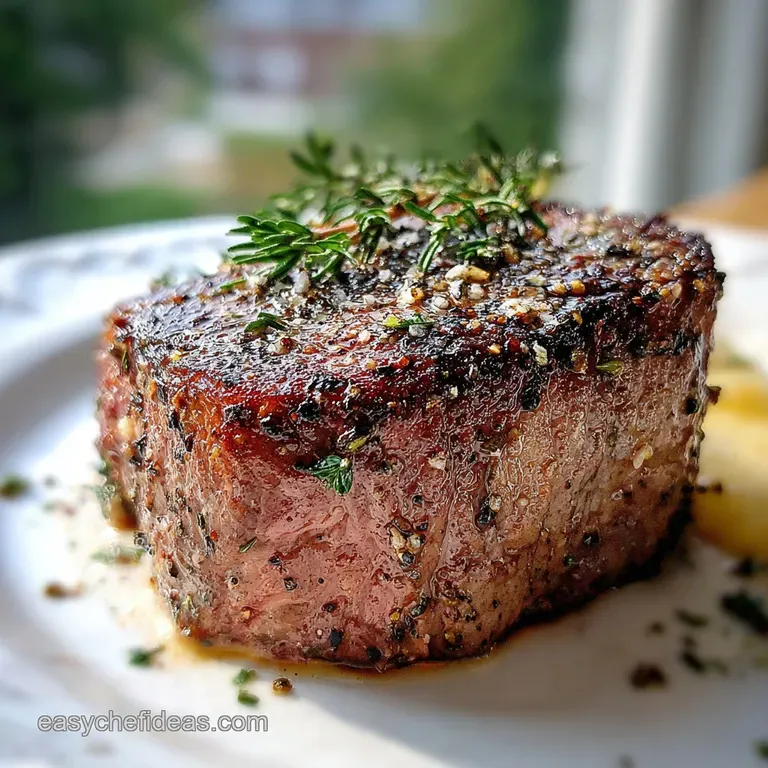
I've had my share of "grey steaks" that looked more like they were boiled than seared. Usually, it's because I was too impatient. If you don't hear a loud sizzle the moment the meat touches the pan, take it out! The pan isn't hot enough. Another common issue is the garlic burning.
If you add the garlic too early, it turns bitter and black. Always wait until you flip the steak and add the butter to introduce the aromatics.
Preventing the Grey Band
The "grey band" is that layer of overcooked meat just under the crust. To minimize this, make sure your pan is screaming hot so the sear happens fast, and use a thick cut steak.
Protecting the Delicate Garlic
If your garlic starts looking too dark in the pan, simply spoon it on top of the steaks while they are in the oven. This keeps them away from the direct heat of the pan floor while still letting the flavor drip down.
| Problem | Root Cause | Solution |
|---|---|---|
| No crust/grey color | Pan wasn't hot enough or meat was wet | Pat dry and wait for the oil to smoke before adding meat |
| Bitter aftertaste | Burned garlic or pepper | Add aromatics only during the basting phase |
| Uneven cooking | Steak was too cold in the center | Temper the meat at room temperature for 30 mins before cooking |
Common Mistakes Checklist
- ✓ Skipping the "dry" step: Wet meat will steam, not sear.
- ✓ Crowding the pan: Cooking too many steaks at once drops the pan temperature.
- ✓ Cutting too soon: Slicing into a hot steak lets all the velvety juices run out onto the plate.
- ✓ Using low smoke point oil: Olive oil will burn and smoke out your kitchen before the steak is done.
- ✓ Forgetting the sides: Use tongs to sear the vertical edges of the filet for better texture.
Adjusting the Recipe for More Guests
When you're scaling this up for a dinner party, don't try to fit four steaks into one 10 inch skillet. Work in batches. You can sear all the steaks first, set them aside on a baking sheet, and then finish them all in the oven at the same time. This keeps the sear high-quality.
For spices, don't just double or triple the salt. Use about 1.5x the amount for 4 steaks, as it's easy to over season when working with large volumes. If you're doubling the butter for the baste, you can reduce the total liquid slightly by 10% to keep the fats concentrated.
For baking more than two steaks, you might need to add 2 to 3 minutes to the oven time since the extra mass in the oven will absorb more heat.
| Fresh Steakhouse | store-bought Pre marinated | Why Fresh Wins |
|---|---|---|
| over High heat crust possible | Often too wet to sear | Fresh beef allows for a dry surface and better Maillard reaction. |
| Control over salt | Usually oversalted | You can adjust the seasoning to highlight the beef's natural culture. |
| Pure butter flavor | Often uses artificial flavorings | Real butter and fresh thyme create a superior, nourishing aroma. |
Gourmet Flavor Variations and Ingredient Swaps
If you're looking for a bit of global diversity in your kitchen, you can swap the thyme and rosemary for a crust of crushed peppercorns (Steak au Poivre style). This adds a spicy, textured layer that feels very Parisian.
For a more "nourish" focused approach, you could use a chimichurri sauce at the end instead of the butter baste, which adds a bright, acidic punch to the rich beef.
- Blue Cheese Crust: Mix 2 tbsp blue cheese crumbles with a few breadcrumbs and press onto the steak for the last 2 minutes of oven time.
- dairy-free: Use a high-quality ghee or a neutral oil infused with garlic for the final basting step.
- Espresso Rub: Add a pinch of finely ground espresso to your pepper mix to deepen the earthy notes of the beef.
Proper Storage and Minimizing Kitchen Waste
Leftover filet is a rare but beautiful thing. Store it in an airtight container in the fridge for up to 3 days. When reheating, don't use the microwave unless you want a rubber tire. Instead, warm it gently in a 120°C oven with a splash of beef broth until just heated through.
For zero waste, save the beef tallow (the fat left in the pan). It's liquid gold. I use it the next morning to fry eggs or roast potatoes. Even those smashed garlic cloves and thyme sprigs can be tossed into a freezer bag for your next batch of homemade beef stock. Nothing goes to waste in a thoughtful kitchen!
Serving Suggestions
A steak this good deserves sides that won't overshadow it. I love serving this with a simple side of garlicky greens or a silky potato purée. If you want something to mop up that incredible herb butter, I highly recommend making this Simple Crispy Homemade recipe. The crunch of the bread against the velvety steak is a match made in heaven.
For a true steakhouse experience, a glass of bold red wine and a simple wedge salad will make your dining room feel like the best restaurant in town. It’s about creating a moment of community and nourishment that lingers long after the last bite is gone.
- If you want a deeper crust, use a heavy cast iron press or another pan to weigh the steak down during the first 60 seconds of searing.
- If you want a more "herb forward" flavor, brualize the herbs (slap them against your hand) before adding them to the butter to release more essential oils.
- If you prefer a milder garlic taste, roast the garlic bulbs whole in the oven beforehand and squeeze the soft paste onto the steak while it rests.
The journey of cooking a perfect filet is one of patience and sensory awareness. Listen to the sizzle, watch the color change from red to deep brown, and trust your thermometer. You've got this!

Critical High in Sodium
1720 mg mg of sodium per serving (75% of daily value)
American Heart Association recommends limiting sodium intake to about 2,300mg per day.
Tips to Reduce Sodium
-
Reduce Salt-25%
The recipe uses 1.5 tsp of Kosher salt, the biggest source of sodium. Reduce this to ¾ tsp (or less) to significantly lower the sodium content. You can always add more at the end, to taste.
-
Unsalted is Key-10%
Ensure you are using truly unsalted butter. Even a small amount of salted butter can add a surprising amount of sodium to the dish. Double check the label!
-
Meat Quality Matters-10%
Select high-quality filet mignon that hasn't been pre-treated or injected with sodium solutions, which can greatly inflate the sodium content. Check the label carefully or ask your butcher.
-
Spice It Up!
Enhance the flavor with freshly cracked black pepper, garlic, and thyme or rosemary. These will boost the taste without adding any sodium.
Recipe FAQs
How long to bake filet mignon at 400 in the oven?
4 to 6 minutes. After searing, place the filet in a 400°F (200°C) oven for this duration to reach medium rare.
How does Gordon Ramsay cook filet mignon in the oven?
Sear first, then finish in the oven. Ramsay typically sears filet mignon in a screaming hot pan with oil and butter, then transfers it to a hot oven to finish cooking.
What is the best way to cook filet mignon?
Sear then oven finish is ideal. This method creates a beautiful crust through searing and ensures an evenly cooked, tender interior by finishing in the oven.
How long to fully cook steak in the oven at 400 degrees?
It depends on thickness, but typically 8-12 minutes for medium well. For a steak about 1.5-2 inches thick, aim for 4-6 minutes for medium rare, and longer for more well done temperatures, always using a thermometer.
Can I cook filet mignon entirely in the oven?
No, searing is crucial for flavor and texture. While you can finish a steak in the oven, starting with a high heat sear on the stovetop is essential for developing that desirable crust and complex flavor.
How do I prevent my filet mignon from drying out in the oven?
Don't overcook and rest properly. Use an instant read thermometer to pull the steak at the desired internal temperature and allow it to rest for at least 5-10 minutes after cooking. If you mastered controlling the cooking time here, you'll find the same principle applies to our Silky Smooth Homemade Mushroom Gravy No Greasiness Guaranteed.
Should I sear my filet mignon before putting it in the oven?
Yes, absolutely. Searing creates the flavorful, caramelized crust (Maillard reaction) that oven baking alone cannot achieve, resulting in a much more appealing texture and taste.
Oven Filet Mignon
Ingredients:
Instructions:
Nutrition Facts:
| Calories | 385 kcal |
|---|---|
| Protein | 44.1 g |
| Fat | 25.2 g |
| Carbs | 1.2 g |
| Fiber | 0.4 g |
| Sugar | 0.1 g |
| Sodium | 1720 mg |
