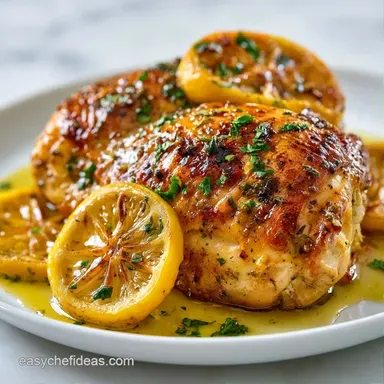
Healthy Mediterranean Olive Oil Chicken: Roasted
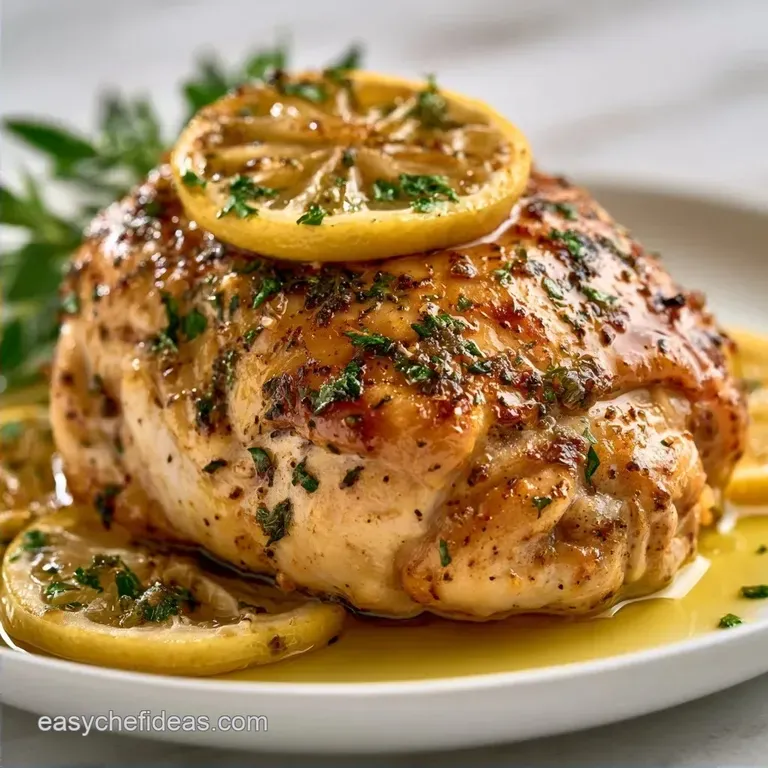
- Time: 15 min active + 30 min marinating + 45 min roasting = Total 1 hours 30 mins
- Flavor/Texture Hook: Shatter crisp skin with velvety, juicy meat and bursting blistered tomatoes
- Perfect for: A nourishing community dinner or a reliable weeknight meal that feels special
- Mediterranean Olive Oil Chicken
- What Makes This Work So Well
- Essential Ingredient Breakdown
- The Building Blocks
- Tools For The Best Roast
- Detailed Steps For Success
- Solving Common Cooking Hiccups
- Troubleshooting Common Issues
- Fun Ways to Swap Flavors
- Scaling Your Meal
- Debunking Kitchen Myths
- Storing and Reducing Waste
- The Best Side Dish Pairs
- High in Sodium
- Recipe FAQs
- 📝 Recipe Card
Mediterranean Olive Oil Chicken
Imagine walking into a kitchen where the air is thick with the scent of roasting garlic and the bright, zesty tang of charred lemons. That's the moment I live for. For a long time, I struggled with a specific problem: my chicken thighs always came out looking pale and steamed, even when I thought I was roasting them.
The skin was rubbery, and the vegetables at the bottom were just soggy. It was frustrating because the flavors were there, but the texture was totally off.
I realized I was crowding the pan and cooking at too low a temperature. Once I bumped the heat to 400°F and learned to let the chicken sit right on top of the veg, everything changed. The fat from the skin renders down, basting the onions and tomatoes while the top gets that deep, dark color.
This Mediterranean Olive Oil Chicken is my answer to those soggy dinners. It's a one pan wonder that brings a bit of sunshine and culture to the table. We're focusing on nourishing ingredients that work together to create a meal that feels like a hug. Trust me, once you see those tomatoes bursting and the skin turning mahogany, you'll never go back to over low heat roasting.
What Makes This Work So Well
I've always been curious about why some marinades make meat tough while others make it tender. It's all about the balance. Here is the logic behind this recipe:
- Acid Balance: The lemon juice breaks down tough muscle fibers, but because we keep the marinating time under 4 hours, it doesn't turn the meat mushy.
- Fat Conduction: Olive oil doesn't just add flavor, it acts as a heat conductor that helps the skin reach those high temperatures needed for a crisp finish.
- Vegetable Bed: Placing the chicken on top of the vegetables creates a natural roasting rack, allowing hot air to circulate under the meat while the veg absorbs the savory drippings.
- Aromatic Infusion: Garlic and oregano infuse into the oil, which then seeps into the meat during the roasting process.
Right then, let's look at how this compares to a slower approach. Most people think low and slow is the only way for thighs, but for this specific flavor profile, high heat is the winner.
| Feature | Fast over High heat (This Recipe) | Classic Low Slow Roast |
|---|---|---|
| Skin Texture | Shatter crisp | Soft/Tender |
| Veggie State | Blistered and charred | Soft and stewed |
| Total Time | 1 hours 30 mins | 2-3 hours |
| Best For | Bold, zesty flavors | Comforting, mellow tones |
But what about the ingredients? Not all olive oils are created equal, and the type of chicken you pick changes everything.
Essential Ingredient Breakdown
I'm a huge believer in using bone in, skin on thighs. According to the experts at Serious Eats, the bone acts as an insulator, keeping the meat moist even at high temperatures.
| Ingredient | Science Role | Pro Secret |
|---|---|---|
| Extra Virgin Olive Oil | Flavor carrier & heat conductor | Use a cold pressed oil for a peppery finish |
| Lemon Juice | Fiber tenderizer & brightener | Rub a bit of zest into the skin for extra punch |
| Kalamata Olives | Umami and salt balance | Pat them dry before adding to avoid steaming |
| Garlic | Aromatic base | Mince them tiny so they don't burn in the oven |
The Building Blocks
For this recipe, we want ingredients that reflect the diversity of Mediterranean flavors. Don't bother with low-fat substitutes here; the fat is what carries the herbs into the meat.
- 1/2 cup extra virgin olive oil Why this? Provides the rich, fruity base for the marinade
- 1/4 cup lemon juice Why this? Cuts through the fat and tenderizes the chicken
- 4 cloves garlic, minced
- 1 tbsp dried oregano
- 1 tsp dried thyme
- 1 tsp sea salt
- 1/2 tsp black pepper
- 3 lbs bone in, skin on chicken thighs Why this? Bone in stays juicy at 400°F
- 1 cup pitted Kalamata olives
- 2 cups cherry tomatoes Why this? They burst to create a natural sauce
- 1 medium red onion, cut into wedges
- 1 lemon, sliced into rounds
- 2 tbsp extra virgin olive oil (for the pan)
- fresh parsley, chopped
If you're missing something, don't panic. Most of these have easy swaps that still keep the vibe intact.
| Original Ingredient | Substitute | Why It Works |
|---|---|---|
| Kalamata Olives | Green Castelvetrano Olives | Similar brine. Note: Milder, buttery taste |
| Dried Oregano | Dried Basil | Same herbal family. Note: Sweeter, less pungent |
| Red Onion | Shallots (quartered) | Similar allium profile. Note: More delicate flavor |
| Cherry Tomatoes | Grape Tomatoes | Almost identical. Note: Slightly firmer texture |
Let's crack on to the gear you'll need. You don't need a professional kitchen for this, just a few basics.
Tools For The Best Roast
You can use a standard 9x13 inch baking dish, but if you have a cast iron skillet, use it. Cast iron holds heat much better and helps the bottom of the vegetables caramelize while the top of the chicken browns.
I also recommend a large zip top bag for the marinating phase. It's way easier to massage the oil and lemon into the skin using a bag than trying to stir it in a bowl. Finally,, a meat thermometer is your best friend. While the visual cues are great, hitting that internal temp ensures you don't overcook the meat.
Detailed Steps For Success
Follow these steps closely. The order matters, especially when it comes to layering the pan.
- Whisk the 1/2 cup olive oil, lemon juice, minced garlic, oregano, thyme, salt, and pepper in a bowl. Note: Whisk until it looks creamy and combined.
- Place chicken thighs in a zip top bag and pour in the marinade. Massage the mixture well, making sure it gets under the skin and on the underside.
- Let the chicken marinate for 30 minutes at room temperature. Note: This takes the chill off the meat for more even cooking.
- Preheat your oven to 400°F (200°C). Drizzle 2 tbsp of olive oil across the bottom of your baking dish or skillet.
- Scatter the red onion wedges, cherry tomatoes, and pitted olives across the pan. Listen for the slight click of the olives hitting the pan.
- Position the marinated chicken thighs skin side up on top of the veg. Tuck the lemon slices in the gaps between the meat.
- Roast for 35–45 minutes. Wait until the skin is mahogany colored and you smell the garlic turning nutty.
- Remove from the oven and let it rest for 5 minutes. The juices will redistribute, making the meat velvety.
- Garnish with chopped fresh parsley and serve.
Chef's Note: To get that absolute "shatter" effect on the skin, pat the chicken dry with a paper towel after marinating but before placing it on the veg. This removes excess surface moisture that can cause steaming.
Solving Common Cooking Hiccups
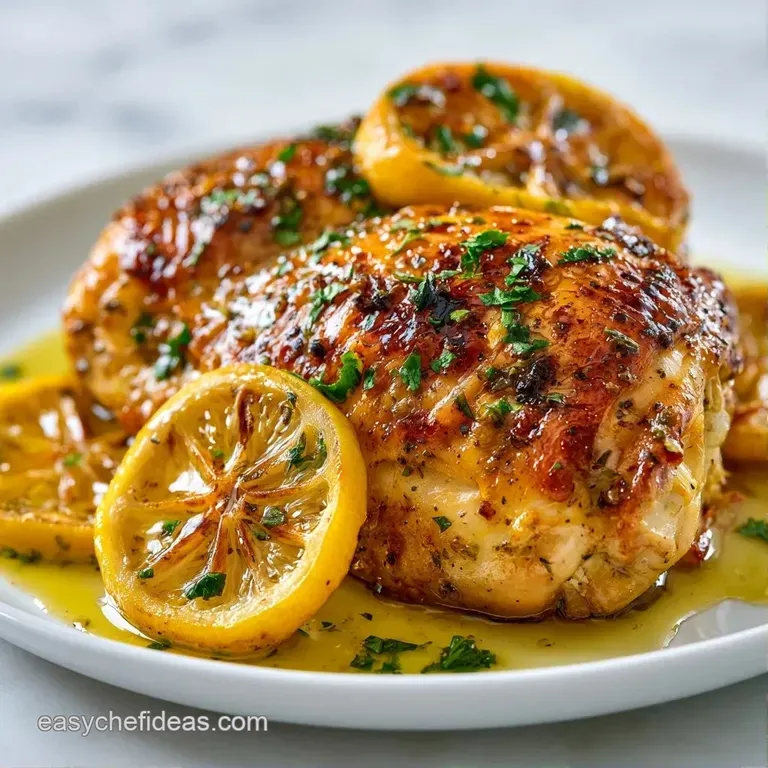
Even with a great recipe, things can go sideways. Usually, it's just a matter of heat or crowding.
Troubleshooting Common Issues
| Issue | Solution |
|---|---|
| Why Your Skin Isn't Crispy | If the skin is soft or pale, you likely crowded the pan. When chicken thighs are too close together, they release steam that gets trapped, essentially boiling the skin. |
| Why the Sauce is Too Salty | Kalamata olives are salt bombs. If the pan juices taste too sharp, it's usually because the olives leaked too much brine. |
| Why the Veggies are Burnt | If your onions are charred black but the chicken is raw, your oven might be running hot. Check your rack position; the middle rack is usually best for this Mediterranean Olive Oil Chicken. |
Common Mistakes Checklist:
- ✓ Did you leave the chicken skin side up?
- ✓ Is the oven fully preheated to 400°F?
- ✓ Did you avoid crowding the pan?
- ✓ Did you let the meat rest for 5 minutes?
- ✓ Did you use bone in thighs instead of breasts?
Fun Ways to Swap Flavors
This recipe is a great canvas for exploration. If you want to shift the mood of the meal, you can change the aromatics. For a more traditional Greek vibe, I highly recommend using a Greek seasoning in place of the individual thyme and oregano.
For a Spicy Kick
Add 1 tsp of red pepper flakes to the marinade and toss in a few sliced jalapeños with the cherry tomatoes. The heat pairs beautifully with the acidity of the lemon.
For a Creamier Finish
Once the chicken comes out of the oven, dollop a bit of Greek yogurt or feta cheese on top of the hot meat. The heat will soften the cheese, creating a rich, velvety sauce.
For a Leaner Option
If you must use Mediterranean Olive Oil Chicken Breast, reduce the roasting time to 25-30 minutes. Be careful not to overcook, as breasts lack the protective fat of thighs and can dry out quickly.
Scaling Your Meal
Whether you're feeding a crowd or just yourself, you can adjust this.
Scaling Down (2-3 Servings): Use a smaller 8x8 inch pan. Use 1.5 lbs of chicken and halve the marinade. Reduce the roasting time by about 5-10 minutes, as a smaller mass of meat cooks slightly faster.
Scaling Up (12+ Servings): Do not try to fit 6 lbs of chicken in one pan. Use two separate baking dishes. I suggest increasing the salt and spices to only 1.5x rather than 2x, as the flavors intensify in larger batches. Work in batches if your oven doesn't have great convection.
If you're doing a massive feast, remember to lower the oven temp to 375°F (190°C) if you're using two racks, as the top rack will brown much faster than the bottom.
Debunking Kitchen Myths
Let's set some things straight. I've seen a lot of "advice" out there that just doesn't hold up in a real home kitchen.
Myth: Searing meat first "seals in the juices." This is simply not true. Searing creates a crust for flavor, but moisture loss happens regardless. In this recipe, the over high heat roast provides that flavor without the extra step of pan searing.
Myth: Marinating for 24 hours is always better. With lemon juice, this is a mistake. Too much acid for too long actually breaks down the proteins too far, leaving you with a mealy, mushy texture. 30 minutes to 4 hours is the sweet spot.
Storing and Reducing Waste
To keep this Mediterranean Olive Oil Chicken fresh, store leftovers in an airtight container in the fridge for up to 4 days. When reheating, avoid the microwave if you want to keep the skin from getting rubbery.
Instead, pop the chicken back in a 350°F (175°C) oven for 10 minutes.
For the freezer, you can freeze the cooked chicken and veg for up to 3 months. Just thaw it in the fridge overnight before reheating.
Zero Waste Tips:
- Lemon Rinds: Don't toss the leftover lemon shells! Zest them and freeze the zest for future baking or pasta dishes.
- Pan Drippings: The oil left in the pan is liquid gold. Use it to sauté some kale or spinach the next day.
- Onion Scraps: Save the ends of your red onion in a freezer bag to make a homemade vegetable stock.
The Best Side Dish Pairs
Because this dish is so rich and zesty, you want sides that provide a cool contrast or a hearty base to soak up those pan juices.
A great choice is a grilled vegetable platter with a minty yogurt sauce. The coolness of the yogurt cuts right through the intensity of the olives and garlic.
Alternatively, serve this over a bed of fluffy couscous, wild rice, or toasted orzo. The grains will soak up the lemon olive oil emulsion, making every bite flavorful. If you're keeping it low carb, a simple arugula salad with a squeeze of lemon and some shaved parmesan is the way to go.
This Mediterranean Olive Oil Chicken is more than just a recipe; it's a way to bring a bit of global diversity to your kitchen. It nourishes the body and the soul, and it's the kind of meal that encourages everyone to linger at the table long after the plates are empty.
Right then, get your oven preheated and enjoy the process!
High in Sodium
890 mg 890 mg of sodium per serving (39% 39% of daily value)
The American Heart Association recommends a daily limit of 2,300 mg of sodium to help manage blood pressure and heart health.
Tips to Reduce Sodium
-
Rinse the Olives-25%
Rinse the Kalamata olives under cold running water for 30 seconds to remove excess brine before adding them to the dish.
-
Reduce Added Salt-25%
Reduce the sea salt from 1 tsp to 1/2 tsp, or omit it entirely, as the olives already provide a strong salty profile.
-
Increase Acidity-10%
Add fresh lemon zest to the marinade; the bright, citrusy flavor tricks the palate into needing less salt for satisfaction.
-
Enhance with Fresh Herbs
Double the amount of fresh parsley or add fresh basil to provide more aromatic depth without increasing sodium levels.
Recipe FAQs
How long do you cook baked chicken thighs in the oven?
Roast for 35 45 minutes at 400°F (200°C). The chicken is ready once the skin is mahogany colored and the meat is cooked through.
How to cook chicken thighs in the oven with bones?
Position thighs skin side up on a bed of vegetables at 400°F (200°C). Bake for 35 45 minutes to ensure the heat penetrates the bone without overcooking the exterior.
What is the best way to cook skinless chicken thighs with this recipe?
Reduce the roasting time by 5 10 minutes. Skinless meat lacks the protective fatty layer, making it prone to drying out if left in the oven for the full 45 minutes.
Can I use garlic powder instead of minced garlic?
Yes, substitute 1/4 teaspoon of powder for each minced clove. Fresh garlic provides a sharper bite, but powder distributes more evenly throughout the olive oil marinade.
Why is my chicken skin soft instead of crispy?
You likely crowded the baking pan. When chicken pieces are too close, they release steam that gets trapped, essentially boiling the skin instead of roasting it.
What is the best way to grill chicken thighs using this marinade?
Grill over medium heat for 6 8 minutes per side. Start skin side down to achieve a sear, then flip and cook until the internal temperature is safe.
What side dishes pair well with Mediterranean Olive Oil Chicken?
Serve it with a hearty grain or legume dish. This pairs perfectly with classic Syrian lentils and rice to complement the lemon and olive oil flavors.
Mediterranean Olive Oil Chicken