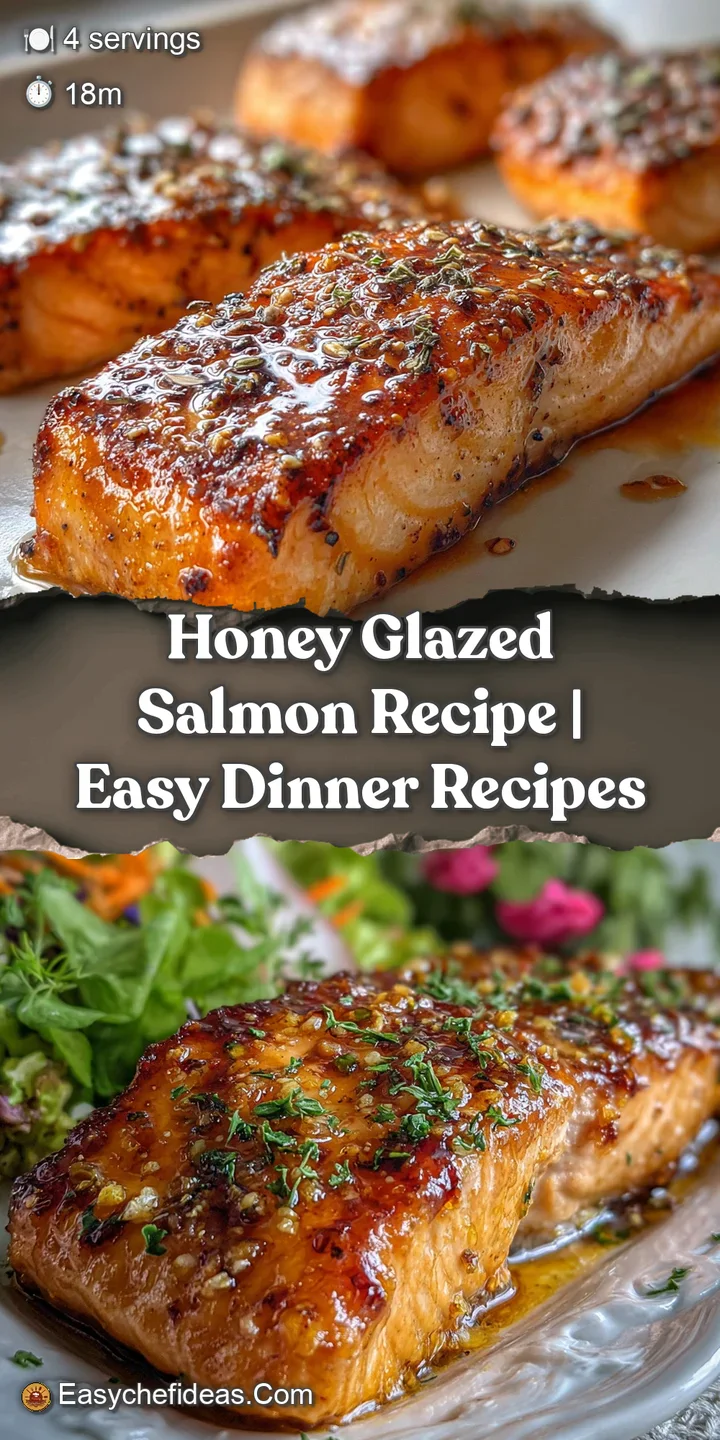
Honey Glazed Salmon Recipe
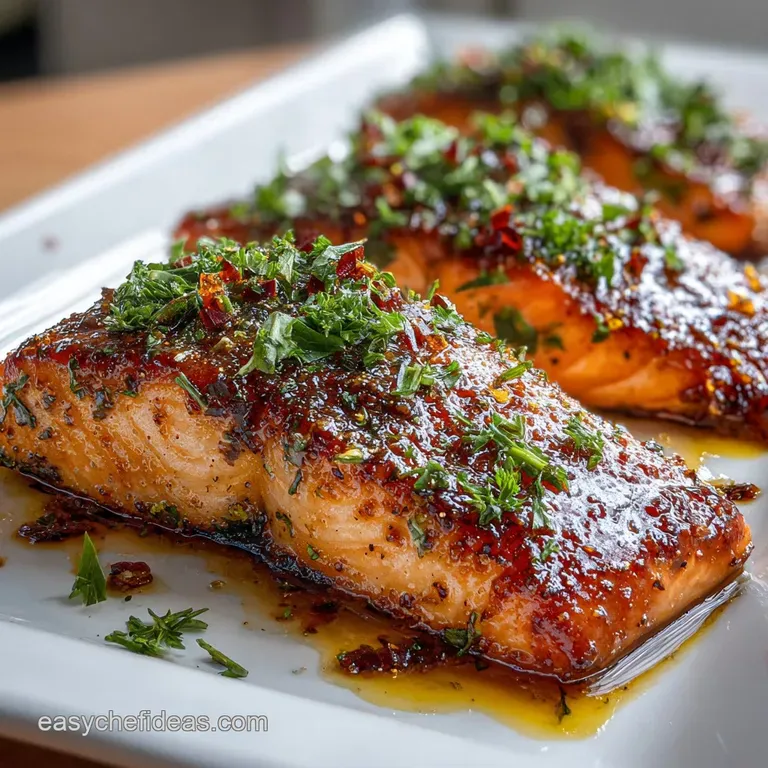
- Time: Active 10 minutes, Passive 8 minutes, Total 18 minutes
- Flavor/Texture Hook: Sticky, sweet savory glaze with a hint of smoky heat
- Perfect for: Nourishing weeknight dinners or impressive date nights
- Achieving Flavor Layers in this Honey Glazed Salmon Recipe
- The Science of the Sticky Glaze
- Method Comparison for Perfect Doneness
- Component Analysis of the Glaze
- Pantry Essentials and Flavor Swaps
- Essential Tools for Silky Salmon
- Mastering the Multi Stage Cooking Process
- Solving Texture and Doneness Hurdles
- Adjusting Portions for Every Table
- Customizing for Diverse Nutritional Needs
- Debunking Common Seafood Cooking Myths
- Storage Guidelines and Sustainable Leftovers
- Cultural Pairings for a Nourishing Meal
- Recipe FAQs
- 📝 Recipe Card
Achieving Flavor Layers in this Honey Glazed Salmon Recipe
The sizzle of cold salmon hitting a hot cast iron pan is a sound that honestly never gets old. I still remember a dinner party where I totally botched the fish by crowding the pan, resulting in a sad, grey heap of protein that looked nothing like the glossy photos in magazines.
It was a mess, but it taught me that the secret isn't just the ingredients, but how you layer the heat and the sugar to get that perfect, sticky finish without burning the garlic.
We’ve all been there, hovering over the stove, praying the honey doesn't turn into a bitter, blackened charcoal mess before the middle of the fish is even warm. This honey glazed salmon recipe is about more than just tossing things in a pan; it's about the chemistry of building flavor stages.
We start with a dry brine to lock in moisture, move to a over high heat sear for texture, and finish with an emulsified glaze that coats the fish like a velvety blanket.
You're going to love how the smoked paprika plays off the raw honey, creating a depth that feels like it took hours to develop when it actually only took minutes. It's about bringing a sense of culture and nourishment to your table without the stress of complicated techniques.
Trust me, once you see that glaze start to bubble and thicken into a deep amber hue, you’ll know you’ve nailed it.
The Science of the Sticky Glaze
Understanding how sugar and protein interact is the key to mastering this dish. It's not just about heating things up; it's about controlling the rate of caramelization to ensure the fish remains silky while the exterior develops a complex crust.
- Maillard Reaction: High heat transforms the amino acids in the salmon into hundreds of different flavor compounds, creating that savory "crust" we crave.
- Hygroscopic Honey: Raw honey attracts and holds onto moisture, which helps prevent the salmon from drying out during the intense finishing heat.
- Emulsification Stability: Combining the lemon juice with honey and soy sauce creates a stable suspension that clings to the fish rather than sliding off into the pan.
- Albumin Control: A quick dry brine with sea salt tightens the protein fibers on the surface, significantly reducing the amount of white albumin that leaks out during cooking.
Method Comparison for Perfect Doneness
Choosing the right cooking environment depends on your desired texture and the time you have available. While I prefer the stovetop for the best "shatter" on the skin, other methods offer more convenience.
| Method | Time | Texture | Best For |
|---|---|---|---|
| Stovetop Pan Sear | 8 minutes | Shattering skin, silky center | Maximum flavor development |
| oven-roasted | 12 minutes | Evenly cooked, very tender | Hands off meal prep |
| Air Fryer | 10 minutes | Extra crispy edges, less oil | Quick, effortless cleanup |
The stovetop remains the gold standard for this honey glazed salmon recipe because it allows you to baste the fish constantly. Basting is like giving the salmon a warm bath in liquid gold, ensuring every nook and cranny is infused with the honey garlic essence. If you enjoy the depth of these flavors, you might also find the technique in our Homemade Teriyaki Sauce recipe quite similar in its balance of sweet and salty notes.
Component Analysis of the Glaze
Every ingredient in this dish serves a specific functional purpose beyond just tasting good. When we understand the "why," we become better cooks who can adapt on the fly.
| Ingredient | Science Role | Pro Secret |
|---|---|---|
| Raw Honey | Glazing agent | Use raw honey for a more complex, floral sugar profile that carmelizes slower. |
| Sea Salt | Protein denaturant | Salt the fish 10 minutes early to create a "dry brine" for a firmer texture. |
| Lemon Juice | Acidic brightener | The acid breaks down the "fishy" amines, leaving only a clean, fresh taste. |
| Smoked Paprika | Flavor bridge | This provides a smoky depth that mimics a wood fired grill without the extra equipment. |
Pantry Essentials and Flavor Swaps
To get the best results with this honey glazed salmon recipe, quality matters. We want ingredients that nourish the body and provide a diversity of flavors. I always reach for center cut fillets because their uniform thickness ensures every piece finishes cooking at the exact same moment.
- 4 (6 oz) salmon fillets: Center cut, skin on. Why this? Skin on protects the delicate flesh from the pan's intense direct heat.
- 1 tsp sea salt: Fine grain is best. Why this? It dissolves quickly into the surface of the fish for even seasoning.
- 0.5 tsp cracked black pepper: Freshly ground if possible.
- 0.25 cup raw honey: high-quality floral honey works wonders.
- 2 tbsp low sodium soy sauce: Provides the umami backbone.
- 1 tbsp freshly squeezed lemon juice: For brightness and balance.
- 3 cloves garlic: Microplaned into a paste.
- 1 tsp smoked paprika: For that subtle "charred" aroma.
- 0.5 tsp red pepper flakes: Adds a gentle hum of heat.
Ingredient Substitution Table
| Original Ingredient | Substitute | Why It Works |
|---|---|---|
| Raw Honey | Maple Syrup (Grade A) | Similar sugar content. Note: Adds a woodsy flavor and is slightly thinner. |
| Soy Sauce | Coconut Aminos | Soy free and lower sodium. Note: Slightly sweeter, so reduce honey by 1 tsp. |
| Sea Salt | Kosher Salt | Larger flakes but similar salinity. Note: Use 1.5 tsp to match the weight. |
When you're looking for different ways to prepare fish, comparing this to the How to Make Salmon recipe shows how much an acid base balance can change the entire personality of a dish.
Essential Tools for Silky Salmon
Having the right gear makes the difference between a stressful cook and a smooth one. For seafood, temperature control is everything, so skip the thin, flimsy pans.
- Cast Iron Skillet: A 12 inch Lodge or similar pan is best for heat retention. This ensures the pan doesn't lose temperature when the cold fish hits it.
- Fish Spatula: These are thin, flexible, and slotted. They slide under the delicate skin without tearing it, which is vital for that "shatter" effect.
- Microplane: This is the only way to get the garlic fine enough to melt into the glaze without leaving chunky, burnt bits behind.
- Instant Read Thermometer: Don't guess. Pulling the salmon at exactly 125°F (52°C) for medium rare is the secret to a velvety interior.
Mastering the Multi Stage Cooking Process
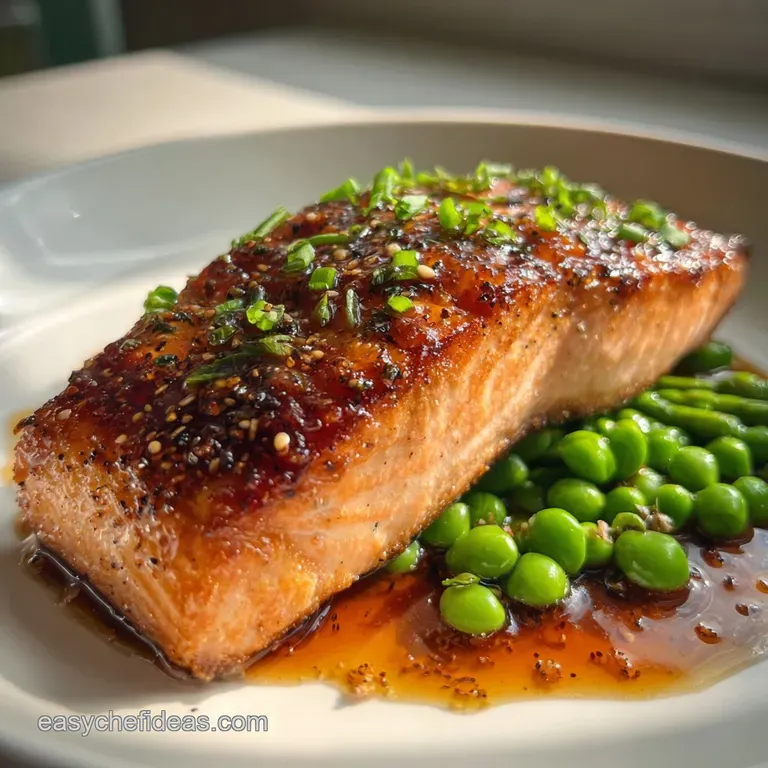
- Tempering the fish. Take the salmon out of the fridge 20 minutes before cooking. Note: This prevents the outside from overcooking while the inside stays raw.
- The Dry Brine. Pat the fillets bone dry with paper towels, then rub with sea salt and black pepper.
- Mixing the emulsion. Whisk the honey, soy sauce, lemon juice, garlic, paprika, and red pepper flakes in a small bowl until the honey is fully incorporated.
- The Initial Sear. Heat your skillet over medium high with a touch of oil until it starts to shimmer and smoke slightly.
- Skin Side Down. Place the fillets in the pan and press down lightly with your spatula until you hear a consistent, loud sizzle.
- Flip with care. Cook for 4 to 5 minutes on the skin side, then gently flip until the flesh side is golden and opaque.
- Adding the Glaze. Pour the honey mixture into the pan. Note: The liquid will bubble vigorously; this is the water evaporating to leave the concentrated sugars behind.
- The Basting Stage. Tilt the pan and spoon the bubbling glaze over the salmon repeatedly until the sauce thickens into a sticky syrup.
- The over High heat Glow. Let the glaze caramelize for the final 60 seconds until the salmon is dark amber and glossy.
- The Rest Period. Remove from heat and let the fish sit for 3 minutes. Note: Carryover cooking will finish the center perfectly.
Solving Texture and Doneness Hurdles
Even with the best intentions, seafood can be finicky. The main goal with any salmon recipe is to avoid the dreaded "dry and chalky" stage.
The Problem of the White Stuff
That white goop is called albumin. It’s just a protein that gets squeezed out when the muscle fibers contract too quickly from high heat. While it's perfectly safe to eat, it doesn't look great.
If the Glaze is Too Thin
Sometimes the honey doesn't reduce as fast as the fish cooks. If your salmon is hitting the right internal temp but the glaze is still watery, pull the fish out onto a plate and keep simmering the sauce on high for another minute. It will thicken into a syrup that you can then pour over the top.
Troubleshooting Table
| Problem | Root Cause | Solution |
|---|---|---|
| Skin is soggy | Pan wasn't hot enough | Wait for the oil to shimmer/smoke before adding fish. |
| Glaze tastes bitter | Garlic or honey burnt | Add the glaze only in the last 2-3 minutes of cooking. |
| Fish is sticking | Moved it too soon | Let the protein naturally release from the pan; it will "unstick" when seared. |
Common Mistakes Checklist
- ✓ Always pat the salmon dry; moisture is the enemy of a good sear.
- ✓ Don't overcrowd the pan; leave at least an inch between fillets.
- ✓ Use a heavy bottomed pan to prevent hot spots that burn the honey.
- ✓ Let the honey reach room temp before mixing for a smoother emulsion.
- ✓ Rest the fish; it keeps the juices inside where they belong.
Adjusting Portions for Every Table
Scaling this dish is relatively straightforward because the cooking time doesn't change much as long as you don't overcrowd the pan.
- To Scale Down (1-2 servings): Use a smaller 8 inch skillet. You can cut the glaze ingredients in half, but keep the full 1 tbsp of lemon juice to ensure enough acidity.
- To Scale Up (6-8 servings): Don't try to fit them all in one pan. Work in two batches or use two separate skillets. If you double the glaze, only use 1.5x the red pepper flakes to avoid overwhelming the dish with spice.
- For Large Parties: Use the oven roasting method. Place the salmon on a parchment lined sheet tray and pour the glaze over halfway through the bake.
Customizing for Diverse Nutritional Needs
We believe in a culture of inclusion at the dinner table. This recipe is naturally rich in Omega-3 fatty acids, but it can be adapted for various dietary paths.
For a Low Carb Twist
Honey is high in sugar, but you can swap it for a keto friendly liquid sweetener like Allulose or a monk fruit blend. These sweeteners caramelize differently, so keep a close eye on the pan as they tend to brown much faster than natural honey.
For a gluten-free Variation
The standard soy sauce in this honey glazed salmon recipe contains wheat. Simply swap it for Tamari or Coconut Aminos to keep the dish entirely gluten-free without losing that deep, salty umami profile.
Debunking Common Seafood Cooking Myths
There is so much misinformation about cooking fish. Let's clear up a few things so you can cook with confidence.
One big myth is that you should always remove the skin before cooking. This is a mistake! The skin acts as a heat shield, protecting the delicate fats and proteins from the direct flame. Even if you don't plan on eating the skin, leave it on during the cook to keep the meat velvety.
Another misconception is that salmon needs to be "cooked through" until it's a solid, light pink color. If it looks like that, it's likely overcooked. Salmon is best served medium rare to medium, where the center is still slightly translucent and the layers flake apart with just the weight of a fork.
Storage Guidelines and Sustainable Leftovers
If you happen to have leftovers, you're in luck. Cold glazed salmon is a revelation on top of a crisp salad or tucked into a wrap.
- Fridge Storage: Keep in an airtight container for up to 3 days. The glaze will thicken and jellify, which is normal.
- Freezer Guidelines: I don't recommend freezing cooked salmon as the texture becomes grainy. However, you can freeze the raw fillets in the honey marinade for up to 2 months.
- Zero Waste Tip: Don't throw away the salmon skin if you don't eat it with the meal. Fry it in a pan until it's as crispy as a potato chip it’s packed with nutrients and makes a brilliant snack. You can also use any leftover glaze as a base for a quick stir fry with broccoli and rice the next day.
Cultural Pairings for a Nourishing Meal
To make this a complete experience, consider what you're serving alongside the fish. The sweetness of the honey needs something earthy or bright to balance the palate.
A bowl of steamed jasmine rice is the classic choice to soak up all that extra liquid gold from the pan. For a more diverse texture, a crunchy slaw with cabbage, cilantro, and a lime ginger dressing provides a beautiful contrast to the fatty fish. If you want something a bit different, you could even serve smaller portions of the fish as a topping for The Golden Flake recipe to create a "salmon two ways" platter for a fancy brunch.
When we cook, we aren't just making fuel; we're creating a moment for our community to gather and nourish themselves. This salmon dish, with its layers of spice, sweet honey, and bright citrus, is a testament to how simple ingredients can create something truly sophisticated.
Recipe FAQs
What is a good honey glaze for salmon?
A balanced sweet and savory mix is best. A classic glaze combines raw honey, soy sauce or tamari for umami, and a touch of acid like lemon juice for brightness, plus aromatics like garlic and spices such as smoked paprika.
How to create a glaze for salmon?
Whisk together your glaze ingredients in a bowl until smooth. Combine liquid sweeteners (like honey or maple syrup), salty elements (soy sauce, tamari, or coconut aminos), acidic components (lemon or lime juice), and any spices or minced garlic. This forms a smooth emulsion ready for cooking.
What do I need to make a honey glaze?
You'll need raw honey, a salty liquid, and an acid. Typically, this means honey for sweetness, soy sauce or coconut aminos for saltiness and umami, and lemon juice for brightness. Garlic, ginger, and spices like paprika or chili flakes are common additions.
Do you put honey on salmon before or after cooking?
Apply the honey glaze towards the end of cooking. Adding it too early can cause the sugars to burn. Brush it on during the last few minutes, allowing it to caramelize and create a sticky coating on the salmon.
Can I substitute maple syrup for honey in a salmon glaze?
Yes, maple syrup works as a substitute. It provides a similar sweetness and will caramelize well, though it imparts a slightly different, woodsy flavor. Similar to how we balance sweetness in our Easy & Flavorful Miso Glazed Salmon Recipe: A Japanese Delight, maple syrup adds its own unique character.
How do I prevent my honey glaze from burning?
Add the glaze in the final stages of cooking and manage the heat. Since honey is a sugar, it caramelizes quickly. Apply it during the last 2-3 minutes of cooking and reduce the heat slightly if you see it browning too fast. If you enjoyed mastering temperature control here, apply those same sensory doneness cues to our Salmon Cooked in the Oven with Lemon and Herbs in 25 Minutes - Oven Baked Recipe.
What is the secret to a sticky, non-burnt honey glaze on salmon?
The secret is the balance of ingredients and timing. Using a combination of honey with a salty element like soy sauce and an acid like lemon juice creates a more stable glaze that caramelizes beautifully without burning as easily. Applying it towards the end of cooking is crucial, similar to how the glaze adheres in My Easy Salmon Recipe: Zesty Lemon Garlic Grilled Delight.
Honey Glazed Salmon Recipe
Ingredients:
Instructions:
Nutrition Facts:
| Calories | 428 kcal |
|---|---|
| Protein | 34.2 g |
| Fat | 21.8 g |
| Carbs | 18.4 g |
| Fiber | 0.4 g |
| Sugar | 17.3 g |
| Sodium | 695 mg |
