Homemade Garlic Bread: Crusty and Buttery
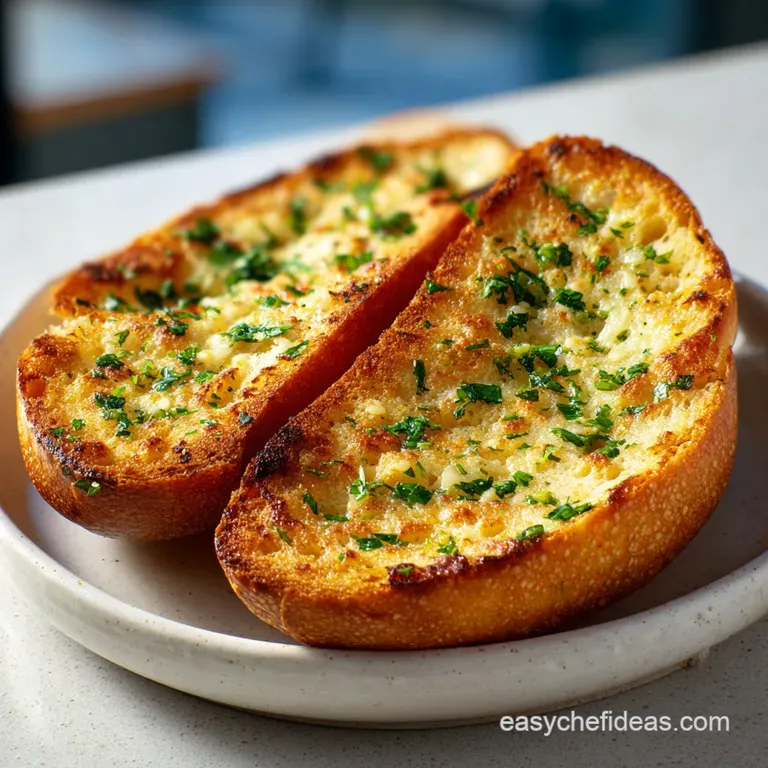
- Time: Active 5 minutes, Passive 10 minutes, Total 15 minutes
- Flavor/Texture Hook: A crackling, golden exterior with a velvety, garlic drenched center
- Perfect for: Seasonal dinner parties or a cozy pasta night accompaniment
- Creating the Ultimate Garlic Bread Recipe
- Common Pitfalls to Avoid
- Component Analysis and Selection
- The Finest Ingredients for Flavor
- The Essential Kitchen Tool Kit
- Detailed Instructions for Golden Results
- Fixing Texture and Flavor Problems
- Scaling for Any Crowd
- Alternative Ingredients and Unique Styles
- Kitchen Truths and Common Myths
- Maintaining Freshness and Reducing Waste
- Side Dishes and Visual Plating
- Recipe FAQs
- 📝 Recipe Card
Creating the Ultimate Garlic Bread Recipe
There is something hypnotic about the smell of garlic hitting warm butter. It’s the scent that defines an Italian American kitchen, drifting out of the oven and filling every corner of the house with a promise of comfort.
I remember my grandmother’s kitchen always having that lingering aroma of toasted herbs and yeast. She didn't just toast bread; she treated it like an art form. We would stand by the oven, waiting for that first audible "crack" as the crust hardened under the heat.
The way the golden fat would soak into the crumb of the baguette until it was nearly translucent was nothing short of magic.
This isn’t just about putting butter on toast. It’s a cultural bridge between the Italian fettunta—the original "oily slice" and the decadent, cheesy loaves we see at every great steakhouse today.
Authentic garlic bread evolved from a simple way to taste the season's new olive oil into this rich, savory staple we all crave. When you bite into it, you want that contrast: a crust that provides a sharp shatter against your teeth, followed immediately by a middle so soft and saturated it almost melts.
I’ve spent years trying to get that specific balance right without making the bread a greasy mess. The secret isn’t just more butter; it’s the way we emulsify the fats and time the heat.
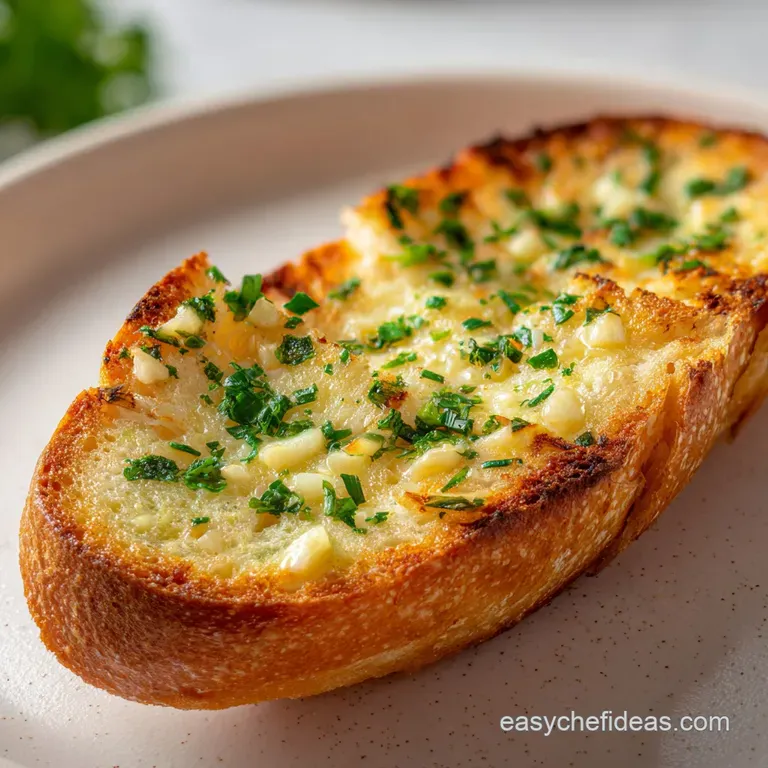
We are going for a specific visual appeal here vibrant green parsley against a backdrop of deep, toasted gold and ivory. It’s about more than feeding people; it’s about that "wow" moment when you pull a steaming, fragrant loaf out of the oven and the whole room goes quiet.
Common Pitfalls to Avoid
Most people treat this dish as an afterthought, and that’s where things go south. The biggest mistake is using cold butter. If you try to spread cold butter on a soft loaf, you’ll tear the bread, leaving you with uneven clumps that burn in some spots and stay raw in others.
You want a paste that is as smooth as room temperature frosting. Another massive error is skipping the olive oil. While butter provides the flavor, the oil lowers the burning point and ensures the garlic cooks through without becoming acrid or bitter.
But what about the sogginess? We'll get to that. If you wrap your bread in foil for the entire bake, you're essentially steaming it. You’ll end up with a limp, wet sponge instead of a crusty masterpiece. This garlic bread recipe avoids that by roasting uncovered on a rimmed sheet.
We want the air to circulate and the moisture to evaporate, leaving behind only the concentrated fats and aromatics.
Finally,, the garlic itself needs respect. Using the pre minced stuff from a jar is a crime against flavor. It has a metallic, preserved aftertaste that ruins the floral notes of a good bread recipe.
We use fresh cloves, minced so fine they practically disappear into the fat, combined with a touch of garlic powder for that "bottom note" of savory depth that fresh garlic alone can’t always provide.
Fat Emulsion: Combining butter and oil creates a mixture that stays liquid at slightly lower temperatures, allowing it to penetrate deeper into the bread fibers.
Allicin Release: Mashing the garlic into a paste breaks down cell walls, maximizing the release of pungent aromatics before they hit the heat.
Maillard Reaction: The Parmesan cheese provides the proteins and sugars necessary for that deep brown, savory crust to form at 425°F.
Moisture Migration: Roasting uncovered allows water to escape the crust, creating the "shatter" texture while the fat traps moisture in the center.
| Method | Time | Texture | Best For |
|---|---|---|---|
| Oven (Recipe Standard) | 10 minutes | Perfect crust to soft center ratio | Dinner parties and large crowds |
| Air Fryer | 6 minutes | Extra crispy, very fast | Quick solo snacks or small batches |
| Toaster Oven | 12 minutes | Drier, more like a rusk | When you don't want to heat the house |
Choosing your method depends on how many people you're feeding. The oven is king for a reason; the consistent ambient heat ensures every inch of the baguette is toasted evenly. If you're in a rush, the air fryer is a brilliant shortcut, though you'll need to work in batches since space is limited.
Component Analysis and Selection
| Ingredient | Science Role | Pro Secret |
|---|---|---|
| Unsalted Butter | Provides the rich mouthfeel and carry for aromatics | Use high fat European style butter for a creamier finish |
| Extra Virgin Olive Oil | Prevents the butter from burning and adds floral notes | A peppery oil balances the sweetness of the roasted garlic |
| Fresh Garlic | Delivers the sharp, pungent primary flavor | Grate it on a microplane to ensure no large, bitter chunks |
| Parmesan Cheese | Creates a salty, umami rich "lace" on the surface | Always grate from a block; pre shredded has cellulose that won't melt |
Using the right ingredients is the difference between a side dish and a centerpiece. For instance, the garlic butter bread recipe relies heavily on the quality of your fat. Using unsalted butter allows you to control the seasoning perfectly with that flaky sea salt.
The Finest Ingredients for Flavor
- 1 large loaf (16 oz) French Baguette or Ciabatta: Choose something with a sturdy crust but a light, airy interior. Why this? It absorbs the butter without collapsing under the weight of the fats.
- 0.5 cup (115g) unsalted butter, softened: This must be room temperature. Why this? Cold butter won't emulsify with the oil, leading to a greasy, separated mess.
- 2 tbsp extra virgin olive oil: Use a high-quality, cold pressed oil. Why this? It adds a fruity undertone and helps the butter spread evenly.
- 5 cloves fresh garlic, finely minced: Freshness is everything here. Why this? Mincing releases the oils that provide the signature "bite" we love.
- 1 tsp garlic powder: Don't skip this, even with fresh garlic. Why this? It provides a consistent savory base that coats every single crumb.
- 0.5 tsp flaky sea salt: This adds a textural crunch and pops of flavor. Why this? Fine salt disappears; flaky salt provides a seasonal, artisanal feel.
- 2 tbsp fresh Italian parsley, finely chopped: It must be fresh, not dried. Why this? It provides a grassy brightness that cuts through the heavy fat.
- 0.25 cup freshly grated Parmesan cheese: Real Parmigiano Reggiano is best. Why this? It creates a savory, crispy "skin" on top of the bread.
If you're looking for a twist, this base is incredibly versatile. For another herbaceous take, you might consider how a Sourdough Discard Garlic Bread uses tanginess to balance the richness.
The Essential Kitchen Tool Kit
You don’t need a fancy kitchen to pull off this easy garlic bread recipe, but a few specific tools make it much easier. A good serrated knife is non negotiable.
If you try to use a straight edge chef’s knife, you’ll squash the delicate crumb of your baguette before it ever sees the oven. Think of it like a saw let the teeth do the work.
A rimmed baking sheet is also vital. This isn't just about holding the bread; it’s about safety. As the butter melts and bubbles, it can occasionally drip. A flat cookie sheet might let that hot fat slide off into the bottom of your oven, creating a smoke show you definitely don't want.
I always line mine with parchment paper. It’s not just for easy cleanup; it prevents the bottom of the bread from getting too dark before the top is golden.
Finally, use a small, sturdy mixing bowl and a fork. A whisk is too flimsy for mashing the garlic into the butter. You want to really work those aromatics into the fat until you have a uniform, pale green paste.
If you have a mortar and pestle, that’s even better for the garlic, but a fork and some elbow grease work perfectly for this garlic bread from scratch.
Detailed Instructions for Golden Results
- Soften the butter. Leave your 0.5 cup of butter on the counter for at least 1 hour. Note: If you're in a rush, grate the cold butter into a bowl; it will soften in minutes.
- Mince the garlic. Peel and finely mince the 5 cloves of garlic until they are almost a paste. Note: Removing the "germ" or the green center of the clove helps prevent bitterness.
- Create the emulsion. In a small bowl, mash together the softened butter, 2 tbsp olive oil, minced garlic, 1 tsp garlic powder, 0.5 tsp sea salt, and 2 tbsp chopped parsley. Note: Work it with a fork until the oil is completely incorporated and the mixture looks like soft frosting.
- Slice the bread. Using a serrated knife, cut your 16 oz loaf in half lengthwise. Note: Keep the knife parallel to the counter for an even, flat surface.
- Apply the spread. Use a spatula to spread the butter mixture edge to edge on both halves. Note: Don't leave the crust edges bare; they need the fat to stay tender while roasting.
- Top with cheese. Evenly sprinkle the 0.25 cup of grated Parmesan over the buttered surface. Note: The cheese acts as a heat shield, preventing the garlic from burning.
- Prepare the tray. Place the bread halves butter side up on a baking sheet lined with parchment paper.
- Roast the loaf. Slide the tray into the center of a preheated oven at 425°F (220°C).
- Monitor the bake. Bake for 8–10 minutes until the butter is violently bubbling and the edges are deep golden brown.
- Rest and slice. Remove from the oven and let it sit for 2 minutes. Note: This allows the melted butter to set slightly so it doesn't run off when you cut it into thick, 2 inch slices.
Fixing Texture and Flavor Problems
Why Your Bread Is Sizzling But Soggy
If your bread feels heavy or wet in the middle despite being brown on the edges, you likely used too much butter or didn't get the oven hot enough. High heat (425°F) is crucial because it evaporates the water content in the butter rapidly.
If the oven is too cool, the butter just melts and soaks into the bread like a sponge without ever crisping up.
Why the Garlic Tastes Burnt
Garlic is delicate. If it’s chopped into large chunks, the surface area exposed to the heat is too high, and it will turn brown and bitter before the bread is done. Finely mincing it and "shielding" it with Parmesan cheese and oil helps it poach in the fat rather than fry in the dry heat.
| Problem | Root Cause | Solution |
|---|---|---|
| Edges are burnt, center is cold | Oven rack was too high or too low | Always bake in the center position for even air circulation |
| Butter is pooling on the tray | Bread wasn't sliced flat or was over saturated | Slice carefully and ensure the butter is spread to the very edge to "seal" the crumb |
| Bread is too hard to bite | Over baked or used stale, low moisture bread | Reduce bake time by 2 minutes and use a fresh, soft baguette |
- ✓ Pat the parsley completely dry after washing to prevent the butter from breaking.
- ✓ Use a microplane for the garlic if you want a smoother, more intense flavor.
- ✓ Preheat your oven for at least 15 minutes to ensure the initial heat blast is consistent.
- ✓ Avoid using a "soft" sandwich loaf; it doesn't have the structure to hold this much butter.
- ✓ Let the bread rest before slicing to keep the "shatter" of the crust intact.
Scaling for Any Crowd
Making a Small Batch
If you're only cooking for one or two, you can easily halve this homemade garlic bread recipe. Use a smaller 8 oz baguette and reduce the butter to 4 tablespoons (0.25 cup). When scaling down, you don't necessarily need to reduce the cook time, but keep a closer eye on it around the 7 minute mark.
Since a smaller loaf has less mass, it can dry out faster in a large oven.
Feeding a Large Party
To double or triple the recipe, simply buy more loaves and use the math: 1 cup of butter for 2 large loaves. However, don't just double the salt and garlic powder scale them by about 1.5x first, taste the butter, and adjust. Spices can become overwhelming when doubled exactly.
Bake the loaves in batches or on two different racks, rotating them halfway through the 10 minute cook time to ensure they both get that beautiful golden finish.
This recipe is incredibly forgiving when it comes to volume. If you find yourself with extra garlic butter, it stores beautifully. You could even use a dollop of it to finish a Garlic Parmesan Sauce for a double garlic pasta night.
| Plating Style | Technique | Visual Result | Best For |
|---|---|---|---|
| Simple | Rough cut slices in a cloth lined basket | Rustic, homey, and inviting | Family dinner |
| Polished | Long diagonal slices on a wooden board with extra parsley | Modern and clean with visible textures | Casual brunch |
| Restaurant | Vertical stacking "log style" with a drizzle of balsamic | High end, architectural, and dramatic | Dinner parties |
Alternative Ingredients and Unique Styles
The Cheesy Garlic Bread Recipe
If you want to go full "comfort food," increase the Parmesan to 0.5 cup and add a layer of low moisture mozzarella under the Parm. This creates that iconic "cheese pull" that everyone loves. For the best results, use the broiler for the last 60 seconds of cooking to get those dark brown spots on the cheese.
The Air Fryer Shortcut
For a super fast garlic bread recipe air fryer version, cut the bread into smaller 4 inch chunks. Set the air fryer to 375°F (190°C) and cook for 5-6 minutes.
The convection air in the fryer is much more aggressive than a standard oven, so you'll get a very crispy exterior much faster. Just make sure the bread isn't so light that it gets blown around!
The Spicy Kick
I love adding a teaspoon of red pepper flakes to the butter mixture. It doesn't make the bread "hot," but it adds a seasonal warmth that pairs perfectly with a heavy winter stew or a spicy marinara.
You can also swap the parsley for fresh cilantro and add a squeeze of lime for a fusion twist that goes great with grilled meats.
Kitchen Truths and Common Myths
One of the biggest myths is that you need to use "garlic salt" to save time. Garlic salt is mostly salt and often contains anti caking agents that can give the bread a gritty texture. Always use fresh garlic and separate salt. This allows you to control the pungency without making the bread inedible.
Another myth is that you should "pre toast" the bread before adding the butter. People think this prevents sogginess, but it actually creates a barrier that stops the garlic oil from soaking into the crumb. You end up with a layer of grease sitting on top of a hard piece of toast.
Trust the over high heat method; the bread and butter should cook together to become one cohesive, flavorful unit.
Finally,, some say you must use salted butter. While you can, it’s much harder to judge the seasoning. Different brands have wildly different salt levels. Using unsalted butter is the "pro move" because it lets you add that flaky sea salt at the end, which provides a much better textural experience.
Maintaining Freshness and Reducing Waste
Storage: Garlic bread is always best fresh out of the oven, but life happens. If you have leftovers, wrap them tightly in aluminum foil and store them in the fridge for up to 3 days. Do not use a plastic bag, as this will trap moisture and turn the crust into a rubbery mess.
Reheating: Never, ever use the microwave. It will turn your beautiful crusty garlic bread recipe into a soggy, chewy disaster in seconds. Instead, place the slices back on a baking sheet and pop them into a 350°F (180°C) oven for about 5 minutes.
This will re crisp the edges and melt the fats back into the center.
Zero Waste: If you have bread that has gone completely hard, don't throw it out! Pulse the leftover garlic bread in a food processor to create the best homemade breadcrumbs you've ever tasted. Use them to top a mac and cheese or as a coating for chicken cutlets.
You can also cut the leftovers into cubes and toast them for a few more minutes to make "garlic bread croutons" for a Caesar salad.
Side Dishes and Visual Plating
When it comes to serving, presentation is everything. For a seasonal feel, I love serving this on a large, dark slate board. The contrast between the bright green herbs, the golden bread, and the dark stone is breathtaking.
If you're going for a more rustic vibe, a simple wire basket lined with a clean linen napkin works wonders.
The Classic Pasta Pairing
Nothing beats a big bowl of spaghetti pomodoro with two thick slices of this best homemade garlic bread propped up against the side of the bowl. It's the ultimate tool for mopping up extra sauce. The acidity of the tomatoes cuts through the richness of the butter perfectly.
The Steakhouse Experience
If you're serving a heavy protein like a ribeye or a roasted chicken, try the "vertical stack" plating. Stand the slices up against each other in a row, overlapping them slightly. It looks professional and keeps the bottom of the bread from getting soggy on the plate.
Add a final sprinkle of fresh parsley and a tiny pinch of flaky salt right before it hits the table for that mouthwatering photography ready look.
This garlic butter bread recipe is a staple for a reason. It’s simple, soulful, and when done with just a little bit of care, it’s the most popular thing on the table.
Whether you're making it for a quick weeknight treat or a big holiday feast, the key is the quality of your fats and the intensity of your heat. Now, go get that oven preheated your kitchen is about to smell incredible.

Recipe FAQs
How to make garlic bread easily at home?
Combine softened butter, olive oil, minced garlic, garlic powder, sea salt, and parsley into a smooth paste. Spread this mixture generously over both halves of a sliced French baguette or ciabatta, then bake at 425°F for 8 10 minutes until golden and bubbling.
What are common garlic bread mistakes?
Using cold, hard butter is the primary error. You must use softened butter to ensure it emulsifies with the olive oil and garlic, creating an even spread that doesn't tear the bread surface during application.
How do you make buttered garlic bread?
Mash 0.5 cups of softened unsalted butter with the aromatics and herbs using a fork. Ensure the mixture is uniform before spreading edge-to-edge on your bread to prevent dry spots during the high heat bake.
What makes restaurant garlic bread so good?
The combination of fresh minced garlic and garlic powder provides a deep, layered flavor profile. If you enjoy mastering these flavor balancing techniques, see how we apply similar principles of concentrated seasoning to our roasted red pepper sauce.
Is it true I must use pre-packaged garlic butter?
No, this is a common misconception. Homemade butter blends using fresh garlic and parsley deliver significantly more vibrant flavor and better texture than any store-bought alternative.
How to ensure the bread stays soft inside?
Bake at 425°F for exactly 8 10 minutes. Using a high temperature for a shorter duration toasts the edges and creates a crispy crust while keeping the interior crumb light and soft.
Is it necessary to use a specific type of bread?
No, a French baguette or ciabatta loaf works best for this recipe. These breads have the structural integrity to hold the butter mixture without becoming soggy, providing the perfect canvas for your toppings.
Homemade Garlic Bread
Ingredients:
Instructions:
Nutrition Facts:
| Calories | 241 kcal |
|---|---|
| Protein | 5.1 g |
| Fat | 14.1 g |
| Carbs | 24.2 g |
| Fiber | 1.2 g |
| Sugar | 0.9 g |
| Sodium | 265 mg |
